
The Olympic countdown: January 2026
The atmosphere across Northern Italy vibrates with a distinctive, electrified energy this january 2026. In Milan, the morning mist rising from the Navigli canals mingles with the scent of fresh espresso and the high-stakes anticipation of the XXV Olympic Winter Games. The city’s historic architecture is now draped in the vibrant "Look of the Games" palette: shades of violet and white that mirror the winter sky and the Italian Alps snow.
Simultaneously, four hundred kilometers to the northeast, the Dolomites stand as a silent, pink-hued audience to the final preparations. In Cortina d’Ampezzo, the celebrated "Queen of the Dolomites," the sound of ski edges sharpening and the rhythmic hum of snowmobiles echo through the Corso Italia. This is a moment of historic convergence: the first time the winter olympics are officially hosted by two cities, two regions (Lombardy and Veneto), and a vast mountain range. This distributed model creates a unique travel circuit spanning from the metropolitan pulse of Milan to the limestone cathedrals of the UNESCO world heritage sites.
- The dual-soul concept: urban elegance and alpine majesty
- The Olympic map: where to be and when for Milano Cortina 2026
- The "Olympic corridor" logistics: moving with precision between venues
- Fan zones and urban experience: beyond the grandstands
- Italian Olympic style: design as a discipline for Milano Cortina 2026
- The gourmet Olympics: a culinary itinerary for the 2026 winter games
- FAQ: insider travel tips for the Olympic Winter Games - Milano Cortina 2026
- A legacy written in snow and stone for the Milano Cortina 2026 Winter Olympics
The dual-soul concept: urban elegance and alpine majesty
The Milano Cortina 2026 project represents a paradigm shift in Olympic history, defined by a "dual-soul" strategy. This approach eschews the traditional single-city hub in favor of a distributed venue model that celebrates the diverse identities of the Italian winter landscape.
Milano: the metropolitan pulse
In Milan, the Games find their intellectual and stylistic center. This is the global capital of the Fuorisalone and high fashion, now pivoting its legendary organizational capacity toward the ice. The urban experience is defined by a sophisticated contrast:
- The Gothic spires of the Duomo provide a historic backdrop for cultural events.
- The vertical forests of the Porta Nuova district showcase Italy’s commitment to sustainable urbanism.
- The San Siro stadium serves as the monumental stage for the opening ceremony.
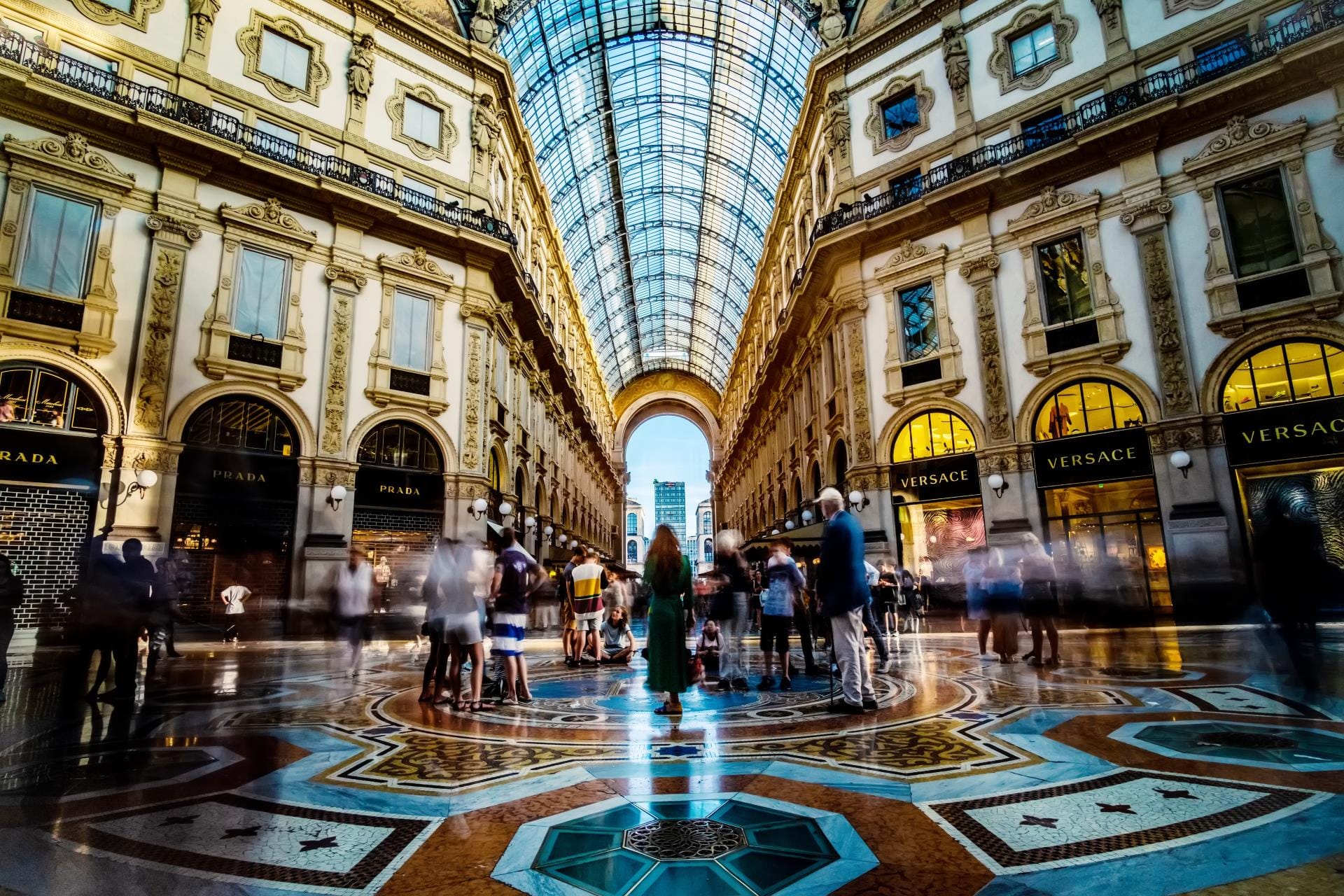
Visitors will find that the Olympic spirit here is synonymous with the "Milanese lifestyle": where a day at the hockey arena or the Mediolanum Forum transitions seamlessly into a sophisticated aperitivo in Brera. Milan provides the Games with a cosmopolitan backbone, offering world-class infrastructure and a culinary scene that ranges from historic trattorie to Michelin-starred laboratories.
The alpine heart: Dolomites and Valtellina
Conversely, the alpine soul of the Games is a tribute to raw beauty and Italian sporting heritage. This sector of the Olympics is divided into two world-class destinations:
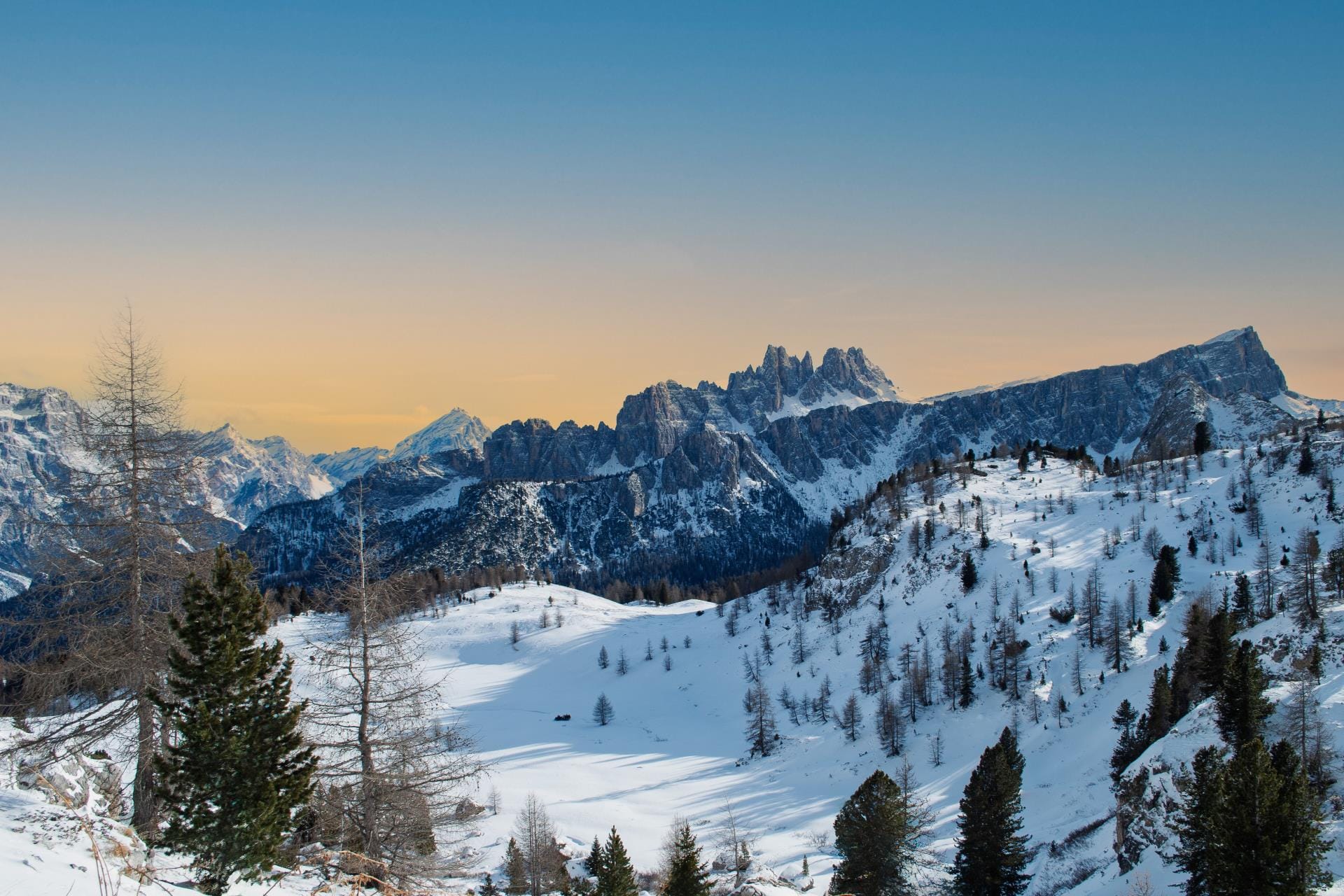
- Cortina d’Ampezzo: representing the pinnacle of mountain glamour and women’s alpine skiing. Here, the "Enrosadira"—the phenomenon where the peaks turn a fiery pink at sunset—provides a backdrop that no stadium could replicate. The legacy of the 1956 Games still lingers in the wood-paneled cafes, now invigorated by 21st-century technology and luxury infrastructure.
- Valtellina: offering a more rugged, visceral connection to the mountains. This valley, carved by the Adda river and guarded by the Rhaetian Alps, is the technical heart of the Games. Bormio, famous for its ancient Roman thermal baths and the legendary Pista Stelvio, provides a stark, thrilling contrast to Milan's polished surfaces.
This duality ensures that travelers experience both the "Made in Italy" sophistication and the breathtaking, unyielding spirit of the Italian peaks. Whether you are following the men’s downhill in Bormio or the figure skating in Milan, the geography of these Games offers an unprecedented opportunity for a comprehensive Northern Italy winter itinerary.
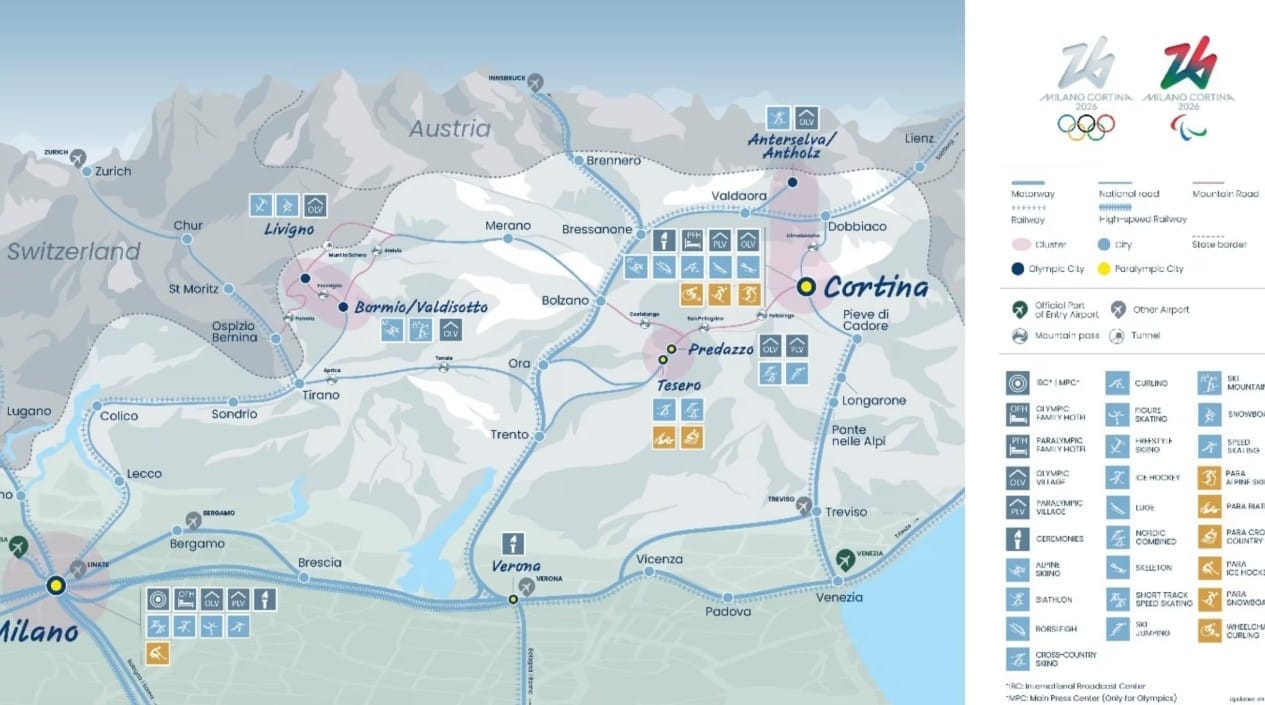
The Olympic map: where to be and when for Milano Cortina 2026
The XXV Olympic Winter Games are scheduled to take place from February 6 to February 22, 2026. Unlike previous editions, the event is distributed across a vast territory in Northern Italy, comprising: four major clusters located in the regions of Lombardy and Veneto, as well as the autonomous provinces of Trento and Bolzano.
Navigating the Milano Cortina 2026 competition venues requires a clear understanding of the geographic "bubbles" hosting specific disciplines. To help you plan your travel itinerary, the Games are organized into the following primary zones:
Milano:
The urban heart of the Games, hosting ice hockey, figure skating, and short track speed skating at venues like the PalaItalia Santa Giulia and the Mediolanum Forum.
→ Discover everything you need to know in "our ultimate guide to Milan"
Cortina d'Ampezzo:
The alpine center for women’s alpine skiing, curling, and the adrenaline-fueled sliding sports (bobsleigh, skeleton, and luge) at the Cortina Sliding Centre.
→ Discover everything you need to know about the Queen of the Dolomites in "our guide to Cortina".
Valtellina (Bormio and Livigno):
The technical hub for men’s alpine skiing on the legendary Stelvio slope, as well as freestyle skiing and snowboarding competitions.
→ Discover everything you need to know about the legendary home of the Stelvio slope and Men's Alpine Skiing in "our guide to Bormio".
Val di Fiemme and Anterselva:
The designated locations for cross-country skiing, ski jumping, and the biathlon events in the scenic Südtirol Arena.
→ Discover everything you need to know about the Olympic biathlon heartland in "our guide to Anterselva".
→ Delve into the cradle of nordic disciplines in "our guide to Val di Fiemme".
Opening and closing ceremonies: historic Italian stages
The bookends of the Games are designed to showcase Italy’s cultural and architectural heritage through two iconic venues:
- The opening ceremony: takes place on February 6, 2026, in Milan at the Giuseppe Meazza Stadium (San Siro). This legendary football cathedral will be transformed into a theatrical stage to welcome the world's athletes.
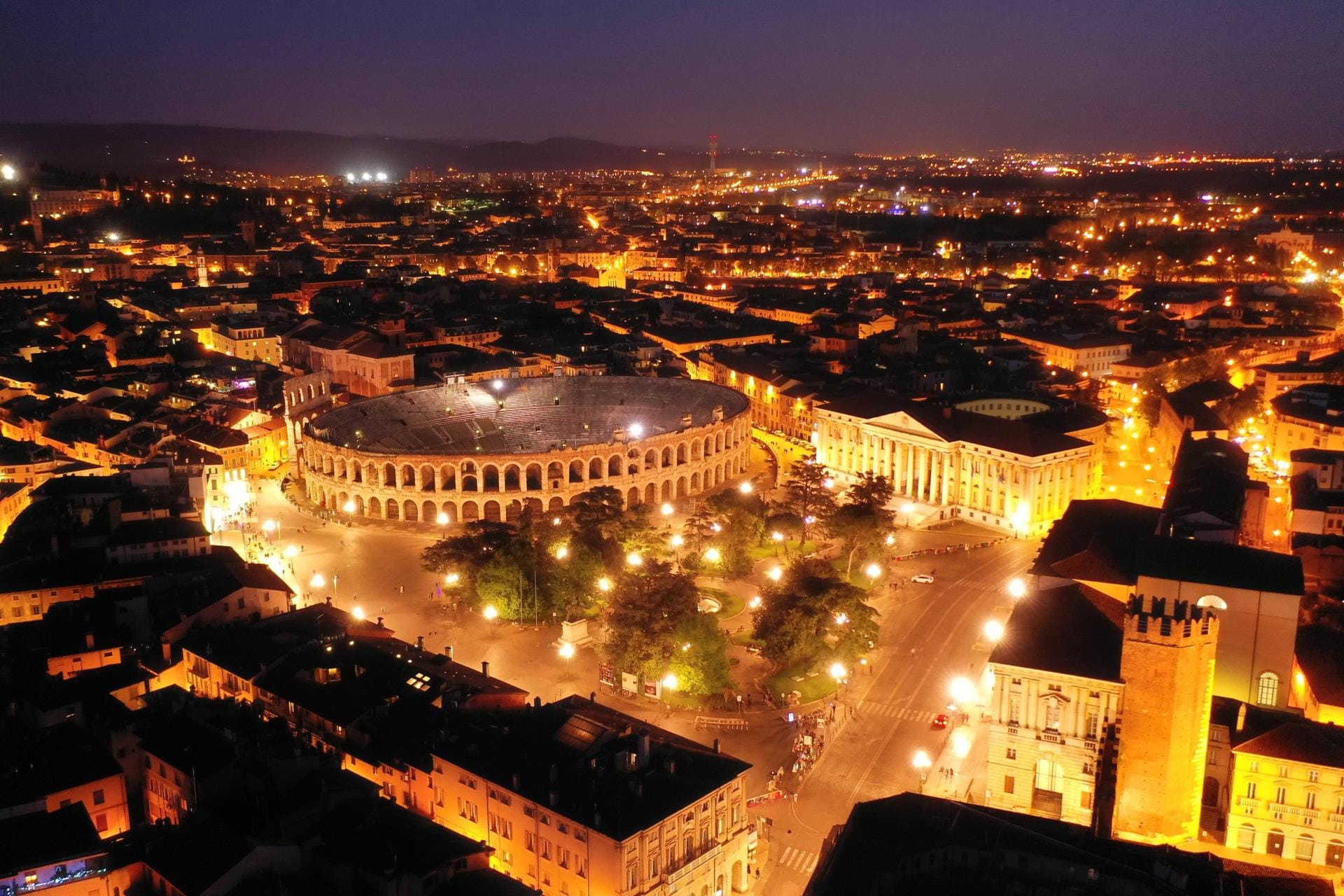
- The closing ceremony: will transition to the Verona Arena on February 22, 2026. This ancient Roman amphitheater provides a symbolic bridge between modern athletic achievement and Italy’s operatic tradition, offering an intimate and historic atmosphere for the Olympic flame's extinguishing.
→ Discover the complete calendar in "our definitive guide to the Milano Cortina 2026 Olympic Schedule"
For travelers, staying centrally in Milan or Bolzano provides the best rail access to these varied locations, though booking accommodation in the specific mountain clusters is essential for those focusing on outdoor skiing events.
The "Olympic corridor" logistics: moving with precision between venues
Navigating the Milano Cortina 2026 transport network requires an understanding of the "Olympic corridor": a strategic, eco-friendly infrastructure designed to connect the metropolitan hub of Milan with the high-altitude clusters of the Dolomites and Valtellina. For the independent traveler, efficiency is key to balancing city events with mountain competitions.
High-speed rail and enhanced Trenitalia connections
As the official rail partner, Trenitalia has launched a dedicated "winter Olympic schedule" to facilitate seamless movement across Northern Italy. To maximize your travel efficiency, prioritize the following rail connections:
- Milan to Venice and Milan to Bolzano lines: these routes have seen a significant increase in frequency, utilizing Frecciarossa high-speed trains to move spectators between regional hubs.
- Gateway stations: travelers can reach Belluno (the primary gateway to Cortina d’Ampezzo) or Tirano (the gateway to the Valtellina cluster) via specialized Olympic Eurocity trains.
- Integrated shuttle network: from these rail heads, a fleet of low-emission olympic shuttles operates on a 24-hour loop, ensuring a direct link between the railway stations and the competition arenas.
Private traffic restrictions and olympic green zones
To maintain the sustainability goals of the Games, strict traffic regulations are enforced in the mountain clusters. If you are planning to rent a car, you must be aware of the following:
- ZTL (limited traffic zones): during competition days and at specific time windows, the town centers of Cortina d’Ampezzo and Bormio will be subject to temporary Olympic ZTL restrictions. Access by private vehicles will be allowed only with a valid authorization (e.g. resident, hotel guest, worker, or service vehicle permits). Vehicles without an approved pass will not be permitted to enter these areas while the ZTL is active.
- Olympic parking access and permits: parking areas located close to competition venues will be strictly regulated. Access will generally be granted only to vehicles holding a pre-booked digital parking permit, which must be associated with a valid competition ticket. Parking reservations and permits must be obtained in advance through the official Milano Cortina 2026 platforms, which may include dedicated web portals and official digital services.
- Park and ride facilities: to reduce congestion in the host towns, park and ride hubs will operate outside the main Olympic clusters. Spectators arriving by car will be required to leave their vehicles at these peripheral parking areas and continue their journey using dedicated Olympic shuttle buses, operating on fixed schedules and reserved for ticket holders.
Fan zones and urban experience: beyond the grandstands
The atmosphere of the Games extends far beyond the ticketed arenas. For travelers looking to soak up the energy of the event without being at the finish line, the Milano Cortina 2026 fan zones offer a premium experience.
Known officially as "medals plazas" and "Olympic parks," these areas are the social heart of the Games:
- Milano - Piazza del Duomo: the city's main square hosts the primary urban fan zone, featuring massive LED screens, live performances, and evening medal ceremonies against the backdrop of the cathedral.
- Cortina - Corso italia: this iconic pedestrian street is transformed into a luxury alpine fan hub, where traditional hospitality meets the excitement of live Women’s Alpine Skiing broadcasts.
- Valtellina hubs: both Bormio and Livigno offer mountain-themed fan parks that celebrate the local food and wine culture alongside the freestyle and snowboarding competitions.
These zones provide the perfect opportunity to witness the Italian Olympic spirit in a more relaxed, accessible environment, blending world-class sport with the authentic charm of Italian city life and alpine traditions.
Italian Olympic style: design as a discipline for Milano Cortina 2026
In Italy, aesthetics are never an afterthought; they are a fundamental discipline. For the XXV Olympic Winter Games, the organizing committee has treated the visual identity and infrastructure with the same rigor as the athletic preparations. This commitment to Italian craftsmanship ensures that the Games are not just a sporting event, but a global showcase of sophisticated design and sustainable innovation.
The Armani touch: luxury fashion on the world stage
The collaboration between high fashion and elite sport is epitomized by Giorgio Armani, the official outfitter of the Italian Olympic and Paralympic teams. Through the EA7 Armani label, the "King of Fashion" has redefined the aesthetic of the winter athlete:
- The color palette: the official uniforms feature a deep, elegant "Olympic navy", punctuated by the green, white, and red of the Italian flag.
- Technical innovation: the garments utilize advanced recycled technical fabrics that provide maximum thermal insulation and aerodynamics while adhering to the event's sustainability goals.
- The philosophy: Armani’s design focuses on the concept of "elegant functionality", ensuring that athletes represent the Made in Italy brand with sobriety and prestige during the opening ceremonies and podium appearances.
The architecture of legacy: sustainable urbanism in Milan
The physical footprint of the Games is centered on the concept of urban regeneration, particularly within the city of Milan. The most significant project is the Olympic Village in the Porta Romana district, which serves as a beacon of modern European urbanism:
- World-class design: the village was designed by the renowned firm SOM (Skidmore, Owings & Merrill), the same architects behind some of the world's most iconic skyscrapers.
- Environmental standards: the complex is built to "Near Zero Energy Building" (NZEB) standards, utilizing geothermal heating, rainwater harvesting, and integrated solar panels.
- Social legacy: once the Games conclude, the village will not become a "white elephant." Instead, it is designed for post-olympic conversion into high-quality student housing and an expansive public parkland, providing a long-term solution to Milan’s urban housing needs.
- The Porta Romana regeneration: the project has revitalized a former railway yard, transforming an industrial scar into a sustainable residential hub that bridges the historic city center with the modern outskirts.
Exploring these architectural sites offers a unique perspective on how Milano Cortina 2026 is reshaping the future of the Italian landscape, blending the country’s artistic heritage with a forward-thinking approach to environmental responsibility.
The gourmet Olympics: a culinary itinerary for the 2026 winter games
In Italy, the pursuit of athletic excellence is traditionally paired with a dedication to culinary mastery. For visitors attending the XXV Olympic Winter Games, "eating well" is not merely a convenience but a core component of the travel experience. Each competition cluster offers a distinct gastronomic heritage, allowing travelers to explore the diverse flavors of Northern Italy through a carefully curated culinary journey.
High-altitude excellence: fine dining in Cortina d'Ampezzo
The Dolomites offer some of the most sophisticated mountain dining in the world, blending traditional Ladin flavors with contemporary innovation.
- Michelin-starred innovation: the restaurant SanBrite is a mandatory stop for the conscious gourmet. It specializes in "regenerative" alpine cuisine, where every ingredient is sourced from the surrounding Ampezzo valley farms or foraged from the local woods.
- Refined mountain huts: for a more casual yet high-quality experience, the historical Rifugio Averau provides legendary views and handmade pasta, representing the peak of apres-ski dining culture.
Valtellina’s rustic flavors: the heart of alpine comfort food
The Valtellina cluster, including Bormio and Livigno, is the land of robust, mountain-grown ingredients designed to sustain athletes and spectators alike through the winter chill.
- The signature dish: the focus here is undeniably on Pizzoccheri, a hearty buckwheat pasta traditionally served with Swiss chard, potatoes, and a generous amount of Valtellina Casera DOP cheese.
- Historic spirits: no visit to Bormio is complete without exploring the historic cellars of Braulio. This is where the world-famous alpine amaro is aged in giant oak barrels beneath the city streets, offering a unique sensory experience of the region's botanical heritage.
Milan’s avant-garde scene: cosmopolitan dining and aperitivo
As the urban hub of the Games, Milan offers a futuristic contrast to the mountain clusters, focusing on innovation and global influence while respecting its Lombard roots.
- Contemporary Milanese cuisine: post-event dinners often gravitate toward the Porta Nuova district. Here, restaurants such as Ratanà redefine traditional dishes—like Risotto alla Milanese—with a focus on sustainability and modern techniques.
- The ritual of the aperitivo: between ice hockey sessions, the Brera district provides the perfect setting for the quintessential Milanese social ritual, featuring local Franciacorta sparkling wines and high-end finger foods.
By following this olympic culinary itinerary, you can experience the true terroir of Northern Italy, where the geography of the landscape is directly reflected in the quality of the plate.
FAQ: insider travel tips for the Olympic Winter Games - Milano Cortina 2026
Navigating a distributed event of this scale requires precise planning. Below are the essential answers to the most common questions for the independent traveler organizing a trip to the XXV Olympic Winter Games.
Is it possible to travel between Milan and Cortina d’Ampezzo on the same day?
Logistically, traveling between Milan and Cortina for two different events on the same day is not recommended. The one-way transit time, including the necessary shuttle connections and security checks, exceeds five hours. To truly experience the atmosphere and avoid travel fatigue, we suggest dedicating at least 48 hours to each cluster. This buffer accounts for potential mountain weather delays and the complexity of alpine transport logistics.
What is the recommended dress code for the olympic fan zones?
The dress code varies significantly between the urban and mountain environments.
- In the mountain clusters (Cortina, Bormio, Livigno): high-performance, technical winter gear is essential. Temperatures can drop well below freezing, especially during evening medal ceremonies.
- In Milan: the city maintains its famous "la bella figura" standards. While high-quality outerwear is still necessary, the norm for evening events and city fan zones is smart-casual attire. Combining functionality with Italian elegance is the best approach for the cultural traveler.
How does the Milano Cortina Card work for local museums and culture?
The Milano Cortina Card is an integrated digital pass designed for the cultural traveler. It provides ticket holders with discounted or free access to major cultural institutions, including the Pinacoteca di Brera in Milan and the Mario Rimoldi Modern Art Museum in Cortina. It is an excellent tool for those looking to balance world-class sport with Italy’s vast artistic heritage.
How can i secure last-minute transport in the Valtellina cluster?
For real-time mobility within the Valtellina (Bormio and Livigno), you should utilize the "Valtellina Outdoor" app. This platform is fully integrated with the official olympic transport grid, providing live tracking for local buses and specialized shuttles. It is the most reliable way to navigate the valley's steep terrain and avoid the restricted private traffic zones.
Are english-language services and support available at the venues?
Yes, the organizing committee has ensured that the Games are fully accessible to international visitors. Over 20,000 multilingual volunteers are stationed across all clusters to provide on-site assistance. Furthermore, all directional signage, digital interfaces, and official announcements are provided in Italian, English, and French, ensuring a seamless experience for the global independent traveler.
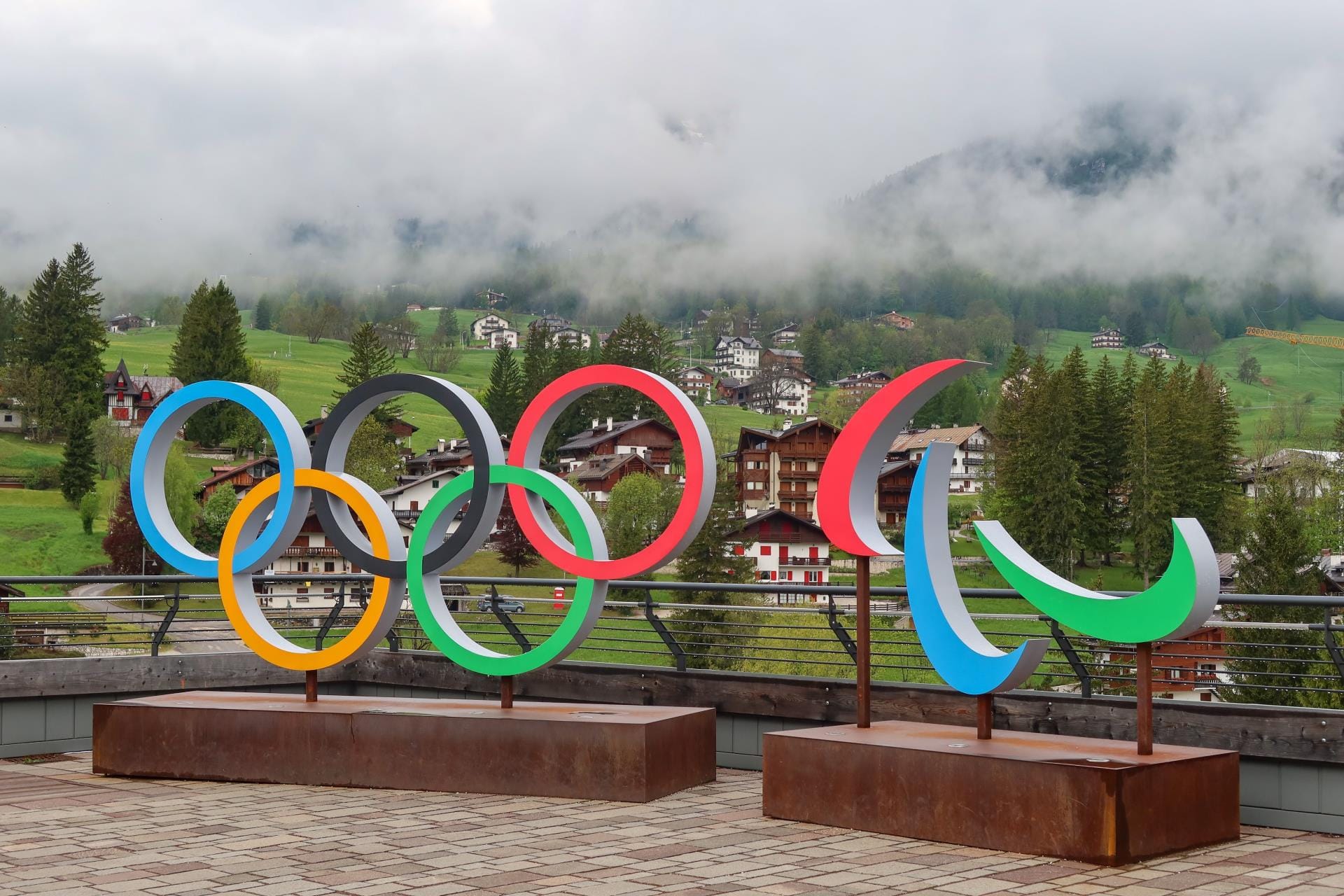
A legacy written in snow and stone for the Milano Cortina 2026 Winter Olympics
The XXV Olympic Winter Games are significantly more than a collection of sporting events: they represent a profound celebration of the Italian Genius Loci—the unique spirit of the place. By bridging the gap between the sleek, industrial future of Milan and the ancient, tectonic majesty of the Dolomites, Italy has crafted a Games that feels both innovative and eternal.
For the independent traveler, this event is a formal invitation to witness a country that refuses to choose between progress and tradition. This unique Italian travel experience offers a rare opportunity to see:
- The precision of world-class athletes on the Stelvio slope in Bormio.
- The cutting-edge design and fashion of the Milanese urban landscape.
- The timeless beauty of the UNESCO world heritage sites in the Veneto and Trentino regions.
Whether one is witnessing a high-speed slalom run or enjoying a quiet moment of reflection in a Milanese gallery, the 2026 Games offer a profound reminder of why Italy remains the world’s most beloved cultural destination. As the "Look of the Games" eventually fades, the memory of the "dual-soul"—the seamless harmony between the cosmopolitan city and the rugged mountain—will remain etched in the heart of every traveler. The Milano Cortina 2026 legacy is not just about medals: it is about a new, sustainable vision of winter tourism that will define the Italian Alps for generations to come.
Guide to Italy is more than an editorial project—it’s a curated solution for travelers who demand depth, private access, and expert-led storytelling. Elevate your journey and make Italy yours.


