
Milan is a city that demands a refined gaze and a patient heart. Often misunderstood by the casual observer as merely a sleek financial hub or an ephemeral temple of fashion, the Lombard capital is, in reality, a complex palimpsest. It is a place where Roman foundations, Renaissance genius, and 20th-century avant-garde coexist in a sophisticated, precarious balance.
Milan does not reveal its beauty through the obvious, sun-drenched theatricality of Rome or the fragile, postcard perfection of Venice. Instead, it offers an understated elegance: a "beauty of the interiors" hidden behind austere neoclassical facades, within secret emerald courtyards, and in the quiet intensity of its world-class museums. This guide serves as the essential compass for navigating a city that is simultaneously the engine of Italian innovation and a profound, silent custodian of European heritage.
- Why visit Milan? The pulsing heart of Italian elegance and innovation
- How to plan your trip to Milan: a complete practical guide
- Top things to do in Milan: the unmissable icons
- Milan off the beaten path: authentic experiences and hidden gems
- The history and cultural identity of Milan: a legacy of ambition, art, and industrial vision
- What to eat in Milan: a guide to local culinary philosophy and traditional flavors
- FAQ about visiting Milan
- Practical resources for the traveler
- Embracing the understated elegance of the Lombard capital
Why visit Milan? The pulsing heart of Italian elegance and innovation
While other Italian cities might offer an immediate, romanticized beauty, Milan’s appeal is a slow burn, rewarding those who take the time to explore its multifaceted identity. It is a city of substance, where history is not just preserved in a museum but is an active part of daily life. Its allure does not shout; it whispers, revealing itself in the details: a hidden fresco in an unassuming church, the clean lines of a rationalist building, or the clinking of glasses during the evening aperitivo in a secret courtyard.
A crossroads of history and modernity
Milan's story is one of conquest, creativity, and resilience. It has transitioned from being a capital of the Western Roman Empire (Mediolanum) and a powerful medieval duchy under the Visconti and Sforza families to becoming the engine of Italy's economic miracle.
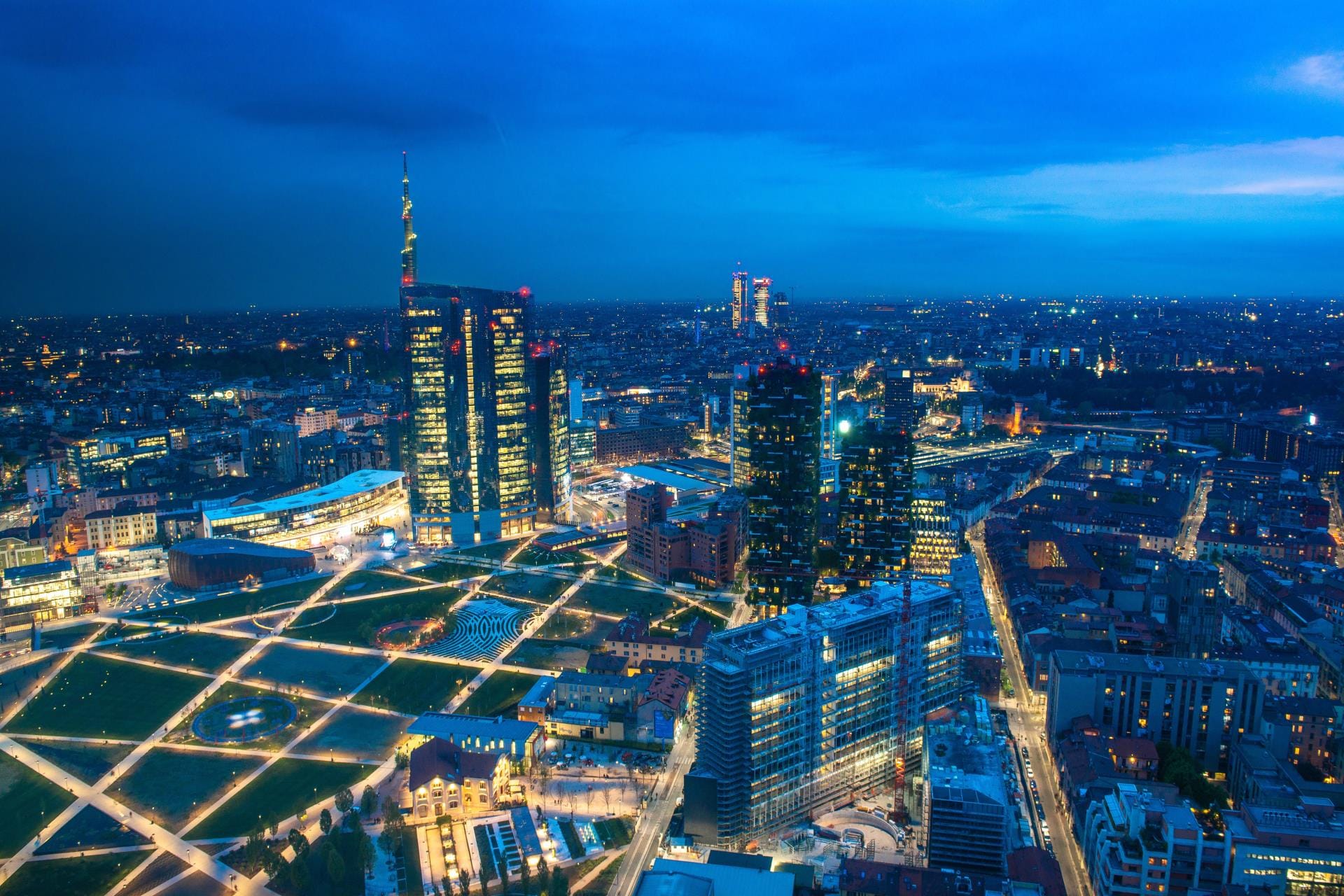
Today, this historical tapestry provides the backdrop for a global capital of fashion, finance, and design, creating a unique tension and synergy. It is a city where you can admire a futuristic skyscraper in Porta Nuova in the morning and stand before a Michelangelo sculpture in the afternoon. This seamless blend of eras makes Milan the most contemporary metropolis in Italy, a place where the future is actively being written.
The epicenter of global design and "Made in Italy" style
To visit Milan is to immerse oneself in the very concept of "Made in Italy." This is the birthplace of global trends, where aesthetic beauty is a civic duty. The city’s influence extends far beyond the runway:
- The Quadrilatero della Moda: an experience in aesthetic perfection, housing the flagship stores of the world's most prestigious fashion houses.
- The Brera and Tortona districts: the true heart of Milanese design, where innovative showrooms and artisan workshops define the city's creative pulse.
- Salone del Mobile: each spring, the city transforms into a sprawling, world-renowned exhibition of creativity, proving that for Milan, design is not just a business; it is a language.
An unrivaled capital of art and culture
Beyond the monumental presence of Leonardo da Vinci’s The Last Supper, Milan houses some of Italy’s most prestigious and curated art collections. The Pinacoteca di Brera holds masterpieces by Raphael, Caravaggio, and Mantegna in a setting that is itself a piece of history.
The city's cultural offering is a living, breathing entity:
- Castello Sforzesco: home to an incredible array of civic museums and Michelangelo’s final, heart-wrenching work, the Pietà Rondanini.
- contemporary foundations: spaces like the Fondazione Prada and Pirelli HangarBicocca showcase world-class contemporary art, while independent galleries thrive in districts like Lambrate.
- Teatro alla Scala: for lovers of the performing arts, a night at this legendary temple of opera remains an unforgettable pilgrimage.
A strategic gateway to Northern Italy
Milan's location makes it the perfect hub for exploring the country's most stunning landscapes. Its high-speed rail connections and proximity to the Alps allow the sophisticated traveler to combine a dynamic urban experience with the tranquility of the Italian countryside. Within a short journey, one can reach:
- the Italian Lakes: the serene beauty of Lake Como and Lake Maggiore.
- historic Lombard cities: the medieval charm of Bergamo Alta and the artistic heritage of Pavia.
- Franciacorta: Italy’s premier destination for sparkling wine and vineyard tours.
This strategic positioning makes Milan an unparalleled base for a comprehensive and authentic Northern Italian journey, catering to those who seek both the energy of the future and the depth of the past.
How to plan your trip to Milan: a complete practical guide
Planning a journey to the Lombard capital requires a balance of logistical precision and an appreciation for the city's seasonal rhythms. To ensure a seamless experience, one must consider not only the timing of the visit but also the sophisticated infrastructure that connects the city to the world.
The best time to visit Milan: seasons and events
To experience Milan at its most authentic, one should consider the shoulder seasons. Spring (April to June) and autumn (September to October) offer mild temperatures and a vibrant, professional atmosphere that reflects the city’s true character.
- Spring and the design peak: April is arguably the most significant month due to the Salone del Mobile and Fuorisalone. During this period, the city transforms into a global stage for design, though it requires booking accommodations well in advance.
- Autumnal elegance: September and October are ideal for those who wish to experience the height of the fashion season and the cultural reopening of the theaters.
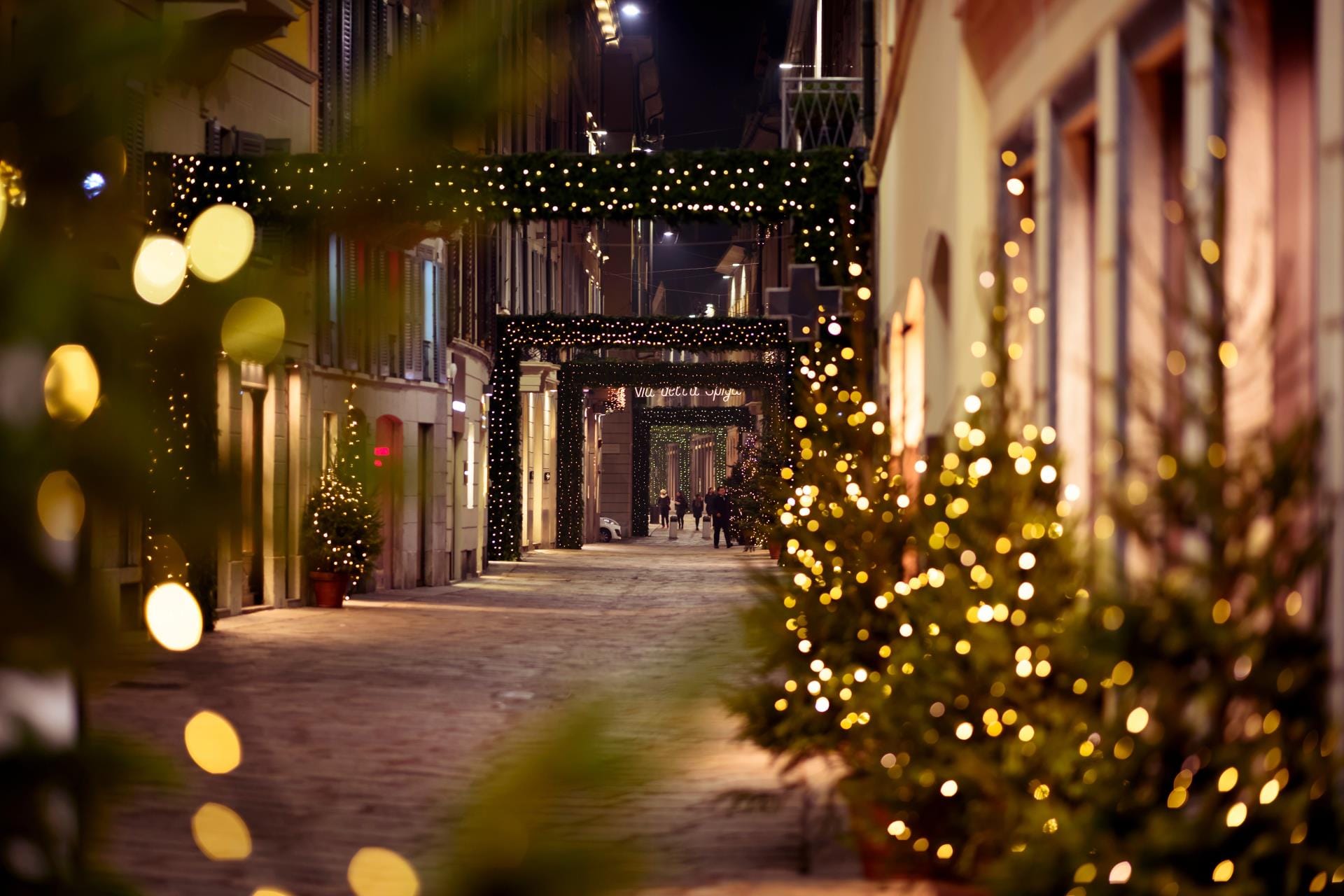
- Winter intimacy: while chilly, the winter months provide a more private experience. The Sant’Ambrogio celebrations in early December offer a unique glimpse into Milanese tradition, as the city honors its patron saint with the Oh Bej! Oh Bej! market and the prestigious opening night at Teatro alla Scala.
Arriving and navigating: a seamless logistical experience
Milan is served by three main airports, each catering to different travel needs. Navigating from these hubs into the urban core is remarkably efficient:
- Malpensa (MXP): as the primary international gateway, Malpensa is best accessed via the Malpensa Express train. This service runs every 30 minutes and reaches both Stazione Cadorna (ideal for the historic center) and Stazione Centrale in approximately 37 to 50 minutes.
- Linate (LIN): the city’s urban airport has been revolutionized by the full completion of the M4 (Blue Line) metro. Travelers can now reach Piazza San Babila in the heart of the fashion district in less than 15 minutes, making Linate the most convenient entry point for European flights.
- Orio al Serio (BGY): primarily serving continental and low-cost carriers, this airport is connected to Milan via frequent, high-end shuttle buses that arrive at the side of Stazione Centrale.
Getting around: mastering the Milanese transport network
Once in the city, the ATM (Azienda Trasporti Milanesi) public transport system is one of the most efficient in Europe:
- Metropolitan efficiency: the extensive metro network can be utilized by using contactless payment directly at the turnstiles. There is no longer a need for paper tickets; simply tap your credit card or device upon entry and exit. Otherwise, you can easily purchase metro tickets from vending machines at metro station entrances. Be careful of pickpockets, who often strike at these times. Remember that tickets are valid for 90 minutes. Milan has five metrolines: M1: red line - M2: green line - M3: yellow line - M4: blue line - M5: purple line.
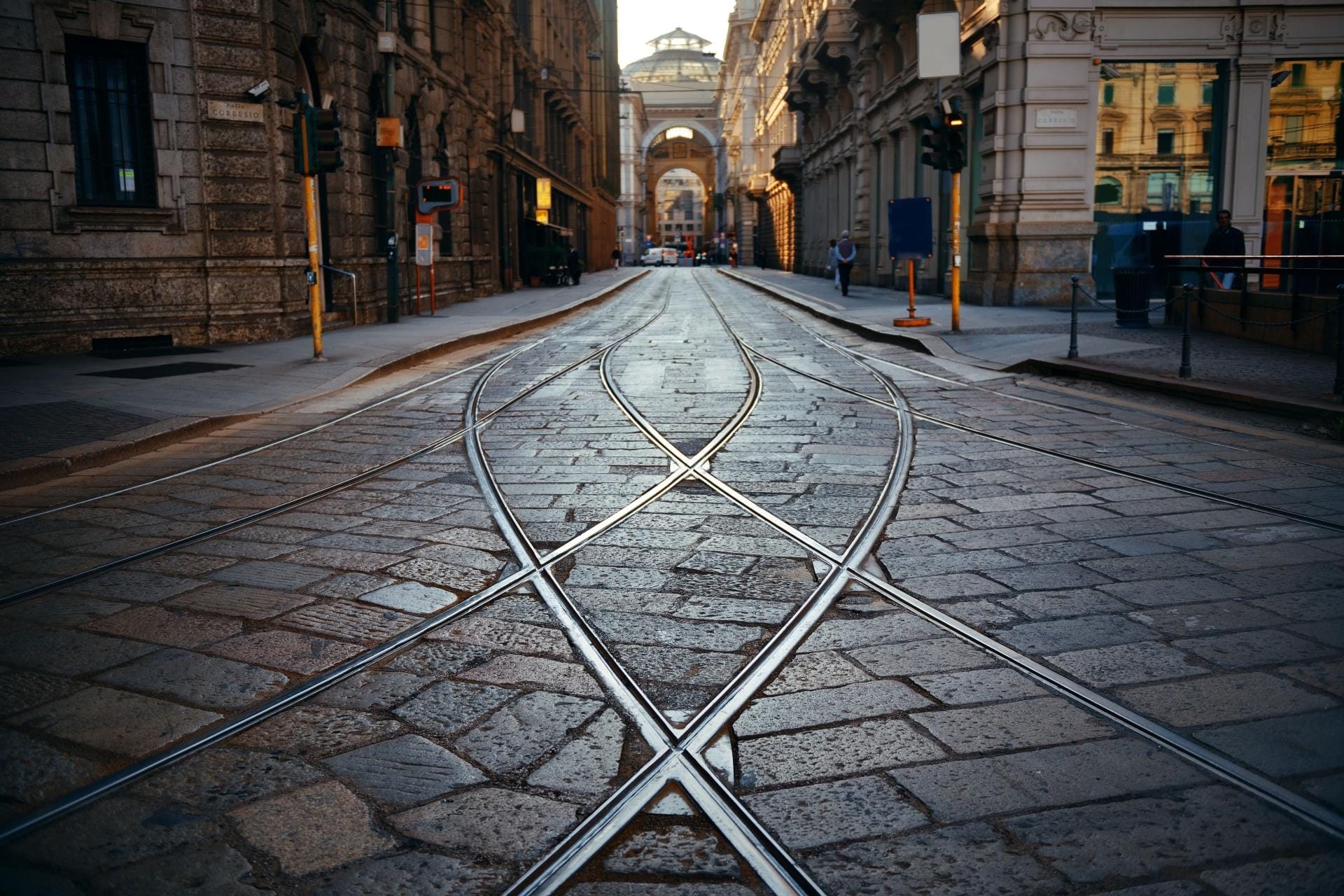
- Historic tramways: for a more evocative and slow-paced journey, the historic 1920s trams—particularly the iconic Line 1—offer a rolling tour through the neoclassical heart of the city.
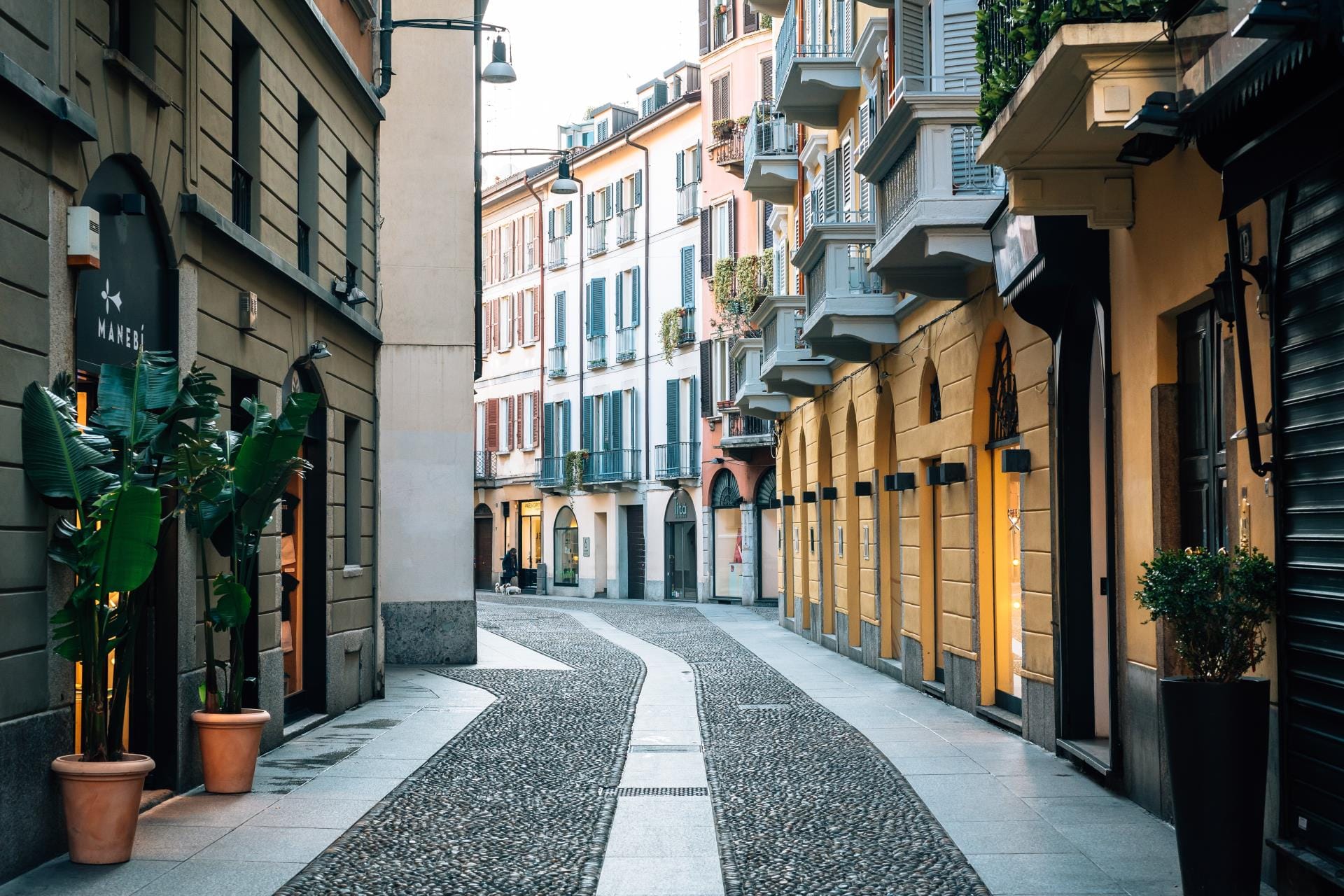
- Pedestrian sophistication: much of the historic center and the Brera district is best explored on foot, allowing for the discovery of the "hidden Milan" found in its private courtyards.
Where to stay in Milan: neighborhood profiles for the discerning traveler
Selection of a residence should be based on the desired neighborhood character and the purpose of the visit:
- Brera: this district offers bohemian-chic boutique hotels and is perfect for those who value art, pedestrian-friendly streets, and proximity to the Pinacoteca.
- The Quadrilatero della Moda: this area hosts the most prestigious international five-star establishments, ideal for travelers seeking absolute luxury and immediate access to high-end tailoring.
- Porta Nuova and CityLife: these districts are ideal for those seeking modern luxury and architectural innovation. Porta Nuova is particularly convenient for its proximity to the high-speed rail links of Stazione Centrale and its vibrant, contemporary dining scene.
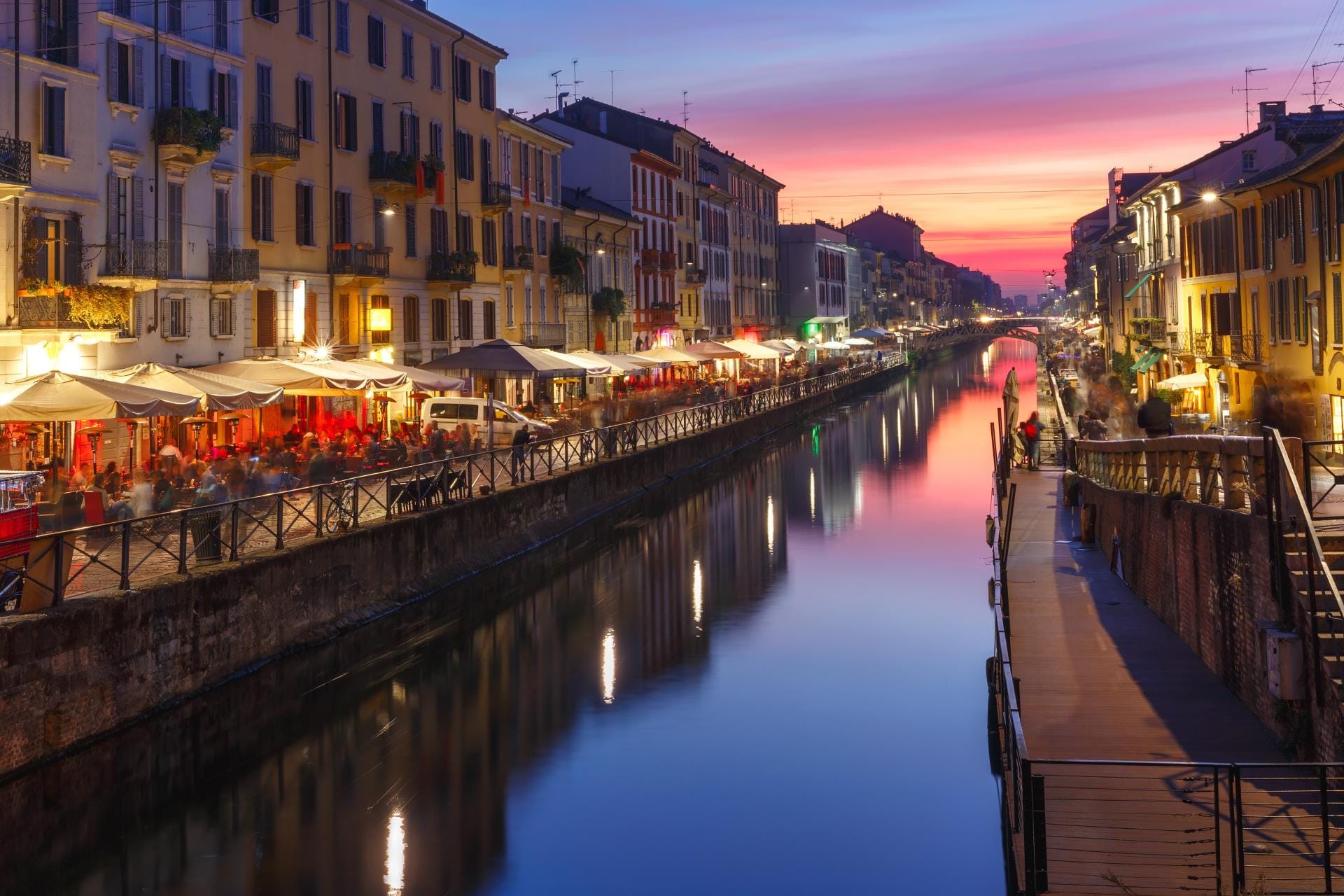
- Navigli and Porta Genova: while more spirited, this area offers unique loft-style accommodations and a closer look at the city's historic canal system.
Optimizing your itinerary: how many days are required?
Determining the ideal duration for a Milanese sojourn depends on whether the city is viewed as a standalone destination or a strategic base for wider exploration. To fully appreciate the multisensory complexity of the Lombard capital, a rushed visit is rarely sufficient.
- The 48-hour essential circuit: for those on a limited schedule, two days allow for an immersion into the primary icons. This includes a reserved viewing of The Last Supper, an exploration of the Duomo terraces, and a walk through the Brera district. This pace captures the city’s highlights but leaves little room for its "beauty of the interiors."
- The 3 to 4-day deep dive: this is considered the ideal timeframe for the discerning traveler. Beyond the icons, it permits time to visit the Fondazione Prada, the Villa Necchi Campiglio, and the contemporary architecture of Porta Nuova. It also allows for the essential ritual of a slow-paced aperitivo and an evening at Teatro alla Scala, aligning with the city’s actual lifestyle.
- The 5-day regional hub strategy: by extending the stay to five days or more, Milan serves as an unparalleled gateway to Northern Italy. The city’s high-speed rail efficiency makes it possible to enjoy day trips to Lake Como, the medieval upper town of Bergamo, or the vineyards of Franciacorta, returning each evening to the sophisticated dining and hospitality of the metropolis.
Top things to do in Milan: the unmissable icons
To understand Milan, one must engage with the landmarks that have shaped its skyline and its spirit for centuries. These icons are not mere tourist stops; they are the architectural and artistic manifestations of a city that has always aimed for the sublime.
The Duomo di Milano: a forest in marble
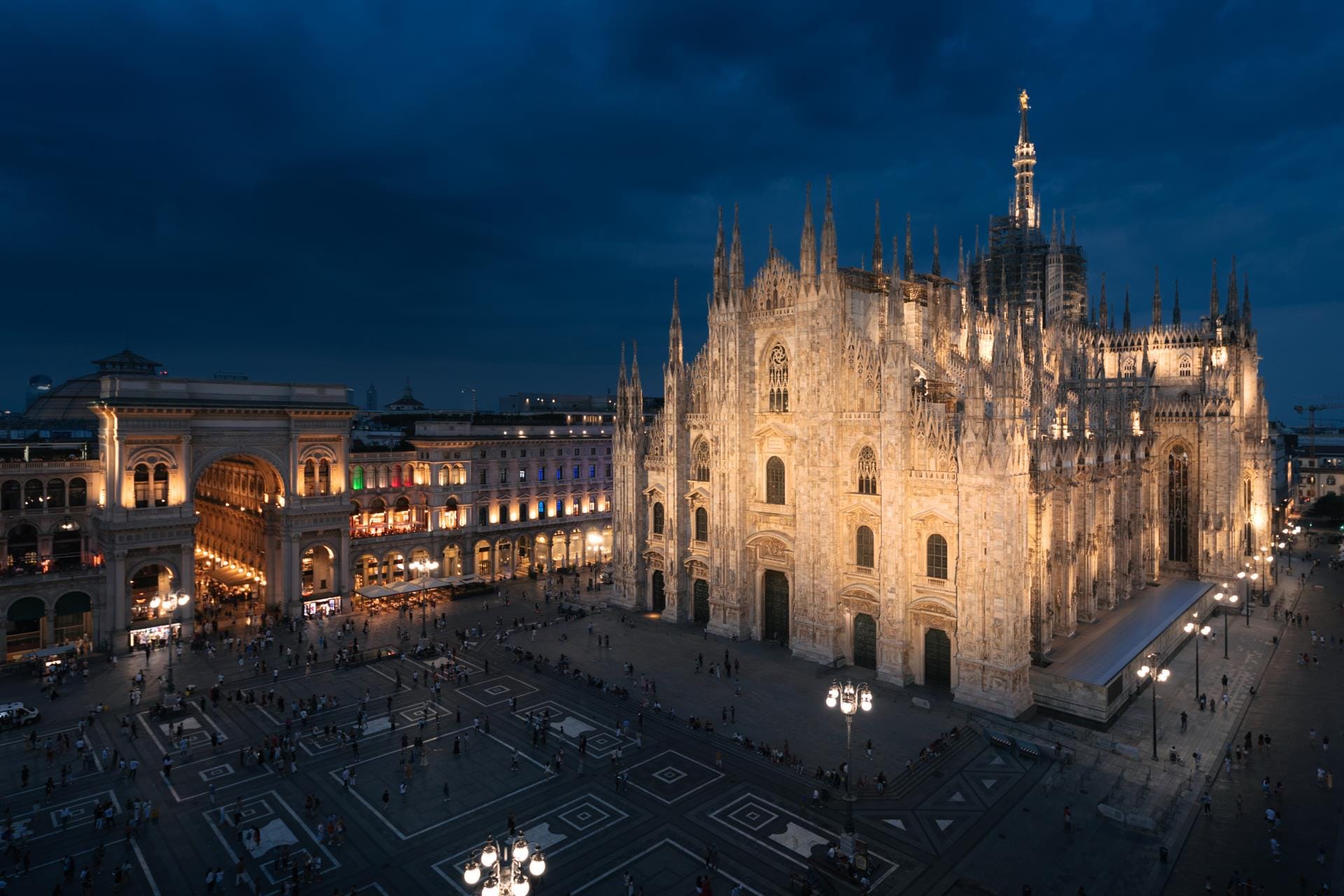
The Duomo di Milano is not merely a cathedral; it is a 600-year-old obsession. Clad in Candoglia marble, which is still quarried specifically for its maintenance, the edifice boasts 3,400 statues and 135 spires. While the interior is vast and meditative, the true Milanese experience is found on the Terraces:
- Architectural audacity: walking among the Gothic pinnacles offers a close-up view of the intricate flying buttresses and the golden Madonnina statue.
- Panoramic vistas: on clear days, the view from the rooftop stretches across the Lombard plain to the snow-capped Alps, providing a breathtaking perspective on the city's scale.
- Insider tip: book "fast track" or sunset tickets to avoid the midday heat and witness the marble turn a delicate pink under the fading light.
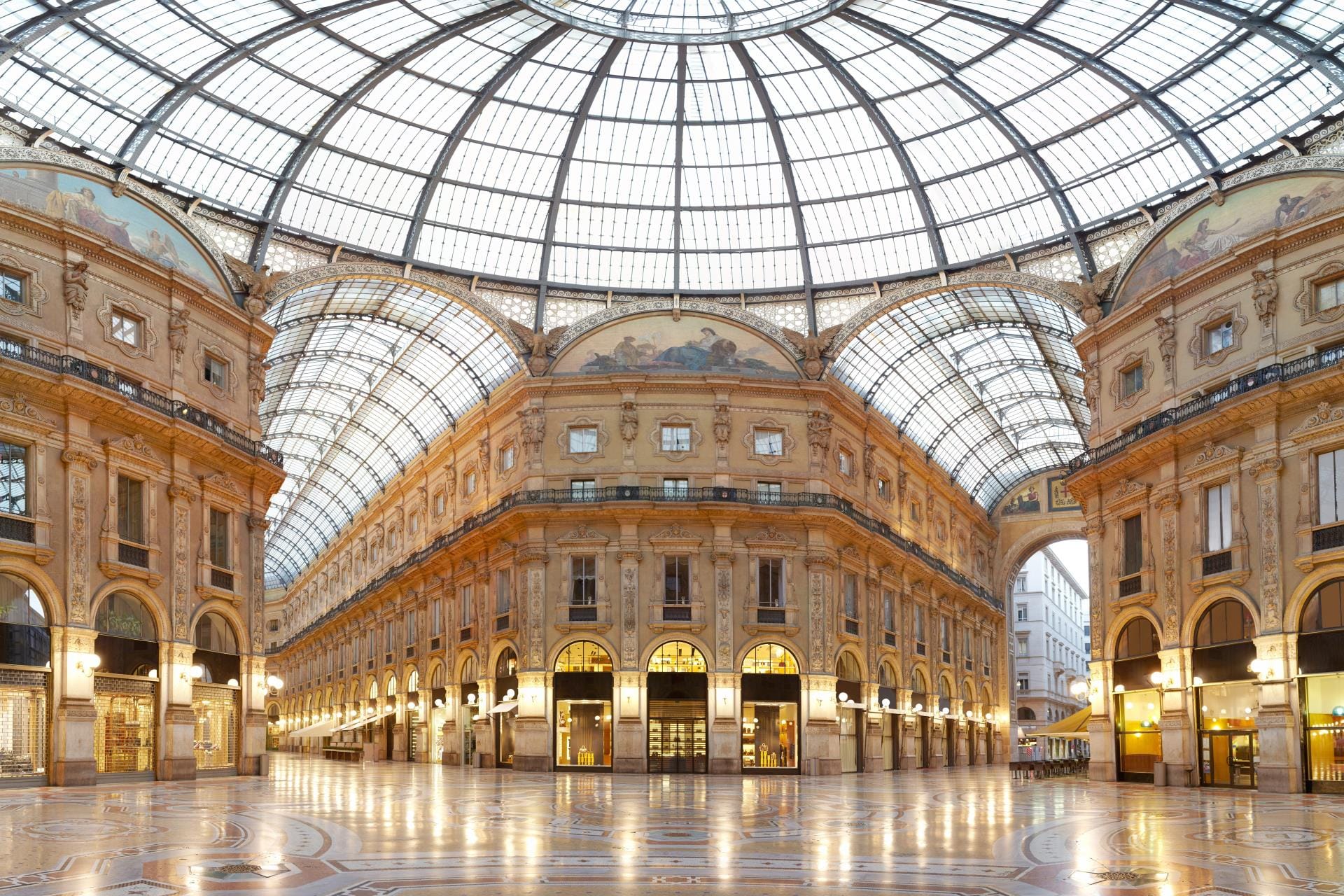
Galleria Vittorio Emanuele II: the world's most elegant arcade
Connecting Piazza del Duomo to Piazza della Scala, this 19th-century iron-and-glass masterpiece is often called il salotto di Milano (Milan’s drawing room). It represents the intersection of neoclassical grandeur and luxury commerce:
- Architectural marvel: the central octagonal dome is a testament to the city's 19th-century industrial ambition.
- Historic establishments: it is home to legendary venues such as Camparino in Galleria and the original Prada flagship store, which opened in 1913.
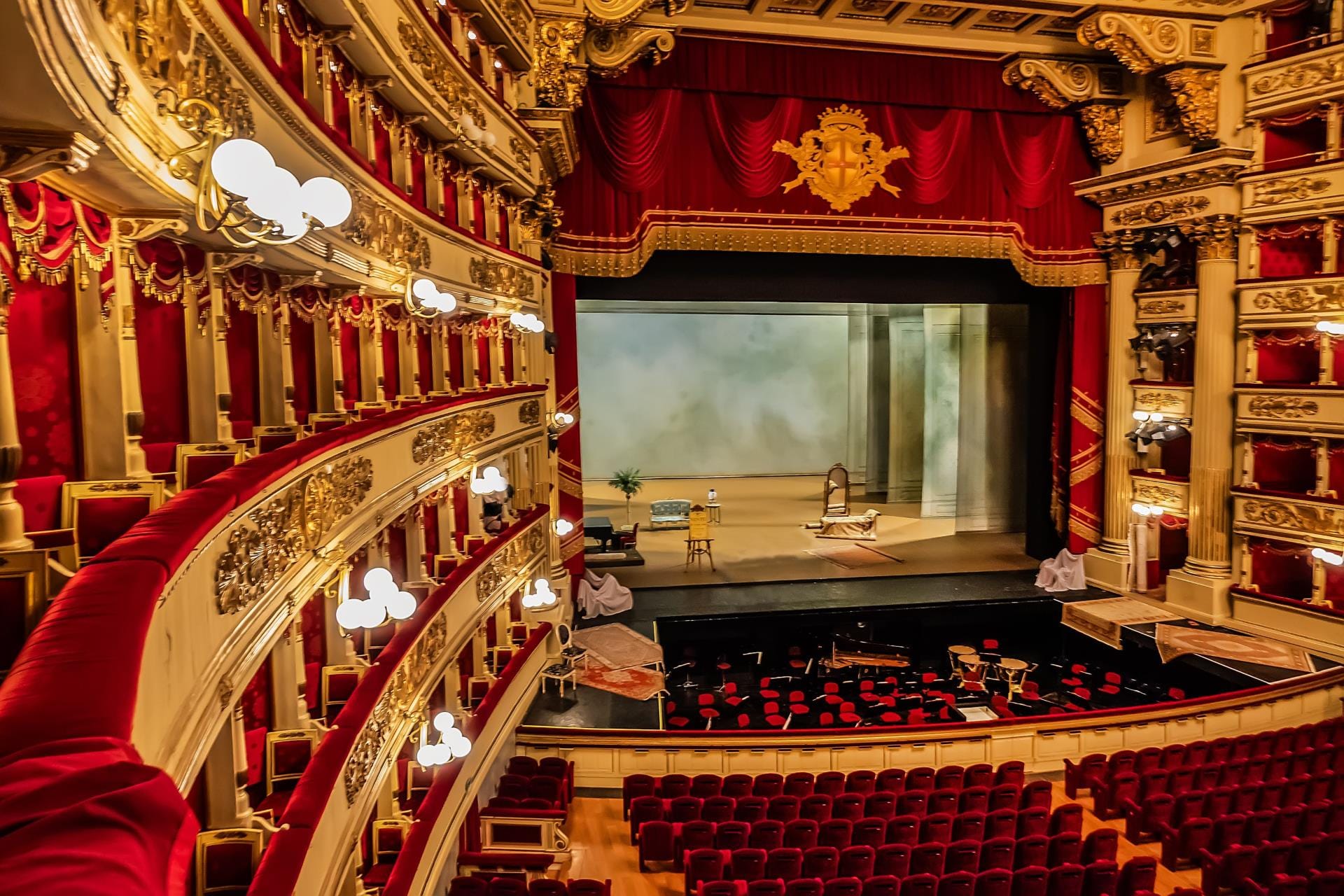
Teatro alla Scala: the temple of opera
Since its inauguration in 1778, La Scala has been the global benchmark for opera and ballet. Its understated neoclassical facade belies an interior of unparalleled opulence:
- The auditorium: for those unable to attend a performance, the adjoining Scala Museum offers access to the historic boxes, providing a glimpse of the magnificent red-and-gold auditorium and the massive crystal chandelier.
- The legacy: it is here that the works of Verdi, Puccini, and Rossini found their greatest triumphs, cementing Milan's role as a capital of European music.
Pinacoteca di Brera: a masterclass in Italian painting
Located in a former Jesuit palazzo, this gallery houses one of Italy’s most significant collections of Renaissance and Baroque art. It is the heart of the artistic Brera district:
- Foundational masterpieces: the collection includes Raphael’s Marriage of the Virgin, Mantegna’s Lamentation over the Dead Christ, and Caravaggio’s Supper at Emmaus.
- Modern expansion: the recent addition of the Palazzo Citterio extension—often referred to as Brera Modern—has solidified the museum’s status by providing a dedicated space for 20th-century Italian masterpieces, including works by Modigliani and Morandi.
- The Braidense library: do not miss a glance at the historic library and the botanical garden located within the same palace complex.
Leonardo da Vinci’s The Last Supper: a Renaissance pilgrimage
Housed in the refectory of Santa Maria delle Grazie, Leonardo’s mural remains the pinnacle of High Renaissance thought. This is arguably the most protected work of art in the world:
- Psychological drama: the painting captures the exact moment Christ reveals his impending betrayal, showcasing Leonardo’s revolutionary use of sfumato and human emotion.
- Booking essential: reservations are mandatory and must be secured months in advance through the official Cenacolo Vinciano portal.
- The experience: access is strictly limited to small groups for 15-minute intervals to maintain the climate-controlled environment necessary for the fresco's preservation.
Castello Sforzesco: the fortress of art
Once the seat of the Dukes of Milan, this vast brick fortress now serves as a multi-museum cultural hub. It is essential for understanding the transition from medieval power to Renaissance refinement:
- Michelangelo’s final work: the castle houses the Pietà Rondanini, a deeply moving, unfinished sculpture that Michelangelo worked on until the final days of his life.
- The Sforza legacy: explore the ducal apartments and the extensive collection of ancient art and musical instruments, all while walking through the defensive walls that once protected the Sforza and Visconti families.
Milan off the beaten path: authentic experiences and hidden gems
For the traveler who seeks authenticity, Milan’s greatest rewards lie away from the main piazzas. The city possesses a "private" soul that only reveals itself to those willing to explore its quiet residential enclaves and unassuming facades. These hidden treasures represent the understated elegance that defines the true Milanese character.
The Quadrilatero del Silenzio and Villa Necchi Campiglio
Just steps from the frantic pace of the fashion district lies the Quadrilatero del Silenzio (the Quadrangle of Silence), an oasis of Stile Liberty (Art Nouveau) and Art Deco architecture. This neighborhood offers a window into the refined world of the Milanese upper class:
- Architectural whimsy: stroll down Via Serbelloni to discover the "Ca' de l'Oreggia" (House of the Ear), featuring a 1920s bronze ear-shaped intercom, or glimpse the unexpected pink flamingos in the gardens of Villa Invernizzi.
- Villa Necchi Campiglio: a 1930s architectural masterpiece designed by Piero Portaluppi. Managed by FAI (the National Trust for Italy), this perfectly preserved villa showcases the innovative lifestyle of the industrial bourgeoisie, complete with a private screening room and one of the city's first heated swimming pools.
San Maurizio al Monastero Maggiore: the Sistine Chapel of the north
Tucked away on Corso Magenta, the unassuming exterior of San Maurizio al Monastero Maggiore hides one of the most breathtaking interiors in Italy. Often referred to as the Sistine Chapel of Milan, this former convent church is a masterclass in Renaissance decoration:
- The Luini frescoes: every inch of the walls and vaulted ceilings is covered in vibrant 16th-century frescoes by Bernardino Luini and his sons.
- The hall of the nuns: the church is divided by a large partition into two sections, including a private hall where the cloistered nuns once listened to the service, creating a unique and evocative historical atmosphere.
Museo d’Arte Fondazione Luigi Rovati: a dialogue across millennia
Located on Corso Venezia, this recently opened foundation is a gem for those who appreciate the intersection of archeology and contemporary design:
- Etruscan treasures: the museum houses an extraordinary collection of Etruscan artifacts, displayed in a subterranean space characterized by stunning stone domes that evoke the atmosphere of ancient tombs.
- Modern juxtapositions: the ancient works are displayed alongside pieces by modern masters like Andy Warhol and Lucio Fontana, illustrating the timeless nature of artistic expression.
The Cimitero Monumentale: an open-air museum of stone
Far from being a macabre destination, the Cimitero Monumentale is one of the world's most impressive displays of 19th and 20th-century sculpture. It is an essential stop for understanding the city's social history:
- The Famedio: the grand entrance hall, or "Temple of Fame," is the final resting place of Milan’s most illustrious citizens, including the writer Alessandro Manzoni.
- Sculptural grandeur: explore the elaborate tombs of families like Campari and Pirelli, which range from neoclassical temples to avant-garde modernist structures, reflecting the city’s evolving artistic tastes and industrial wealth.
Leonardo’s Vineyard and the Casa degli Atellani
Directly across from the church of Santa Maria delle Grazie lies a fragment of history that few tourists discover: Leonardo’s Vineyard (La Vigna di Leonardo):
- A gift of genius: this vineyard was gifted to Leonardo da Vinci by Duke Ludovico Sforza in 1498 while he was working on The Last Supper.
- Botanical restoration: after centuries of neglect, the original DNA of the vines was identified, and the Malvasia di Candia Aromatica grapes have been replanted, offering a quiet, sensory connection to the private life of the Renaissance master.
The history and cultural identity of Milan: a legacy of ambition, art, and industrial vision
Milan’s identity is forged in its dual nature as a strategic crossroads and a laboratory for the future. Unlike many Italian cities that are defined by a single era, Milan is a palimpsest of power and creativity, where each century has left a layer of ambition that continues to drive the city’s restless spirit.
From Mediolanum to the capital of the west
The city’s history begins long before the Renaissance. Founded by Celts and later conquered by the Romans, Mediolanum (meaning "the middle land") became a crucial hub for the Western Roman Empire:
- Imperial prestige: in the 4th century, Milan served as a capital of the Empire. It was here that the Edict of Milan was issued in 313 AD, granting religious freedom and forever changing the course of Western civilization.
- Early christianity: the legacy of this era remains in the Basilica di Sant'Ambrogio, named after the city's patron saint, whose influence established Milan as a center of religious and political thought.
The court of the Visconti and the Sforza
During the Middle Ages and the Renaissance, Milan was one of the wealthiest and most powerful duchies in Europe. Under the rule of the Visconti and Sforza families, the city became a beacon of intellectual and artistic fervor:
- The renaissance laboratory: the Sforza court attracted the greatest minds of the age, most notably Leonardo da Vinci and Donato Bramante. Their presence transformed Milan into a center for engineering, architecture, and art that rivaled Florence.
- The gothic ambition: this period saw the beginning of the Duomo, a project that spanned six centuries and symbolized the city’s collective dedication to a vision far larger than any single generation.
The industrial engine and the economic miracle
Milan’s modern identity is rooted in its role as the industrial heart of Italy. Following the unification of Italy, the city became the primary driver of the country’s modernization:
- The enlightenment influence: in the 18th century, Milan was a focal point of the Italian Enlightenment, fostering a culture of pragmatism, science, and social reform that still defines its work ethic today.
- Post-war resilience: after the devastation of WWII, Milan led the Italian economic miracle. It became the headquarters for the nation’s banking, media, and industrial giants, from Pirelli to Alfa Romeo, cementing its status as the "moral capital" of the country.
Defining "Milaneseità": the spirit of the Lombard capital
To understand the culture of Milan, one must grasp the concept of Milaneseità. This is a unique cultural identity characterized by:
- L'impegno (commitment): a deep-seated value placed on hard work, efficiency, and professional rigor.
- Discreet elegance: a preference for understated luxury—the sobrietà—where wealth is expressed through quality and design rather than ostentation.
- Visionary ambition: a restless desire to innovate. This is visible in the city's modern skyline, from the vertical forest of Porta Nuova to the CityLife district, proving that Milan is a city that is always looking toward the next horizon.
What to eat in Milan: a guide to local culinary philosophy and traditional flavors
To eat in Milan is to understand a culinary philosophy defined by precision, patience, and a historical preference for the rich bounty of the Lombard plains. Unlike the sun-drenched, olive oil-centric traditions of Southern Italy, the Milanese kitchen is one of butter, cream, and slow-braised meats, reflecting its proximity to the Alps and its long-standing ties to the Austro-Hungarian and French empires.
The golden icon: risotto alla milanese
The most recognizable symbol of Milanese gastronomy is risotto alla milanese, a dish defined by its vibrant yellow hue and velvety texture.
- The legend of saffron: tradition traces the dish back to 1574, when an apprentice glazier working on the Duomo’s stained-glass windows added saffron to the wedding banquet’s rice to mimic the golden glass he was creating.
- The secret of the bone marrow: the authentic recipe requires Carnaroli or Arborio rice and the inclusion of beef bone marrow (midollo), which provides a depth of flavor that saffron alone cannot achieve. It must be served all’onda (wavy), meaning it should move slightly when the plate is shaken.
Cotoletta alla milanese: a masterclass in texture
Often confused with the Austrian Wiener schnitzel, the cotoletta alla milanese is a matter of immense civic pride.
- The bone-in tradition: the authentic cotoletta is a thick veal cutlet, breaded and fried exclusively in clarified butter. Crucially, it must be served with the rib bone attached (a costoletta).
- The culinary debate: while the Austrians claim the origin, Milanese historians point to a 1148 document describing a lumbolos cum panitio (loins with breadcrumbs) served to the monks of Sant'Ambrogio, predating the Austrian empire by centuries.
Ossobuco and gremolata: the soul of the winter kitchen
No dish represents the city’s love for slow, meticulous cooking better than ossobuco.
- The cut: the name literally translates to "bone with a hole," referring to the cross-cut veal shank.
- The finishing touch: the meat is braised until it yields to a fork and is traditionally finished with gremolata—a fresh, aromatic mixture of lemon zest, garlic, and parsley that cuts through the richness of the veal. It is almost always served atop a bed of saffron risotto.
Mondeghili: the recovery of flavor
A true hidden gem of the local tradition is mondeghili, the traditional Milanese meatballs.
- A waste-not philosophy: originally a "recovery dish" designed to use leftover boiled beef, these meatballs are seasoned with mortadella, sausage, and a hint of nutmeg, then breaded and fried in butter.
- Spanish roots: the name reveals the city’s layered history, derived from the Spanish albondigas, a linguistic relic of the era of Spanish rule in Milan.
The ritual of the milanese aperitivo
The aperitivo is more than a pre-dinner drink; it is a vital social institution that defines the city's modern rhythm.
- The birthplace of campari: Milan is the spiritual home of the Campari bitter. The ritual traditionally involves a Negroni Sbagliato (made with sparkling wine instead of gin, accidentally invented at Bar Basso) or a classic Milano-Torino.
- Sophisticated grazing: unlike the buffet-style offerings of the past, the contemporary Milanese aperitivo focuses on high-quality small plates—olives, focaccia, and artisanal cheeses—designed to stimulate the appetite rather than replace dinner.
Panettone: the quintessential Milanese sweet
While now a global Christmas staple, Panettone remains deeply rooted in the artisan bakeries of Milan.
- Artisan rigor: an authentic Milanese Panettone requires over 36 hours of natural leavening. It is a tall, dome-shaped cake studded with high-quality candied citrus and raisins.
- Year-round tradition: while traditionally associated with December, historic pasticcerie like Marchesi 1824 and Cova now offer versions that allow the traveler to experience this airy masterpiece at any time.
FAQ about visiting Milan
Navigating a sophisticated metropolis like Milan often involves nuances that are not immediately apparent. These frequently asked questions address the specific logistical and cultural concerns of the discerning independent traveler.
Is the "Milan Pass" truly worth the investment for a three-day trip?
The value of a city pass depends entirely on your pace. For the independent traveler who intends to visit the Duomo, La Scala Museum, and at least two civic museums (like the Sforza Castle or Pinacoteca di Brera) within a 72-hour window, the pass offers significant savings and logistical convenience. However, if your itinerary focuses on "slow travel"—wandering the Brera streets or spending a full afternoon at the Fondazione Prada—it is often more cost-effective and flexible to book individual, timed-entry tickets through official portals.
How can I secure tickets to a performance at La Scala if the season is sold out?
Teatro alla Scala is notoriously difficult to book, but options exist for the persistent traveler:
- the evening box office: a limited number of "gallery" (loggione) tickets are often released a few hours before the performance at the central box office. These offer a partial view but the same world-class acoustics.
- official resale: always check the theater's official website for last-minute returns. Avoid third-party "ticket scalper" sites, as La Scala has strict nominal ticket policies that may prevent entry if the name on the ticket does not match your identification.
What are the "Area C" driving restrictions and do they affect me?
If you are arriving by car, you must be aware of Area C, Milan's congestion charge zone which covers the historic center (Cerchia dei Bastioni).
- the entry fee: most vehicles must pay a daily access fee (currently around 7.50 euros) to enter between 7:30 and 19:30 on weekdays.
- the recommendation: unless your hotel provides a private garage and handles the registration of your license plate, it is highly recommended to leave your vehicle in a secure perimeter parking lot (such as at Lampugnano or Famagosta) and utilize the superior M4 or M1 metro lines to reach the center.
Are there specific days when museums in Milan offer free admission?
Like much of Italy, many state-run museums in Milan participate in the "Domenica al Museo" initiative, offering free entry on the first Sunday of every month. This includes sites like the Pinacoteca di Brera and the Cenacolo Vinciano. However, be aware that these days attract significant crowds; for a "refined gaze" and a quiet experience, it is far better to pay for a mid-week booking. Additionally, many civic museums offer free entry during the last hour of Tuesday afternoons or after 14:00 on the first and third Tuesday of the month.
Is it necessary to tip at high-end restaurants in the city?
Tipping in Milan is a gesture of appreciation rather than an obligation. Most restaurant bills include a coperto (cover charge), which covers bread and table service.
- the professional standard: in high-end dining establishments or the luxury hotels of the Quadrilatero della Moda, a tip of 5% to 10% is considered a sign of a sophisticated and satisfied guest.
- the process: unlike in the United States, tips are generally left in cash on the table rather than added to a credit card slip.
Practical resources for the traveler
To navigate Milan with the precision of a local, one must leverage the city’s advanced digital infrastructure. The following resources are the official and most reliable channels for planning, transport, and safety during your 2026 sojourn.
Official digital portals for planning and inspiration
- YesMilano: this is the definitive official tourism portal for the city. It provides updated event calendars, detailed neighborhood maps, and information on the latest museum exhibitions and the Milano Cortina 2026 legacy projects.
- Museo del Cenacolo Vinciano: the only official channel to book tickets for Leonardo’s The Last Supper. Note that for 2026, reservations open quarterly and sell out within minutes of release.
Navigation and transport tools
- ATM Milano official app: essential for managing urban travel, this app allows you to purchase digital subscriptions, check real-time waiting times for trams and buses, and plan routes using the new M4 (Blue Line) metro.
- App Store for iOS devices, click here
- Google Play Store for Android devices, click here
- We recommend the YesMilano City Pass, a digital pass that is ideal for exploring various museums and tourist attractions and traveling on public transportation.
- Contactless pay as you go: the entire ATM network (metro, tram, and bus) is equipped for contactless payment. Simply tap your device or credit card at the gates; the system automatically calculates the best fare for your journeys within the Mi1-Mi3 zones.
- Trenitalia and Italo: for high-speed connections to Florence, Rome, or Venice, utilize the official Trenitalia website (for the Frecciarossa fleet) and Italo websites. Booking at least three weeks in advance is recommended to secure "Prima" or "Club Executive" seating at optimal rates.
Essential contacts and safety information
- Emergency services (112): the universal European emergency number for police, ambulance, or fire services. Operators are generally multilingual and can coordinate rapid responses.
- Consular services: most international consulates are located within the historic center, particularly in the areas surrounding Piazza Repubblica and Via Turati.
Embracing the understated elegance of the Lombard capital
Milan is a city that defies the traditional Italian stereotype of a "living museum." It is a dynamic, multi-layered metropolis where understated elegance and visionary ambition coexist in a delicate, sophisticated balance. To visit Milan is to participate in a conversation between the past and the future—a place where the shadows of Leonardo da Vinci and the Sforza Dukes provide the foundations for a city that remains the undisputed capital of global design and style.
For the traveler, the true essence of Milan is found not just in its iconic Gothic spires, but in the quiet intensity of its hidden courtyards, the rigor of its culinary traditions, and the relentless drive of its people. It is a city that rewards the patient observer, offering a unique brand of beauty and substance that lingers long after the journey has ended.
Guide to Italy is more than an editorial project—it’s a curated solution for travelers who demand depth, private access, and expert-led storytelling. Elevate your journey and make Italy yours.


