In the Italian cultural calendar, the period between December 24th and January 6th represents a sacred suspension of time—a "liminal" space where the sacred and the profane intertwine. While much of the Western world concludes its holiday festivities on New Year’s Day, Italy holds its breath for one final, spectacular crescendo: l'Epifania.
As the popular Italian proverb dictates, l’Epifania tutte le feste porta via (the Epiphany carries away all the holidays). Far from being a mere postscript to Christmas, January 6th is a national holiday and a cornerstone of Italian identity, blending rigorous Catholic liturgy with ancestral pagan rites that date back to Roman times. For the discerning traveler, understanding the traditions of the Epiphany is the key to unlocking the true soul of an Italian winter.
- History and origins: religious significance and pagan roots of the Epiphany
- The legend of la Befana: Italy’s traditional "Christmas witch"
- The grand stage: Epiphany festivities in Italy’s major art cities
- Authentic Epiphany celebrations: hidden gems in Italy’s historic borghi
- The epiphany table: traditional foods and regional desserts
- Practical travel tips for visiting Italy during the Epiphany
- Why the Epiphany is essential for understanding Italian culture
History and origins: religious significance and pagan roots of the Epiphany
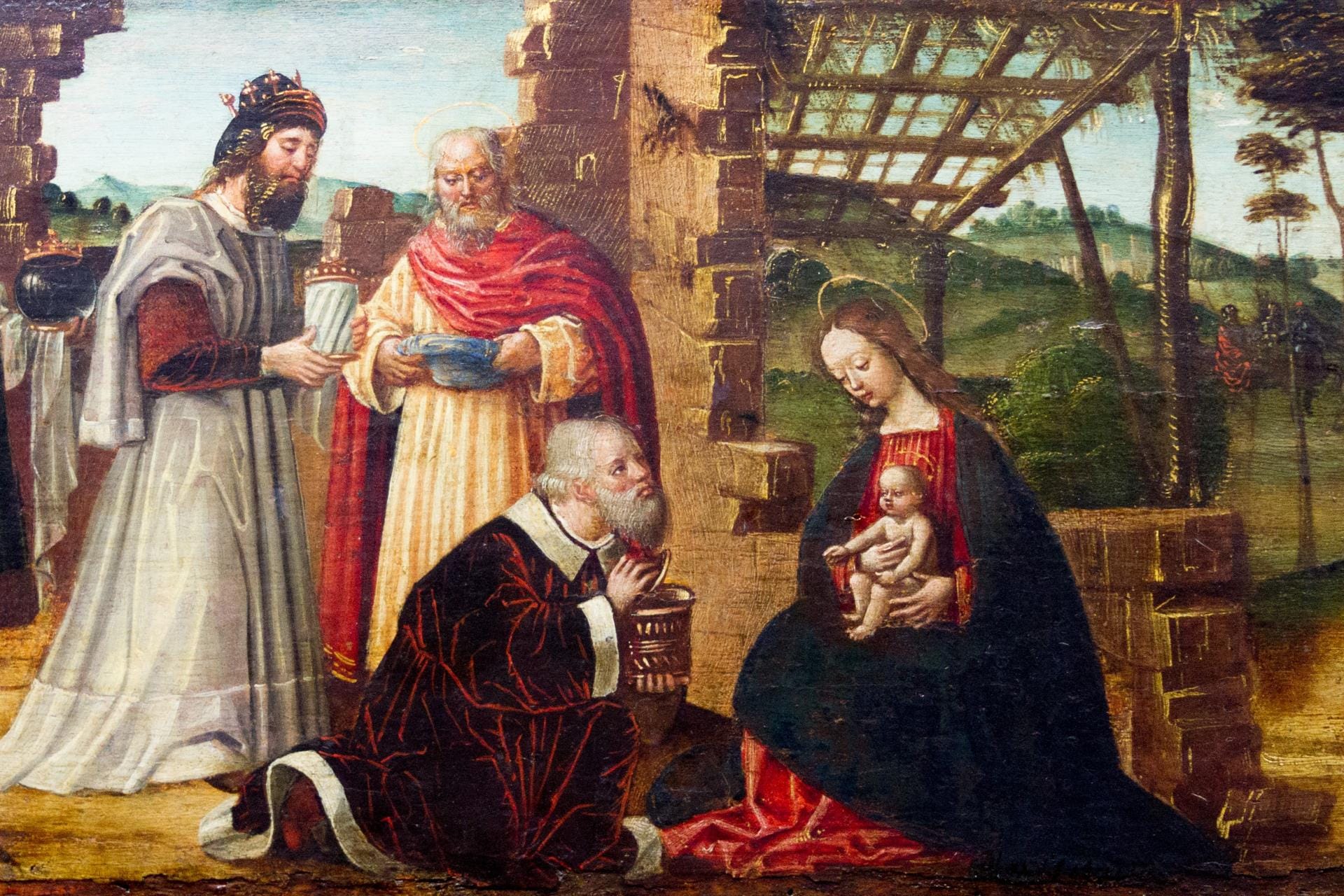
The word "Epiphany" derives from the Greek epiphaneia, meaning "manifestation" or "appearance." In the Christian tradition, this feast commemorates the Adoration of the Magi—the moment the infant Jesus was revealed to the Gentiles, represented by the Three Kings: Melchior, Caspar, and Balthazar. This theological "showing" marks the inclusion of the entire world in the message of the Nativity.
However, beneath the veneer of Christian theology lies a much older, agricultural stratum. To understand why an elderly woman on a broomstick delivers sweets to children, one must look to the Roman roots of the winter solstice:
- The transition from the old year to the new.
- The symbolic purification of the land.
- The ritual of gift-giving to ensure a prosperous harvest.
The Roman legacy: Strenua and the rebirth of nature
Ancient Romans celebrated the period following the winter solstice to honor Strenua, the goddess of strength and endurance, from whose name the Italian word for New Year's gifts, strenne, is derived.
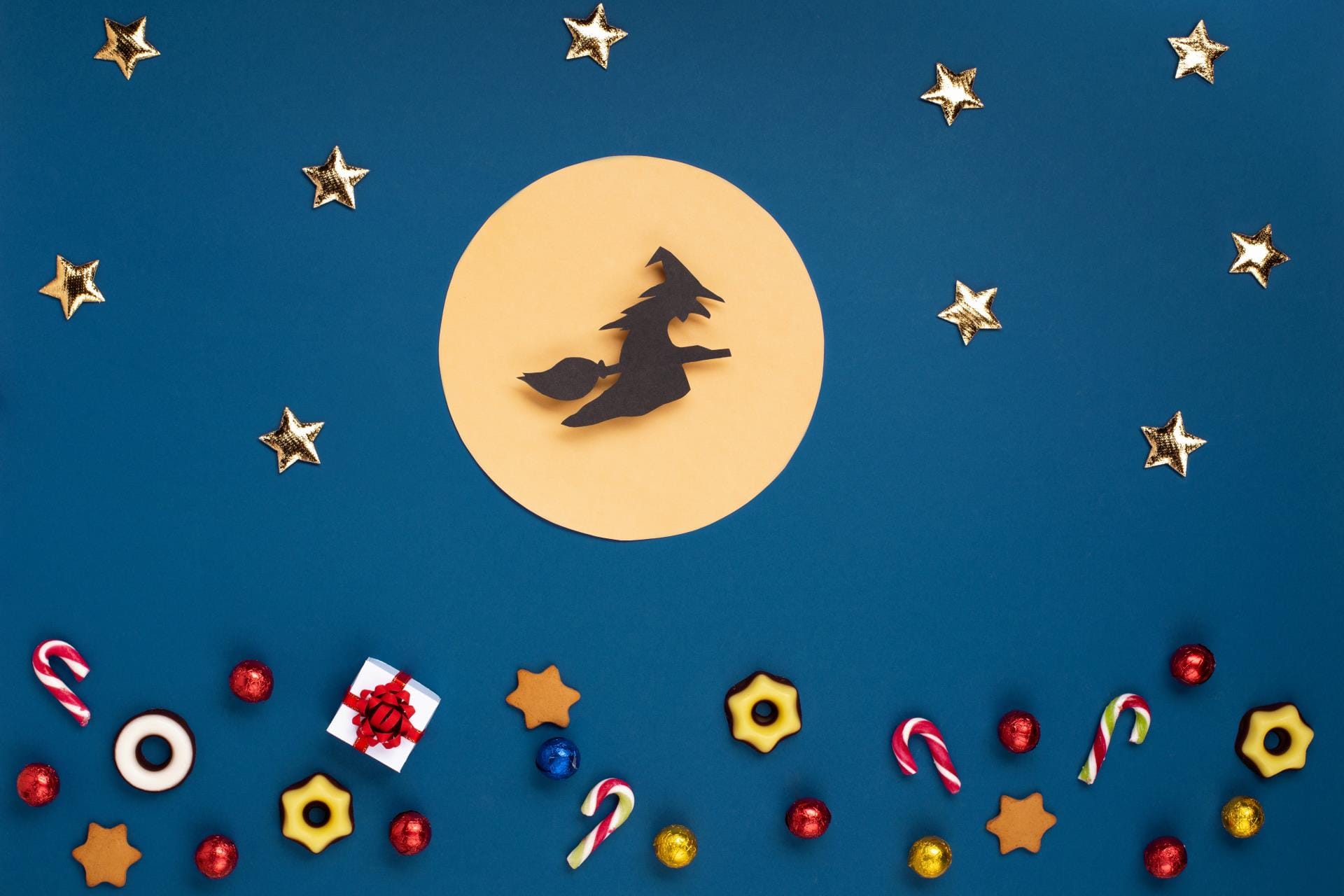
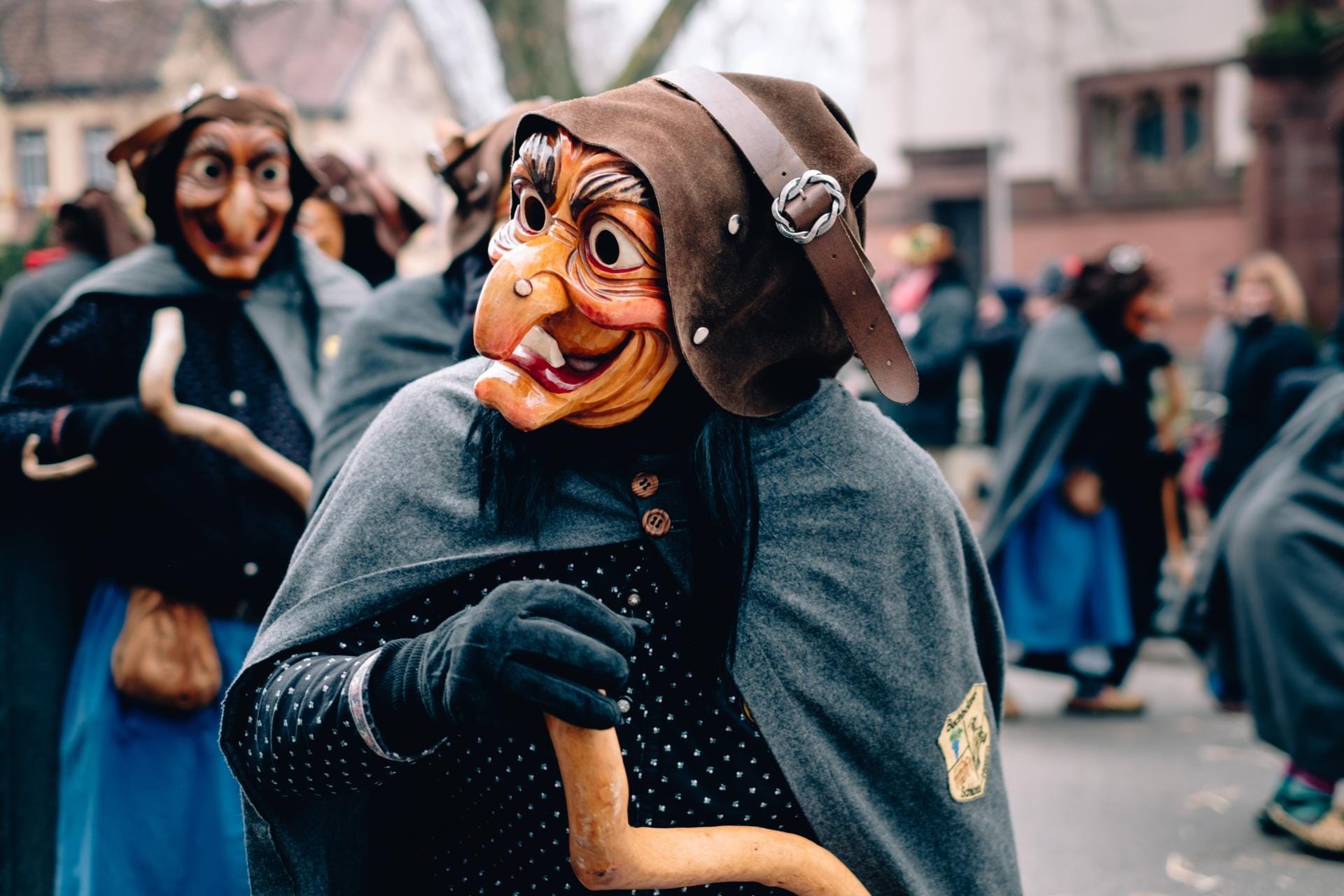
During these twelve nights—representing the twelve months of the year—it was believed that female figures flew over the freshly sown fields to bless the future harvest. Over centuries, these figures merged with the figure of the Goddess Diana or the minor deity Sati, eventually morphing into the folkloric character known today as La Befana. Her "ugly" appearance—the hooked nose, the tattered clothes, and the soot-stained face—is not a sign of malice but a representation of the "Old Year" that must be consumed or cast away to make room for the new. She is the personification of time passing, a benevolent crone who purifies the earth for the coming spring.
The legend of la Befana: Italy’s traditional "Christmas witch"
If Santa Claus is the benevolent father of the North, La Befana is the grandmother of the Mediterranean. According to Italian folklore, the Three Kings stopped at her cottage to ask for directions to Bethlehem. They invited her to join them, but she declined, citing her domestic chores. After they left, she felt a pang of regret and set out with a basket of sweets to find the Holy Child.
She never found him, and so, every year on the eve of January 5th, she visits the homes of all children across Italy, leaving gifts in the hope that one of them might be the child she seeks.
Traditional symbols and rituals of the Epiphany night
The celebration of the Epiphany is defined by specific rituals that turn every Italian household into a place of magic. For the traveler, recognizing these symbols is essential to understanding the local atmosphere:
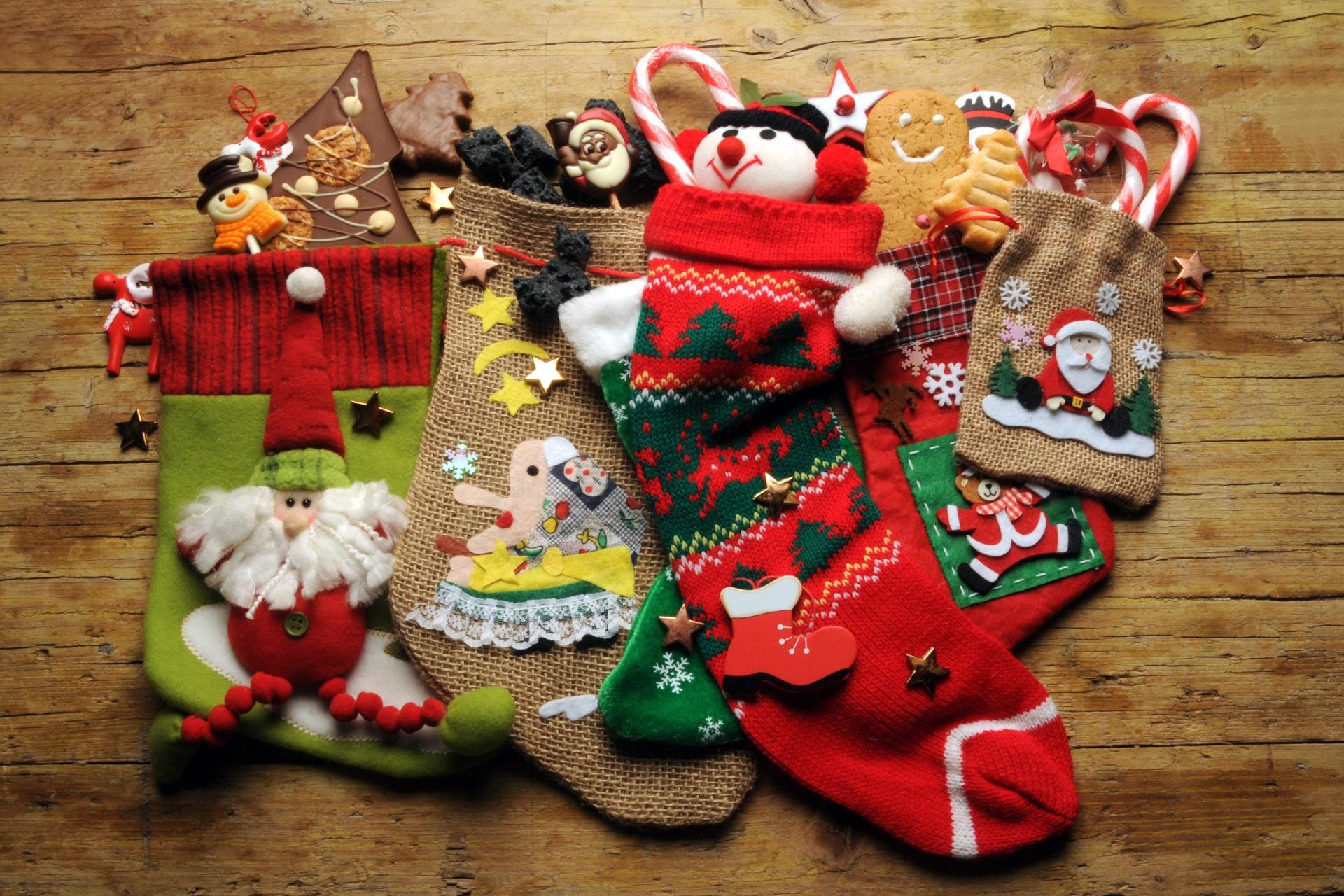
- The stocking: traditionally, children hang stockings (le calze) by the fireplace or window on the night of January 5th.
- Coal vs. sweets: well-behaved children receive caramelle (candies), chocolates, and small toys. Those who have been "naughty" receive a lump of coal (carbone). Modern Italian pastry shops sell "sweet coal"—a brittle, black sugar confection that allows even the mischievous to enjoy a treat.
- The broom: unlike the witches of Halloween who fly for malevolence, La Befana’s broom is a tool of purification. She is said to sweep the floors of the houses she visits, symbolically sweeping away the problems and "dust" of the previous year.
The grand stage: Epiphany festivities in Italy’s major art cities
In the major art cities, the Epiphany is celebrated with a grandeur that emphasizes historical continuity and artistic heritage. These events are not merely for tourists; they are deep-seated traditions that the local population cherishes. For those planning a visit, these celebrations offer a profound window into the Italian identity.
Florence: the Cavalcade of the Magi
In the cradle of the Renaissance, the Epiphany is celebrated with a breathtaking historical reenactment: la Cavalcata dei Magi. This tradition dates back to the 15th century when the "Compagnia de' Magi" (to which the Medici family belonged) organized a lavish procession.
Today, the event is a cornerstone of Florence’s cultural calendar:
- Participants: over 700 figures dressed in sumptuous silk and velvet Renaissance costumes.
- The route: the procession winds from Palazzo Pitti, crosses the Ponte Vecchio, and culminates in Piazza del Duomo.
- The ceremony: the Magi offer their gifts of gold, frankincense, and myrrh to the living nativity scene (presepe vivente).
- Website: www.cultura.comune.fi.it
For the cultural traveler, this is a rare opportunity to see the Florence of Lorenzo the Magnificent come to life, mirroring the famous frescoes by Benozzo Gozzoli in the Medici Riccardi Palace.
Venice: Regata delle Befane
Venice offers a characteristically aquatic interpretation of the holiday. The Regata delle Befane is a unique rowing competition held on the Grand Canal, blending athleticism with Venetian folklore.
Key elements of this Venetian tradition include:
- The racers: members of the Bucintoro rowing club, dressed as the "old crone," race their mascarete (traditional boats).
- The finish line: competitors head toward the iconic Rialto Bridge.
- The giant stocking: a massive decorative stocking is hung from the bridge itself, creating a striking visual contrast against the backdrop of Venetian Gothic architecture.
It is a spectacle of humor and tradition, perfectly suited to the city’s eccentric and historic spirit.
Rome: the Epiphany at Piazza Navona
The historic Christmas market of Piazza Navona reaches its peak on the night of January 5th. Historically, this was the heart of the Roman Epiphany, where families would buy terra cotta figurines for their nativity scenes and traditional toys.
While the market has evolved, it remains a quintessential Roman experience:
- The setting: the square is framed by Bernini’s fountains and illuminated by the glow of stalls selling torrone and roasted chestnuts.
- The tradition: on the morning of January 6th, a figure representing la Befana often makes a theatrical appearance, descending into the square.
- The atmosphere: the event celebrates the transition from the holidays to the new year amidst the Baroque splendor of the city center.
Authentic Epiphany celebrations: hidden gems in Italy’s historic borghi
While the major cities provide grandiosity, the true "heartbeat" of the Epiphany is often found in Italy’s smaller borghi. These locations preserve ancient rituals that reflect local history, identity, and the rugged beauty of the Italian landscape. For the independent traveler, these villages offer a deeply authentic experience away from mainstream crowds.
Bellano (Lombardy): the Pesa Vegia
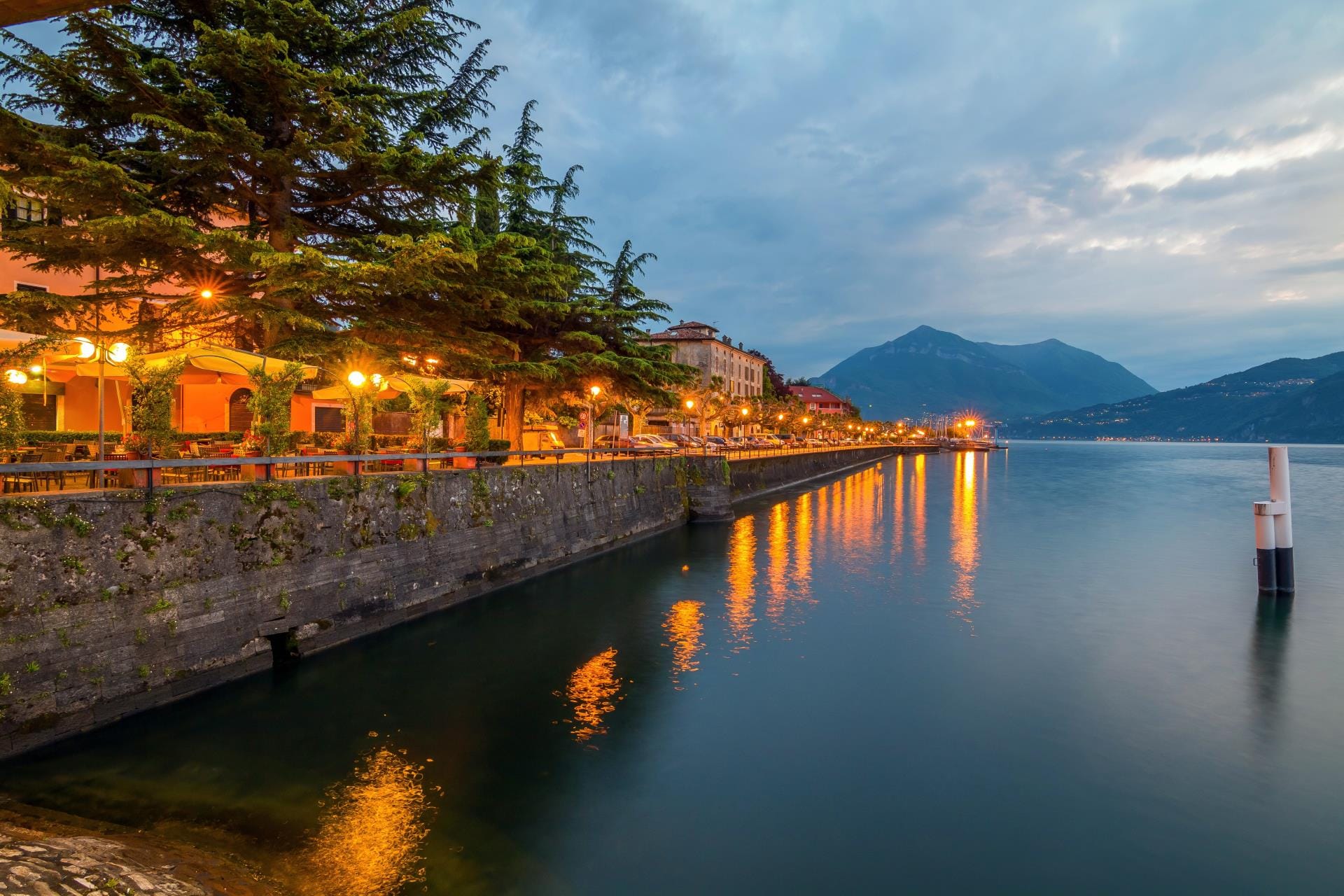
On the eastern shores of Lake Como, the village of Bellano hosts one of Northern Italy’s most evocative Epiphany events: the Pesa Vegia (the old weight). This tradition dates back nearly 400 years to the era of Spanish rule:
- The history: in 1606, the local population successfully petitioned the Governor of Milan to reinstate the "old weights" and measures for commerce.
- The celebration: every January 5th, the village is transformed into a 17th-century theater with hundreds of locals in period costumes.
- The atmosphere: the air is thick with the scent of woodsmoke and mulled wine as the community reenacts the arrival of the Governor’s decree.
The event culminates in a dramatic procession of the Three Kings and a public reading of the decree from the town hall balcony, celebrating a unique moment of community resilience.
Faedo (Trentino): the Canti della Stella
In the Alpine village of Faedo, the Epiphany is a solemn and choral affair known as the Canti della Stella (songs of the star). This tradition, common across the Germanic-influenced regions of the Italian Alps, features a procession led by a large, rotating, illuminated wooden star.
Local singers, dressed as the Magi and their entourage, move through narrow medieval alleys singing ancient hymns. The combination of the cold mountain air, the glow of torches against stone walls, and the echoes of polyphonic singing creates a spiritual intensity that offers an intimate glimpse into the religious devotion of the North.
Piana degli Albanesi (Sicily): the Byzantine Theophany
For a completely different cultural perspective, travelers should visit Piana degli Albanesi near Palermo. Here, the Arbëreshë community (Italo-Albanian) celebrates the Theophany according to the Byzantine Rite:
- The blessing of the waters: the Bishop plunges a wooden cross into a fountain three times; on the third time, a white dove is released to symbolize the Holy Spirit.
- Traditional attire: the women of the village wear world-famous 15th-century costumes made of silk and gold thread, featuring intricate silver buckles (brezi).
This is widely considered one of the most visually stunning and culturally unique celebrations in the entire Mediterranean basin.
Barga (Tuscany): the home of the Befana
Nestled in the Garfagnana mountains, in the village of Pegnana (a hamlet in the municipality of Barga) officially recognizes la Befana as a (secret) permanent resident. This celebration is deeply rooted in Tuscan rural hospitality:
- The visit: on the afternoon of January 5th, children visit the "official residence" of the Befana in the woods of Pegnana.
- The Befanotti: groups of singers dressed in traditional capes and hats go door-to-door, singing folkloric songs in exchange for food and wine.
It is a raw, joyous event that showcases the folkloric depth of Tuscany and the enduring power of local oral traditions.
Urbania (Le Marche): the national Befana festival
Though technically the "capital" of the holiday, Urbania maintains the feel of a small borgo. The town claims the title of the "Home of La Befana" and hosts an extensive National Befana Festival:
- The descent: acrobatic "Befanas" rappel down from the 36-meter-high bell tower of the Palazzo Ducale, throwing sweets to the crowds.
- The town decorations: the streets are adorned with thousands of hand-crafted stockings.
- The house of the Befana: visitors can explore the legend’s domestic side in a dedicated museum open year-round.
The Epiphany table: traditional foods and regional desserts
In Italy, every holiday is defined by its flavors. The Epiphany marks the final feast before the austerity of winter sets in, and the dishes prepared for January 6th are designed to be rustic, symbolic, and deeply satisfying. Understanding these flavors is essential for any traveler looking to experience an authentic Italian holiday.
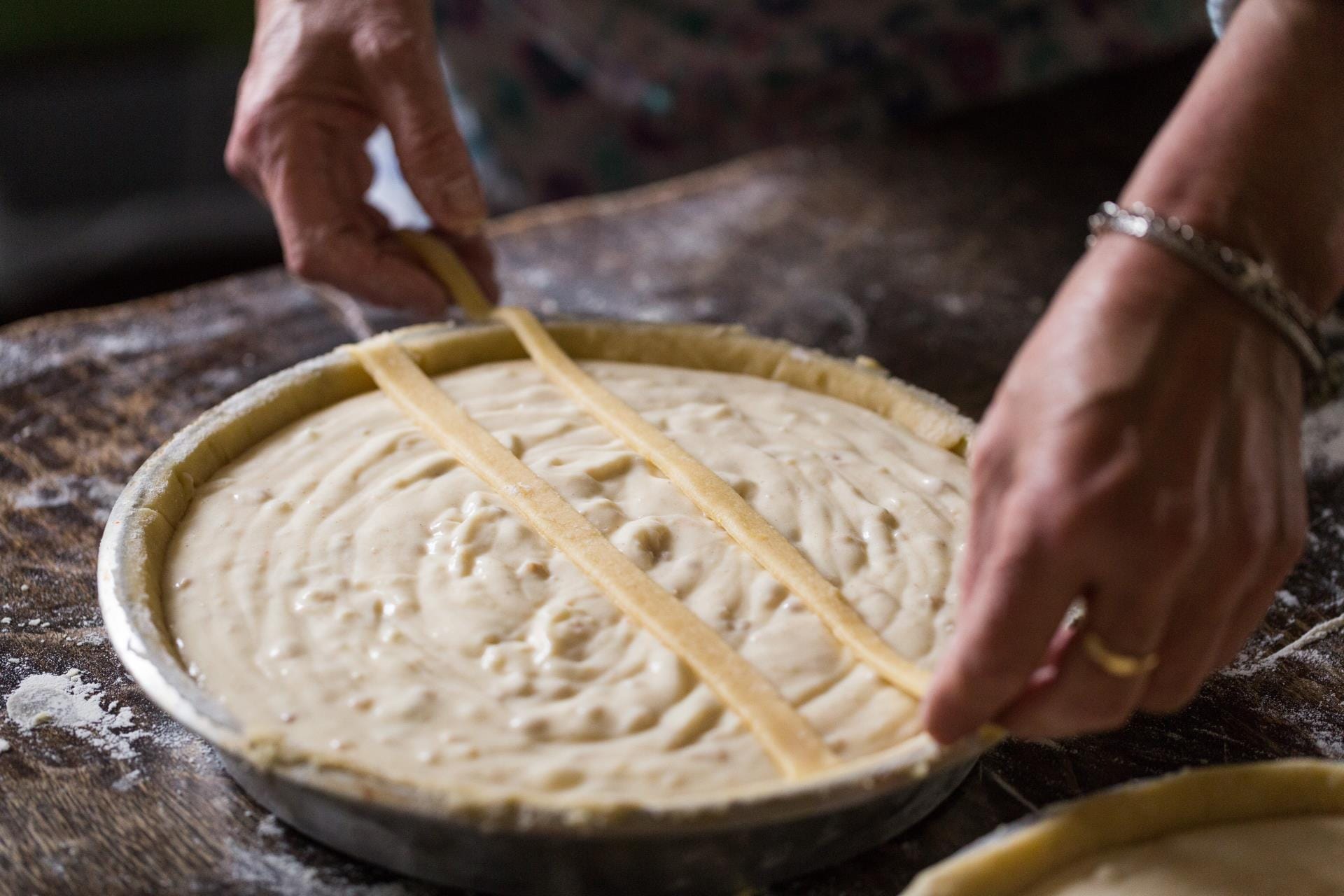
- Piedmont: focaccia della Befana. The centerpiece of the Piedmontese table is the focaccia della Befana. This is not the savory bread one might expect, but a sweet, brioche-like dough, often shaped like a daisy. Hidden within the dough are two dried beans: one white and one black. According to tradition, whoever finds the white bean becomes the "king" of the feast, while the one who finds the black bean is the "queen." Beyond the title, the "royals" are traditionally tasked with paying for the wine of the gathering.
- Veneto and Friuli: pinza de la Befana. In the Northeast, the tradition revolves around the pinza de la Befana. This is a dense, rustic cake made from a mixture of white and corn flour. It is enriched with grappa, raisins, dried figs, orange zest, and fennel seeds. Historically, it was cooked under the embers of the panevin (large communal bonfires) on the night of January 5th. The complexity of its flavors—sweet, herbal, and boozy—reflects the agrarian history of the region.
- Tuscany: befanini cookies. Particularly in the areas of Lucca and Viareggio, one finds befanini. These are fragrant shortbread cookies infused with citrus zest and often a splash of rum or anise liqueur. They are easily recognizable by their colorful sugar sprinkles and whimsical shapes, such as stars, hearts, and animals. These cookies were traditionally prepared in large batches to fill the stockings of local children.
- Marche: Bruttini (literally "the ugly ones"). These are almond or hazelnut-based cookies that are intentionally irregular and craggy in shape, a culinary homage to the unrefined and weathered appearance of La Befana herself. Despite their appearance, they are exceptionally delicate and flavorful, often enjoyed with a glass of local Vin Santo.
- Campania and the South: pastiera and struffoli. The Epiphany table in the South often features the pastiera Napoletana and struffoli. While these are staples of the entire Christmas period, they are consumed with a particular sense of finality on January 6th:
- Pastiera: a rich tart made with cooked wheat, ricotta, and orange flower water.
- Struffoli: small spheres of fried dough coated in honey and nonpareils, symbolizing abundance and sweetness for the coming year.
Practical travel tips for visiting Italy during the Epiphany
Navigating Italy during the Epiphany requires an understanding of the local rhythm. For the traveler, these details ensure a seamless and authentic experience. Being prepared for holiday closures and seasonal shifts is the hallmark of a savvy visitor.
Logistics and national holiday closures
January 6th is a national holiday (giorno festivo) in Italy. This status significantly impacts services across the country:
- Public offices and shops: most government offices, banks, and smaller boutiques will be closed. However, in major cities like Milan, Rome, and Florence, many flagship stores remain open, as this date often coincides with the start of i saldi (the winter sales).
- Transportation: public transport follows the "festivo" schedule, which is less frequent than the standard weekday service. It is advisable to book high-speed trains (Frecciarossa or Italo) well in advance, as many Italians travel home on this day.
- Museums and sites: while major cultural sites like the Uffizi or the Colosseum usually remain open, always verify specific holiday hours on the official institutional websites.
The winter sales: i saldi
The Epiphany is the unofficial starting gun for the winter sales season in Italy. This is a highly anticipated event where high-end Italian brands offer significant discounts:
- The timing: sales typically begin just before or on January 6, depending on the region.
- The opportunity: for the style-conscious traveler, this is the ideal time to acquire Italian leather, bespoke tailoring, and luxury knitwear at a fraction of their original price.
Weather and what to pack: i giorni della merla
Late December and early January are often the coldest weeks in the peninsula. This period leads up to the "days of the blackbird" (i giorni della merla), traditionally considered the coldest days of the year (January 29-31):
- The climate: travelers should prepare for crisp, damp cold, especially in the Northern regions and in the mountainous borghi.
- The wardrobe: elegant layering with wool or cashmere is the standard "local" approach to staying warm while maintaining a sophisticated silhouette. A sturdy umbrella and waterproof footwear are essential for navigating cobblestone streets in winter.
Social etiquette and holiday greetings
If you are invited to an Italian home for an Epiphany lunch, following local customs will enhance your cultural integration:
- Gift-giving: bringing a high-quality panettone or a tray of pasticceria secca (dry pastries) is a welcomed gesture.
- Holiday greetings: january 6th is the final day to exchange the greeting "Buone Feste" (happy holidays). After the Epiphany, the greeting shifts to a simple "Buon Anno" (happy new year) or the standard "Buongiorno."
Why the Epiphany is essential for understanding Italian culture
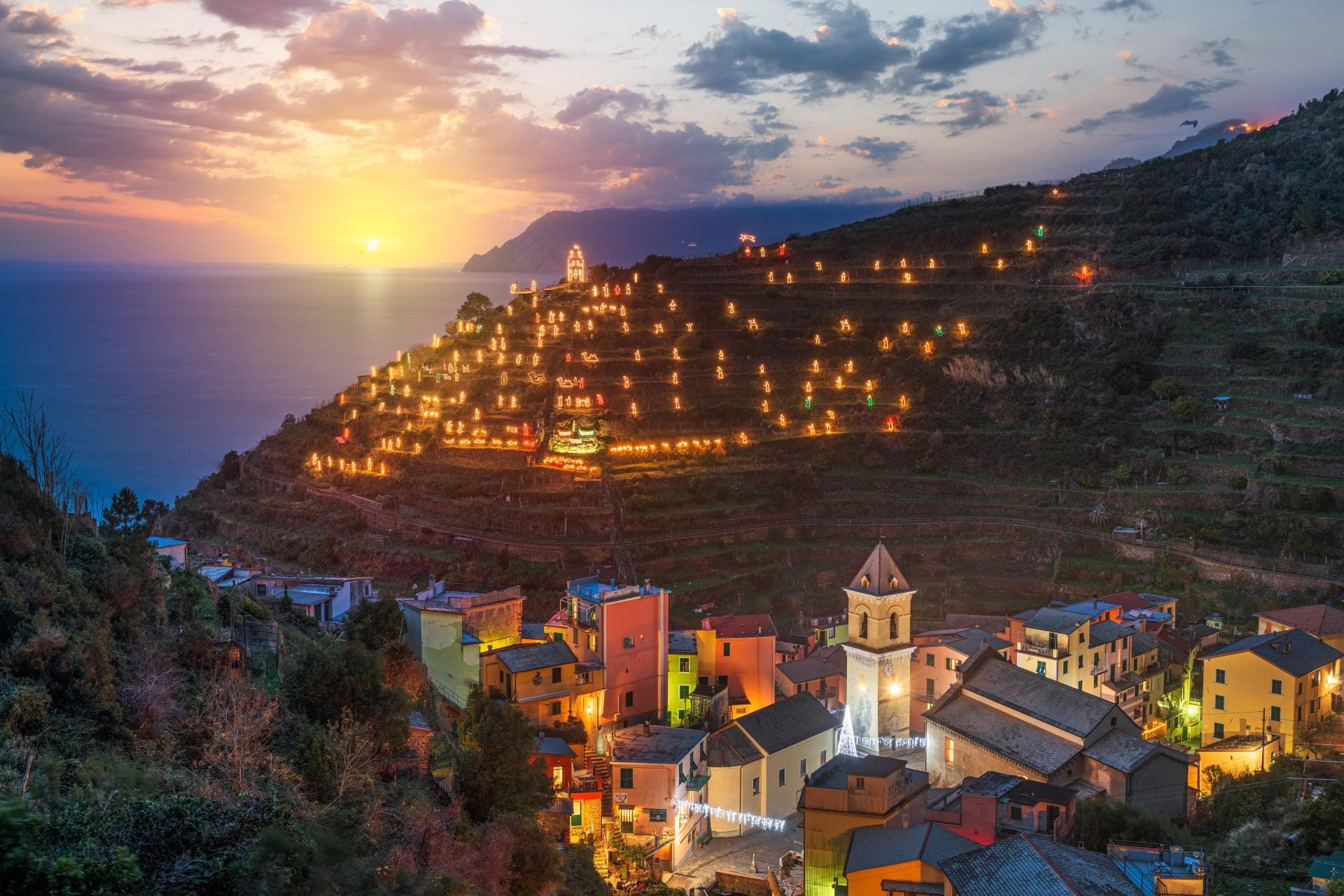
For the cultural traveler, the Epiphany is far more than a simple religious observance or a children’s holiday. It serves as a profound testament to Italy's ability to preserve its complex layers of history—a living museum where Roman paganism, Christian liturgy, and medieval civic pride coexist in a single day of celebration.
It is a pivotal moment of transition: the bridge between the darkness of winter and the promise of the coming spring. Experiencing these rituals firsthand offers a level of cultural immersion that goes beyond standard sightseeing:
- Historical continuity: witnessing the Magi enter the Duomo of Florence allows you to see the Renaissance come to life.
- Folkloric depth: watching the "Befanas" row through the canals of Venice showcases the playful and resilient spirit of the lagoon.
- Spiritual resonance: hearing the ancient hymns in the Alpine air of Faedo provides a sense of continuity that few other modern celebrations can offer.
The Epiphany represents "authentic Italy" at its most introspective, magical, and enduring. It is the final, essential chapter of the Italian winter season, leaving the traveler with a deeper understanding of the local identity and the timeless traditions that continue to shape the Bel Paese.