
Rome. The name alone commands attention. For millennia, this city has served as the Caput Mundi (Capital of the World)—the epicenter of a colossal empire, the spiritual heart of Western Christianity, and the ultimate muse for the Renaissance’s greatest masters. But to visit Rome in 2026 is to encounter something far more complex than a monument to the past. It is a living, breathing metropolis where the grandiose marble of the Empire supports the intricate stonework of the Baroque era, all pulsating under the frantic energy of the 21st century.
Fresh off the massive urban regeneration projects of the 2025 Jubilee, the city is currently experiencing a renaissance of its own. While the facades gleam with recent restorations and the infrastructure has modernized, Rome retains that chaotic, cinematic magic that has seduced travelers for centuries. Whether you are seeking the silence of a Caravaggio canvas in a dimly lit chapel or the roar of a crowded local trattoria, this guide is your blueprint to navigating Rome with the confidence of a local.
Why visit Rome? A journey through the layers of the world’s most historic metropolis
Rome is unique. It is the only city on earth where the sheer density of masterpieces forces you to forget you are walking through a modern G7 capital. Unlike Florence or Venice, which can sometimes feel like preserved museums, Rome is a living palimpsest. Every cobblestone, piazza, and facade tells a story layered directly atop another—Medieval houses built into Roman theaters, and Renaissance churches constructed over pagan temples.
That's why a trip to Rome is a must:
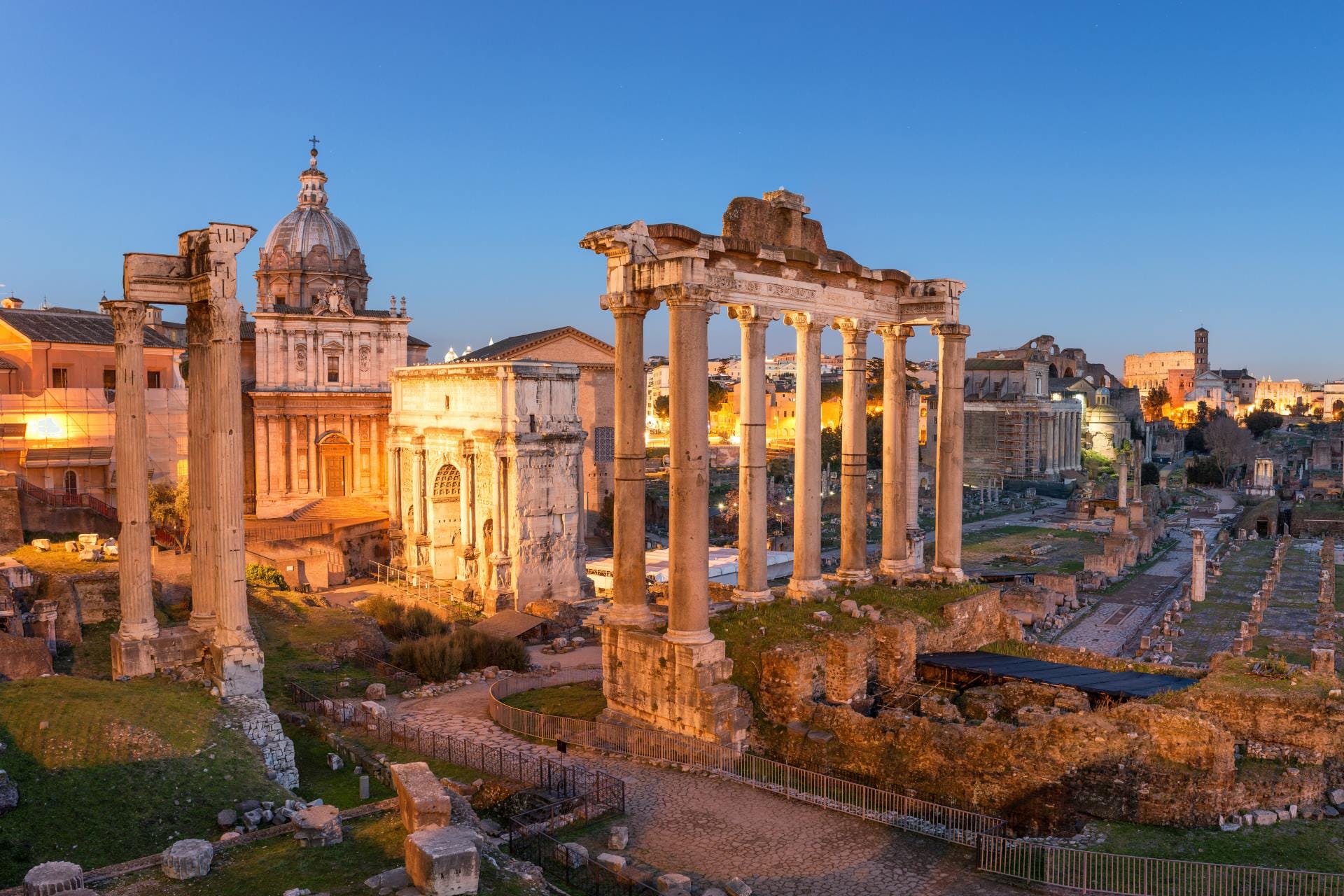
- A direct encounter with Western origins: to walk through the Roman Forum is to walk through the source code of Western civilization. It is here that the foundations of modern law, republican governance, and urban engineering were laid. The city’s architectural prowess remains a benchmark of human ingenuity; from the gravity-defying concrete dome of the Pantheon to the sprawling network of aqueducts that still feed the city’s fountains today.
- An open-air gallery of artistic genius: Rome offers the highest concentration of artistic heritage in the world. For centuries, the patronage of popes and noble families (such as the Borghese, Barberini, and Medici) fueled a creative explosion. The works of Michelangelo, Bernini, Caravaggio, and Raphael are not confined to the Vatican Museums or the Borghese Gallery; they are integrated into the very fabric of the city. You will find them in public squares, corner churches, and atop fountains, presented in the exact context for which they were created.
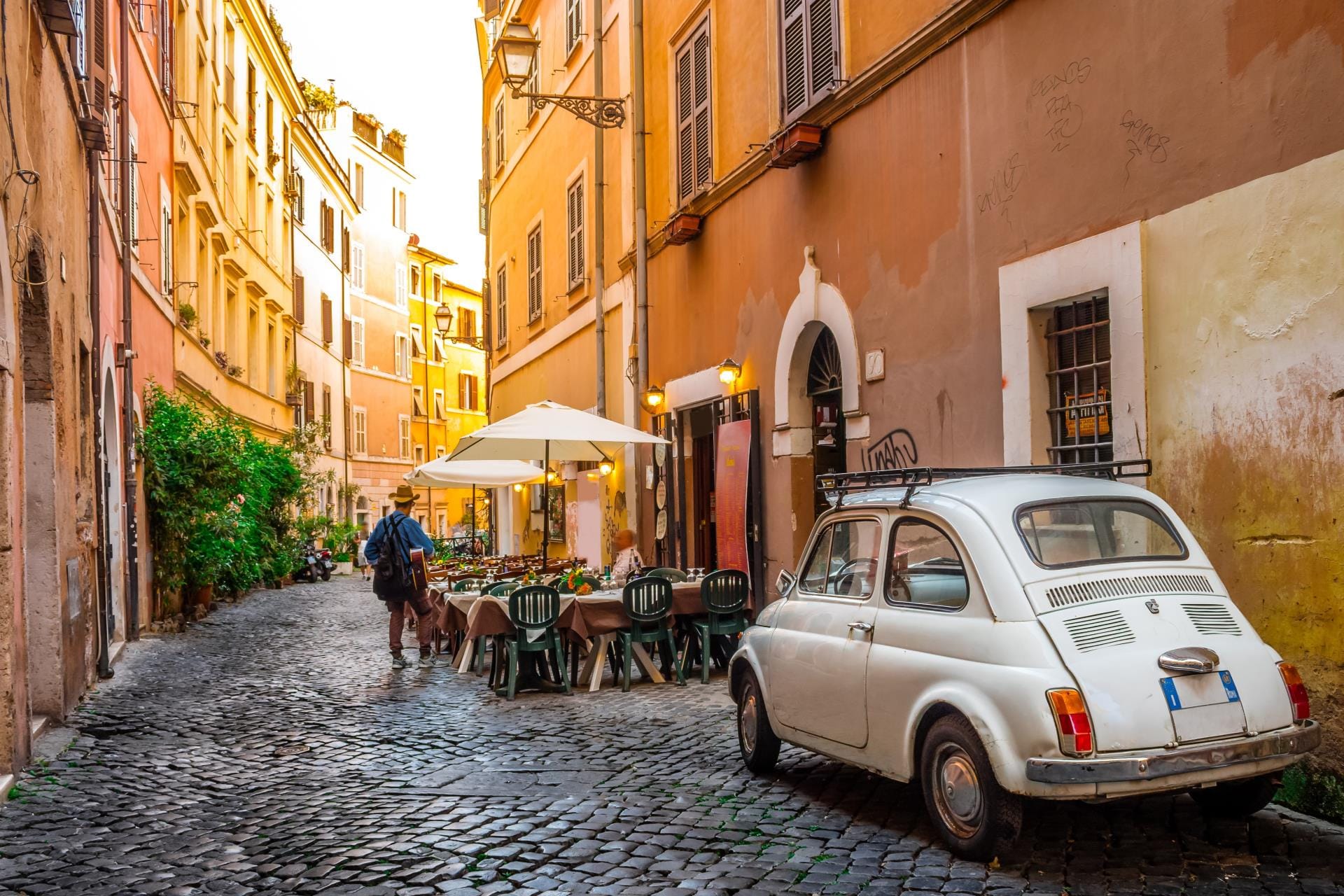
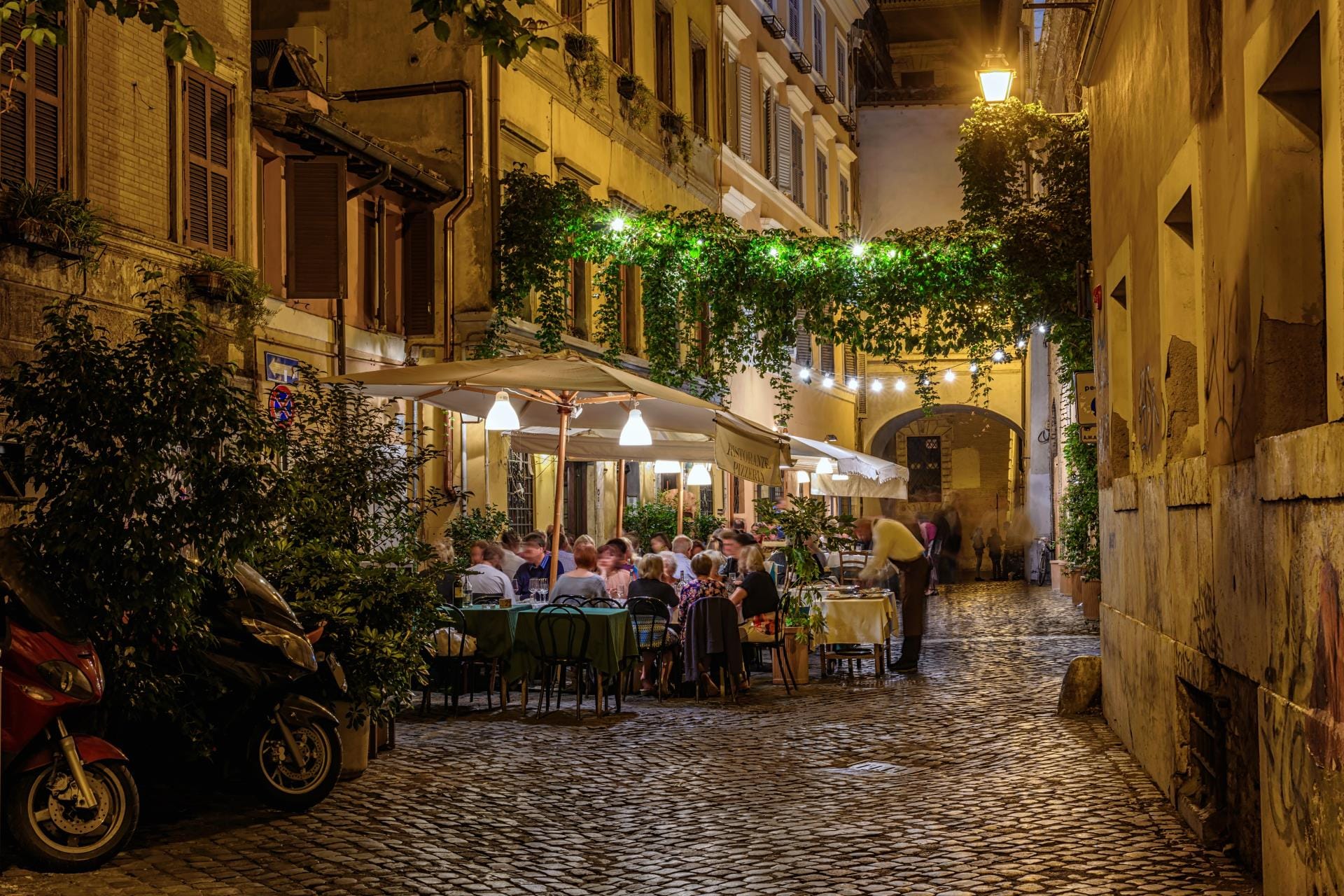
- The distinct character of the "Rioni": Rome rewards those who explore beyond the Colosseum. The city is a labyrinth of distinct neighborhoods (rioni), each with its own identity. From the cinematic, ivy-draped alleyways of Trastevere to the rationalist architecture of EUR, and the elegant, Art Nouveau lines of the Prati district, the city changes mood with every turn.
- A culinary philosophy based on authenticity: visiting Rome is also a journey into one of Italy's most strictly defined culinary traditions. It is not just about eating; it is about understanding a philosophy that elevates humble ingredients—pecorino cheese, guanciale, and pepper—into global icons like Carbonara and Cacio e Pepe.
It’s a city that rewards curiosity. Beyond the grandeur of the Colosseum and the Vatican lies a labyrinth of neighborhoods, each with its own distinct character, from the bohemian charm of Trastevere to the quiet elegance of Prati. It is in the unexpected moments that Rome truly reveals its soul: it is not just a destination to be seen, but an intense, chaotic, and beautiful experience to be lived.
How to plan your trip to Rome: a complete practical guide
Planning a journey to the Eternal City requires a strategic mindset. unlike the compact efficiency of Milan, Rome is a sprawling, chaotic, and magnificent metropolis. To navigate it successfully in 2026, one must understand the nuances of its updated infrastructure, the reality of its crowds, and the distinct personality of its neighborhoods.
The best time to visit Rome: navigating seasons and crowds
Rome is a year-round destination, but the quality of your experience depends entirely on timing. The post-Jubilee era has seen tourist numbers stabilize, but strategic scheduling remains essential.
- The strategic shoulder season: May and October remain the gold standard for weather. The famous Ottobrata Romana (Roman October) offers golden light and warm days perfect for the Forum, though accommodation prices are at their peak.
- The smart winter choice: February is arguably the best-kept secret. The winter air is crisp (ideal for heavy Roman cuisine like Carbonara), opera season at the Teatro dell'Opera is in full swing, and museum queues are manageable.
- The summer warning: July and August can be oppressive. While the city empties of locals around Ferragosto (August 15th), the heat trapped by the travertine stone can make exploration exhausting. If visiting then, plan for early mornings and late evenings.
Arriving and navigating: airport logistics
Rome’s entry points have been modernized to handle the post-2025 influx. Understanding the difference between the two main hubs is vital for a seamless arrival.
- Fiumicino (FCO): As Italy’s best-rated international hub, Fiumicino is efficient and well-connected. The Leonardo Express is the only non-stop train service you should consider. It departs every 15 minutes and connects the airport to Roma Termini in exactly 32 minutes. Pro tip: There is no need to validate online tickets, but paper tickets must be stamped before boarding.
- Ciampino (CIA): Serving primarily low-cost carriers (Ryanair, Wizz Air), this airport is closer to the city but less connected. The most reliable transfer is the SitBus Shuttle, which terminates near the Vatican (Via Crescenzio) and Termini Station. Taxis here have a fixed rate, but queues can be long.
- The EES Entry Requirement: As of 2026, travelers from outside the EU (US, UK, Canada) must undergo biometric checks (fingerprints/photos) at the border under the new Entry/Exit System. Factor in an extra 45 minutes at passport control.
Getting around: mastering the Roman transport network
The narrative that "Rome has bad transport" is outdated. Following the completion of key infrastructure projects in late 2025, the network is now robust, provided you know how to use it.
- The Metro revolution: the recent opening of the Colosseo/Fori Imperiali station on Metro C is a game-changer. You can now transfer seamlessly between Line B and Line C, connecting the historic center with the artisan district of Pigneto.
- Contactless is king: forget hunting for paper tickets. Rome’s ATAC system (buses, trams, and metro) is fully "Tap & Go." Simply tap your credit card, Apple Pay, or Google Wallet on the turnstile or the red onboard validator.
- The taxi reality: do not expect to hail a taxi on the street. You must use designated taxi stands or apps. Uber is available only as "Uber Black" (luxury pricing). For standard white taxis, locals exclusively use the FreeNow or ItTaxi apps.
- Walking the Trident: the historic core (Spanish Steps, Trevi, Pantheon) is pedestrian-dominated. This area is best explored on foot, as navigating the narrow sampietrini cobblestones by bus is slow and uncomfortable.
Where to stay in Rome: neighborhood profiles for the discerning traveler
Rome is not a monolith; it is a collection of villages (Rioni). Your choice of base defines your trip.
- Centro Storico (Pantheon/Navona): the most atmospheric choice for first-time visitors. You are walkable to everything, but you will pay a premium for smaller rooms and constant street noise.
- Monti: just steps from the Colosseum, this was the ancient Suburra. Today, it is a hipster haven of vintage shops, wine bars, and cobblestones. It offers a village vibe while being centrally located on Metro B.
- Prati: located near the Vatican, this district offers Art Nouveau architecture and high-end shopping on Via Cola di Rienzo. It is cleaner, quieter, and more residential, preferred by those who want a break from the chaotic tourist center.
- Trastevere: famous for its nightlife and ivy-clad buildings. Stay here if you want to be in the heart of the evening action, but be warned: it is not well-connected by metro, relying mainly on the Tram 8.
Tourist tax warning: 2026 rates
Budget accordingly, as the Tassa di Soggiorno (City Tax) has increased to manage overtourism. This fee is mandatory and is usually paid at check-in or check-out at your accommodation. Current rates per person, per night (up to 10 nights) are:
- 5-star hotels: €10.00
- 4-star hotels: €7.50
- 3-star hotels: €6.00
- B&Bs and holiday rentals: €6.00
Optimizing your itinerary: how many days are required?
Rome is dense with history. A "hit-and-run" visit often results in exhaustion rather than enlightenment.
- The 3-day overview: this is the absolute minimum to scratch the surface. It covers the Colosseum/Forum (Day 1), the Vatican Museums (Day 2), and a "Dolce Vita" walk through the squares (Day 3).
- The 5-day deep dive (Recommended): this timeframe allows you to peel back the layers. You can visit the Borghese Gallery (booking mandatory), explore the Appian Way on an e-bike, and experience the underground layers of San Clemente.
- The 7-day cultural immersion: with a week, Rome becomes a base. You can take day trips to the Emperor’s villa at Tivoli (Villa d'Este/Hadrian's Villa) or the ancient port city of Ostia Antica, which rivals Pompeii but without the crowds.
Top things to do in Rome: the unmissable icons
Rome is not a city of isolated monuments; it is a colossal open-air museum. However, the sheer volume of visitors in the post-Jubilee era means that spontaneity is no longer a luxury you can afford. To visit these titans without spending hours in line, you need a tactical approach.
Here are the four pillars of the Roman experience and exactly how to navigate them in 2026.
1. The Colosseum, Roman Forum, and Palatine Hill
The Flavian Amphitheater is the world's most famous ancient structure, but most visitors only see the surface. To truly understand the engineering prowess of the Empire, standard entry is insufficient.
- The strategy: you must book the "Full Experience" ticket via the official Parco Colosseo website. This specific tier grants access to the Arena floor (where the combat took place) and the hypogeum, the underground labyrinth of tunnels where gladiators and wild beasts were hoisted into the light.
- Crucial 2026 update: ticket scalping has forced a crackdown. All tickets are now strictly nominative. You must present a valid passport or ID at the gate that matches the name on the ticket. If they do not match, entry will be denied without a refund.
- Don't forget: your ticket includes the Roman Forum and Palatine Hill (where emperors lived). Do not skip these; they offer the most atmospheric walk in the city.
2. The Pantheon
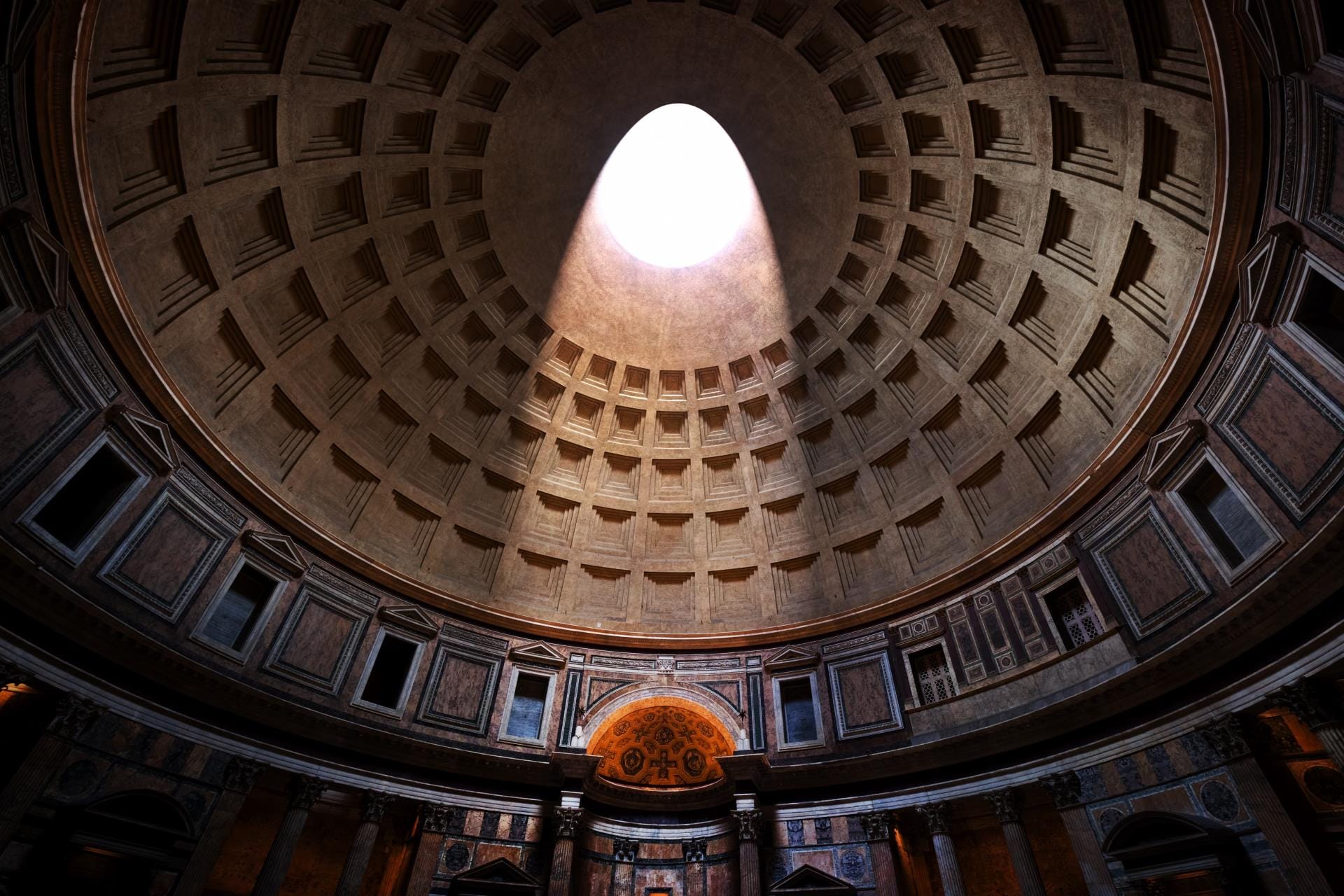
Once the city's great free monument, the Pantheon is now a ticketed site (€5), a measure introduced to manage the crushing flow of visitors. This former pagan temple dedicated to "all gods" boasts the largest unreinforced concrete dome in history.
- The experience: the magic lies in the Oculus, the 9-meter opening in the center of the dome. It is the building's only source of light and acts as a sundial.
- Insider tip: avoid the midday crush. Book the earliest slot available (9:00 AM) to watch the morning light stream through the Oculus in relative silence. If it rains, go immediately—seeing the rain fall inside the church and vanish into the ancient floor drains is a rare spectacle.
3. The Trevi Fountain (and the new access rules)
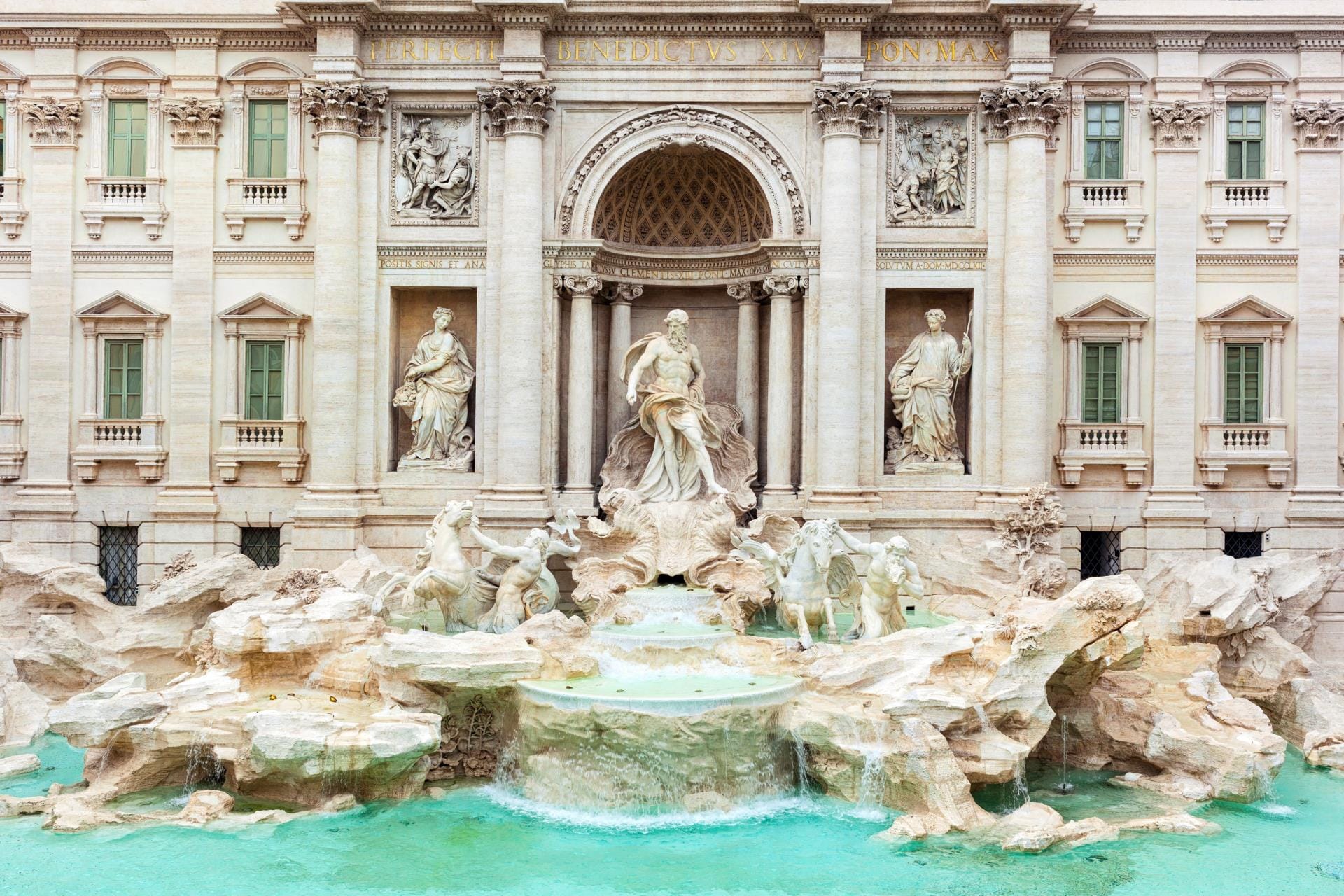
The era of freely crowding around the water's edge is over. As of February 2026, the city has implemented a strict quota system to protect the Baroque masterpiece.
- The new system: access to the lower basin (the stone steps leading to the water) now requires a reservation and a €2 access fee. This must be booked via the official city QR codes found on-site or through the "Roma Capitale" tourism portal.
- The loophole: the fee only applies if you want to descend the stairs to the water's edge for the classic "coin toss" photo. Viewing the fountain from the street-level balustrade and the square above remains free and requires no reservation, though the view is from a distance.
- Nearby: just a ten-minute walk away lie the Spanish Steps (Scalinata di Trinità dei Monti). Note that sitting on these steps is strictly prohibited and carries a fine of up to €250.
4. The Vatican Museums & St. Peter's Basilica
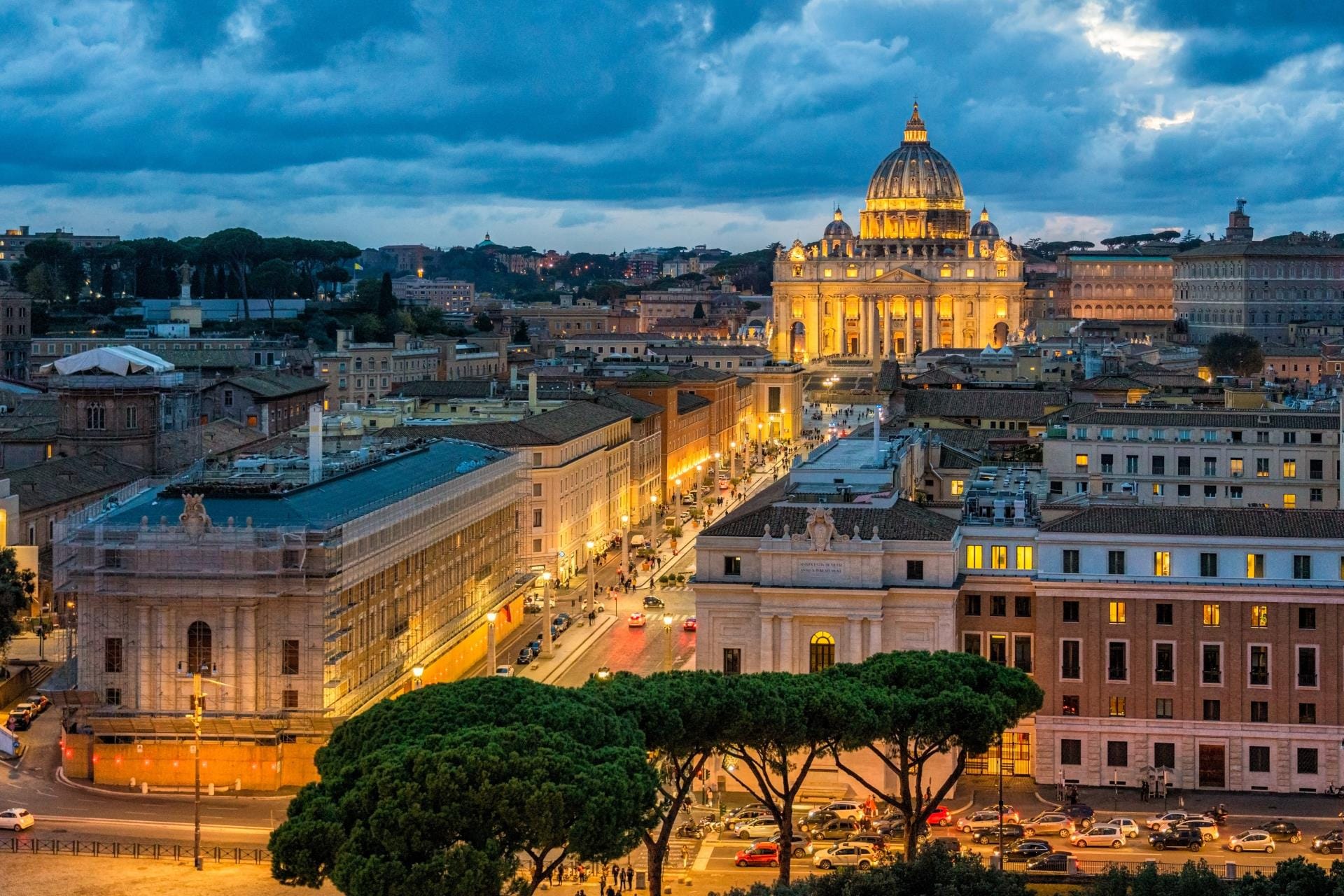
Technically a separate country, the Vatican holds the highest concentration of artistic wealth on the planet.
- The Museums & Sistine Chapel: the galleries are a 4-mile journey through history, culminating in Michelangelo’s frescoes. "Skip-the-line" tickets are a necessity, not a luxury. Book them exclusively through the official Musei Vaticani website to avoid the 40% markup charged by street touts.
- St. Peter's Basilica: entry to the church itself is free, but the queue can wrap around the square. To bypass this, book a guided tour that includes "privileged passage" from the Sistine Chapel directly into the Basilica.
- Dress code warning: the Vatican is a holy site. Security is uncompromising: shoulders and knees must be covered. Men wearing shorts or women in sleeveless tops will be turned away at the metal detectors, regardless of whether they have a ticket.
Rome off the beaten path: authentic experiences and hidden gems
For the traveler who has already seen the Forum, Rome hides its best secrets in plain sight. The true essence of the city is found away from the "Trident" of main streets, in the silence of industrial museums, the chaos of local food markets, and neighborhoods that feel like small villages.
Here is where to find the Rome that Romans keep for themselves.
Alternative neighborhoods: beyond the tourist trail
While Trastevere is beautiful, it is no longer a secret. To find the pulse of modern Rome, you must venture slightly further.
- Quartiere Coppedè: not a museum, but a surreal residential district. Located north of the center, this architectural oddity mixes Art Nouveau (Liberty), Gothic, and Baroque styles. Walk through the grandiose arch on Via Tagliamento to enter a fantasy world of fairy-tale villas, spider-shaped chandeliers, and the whimsical Fountain of the Frogs.
- Testaccio: this is the culinary heart of Rome. Built around a literal mountain of ancient broken clay pots (Monte Testaccio), this working-class neighborhood is where traditional Roman cuisine was born. Skip the tourist-heavy Campo de' Fiori market and visit the Mercato di Testaccio for a genuine look at local life and street food.
- Rione Monti: just steps from the Colosseum, yet a world away. Once the city's red-light district (Suburra), it is now a bohemian haven of vintage shops, artisanal jewelers, and wine bars. The Piazza della Madonna dei Monti is the locals' living room—grab a beer and sit by the fountain at sunset.
Unique museums and private collections
Rome’s art scene extends far beyond the Vatican walls. These collections offer world-class art without the suffocating crowds.
- Centrale Montemartini: a surreal juxtaposition of industrial archaeology and classical art. Ancient Roman statues from the Capitoline collection are displayed against the backdrop of massive diesel engines and turbines in a decommissioned power plant. It is quiet, haunting, and utterly unique.
- Galleria Borghese: while popular, it remains an exclusive experience due to strict visitor caps. Housed in a stunning 17th-century villa, it holds the world’s highest concentration of Bernini sculptures (Apollo and Daphne) and Caravaggio paintings.
- Palazzo Colonna: open to the public only on Saturday mornings, the Galleria Colonna is perhaps the most opulent hall in Rome, rivaling the Hall of Mirrors at Versailles. It remains the private residence of the princely Colonna family, offering a rare glimpse into true Roman aristocracy.
Free masterpieces: the "Caravaggio run"
You do not always need a ticket to see a master. Three of Caravaggio’s most powerful works—The Calling of St. Matthew, The Inspiration of Saint Matthew, and The Martyrdom of Saint Matthew—hang in the Contarelli Chapel inside the church of San Luigi dei Francesi. Entrance is free, though bring a few euro coins to illuminate the paintings.
The best panoramic views (without the climb)
- The Aventine Keyhole: at the Piazza dei Cavalieri di Malta, look through the keyhole of the priory door. You will see a perfectly framed view of St. Peter’s Dome, bordered by a manicured garden row.
- Giardino degli Aranci: just down the street from the Keyhole, the "Orange Garden" offers the most romantic sunset view over the city, framed by bitter orange trees and medieval walls.
The history and cultural identity of Rome: a city defined by resilience
To visit Rome is to confront a 2,700-year-old timeline that is still under construction. Unlike other European capitals that were modernized in the 19th century, Rome is a chaotic, beautiful stratification of eras. It is a city defined not just by its empire, but by its unparalleled ability to absorb, adapt, and survive every sack, flood, and renaissance.
Decoding the urban strata: the "lasagna" of history
Rome is often described by historians as a palimpsest—a manuscript page from which the text has been scraped or washed off so that the page can be used again. To understand the city, you must look at it as a vertical "lasagna" of three distinct civilizations stacked on top of one another.
- Roma Antica (The Imperial Layer): this is the foundation, often buried 5 to 10 meters below current street level. It is the Rome of the Caesars, the Forum, and the Pantheon. It represents engineering prowess, legal order, and the grandeur of the Caput Mundi (Head of the World).
- Roma Papale (The Baroque Layer): following the fall of the Empire and the darkness of the Middle Ages, the Popes rebuilt Rome as a theater of Catholicism. This is the city of Bernini and Borromini, characterized by the theatrical piazzas (Navona, San Pietro), the dramatic fountains, and the golden travertine stone that glows at sunset. It was a visual campaign designed to awe pilgrims and reassert the power of the Church.
- Roma Moderna (The Capital): after Italy was unified in 1870, Rome became the capital of a new nation. This layer includes the heavy, rationalist boulevards of the Umbertine era and the stark, white marble architecture of the Fascist period (visible in the EUR district). It is the chaotic, bureaucratic Rome of today, buzzing with Vespas and politics.
What to eat in Rome: a guide to local culinary philosophy and traditional flavors
To dine in Rome is to partake in a tradition that has been honed over centuries. Roman cuisine is not subtle; it is robust, heavy, and unapologetic. It is rooted in Cucina Povera (poor cooking), a philosophy that transforms simple, local ingredients into masterpieces through rigorous technique.
The foundation of this cuisine is the Quinto Quarto (the fifth quarter). While the nobility took the four standard cuts of the animal (the "quarters"), the working class was left with the offal—tails, intestines, and cheeks. Over time, Roman chefs elevated these scraps into some of the most celebrated dishes in the world.
The four kings of Roman pasta
In Rome, pasta is a religion with a strict code of conduct. There are four foundational dishes, all born from the same three ingredients: Pecorino Romano (sheep’s milk cheese), Guanciale (cured pork jowl), and black pepper.
- Cacio e Pepe: the minimalist masterpiece. It consists solely of Pecorino Romano, black pepper, and pasta. The creaminess comes entirely from a chemical reaction between the cheese and the starchy pasta water.
- Pasta alla Gricia: often called the "ancestor" or "white Amatriciana." It is simply Cacio e Pepe with the addition of crispy Guanciale. It allows the pure flavor of the cured pork to shine without the acidity of tomatoes.
- Amatriciana: the Gricia, plus tomatoes. It is a rich, savory red sauce with the fat of the Guanciale rendered into the tomato base.
- Carbonara: the global icon. It is a creamy emulsion of egg yolks (no whites), Pecorino Romano, Guanciale, and abundant black pepper.
- The golden rule: authentic Roman Carbonara never contains cream. If you see cream on the menu, leave the restaurant.
The "Quinto Quarto" and meat courses
The main courses (Secondi) in Rome are dominated by lamb and the historic offal traditions of the Testaccio neighborhood.
- Coda alla Vaccinara: a stew of oxtail braised for hours in tomato, celery, and wine until the meat falls off the bone. It often includes pine nuts, raisins, or a dash of cocoa to balance the richness.
- Saltimbocca alla Romana: a rare departure from "poor food," this is a refined dish of veal scallops topped with prosciutto and fresh sage, pan-fried in white wine and butter. The name translates to "jumps in the mouth."
- Abbacchio Scottadito: tender lamb chops, usually grilled (scottadito means "finger-burning," implying they should be eaten hot by hand).
- Trippa alla Romana: tripe simmered in a tomato and mint sauce, finished with a dusting of Pecorino. It is the ultimate test for the adventurous eater.
The vegetable icons: artichokes and chicory
Vegetables in Rome are seasonal and treated with the same reverence as meat.
- Carciofo alla Giudia (Jewish Style): a staple of the Roman-Jewish Ghetto. The whole artichoke is deep-fried twice until the leaves turn into golden, crispy chips resembling a sunflower. It is eaten leaf by leaf.
- Carciofo alla Romana (Roman Style): the artichoke is trimmed and braised upside down with garlic, mint ("mentuccia"), and olive oil until tender and buttery.
- Cicoria Ripassata: bitter chicory greens boiled and then sautéed in olive oil with garlic and chili flakes. It is the standard side dish to cut through the fattiness of Roman meats.
Street food and the bakery culture
Roman life moves at a walking pace, and its street food reflects this.
- Pizza al taglio: unlike the round pizza of Naples, Roman pizza is baked in rectangular trays and sold by weight. You point to the slice you want, and the server cuts it with scissors. Prices are per etto (100 grams).
- Supplì: the Roman answer to the arancino. It is a fried rice ball comprising tomato sauce and beef ragù, with a heart of mozzarella that melts when broken open (historically called supplì al telefono because the cheese string resembles a telephone wire).
- Pizza Bianca: a simple, dimpled flatbread brushed with olive oil and salt. It is often sliced open and filled with mortadella.
Sweet Rome: the breakfast king
While Tiramisu is available everywhere, the true Roman breakfast icon is the Maritozzo. This is a sweet, brioche-like bun sliced down the middle and filled with an obscene amount of barely sweetened fresh whipped cream. It is best enjoyed with a morning espresso at a local bar.
How to spot an authentic trattoria
To ensure a genuine experience, look for these quality indicators:
- The Sticker: look for the Gambero Rosso sticker or the Slow Food snail decal on the door.
- The Menu: avoid places with "Tourist Menu" signs or photos of the food displayed outside.
- The Hours: authentic Roman kitchens rarely open for dinner before 7:30 PM. If a place is packed at 6:00 PM, it is catering exclusively to tourists.
FAQ about visiting Rome
Navigating the Eternal City requires local know-how. Here are the answers to the most common logistical questions for travelers in 2026.
Is tap water in Rome safe to drink?
Yes, absolutely. In fact, buying bottled water is considered a "tourist tax" by locals. Rome’s water is cool, calcium-rich, and volcanic, flowing directly from the mountains via ancient aqueducts.
- The "Nasoni" system: the city is dotted with over 2,500 iron fountains known as Nasoni (big noses). You can drink from them safely.
- Pro tip: bring a durable, reusable bottle. If you block the bottom of the spout with your finger, the water shoots out of the top hole, creating a perfect drinking arc.
Do I need to carry cash in 2026?
Mostly no, but strategic cash is useful. Italy has enforced strict laws requiring all merchants to accept card payments via POS (Point of Sale) terminals. You can pay for practically everything, from subway tickets to a €1.50 espresso, with your smartphone or credit card.
- When to use cash: keep about €50 in small bills (5s and 10s) for "technical issues" with card machines, small purchases at local markets, or leaving small tips.
- ATMs: avoid independent "Euronet" ATMs with high fees; stick to ATMs attached to major banks (like Intesa Sanpaolo or UniCredit).
Is Rome safe for tourists at night?
Violent crime is statistically rare, making Rome safer than many major US cities. However, petty theft is sophisticated and prevalent.
- The danger zones: pickpocketing is most common on Metro Line A (specifically around Termini and Spagna stations) and the Number 64 Bus to the Vatican.
- The strategy: thieves often work in teams and create distractions (dropping coins, bumping into you). Keep wallets in front pockets, backpacks zipped and worn on your front in crowds, and never leave phones on restaurant tables.
What is the strict dress code for churches?
The Vatican and major basilicas enforce a zero-tolerance dress code that catches many summer visitors off guard. To enter St. Peter’s Basilica, the Vatican Museums, or the Pantheon, both men and women must cover their shoulders and knees.
- The enforcement: guards at the metal detectors will turn you away if you are not compliant, regardless of whether you have a ticket.
- The solution: in summer, carry a lightweight scarf or shawl in your bag that can be quickly draped over your shoulders or tied around your waist as a makeshift skirt.
How does tipping work in Rome?
Tipping in Rome is vastly different from the American percentage system. You are not expected to tip 20%.
- Understanding "Coperto": you will often see a €2–€3 charge per person on the bill listed as Coperto. This is a standard "cover charge" for the linen and bread; it is not a tip and does not go to the waiter.
- The protocol: for a casual meal, rounding up the bill (e.g., leaving €40 for a €38 bill) is sufficient. for exceptional service at a fine dining establishment, leaving 5% to 10% in cash on the table is a generous and appreciated gesture.
Practical resources for the traveler
Rome functions best when you have the right tools on your smartphone. Below are the official applications and resources to navigate the city safely and efficiently in 2026.
Transport and navigation apps
- Public transport tickets: download MooneyGo or TicketAppy. While "Tap & Go" is available at turnstiles, these apps are essential for buying multi-day passes or validating tickets on buses where card readers might be crowded.
- Taxis: do not hail taxis on the street. Use FreeNow or ItTaxi. These are the standard apps used by locals to book official white taxis. They provide a tracked route and a fixed price estimate, eliminating the risk of overcharging or "broken meter" scams.
- Real-time updates: citymapper remains superior to Google Maps for navigating Rome’s complex bus routes and metro delays in real time.
Health and safety resources
- Medical assistance: doctors in Italy is the gold standard for travelers. It connects you with English-speaking doctors for house calls or video consultations, accepting most international travel insurance.
- Emergency number: save the number 112 (European Emergency Number) in your phone. It connects you to police, ambulance, and fire services, with operators who speak multiple languages.
- Pharmacies: olok for the illuminated green cross. Rome has a rotating system of Farmacia di Turno (night pharmacies) that remain open 24/7 for urgent prescriptions.
Embracing the chaos: final thoughts on the Eternal City
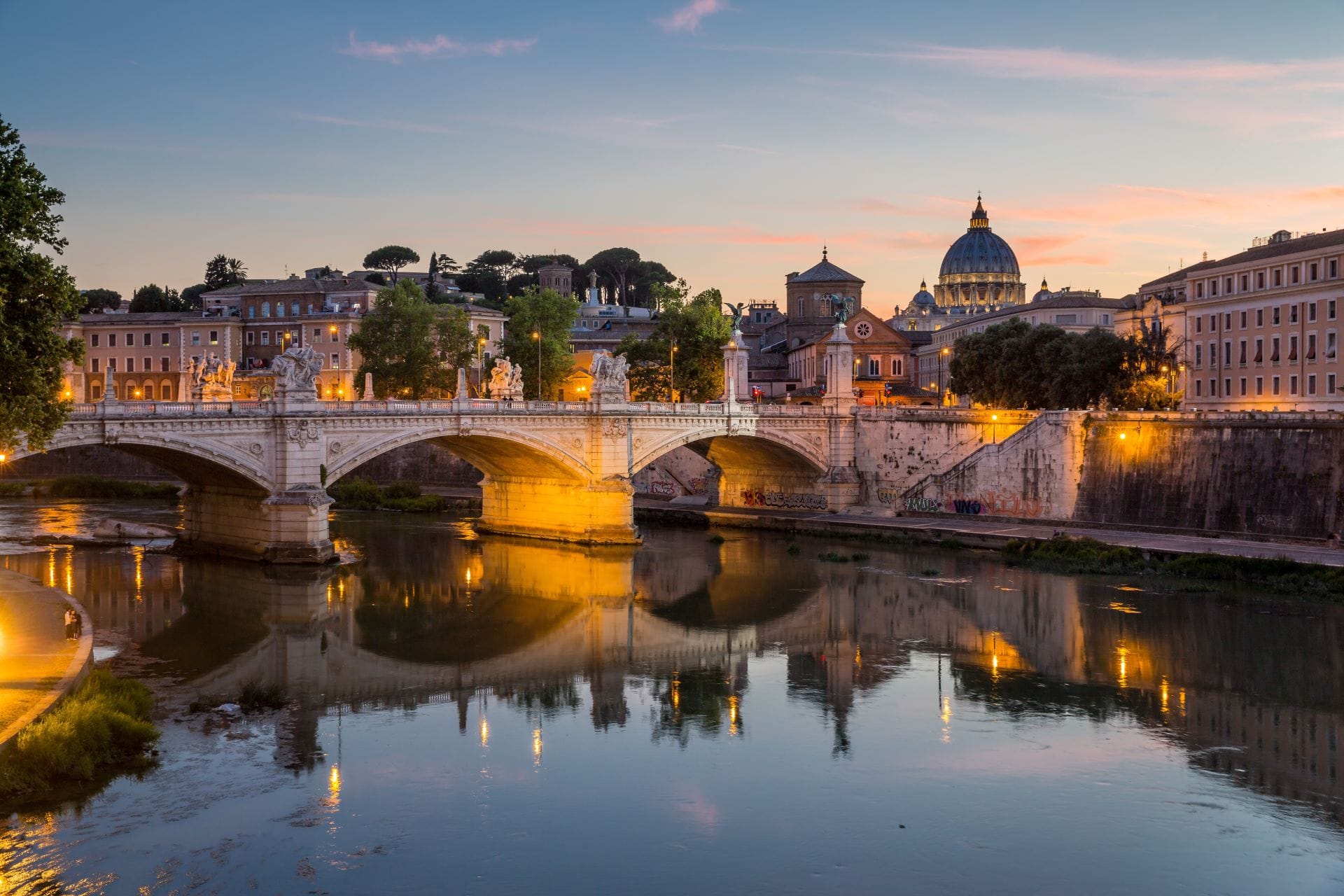
Rome is not merely a destination to be checked off a list; it is a sensory overload that demands your full attention. It is loud, the bureaucracy can be maddening, and after days of walking on cobblestones, your feet will ache. But there is a specific moment—perhaps while watching the sunset from the Pincio Terrace, or enjoying a late-night gelato in the shadow of the Pantheon—when the noise fades, and the sheer majesty of the city hits you. You realize, with sudden clarity, that you are standing in the center of the world.
To truly enjoy this city, you must embrace a duality:
- Plan the logistics: use the apps, book the "Full Experience" tickets, and respect the dress codes.
- Embrace the unexpected: leave space in your itinerary for the unplanned. Allow yourself to get lost in a winding alley in Monti or to spend two hours over a lunch that was supposed to take forty-five minutes.
Rome rewards the prepared traveler, but it falls in love with the patient one. Plan well, book ahead, but leave the final chapter of your journey unwritten. Because in Rome, the most enduring memories are often the ones you didn't schedule.
Guide to Italy is more than an editorial project—it’s a curated solution for travelers who demand depth, private access, and expert-led storytelling. Elevate your journey and make Italy yours.


