
Travel Guide
the 2026 Giro d'Italia travel guide — how to plan your trip, where to watch, and what to expect.
This is the official route and stage guide for the 2026 Giro d'Italia. Planning a trip around the Corsa Rosa? Start with the complete overview:
Three weeks. Twenty-one stages. One pink jersey.
The 109th edition of the Giro d'Italia — running from May 8 to May 31, 2026 — is one of the most anticipated editions of the Corsa Rosa in recent memory. Its route tells a story that no other Grand Tour can match: from the Black Sea coast of Bulgaria to the ancient cobblestones of Rome, threading through the heel of the Italian boot, the volcanic south, the Apennines, the Dolomites, the Alps, and the Po Valley before delivering its verdict to the Eternal City.
This is the complete, authoritative stage-by-stage guide to the 2026 Giro d'Italia route — every number, every climb, every key terrain feature, and every moment that will define this race.
In this article:
- 01 The numbers that define the 2026 Corsa Rosa
- 02 The Grande Partenza: Bulgaria makes history
- 03 Week one in Italy: the Mezzogiorno, the Adriatic, and the first summits
- 04 Week two: the time trial, the Riviera, and the Alps
- 05 Week three: Switzerland, Trentino, the Dolomites, Friuli, and Rome
- 06 Why this edition matters beyond the race
The numbers that define the 2026 Corsa Rosa
Before diving into the individual stages, here is the complete statistical picture of the 2026 Giro d'Italia route:
- Total distance: 3,468 km across 21 stages
- Total elevation gain: 48,700 meters
- Stage breakdown: 8 flat stages, 7 medium-mountain stages, 5 high-mountain stages
- Summit finishes: 7
- Individual time trial: 1 (Viareggio–Massa, 40.2 km, flat)
- Rest days: Monday, May 11 · Monday, May 18 · Monday, May 25
- Countries: Bulgaria, Italy, Switzerland
- Italian regions: 16
- Cima Coppi (highest point of the race): Passo Giau, 2,233 meters — Stage 19
The race traverses Italy from south to north over three weeks, opening in Bulgaria for the first time in Giro history and closing in Rome for the fourth consecutive year — a streak without precedent in the race's 117-year history.
The Grande Partenza: Bulgaria makes history
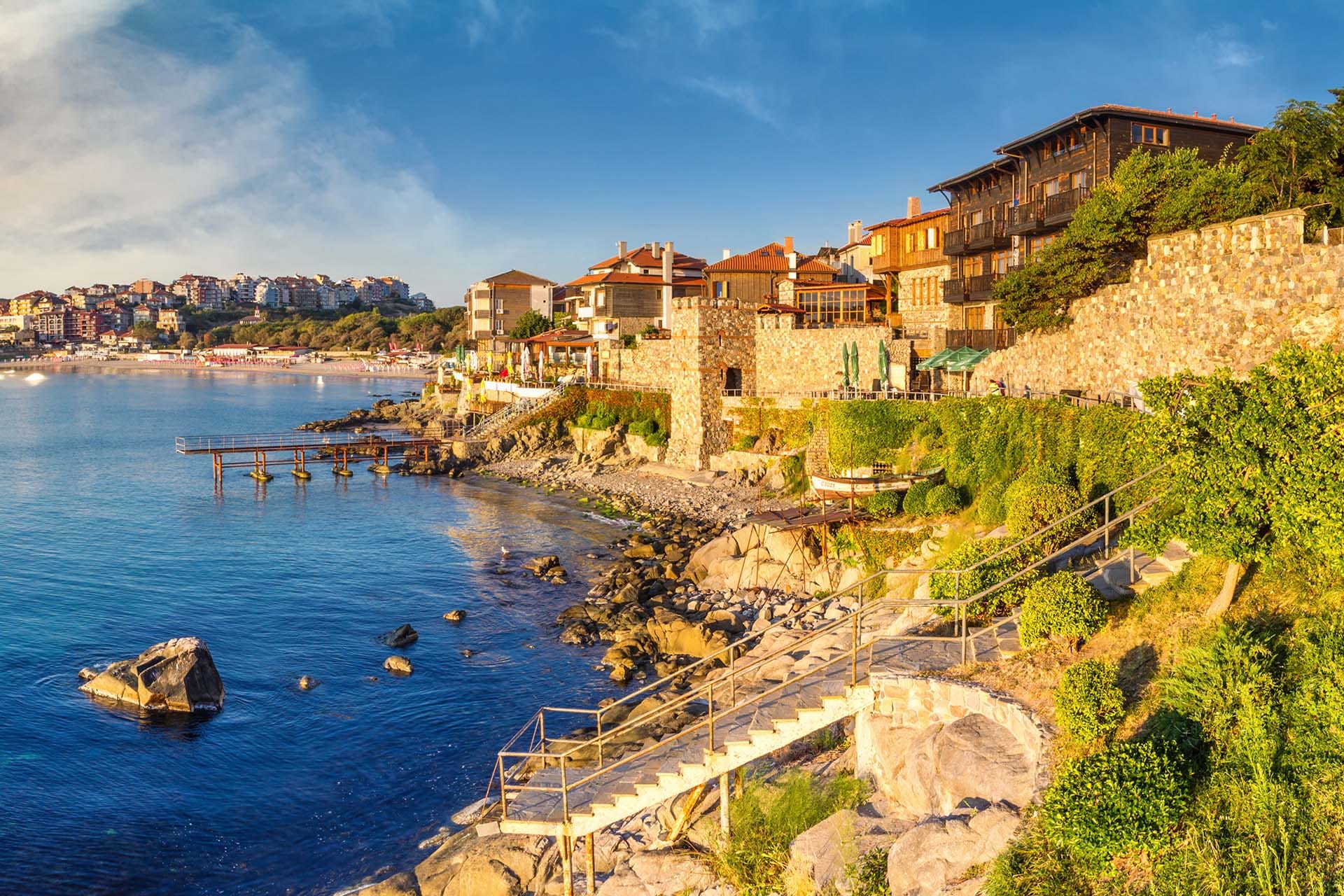
The 2026 Giro d'Italia opens on foreign soil for the 16th time in the race's history, and for the first time ever, the host nation is Bulgaria. The three opening stages traverse the country from the Black Sea coast to the capital Sofia, making this Grande Partenza genuinely unprecedented in 117 years of the Corsa Rosa.
Bulgaria becomes the 12th foreign country to host the start of the Giro d'Italia, following Albania's debut in 2025 — the second consecutive year the race has launched outside Italy.
Stage 1 — Nessebar › Burgas, 147 km | Friday, May 8
The first maglia rosa of 2026 is decided on the shores of the Black Sea. The opening stage begins on the ancient peninsula of Nessebar (a UNESCO World Heritage Site linked to the mainland by a narrow isthmus) and finishes in Burgas, Bulgaria's fourth-largest city. The route is essentially flat, with a 22-kilometer coastal loop covered twice mid-stage and a slight uphill drag to the line. Easterly winds off the sea can break up the peloton and complicate what would otherwise be a routine day for the sprinters.
Stage 2 — Burgas › Veliko Tarnovo, 221 km | Saturday, May 9
The longest stage of the Bulgarian chapter crosses several Balkan valleys before a demanding, technical finale into the medieval fortress city of Veliko Tarnovo — cobbled sections, a steep final ramp, and a run-in that punishes any sprinter who is not also a puncheur. A day that could produce the race's first real selection.
Stage 3 — Plovdiv › Sofia, 175 km | Sunday, May 10
The final Bulgarian stage starts in Plovdiv — one of the oldest continuously inhabited cities in Europe, with a history stretching back over 6,000 years, before a long, steady ascent to the ski resort of Borovets on the slopes of the Rila Mountains, followed by a downhill finale into the capital Sofia. A stage designed for the breakaway.
After a rest day on Monday, May 11, the peloton transfers to Calabria to begin the Italian leg of the race, heading south to north across the peninsula.
Italy, unscripted
Privately yours.
A monthly masterclass in Italian culture. Decode the local lifestyle through expert analysis and hidden gems.
Week one in Italy: the Mezzogiorno, the Adriatic, and the first summits
The Italian portion of the 2026 Giro d'Italia route opens in the deep south and drives northward through landscapes of extraordinary intensity — volcanic coasts, Greek temples, Bourbon palaces, and the great mountain walls of the central Apennines — before the first summit finishes begin to separate the general classification contenders.
Stage 4 — Catanzaro › Cosenza, 138 km | Tuesday, May 12
The first stage on Italian soil crosses the Calabrian interior along the spine of the peninsula. The Cozzo Tunno (Cat. 2)is the decisive obstacle before a descent to Cosenza — a city of Greco-Roman foundation in the Crati valley. Short enough to favor an attacking sprinter with mountain legs; demanding enough to cause early damage to less complete riders.
Stage 5 — Praia a Mare › Potenza, 203 km | Wednesday, May 13
One of the hardest days of the opening week: over 3,700 meters of elevation gain across the Lucanian Apennines in Basilicata, finishing in Potenza — the highest regional capital in Italy, perched at 819 meters above sea level. A day for climbers and breakaway specialists.
Stage 6 — Paestum › Naples, 142 km | Thursday, May 14
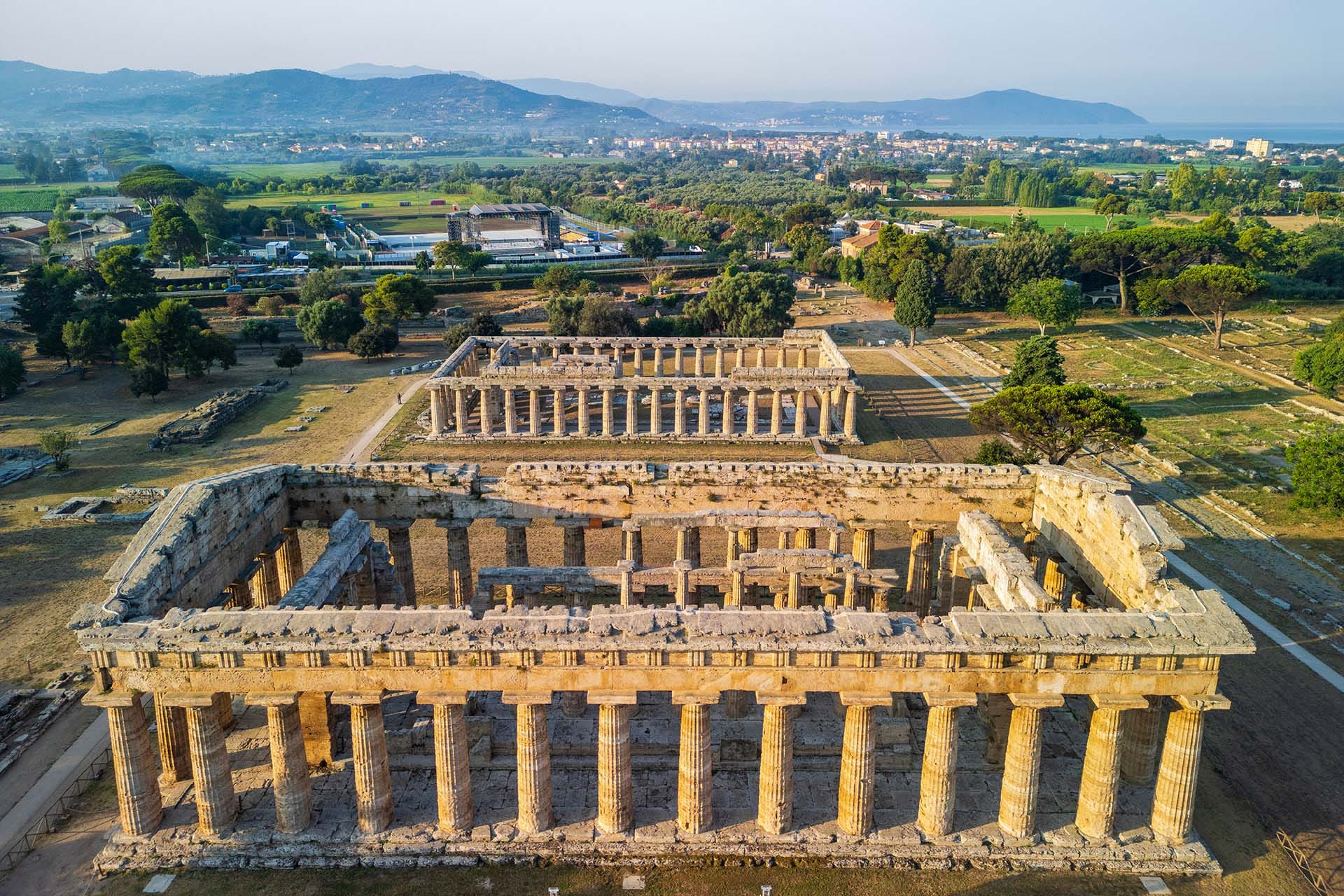
A welcome reprieve for the sprinters. The stage begins among the UNESCO-listed Greek temples of Paestum — three of the best-preserved Doric temples in the world, dating to the 6th and 5th centuries BC, and finishes on the streets of Naples, skirting the flanks of Mount Vesuvius along the way. One of the most evocative stage settings in the entire race.
Stage 7 — Formia › Blockhaus, 244 km | Friday, May 15
The longest stage of the 2026 Giro d'Italia and the first true mountain verdict. Starting from the coast of southern Lazio near Sperlonga and Gaeta, the route runs inland through Molise before climbing into the Majella massif in Abruzzo for the legendary Blockhaus summit finish at 2,143 meters. The final ascent is 13.6 kilometers at an average gradient of 8.4%, with a relentless ten-kilometer middle section that never drops below 9%, one of the most punishing sustained gradients in Italian cycling.
The Blockhaus is among the most storied climbs in Giro d'Italia history: it was here in 1967 that Eddy Merckx claimed the first mountain stage win of his Giro career; more recently, Nairo Quintana (2017) and Jai Hindley (2022) have won here on their way to or near the final podium. With 4,600 meters of total elevation gain, Stage 7 is the day the general classification race begins in earnest.
Stage 8 — Chieti › Fermo, 156 km | Saturday, May 16
Moving north along the Adriatic flank of the Apennines through the Marche region, the second half of this stage is defined by a succession of short, punishing climbs known locally as muri (steep, narrow walls that characterize the landscape of the Piceno and Fermano hills) before the finish in Fermo, one of the most elegant hilltop cities of the central Adriatic coast.
Stage 9 — Cervia › Corno alle Scale, 184 km | Sunday, May 17
The first week closes with the second summit finish of the 2026 Giro. The stage crosses Emilia-Romagna to arrive at Corno alle Scale (1,945 m), a mountain destination in the Apennines above Bologna rarely visited by the Corsa Rosa. The climb is long, consistent, and selective. Two uphill finishes in the opening week confirm that the race organizers have built no easy escape for those without a climber's legs.
Rest day: Monday, May 18.
Week two: the time trial, the Riviera, and the Alps
The second week offers extraordinary geographic variety — the flat Tuscan coast, the Ligurian Riviera, the Piedmontese hills, the high valleys of the Aosta Alps, and a sprinters' finale in Milan: compressing climates, landscapes, and stage types that in any other race would span entire editions.
Stage 10 — Viareggio › Massa, 40.2 km (individual time trial) | Tuesday, May 19
The only individual time trial of the 2026 Giro is a flat, straight coastal race against the clock between two Tuscan cities on the Tyrrhenian shore. At 40.2 kilometers, it is one of the longest single-discipline tests in any recent Grand Tour — long enough to produce significant gaps between GC contenders, but not so long as to be decisive in isolation. The pure time trialist enters the general classification picture here as a genuine rival to the mountain climbers. Given the overall balance of this parcours, the seconds lost or gained on this stretch of coast could prove pivotal in the final standings in Rome.
Stage 11 — Porcari › Chiavari, 195 km | Wednesday, May 20
Threading through the Apuan Alps and the Ligurian hinterland, this undulating stage connects the Tuscan plain to the Riviera di Levante and finishes in Chiavari, a graceful seaside town south of Genoa whose arcaded historic center is one of the most elegant in Liguria. A day for the breakaway, with enough terrain to keep the sprinters on edge.
Stage 12 — Imperia › Novi Ligure, 175 km | Thursday, May 21
Starting from Imperia on the Ligurian Riviera di Ponente — the most aromatic stretch of the Italian coast, lined with olive groves, mimosa, and the flower farms that supply much of Europe: the stage rolls east and then north across the Piedmontese hills before the finish in Novi Ligure, the birthplace of Fausto Coppi. Racing through the homeland of the greatest Italian cyclist of the 20th century, this is a day that invites the kind of long-range solo attack Coppi himself made famous.
Stage 13 — Alessandria › Verbania, 189 km | Friday, May 22
Moving north through Piedmont toward the shores of Lake Maggiore, this medium-mountain stage delivers the peloton to Verbania, one of the most scenically privileged towns on the Italian lakes, set between the Borromean Gulf and the first Alpine ridges. A day of accelerating tension before the week's decisive mountain stage.
Stage 14 — Aosta › Pila (Gressan), 133 km | Saturday, May 23
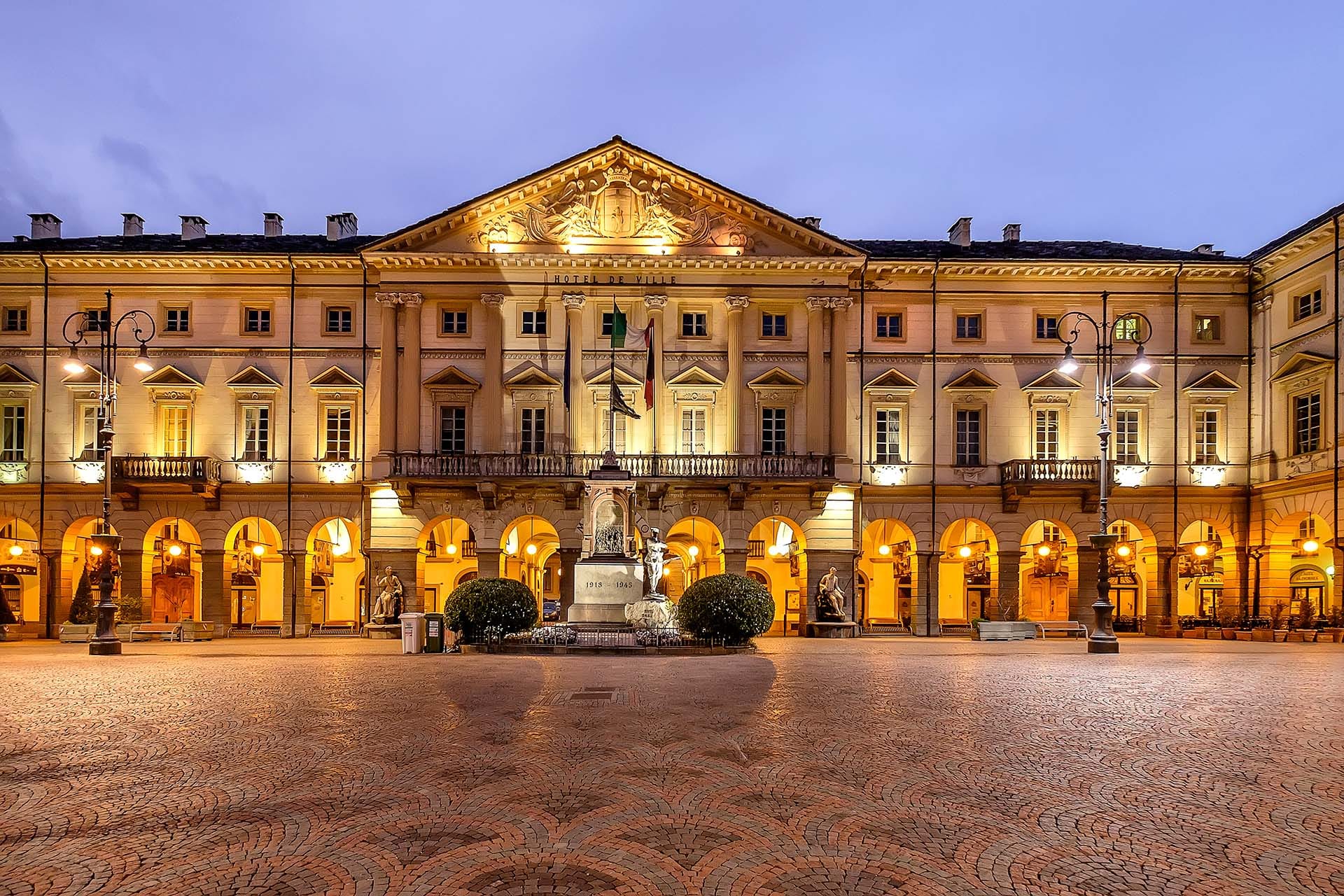
The defining day of the second week and the first five-star stage of the 2026 Giro d'Italia. Starting from Aosta — a city of extraordinary Roman heritage, home to the Arch of Augustus, the Roman Theatre, and some of the most intact imperial-era walls in the world — the route loops through four consecutive Alpine climbs with virtually no flat recovery between them: Saint-Barthélémy, Doues, Col de Lin Noir, and Verrogne, before the long summit finish at Pila (Gressan).
The final ascent is 16.6 kilometers with 20 hairpins at an average gradient of around 7%, steepening to 9% in the final kilometers and touching 11% at three kilometers from the line. By the time the peloton arrives at the foot of Pila, two weeks of racing will already be in the legs. This is the first stage of the 2026 Giro where the pure climbers will truly separate themselves from the rest.
Stage 15 — Voghera › Milan, 157 km | Sunday, May 24
In complete contrast to the day before, the second week closes with a flat sprint into Milan across the Po Valley — barely 200 meters of elevation gain on wide, straight roads. The final 16-kilometer city circuit, ridden four times through the streets of Italy's financial and fashion capital, provides the sprinters with their most prestigious opportunity of the race. Milan returns to the Giro for the first time in five seasons, and the city's urban circuit delivers a fitting stage for those who have survived two weeks of mountain warfare.
Rest day: Monday, May 25.
Week three: Switzerland, Trentino, the Dolomites, Friuli, and Rome
The final week is where the 2026 Giro d'Italia reveals its true character. Five consecutive stages of extreme mountain terrain — Switzerland, Trentino, the Brenta and Belluno Dolomites, and the Friulian Prealps, precede the ceremonial finale in Rome. This is the week the race is won or lost.
Stage 16 — Bellinzona › Carì, 113 km (Switzerland) | Tuesday, May 26
The race crosses into Switzerland for this short but savage summit finish at Carì in the Ticino canton. The final ascent is 11.7 kilometers with gradients reaching 13%: not a long climb, but ferociously steep for its entire duration, preceded by a 22-kilometer double lap of a side valley that further drains the legs. The brevity of the stage disguises its brutality. Carì has not previously featured in the Giro; this is its debut, and it arrives at a moment in the race when every meter of climbing carries maximum consequence.
Stage 17 — Cassano d'Adda › Andalo, 202 km | Wednesday, May 27
Re-entering Italy through Lombardy, the peloton crosses the Po plain before climbing progressively into Trentino for a summit finish at Andalo, at the gateway to the Brenta Dolomites. The stage is one of the most scenically dramatic transitions of the entire race: beginning on the flat, urbanized lowlands of the Milan hinterland and ending high above the valley on the wooded slopes below the Brenta's limestone towers. At 202 kilometers, it is also one of the longest stages of the final week.
Stage 18 — Fai della Paganella › Pieve di Soligo, 168 km | Thursday, May 28
Starting on the heights above Andalo, the stage descends through the Adige and Brenta valleys before rolling east across the Venetian Prealps to finish in Pieve di Soligo, in the heart of the Conegliano Valdobbiadene Prosecco DOCGUNESCO wine landscape. A day for the breakaway, though with climbs early on that ensure no passenger survives to the finale.
Stage 19 — Feltre › Alleghe (Piani di Pezzè), 151 km | Friday, May 29 — Queen stage
This is the day the 2026 Giro d'Italia will be decided. The queen stage packs over 5,000 meters of elevation gain into just 151 kilometers, threading through the heart of the Belluno Dolomites on a route that is almost exclusively climbs and descents. Six ascents define it, in sequence:
- Passo Duran (Cat. 1 · 12.1 km · avg. 8.2% · max. 14%)
- Coi (Cat. 2 · 5.8 km · avg. 9.7% · max. 19%)
- Forcella Staulanza (Cat. 2 · 6.3 km · avg. 6.7%)
- Passo Giau — Cima Coppi (HC · 9.9 km · avg. 9.3% · max. 14% · 2,233 m)
- Passo Falzarego (Cat. 2 · 10.1 km · avg. 5.6%)
- Piani di Pezzè · summit finish (4.9 km · avg. 9.8% · max. 15%)
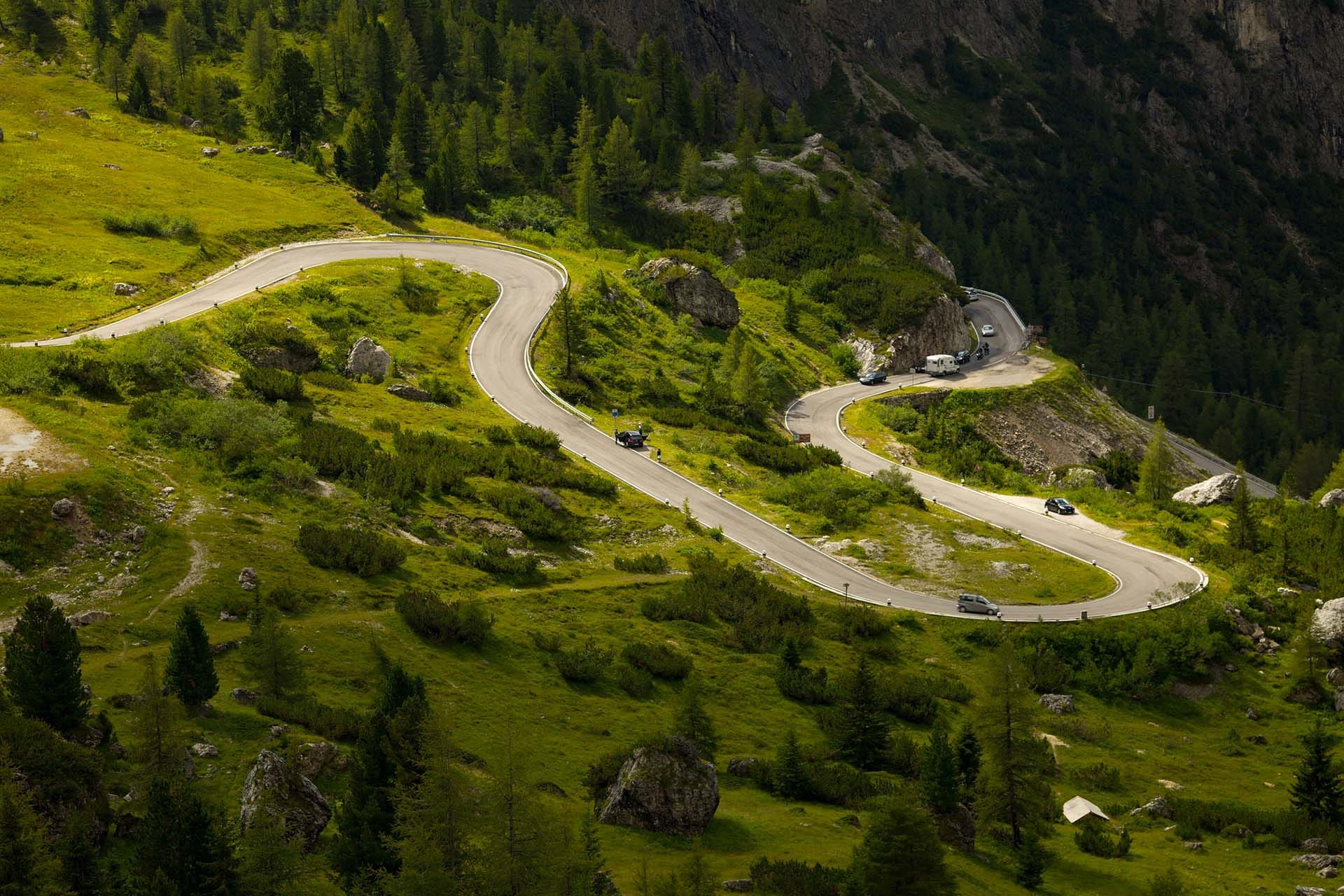
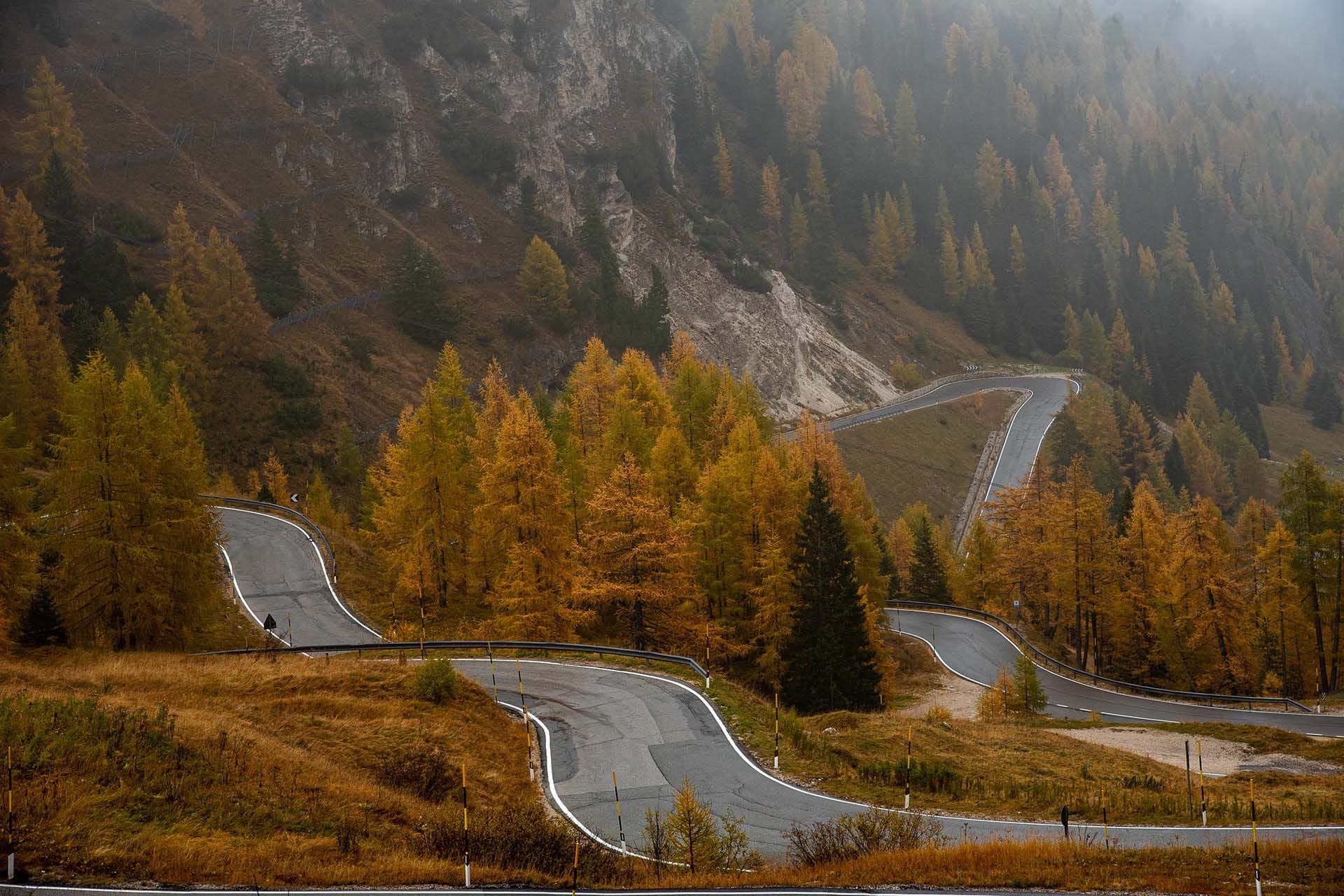
The Passo Giau (2,233 m) is the Cima Coppi — the highest point of the 2026 Giro d'Italia. Crossing through a UNESCO World Heritage Dolomite landscape of meadows, raw limestone walls, and views extending across three valleys, the Giau last appeared in the 2021 Giro, where it hosted one of the most decisive attacks in recent Grand Tour history. At 9.3% average gradient for nearly 10 kilometers, it is among the most consistently demanding HC climbs in Italian cycling.
The final summit finish at Piani di Pezzè above Alleghe — with 8 hairpins, a central section at 15%, and a last kilometer at a sustained 11% — provides no final respite. For any rider with ambitions of the maglia rosa, this is the moment of reckoning: arrive here with a lead and defend it; arrive here without one and the race is over.
Stage 20 — Gemona del Friuli › Piancavallo, 200 km | Saturday, May 30
The penultimate stage carries historical weight beyond sport: it begins in Gemona del Friuli, a town that was almost entirely destroyed by the catastrophic earthquake of May 6, 1976, and rebuilt stone by stone in the decades that followed — making the 2026 edition a tribute to the 50th anniversary of that disaster and to the resilience of a community.
What awaits after the symbolic start is one of the most physically demanding stages of the entire race. The route crosses the Friulian plain before entering a 53-kilometer final circuit with a double ascent of Piancavallo, 14.5 kilometers at an average gradient of 7.8%, with peaks of 14%. The climb is first summited with around 53 kilometers remaining; a long descent to Lake Barcis and a four-kilometer tunnel in slight descent follow before the peloton faces Piancavallo a second and final time.
Piancavallo's history at the Giro is one of drama and selection: Marco Pantani won here in 1998 on his way to the overall victory that year; Tao Geoghegan Hart announced himself as a title contender here in 2020, outsprinting Jai Hindley and Wilco Kelderman on the way to the maglia rosa. The last summit finish of the 2026 Giro: whoever crosses the line in pink here will almost certainly carry it to Rome.
Stage 21 — Roma › Roma, 131 km | Sunday, May 31
The 109th Giro d'Italia concludes in Rome, for the eighth time in the race's history and the fourth consecutive year, an unbroken streak without precedent. The Eternal City hosted a stage in the very first Giro d'Italia in 1909; 117 years later, it remains the Corsa Rosa's most fitting stage.
The route departs from the EUR district, makes a loop south to the sea at Ostia, and returns before entering a 9.5-kilometer finishing circuit ridden eight times through the heart of ancient Rome. The circuit passes the Colosseum (where an intermediate sprint is held) runs along the Imperial Forums, follows the banks of the Tiber, and finishes on the Via del Circo Massimo, the broad avenue flanking the ancient Circus Maximus, the largest stadium ever built in the Roman world. The road surface includes short sections of sanpietrini — Rome's iconic cobblestones — which can be treacherous in the final laps. A fitting theater for the crowning of the 109th champion of the Corsa Rosa.
Why this edition matters beyond the race
The 2026 Giro d'Italia is not simply a cycling competition. It is a three-week moving festival through some of the most extraordinary places in Europe, a race that doubles as a grand tour of the Italian peninsula in its truest sense.
The route visits 16 Italian regions, stretching from Calabria to Friuli-Venezia Giulia. Along the way, it passes Greek temples at Paestum dating to the 6th century BC, Roman roads and amphitheaters in the ancient heartland of the south, and Dolomite passes sculpted by glaciers over millions of years. It moves through Norman cathedrals in Calabria, Baroque piazzas in Naples, Renaissance hill towns in the Marche, medieval fortress cities in Bulgaria, the lakeshores of Verbania and Lake Maggiore, the Prosecco UNESCO wine hills of Conegliano Valdobbiadene, and the imperial monuments of Rome. Every stage, beneath the sporting spectacle, is a geography lesson, a history lesson, and a gastronomic invitation.
Watching the Corsa Rosa at roadside is among the great free cultural experiences of the Italian spring. There are no tickets, no barriers between spectator and athlete, no distance from the spectacle. The peloton arrives at full speed and is gone in seconds — and what remains is the landscape, the village, the local food stand, and the particular pride of a community that has dressed itself in pink for the occasion. Planning a trip around the 2026 Giro d'Italia route means choosing some of Italy's finest destinations and arriving at them at the precise moment when they are most fully, most joyfully alive.
Travel Guide
the 2026 Giro d'Italia travel guide — everything you need to experience the Corsa Rosa in Italy.
This article is part of the Guide to Italy coverage of the 2026 Giro d'Italia. For spectator tips, stage-by-stage travel itineraries, and the best places to watch the Corsa Rosa live from the roadside, explore our complete resource:
Latest Info
You can also find all the latest information on the Official Giro d'Italia website.
giroditalia.it
Guide to Italy is more than an editorial project—it’s a curated solution for travelers who demand depth, private access, and expert-led storytelling. Elevate your journey and make Italy yours.


