
Spring in the Italian peninsula offers a unique window for travelers, but May brings a transformation unlike any other time of the year. As the lingering chills of winter dissipate and the countryside erupts into a vibrant tapestry of blooming poppies and lush vineyards, a very specific color begins to dominate the landscape: pink.
This is the hallmark of the Giro d'Italia, the nation’s premier professional cycling Grand Tour. For the culturally curious traveler, the 2026 Giro d'Italia offers far more than a world-class sporting event: it provides an unparalleled, dynamic itinerary for an unscripted exploration of the Bel Paese.
This comprehensive Giro d'Italia travel guide delves into how travellers can utilize the race route as a masterful blueprint for their vacation. By following the peloton, you will bypass crowded tourist traps and step directly into the authentic, passionate soul of the nation.
- The magic of May in Italy and the unique atmosphere of La Corsa Rosa
- What is the Giro d'Italia? A brief history and cultural significance
- The 2026 route highlights: a blueprint for exploration
- How to follow the race: logistics for the traveler
- Immersing in the culture: beyond the bicycle
- Practical planning: weather expectations and transportation
- FAQ: insider travel tips for the Giro d'Italia 2026
- Crafting an unforgettable Giro d'Italia 2026 itinerary
The magic of May in Italy and the unique atmosphere of La Corsa Rosa
To travel through Italy during the spring shoulder season is to witness a country awakening. The May weather in Italy is generally characterized by comfortable warmth, making it the ideal climate for immersive cultural exploration without the oppressive heat and overwhelming crowds typical of July or August.
Yet, it is the presence of the cycling race—affectionately known as La Corsa Rosa (The Pink Race)—that elevates this seasonal charm into a month-long, traveling festival.
As the race approaches a host municipality, the atmosphere becomes electric. Historic piazzas are draped in pink ribbons, local bakeries craft rose-hued pastries, and vintage bicycles are suspended from balconies. This is not a static tourist attraction; it is a fiercely communal event. Gathering along a cobblestone street to await the riders allows you to participate in a shared, joyful anticipation.
It is a rare opportunity to witness authentic civic pride, shifting your focus away from the monumental landmarks of major cities and toward the vibrant, pulsing life of provincial towns and remote alpine villages.
What is the Giro d'Italia? A brief history and cultural significance
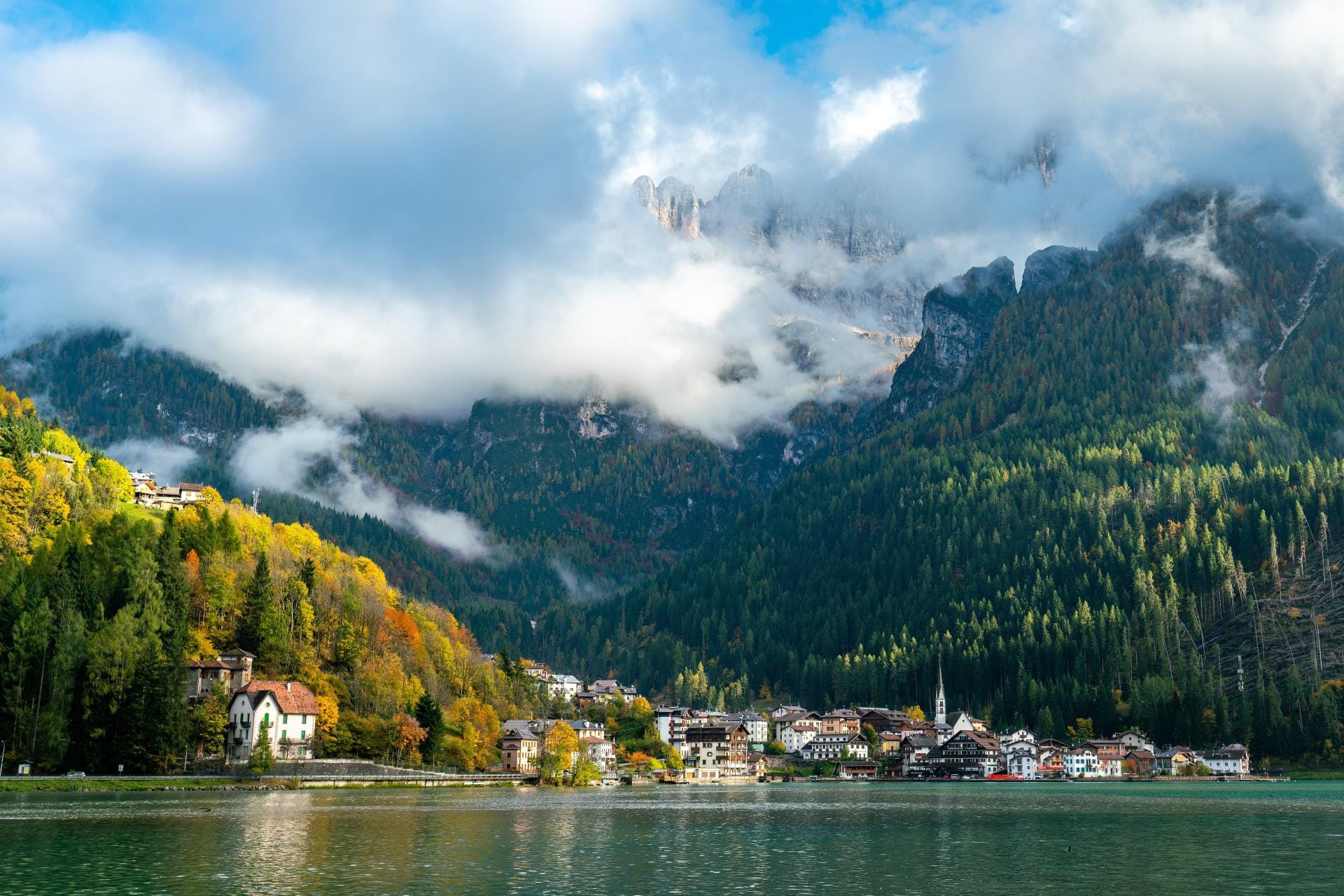
To comprehend the Giro d'Italia is to look far beyond the blur of carbon-fiber frames and the high-tech aerodynamics of the modern peloton. This race is not merely a sporting competition; it is a living chronicle of the Italian soul. Since its inception, it has functioned as a physical thread weaving together the disparate cultures, dialects, and landscapes of the Italian peninsula.
The birth of a legend: how pink became the color of victory
The origins of the race are rooted in a masterstroke of 20th-century marketing. Conceived in 1909 by the sports newspaper La Gazzetta dello Sport, the race was initially a bold strategy to increase circulation and unify the country through a shared national event.
The most iconic symbol of the race, the Maglia Rosa (the pink jersey), did not appear until 1931. Its distinctive hue was chosen for a very practical reason: it matched the pink newsprint of the newspaper that founded the event. Today, that color has transcended its commercial origins to become a symbol of endurance, prestige, and the ultimate dream for every professional cyclist.
A nation unified: the cultural weight of the race
Historically, the Giro d'Italia played a fundamental role in the social reconstruction of Italy, particularly in the fractured landscape following World War II. During this era, the race provided a narrative of hope and recovery. The legendary rivalry between Gino Bartali and Fausto Coppi did more than just sell newspapers; it reflected the deep cultural and political divisions of the time:
- Gino Bartali: represented the traditional, rural, and deeply religious heart of Italy.
- Fausto Coppi: symbolized the modern, secular, and industrial future of the nation.
Their battles across the mountain passes became a national obsession, offering a sense of collective identity and resilience to a population rebuilding their lives and their country.
The rolling monument: an unparalleled travel itinerary
Unlike static monuments or museum exhibits, the Giro d'Italia is a dynamic spectacle that brings the world’s elite athletes directly to the doorsteps of the people. It is often described as a "rolling monument" because it utilizes the most historical and scenic paths of the country as its stage.
By following the route, you encounter:
- Ancient Roman roads: where the echoes of legions meet the whirring of modern bike chains.
- Medieval hamlets: hidden villages in the Apennines that remain untouched by mass tourism.
- The Dolomites: world-renowned alpine passes that challenge the limits of human endurance and offer the most breathtaking vistas in Europe.
The 2026 route highlights: a blueprint for exploration
The route of the Giro d'Italia changes every year, ensuring that different regions receive the international spotlight. The 2026 itinerary has been crafted to showcase a magnificent cross-section of the Italian landscape, serving as a perfect travel template for those planning an independent trip.
The Grande Partenza: historic beginnings and the southern Italian arrival
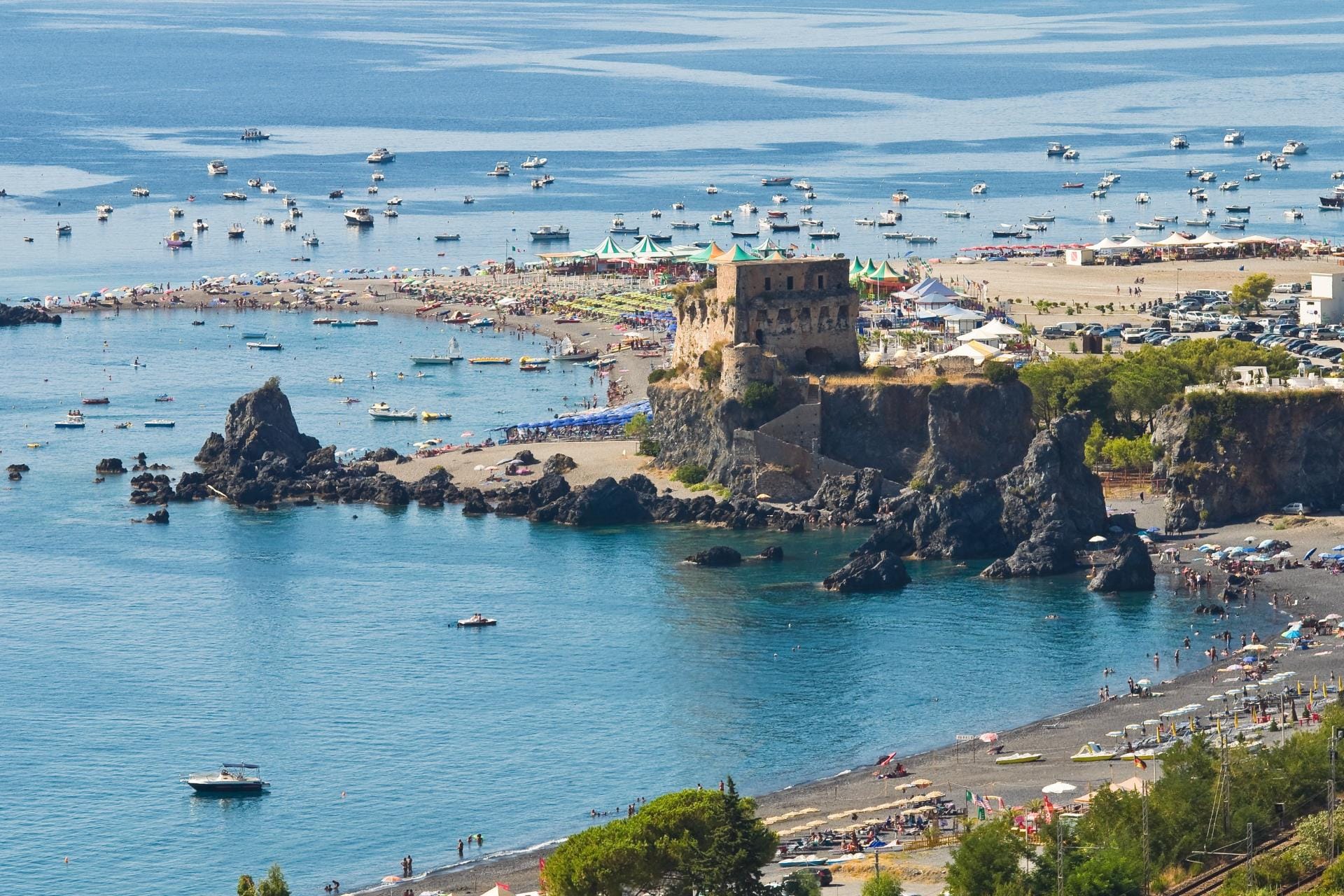
While the 2026 edition makes history with its Grande Partenza starting in Bulgaria, the race quickly transfers to the sun-drenched coastlines of southern Italy. Beginning the Italian leg in Calabria, the opening stages offer a mesmerizing blend of coastal beauty and rugged terrain. Visitors following these early days can explore the ancient Greek heritage of the south, witness the spectacular Amalfi Coast as the peloton races toward Naples, and indulge in the unparalleled culinary traditions of the Campania region.
The journey northwards: the Apennines and the heartland
As the race advances up the peninsula, the route tackles the rugged, less-traveled Apennine mountains in Abruzzo—featuring grueling climbs like the infamous Blockhaus—before weaving through the rolling, cypress-lined hills of central Italy. This crucial middle segment of the race highlights the pastoral heartland of the country. It is an area characterized by isolated monasteries, fortified medieval hilltop towns, and some of the world's most revered wine country.
To maximize your cultural immersion in this region, consider exploring:
- Hidden hamlets: wander through historic villages in the Apennines that remain largely untouched by mass tourism.
- Vineyard tours: taste world-class regional wines directly from the producers in the central valleys.
- Authentic trattorias: savor deeply traditional, slow-cooked local dishes.
The alpine battlegrounds: Trentino-Alto Adige and Veneto
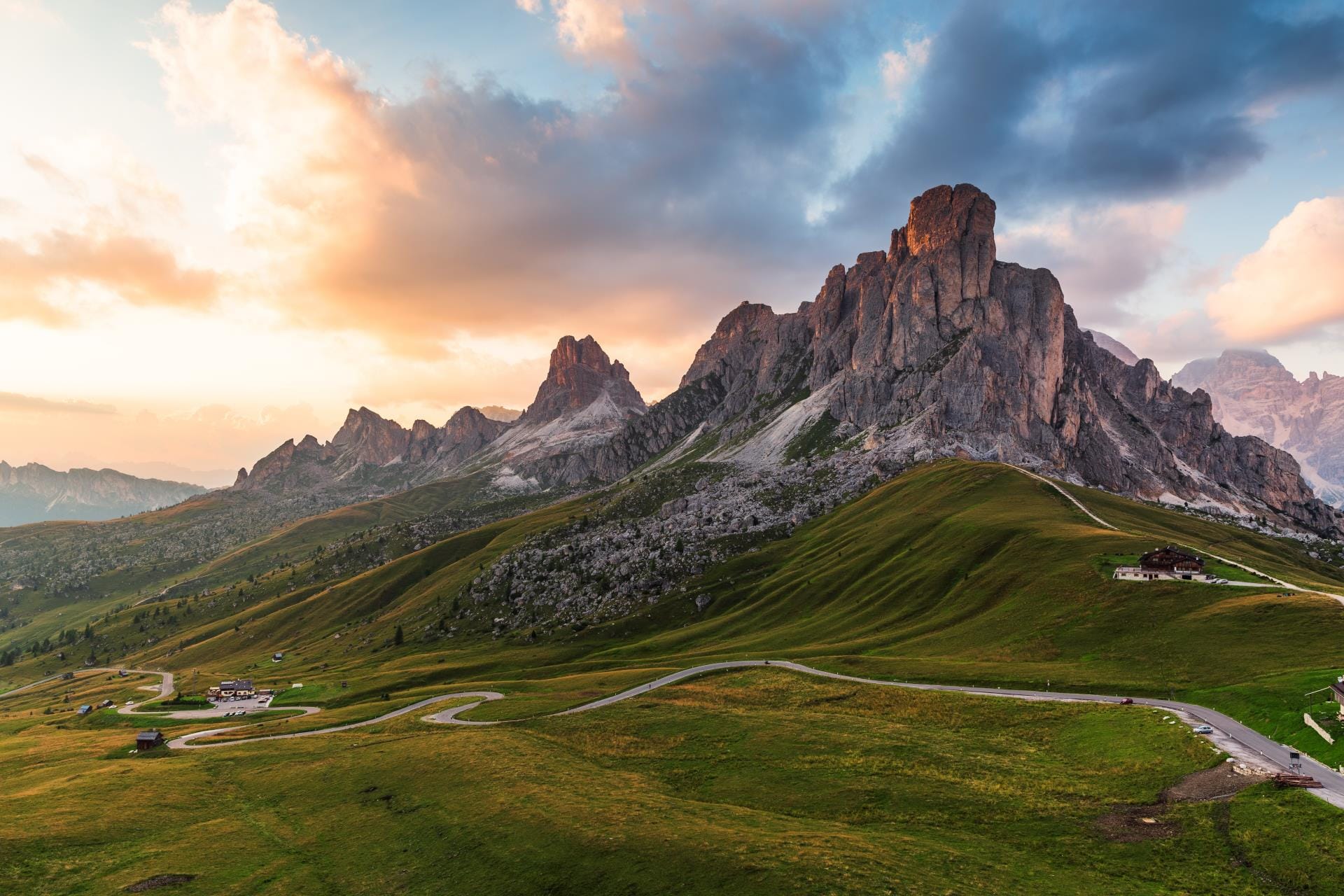
The grueling third week is traditionally reserved for the high mountains, and 2026 is no exception. The peloton weaves through the breathtaking, jagged peaks of the Trentino-Alto Adige and Veneto regions, conquering legendary climbs including the Cima Coppi (the highest altitude point of the race) at Passo Giau. Exploring this northern frontier offers a distinct shift in culture and architecture, reflecting a fascinating blend of Italian and Austrian influences set against the dramatic, UNESCO-protected backdrop of the Dolomites.
The Grande Arrivo: the grand finale in Rome
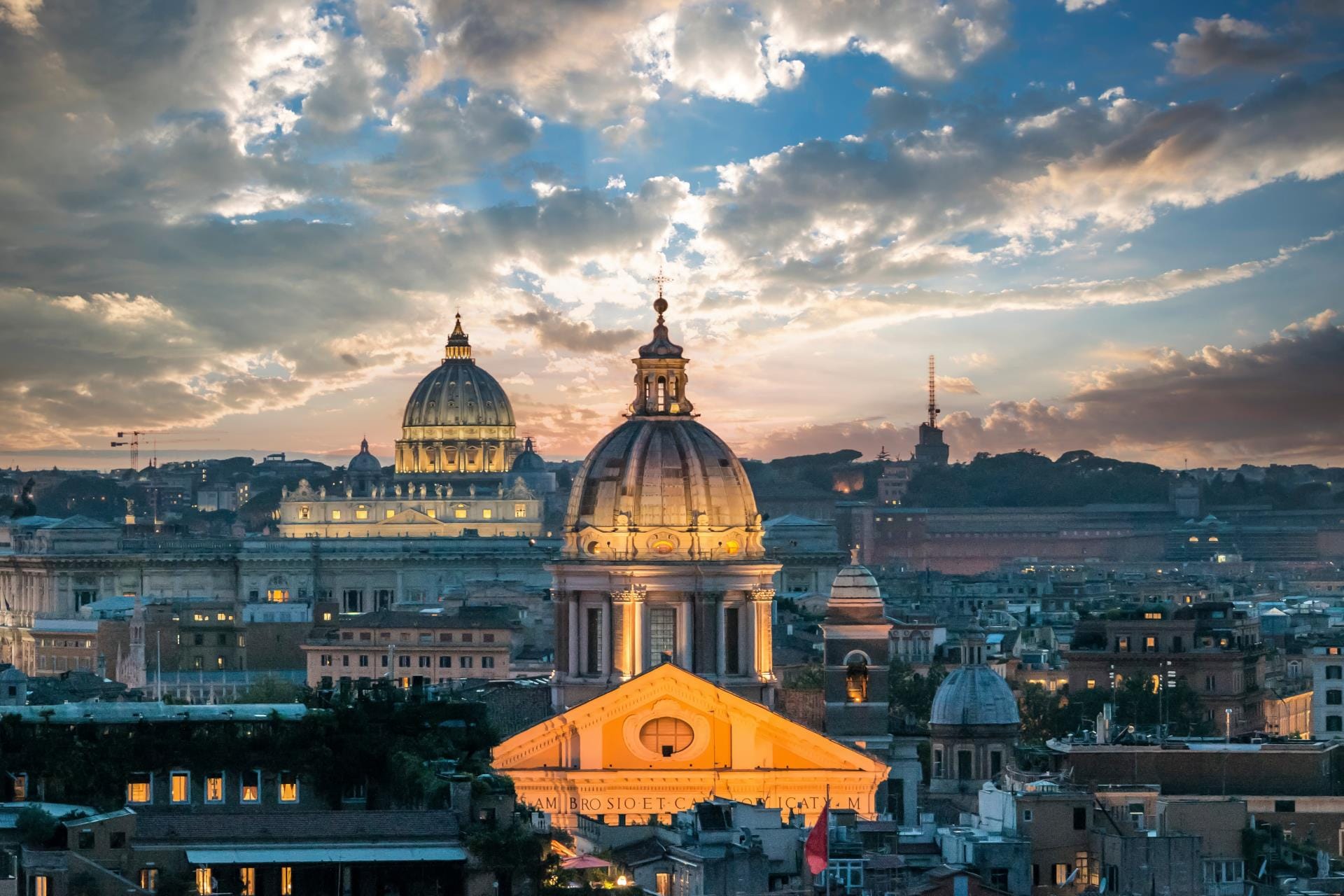
The three-week saga culminates in a triumphant Grande Arrivo in the capital city. The contrast between the exhausting mountain stages and the celebratory final sprint past the Colosseum and the Roman Forum provides a perfectly cinematic conclusion. Watching the cyclists navigate the ancient cobblestones of Rome anchors the sporting achievement amidst millennia of human history, offering travelers a spectacular end to their Italian journey.
How to follow the race: logistics for the traveler
Integrating the Giro d'Italia into a travel itinerary requires meticulous planning and a deep understanding of the event's rhythm. The spectator experience can be broadly categorized into two distinct settings: the immersive, structured environment of the host towns and the raw, unpredictable excitement of the roadside.
Navigating the host villages
Every stage features official race infrastructure, anchored by a Villaggio di Partenza (Start Village) and a Villaggio di Arrivo (Finish Village). Each offers a drastically different atmosphere for the international traveler.
- Start Villages: these locations offer a festive, relaxed morning atmosphere. Visitors have the opportunity to observe the professional athletes signing in, inspect the cutting-edge bicycles, and soak in the pre-race entertainment. Arriving early provides an excellent window to explore the host town's historic cafes and architectural landmarks before the crowds peak.
- Finish Villages: the atmosphere at the conclusion of a stage is charged with high-stakes tension. The infrastructure is massive, featuring large screens broadcasting the race live to thousands of fans. Securing a premium vantage point near the finish line requires arriving several hours in advance, but the reward is unparalleled: witnessing the explosive final sprint, feeling the roar of the crowd, and attending the emotional podium ceremonies.
The roadside experience
Watching the race transit through the rural countryside or conquer a grueling mountain pass is the quintessential Giro experience. This approach requires studying the official race timetable—the cronotabella—and strategically selecting a scenic vantage point.
- Anticipating road closures: drivers must be aware of strict road closures (strade chiuse). Authorities typically shut down access to mountain passes and key rural roads three to four hours before the peloton's expected arrival.
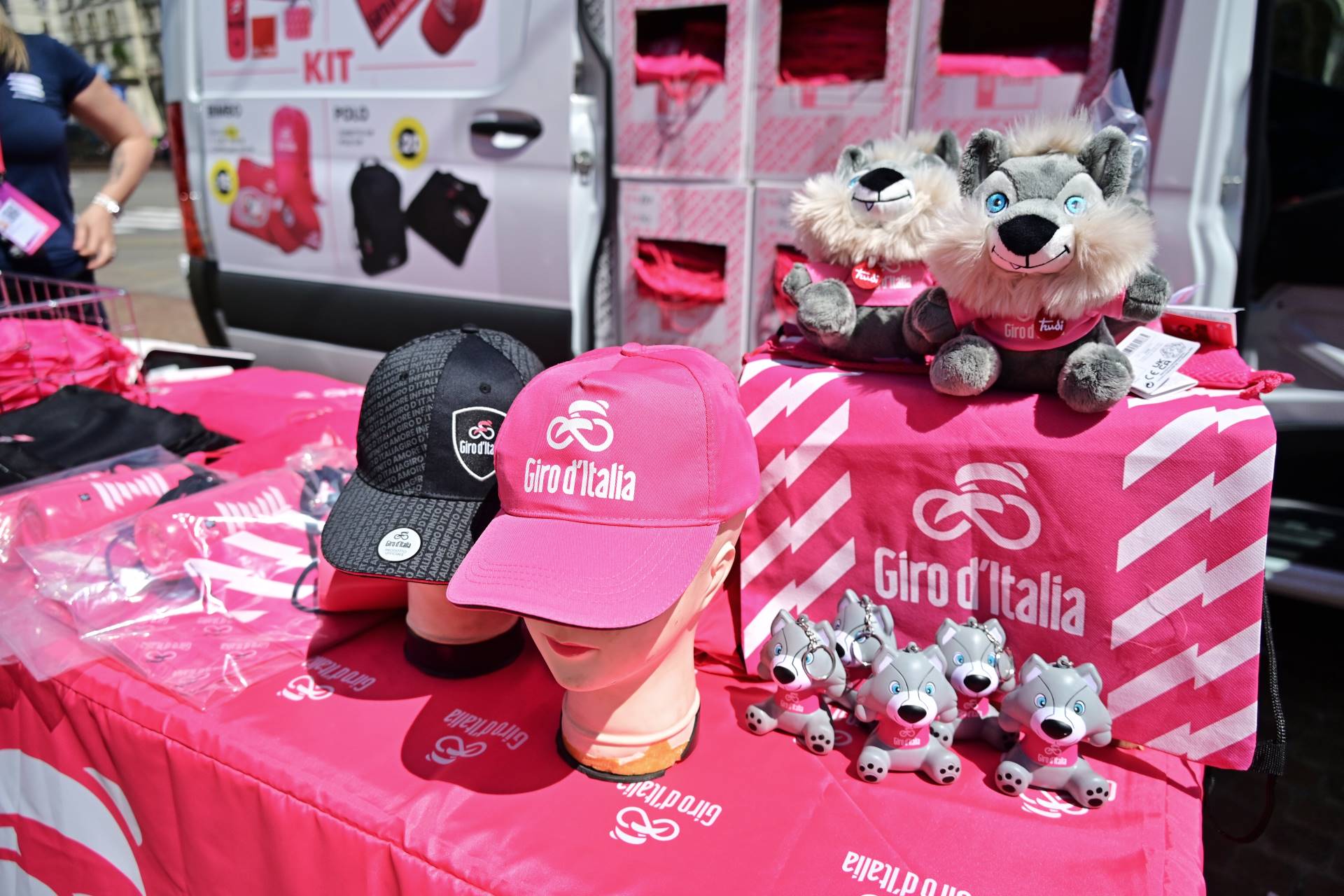
- The Carovana Pubblicitaria: roughly an hour before the cyclists arrive, the sponsor parade, known as the Carovana, passes through. This loud, colorful procession of customized vehicles blasts music and distributes souvenirs to the waiting crowds, creating a vibrant carnival atmosphere on the most isolated mountain peaks.
- The peloton's passage: the actual transit of the cyclists is a fleeting, exhilarating rush of wind, whirring chains, and bright team colors that lasts only a few minutes. Ultimately, the true joy of the roadside experience lies in the hours spent picnicking, conversing with passionate local fans, and absorbing the magnificent Italian scenery while awaiting the athletes.
Immersing in the culture: beyond the bicycle
The most profound way to experience the Giro d'Italia 2026 is to view the sporting event as a compelling excuse to indulge in regional Italian culture. The geographic progression of the race perfectly mirrors the astonishing diversity of the nation's heritage, transforming a cycling tour into an elite culinary and historical expedition.
Regional gastronomy: pacing your culinary journey
As the race moves across the peninsula, the culinary focus of the journey must adapt. Following the 2026 route requires a dynamic appetite tailored to local traditions, ensuring you experience authentic Italian food exactly where it originated:
- The southern stages: as the race navigates Calabria and Campania, the itinerary demands indulging in spicy 'nduja, authentic Neapolitan pizza, and the freshest mozzarella di bufala.
- The central heartland: as the stages transition into the Apennines and central regions like Tuscany or Emilia-Romagna, the focus shifts to robust, slow-cooked ragù, aged Parmigiano-Reggiano, and dishes enriched with precious local truffles.
- The alpine north: in the high altitudes of the Dolomites, travelers can savor hearty canederli (traditional bread dumplings) and cured speck, perfectly reflecting the rugged alpine environment.
Oenological discoveries: a moving wine tasting
The 2026 route functions as a moving, world-class wine tasting. Spectators can toast the peloton's passage with regional Italian varietals that perfectly encapsulate the local terroir. The journey offers a masterclass in wine tourism in Italy:
- Southern vineyards: the journey begins with a crisp Greco di Tufo or a bold Aglianico in the southern regions.
- Central cellars: transitions to an elegant Chianti Classico or Brunello di Montalcino during the central stages.
- Northern toasts: celebrates the dramatic mountain victories with a refined Franciacorta or an aromatic Gewürztraminer in the north.
Historical context: stepping into the past
Every kilometer of the race is steeped in millennia of human history. A morning spent waiting for the race to pass is perfectly utilized by exploring the surrounding Italian heritage sites. The route provides a curated path through Italy's inexhaustible cultural wealth, allowing visitors to seamlessly transition between eras:
- Ancient antiquity: admiring remarkably preserved Roman amphitheaters and archaeological sites in the south.
- The Middle Ages: exploring fortified medieval castles and Renaissance piazzas in the central hills.
- Modern history: reflecting upon poignant World War I monuments scattered across the northern alpine passes.
Practical planning: weather expectations and transportation
For the meticulous planner, seamless logistics are the bedrock of a successful, independent Giro-centric vacation.
Mastering the May weather: packing for the Italian spring
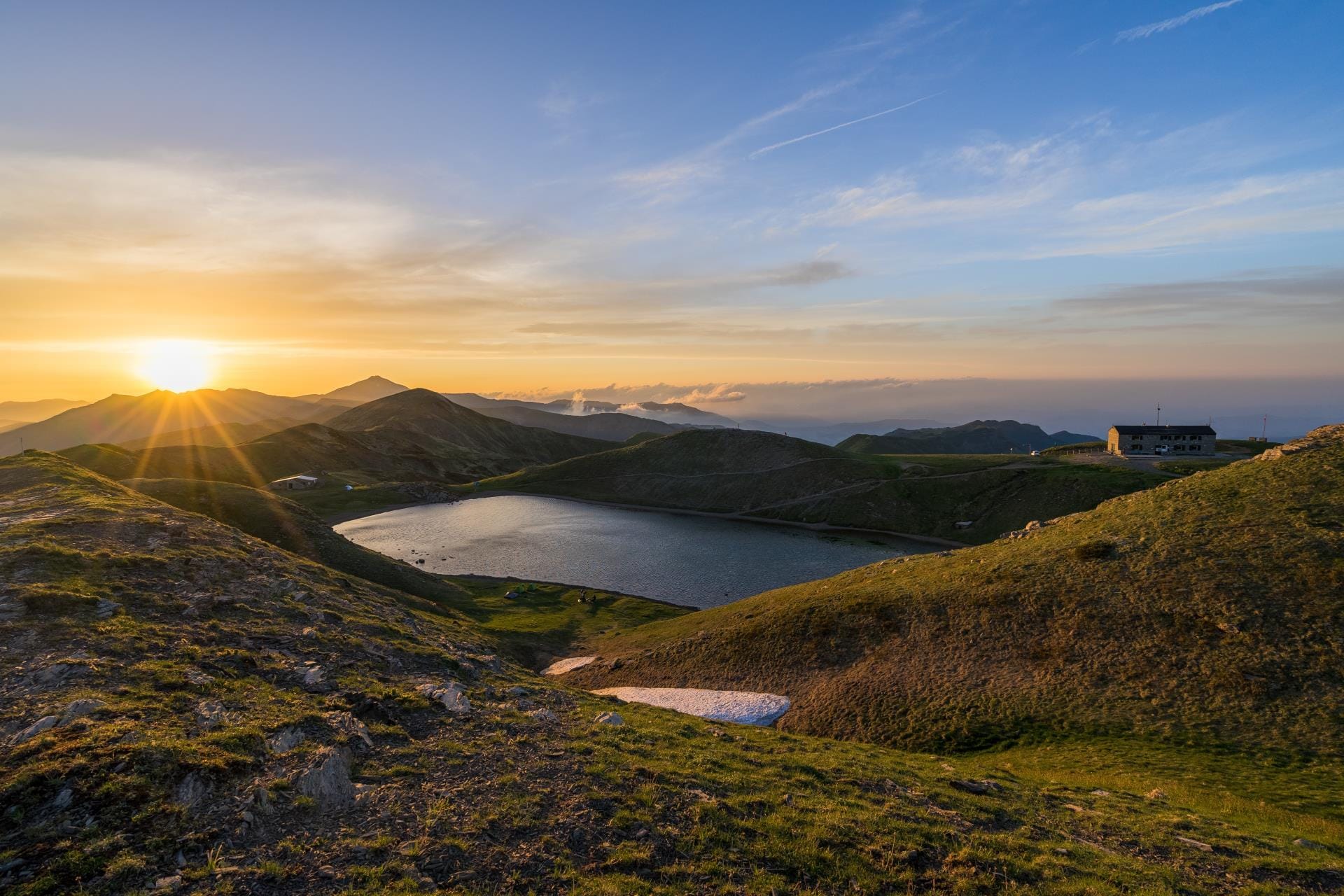
Italy's elongated geography dictates highly variable May weather conditions. While southern regions and coastal areas generally offer brilliant sunshine and temperatures ideal for light, comfortable clothing, following the race into the Apennines or the Alps requires serious logistical foresight.
High-altitude mountain passes can experience rapid weather shifts, plummeting temperatures, and even late-season snowstorms. A comprehensive packing strategy is an absolute necessity for roadside spectators:
- Layered clothing strategy: incorporating breathable fabrics for warmer valleys and strenuous hikes to viewing spots.
- Alpine essentials: packing waterproof jackets, windbreakers, and high-quality thermal wear for elevated mountain stages.
- Comfortable footwear: essential for safely navigating uneven medieval cobblestones and steep, grassy roadside embankments.
Strategic transportation: utilizing trains and rental vehicles
Moving efficiently between race stages and host municipalities requires a dual approach to Italian transportation logistics, balancing the speed of the rail network with the freedom of a personal vehicle.
- High-speed rail network: operated by Trenitalia and Italo, the national train system is incredibly efficient for traveling between major start and finish towns. High-speed lines seamlessly connect the primary metropolitan hubs, while regional trains access smaller provincial stations near the race route.
- Rental vehicles for remote access: for travelers aiming to experience the race on isolated mountain passes or deep within the pastoral countryside, a rental car is mandatory.
- Navigating road closures: local authorities enforce strict road closures (strade chiuse) along the entire race path, often shutting down vehicular access to mountain passes three to four hours before the peloton's expected arrival. Independent drivers must arrive exceptionally early, park securely off the main roadway, and be prepared to wait until the official fine gara (end of race) vehicle passes before the roads officially reopen.
FAQ: insider travel tips for the Giro d'Italia 2026
Below are the essential answers to the most common questions for the traveler organizing a journey to the Giro d'Italia 2026.
Are tickets required to watch the Giro d'Italia along the route or at the finish line?
No tickets are required for general public viewing. The Giro d'Italia is entirely free to watch from the roadside, on mountain passes, and in the general public areas of the start and finish towns. However, exclusive VIP hospitality zones located near the finish line, which offer catered food, seating, and premium views, do require advanced ticket purchases through official channels.
How exactly is the winner of the Maglia Rosa (Pink Jersey) determined?
The Maglia Rosa is awarded to the rider with the lowest cumulative time across all the completed stages. It is a measurement of overall consistency and endurance rather than just winning individual daily races. A cyclist can potentially win the entire Giro d'Italia without ever finishing first in a single daily stage, provided their aggregate time remains the lowest in the general classification.
Is it feasible for amateur cyclists to ride the race route on the same day as the professionals?
Yes, but with strict limitations. Amateur cyclists frequently ride up the famous mountain passes on the morning of the race to secure a viewing spot. However, all cyclists and pedestrians must clear the official race roadway before the local police enforce the hard road closure, which typically occurs a few hours before the sponsor caravan arrives.
How difficult is it to secure accommodation in towns hosting a stage start or finish?
Securing high-quality accommodation in host municipalities is exceptionally challenging. When the Giro arrives, it brings thousands of individuals, including teams, mechanics, media, and race officials, who reserve hotel blocks up to a year in advance. Independent travelers must book their accommodations many months prior to May, or seek lodging in neighboring villages a short train or car ride away from the immediate race hub.
What protocol is followed if severe weather strikes a high-altitude mountain stage?
Race organizers prioritize athlete safety. If late-season blizzards, avalanches, or extreme ice render a mountain pass impassable or overly dangerous, the "Extreme Weather Protocol" is enacted. The race director holds the authority to reroute the stage, bypass the dangerous peak, shorten the distance, or, in very rare and extreme circumstances, cancel the stage entirely for the day.
Crafting an unforgettable Giro d'Italia 2026 itinerary
The Giro d'Italia remains an ephemeral masterpiece, a grand, moving spectacle that highlights the staggering beauty of the Italian peninsula. For the independent, culturally curious traveler, utilizing the 2026 race route offers an unscripted, extraordinary methodology to experience the country.
This approach dictates a path less traveled, introducing regional nuances and authentic interactions often bypassed by standard tourist itineraries. By anchoring a vacation to this prestigious cycling Grand Tour, explorers gain access to a curated cross-section of the nation's most profound assets:
- Untouched landscapes: discovering remote Apennine villages, sun-drenched southern coastlines, and majestic alpine passes far removed from mass tourism.
- Authentic gastronomy: indulging in deep-rooted regional culinary traditions and oenological discoveries that shift dynamically with each geographical stage.
- Living history: standing amidst ancient Roman ruins and fortified medieval castles while witnessing a modern athletic triumph.
Ultimately, following La Corsa Rosa provides a front-row seat to the passionate, vibrant heart of Italian civic life. Visitors do not simply observe the destination; they feel its pulse, taste its heritage, and participate in a uniquely Italian celebration of endurance and beauty. The Giro d'Italia 2026 is not merely a sporting event to witness; it is the ultimate blueprint for discovering the authentic soul of the Bel Paese.
Guide to Italy is more than an editorial project—it’s a curated solution for travelers who demand depth, private access, and expert-led storytelling. Elevate your journey and make Italy yours.


