
Few destinations anywhere in the world ask as much of a traveler — and give back as much in return — as Italy in summer. It announces itself not with a single monument or a single landscape, but with a quality of light that seems slightly older than the light everywhere else, as if the sun here has been illuminating human ambition for so long that it, too, has become cultured. On a June morning in a hill town, with the smell of espresso crossing a stone piazza and the sound of a market setting up around the corner, something becomes immediately clear: this is not a country to visit.
It is a country to inhabit — and for the traveler approaching Italy with genuine curiosity, the summer season makes that inhabitation feel not just possible but inevitable.
In this article:
- 01 Why summer 2026 is the right moment to discover authentic Italy
- 02 The Italian philosophy of summer: understanding la bella stagione before you travel
- 03 The three pillars of summer travel in Italy: sea, mountains, and cities
- 04 History, art, and architecture in Italy: how to approach a country that is itself a museum
- 05 Italy nature and landscape: the wild, volcanic, and surprisingly undiscovered side of the country
- 06 Italian food and wine in summer: a regional guide to the world's most diverse culinary culture
- 07 Italian summer festivals and traditions: the complete guide to Italy's living cultural calendar
- 08 Planning your Italian summer: the essential practical guide for first-time visitors
- 09 Frequently asked questions about visiting Italy in summer 2026
- 10 Approaching Italy in summer 2026 with the right posture
Why summer 2026 is the right moment to discover authentic Italy
Summer in Italy is not simply a season on the calendar. It is a state of being — a collective choreography of rituals, flavors, light, and sound that has evolved over millennia and still plays out with extraordinary coherence across the entire peninsula. Summer 2026 represents a particularly compelling window of opportunity.
Across the country, Italian municipalities, regions, and cultural institutions have made a decisive shift toward quality-over-quantity tourism — a transformation now tangible at every level of the travel experience:
- New hiking trails opened and officially mapped across the Apennines, the Alps, and the southern interior
- Ancient wine roads expanded, signposted, and made accessible to independent travelers across major DOC and DOCG zones
- Agriturismi upgraded to new hospitality standards, offering working-farm experiences that connect visitors directly to the land and its produce
- Local sagre and cultural festivals revived across dozens of regions, restoring community celebrations that had fallen dormant
The country is simultaneously making serious investments in the accessibility of its lesser-known regions, improving transport links, digital infrastructure, and multilingual tourist services in areas that, until recently, required a significant degree of logistical determination to reach.
Beyond the classic three cities (Rome, Florence & Venice), across the seventeen other regions that most international visitors never reach, an entire continent of Italian civilization awaits.
The Italian philosophy of summer: understanding la bella stagione before you travel
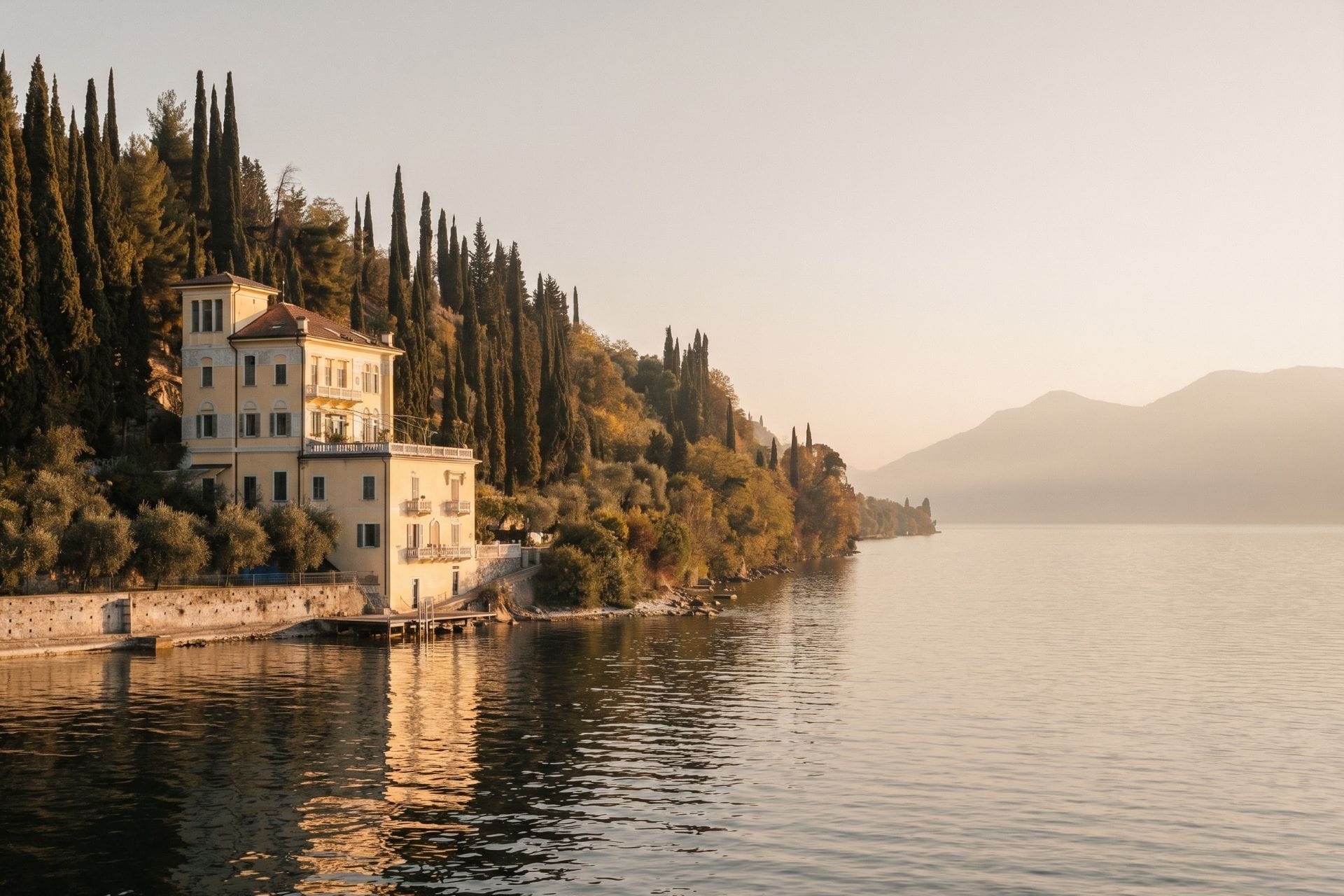
To travel Italy well, especially in summer, it helps first to understand how Italians relate to the season itself. The bella stagione is not a vacation period but the organizing axis of the entire year. The colder months are preparation. Summer is the point. Everything else, in a very Italian sense, is the waiting.
Convivialità: the social architecture of the Italian summer experience
There is no authentic Italian summer without convivialità — a word that translates roughly as conviviality, but carries in Italian a cultural charge that no single English equivalent can fully hold. It describes the art of being together well: at the table, in the piazza, on the beach, at the sagra, under a pergola with a bottle of local wine and a conversation that takes three hours and resolves nothing. This capacity for deliberate, pleasurable togetherness is not incidental to Italian culture. It is the central project — and summer is when it runs at full power.
In the warmer months, convivialità expands outward from the domestic into the public sphere with particular force. Streets that functioned as transit corridors in winter become social stages. The piazza — that uniquely Italian institution, a living room without walls — fills every evening with a cross-generational cast: grandparents on benches, teenagers performing for each other, parents watching children run circuits around the fountain, visitors sitting at the edge of all of it, trying to understand what they are witnessing. What they are witnessing is a civilization demonstrating, with complete unselfconsciousness, one of the things it does best.
Slow down and enter the rhythm rather than observe it from outside: the traveler who lingers in a piazza at nine in the evening, orders a second digestivo without urgency, and allows the social scene to unfold around them will understand more about Italian culture in one hour than a full day of museum-going can provide.
Dolce far niente and the art of slow travel in Italy
The Italian concept of dolce far niente — literally, the sweetness of doing nothing — is one of the most consistently misread aspects of Italian culture by foreign visitors. It is not laziness. It is, in reality, something far more sophisticated: a cultivated capacity to be fully present in a moment without the compulsion to optimize, document, or move on to the next thing. In summer, this philosophy becomes visceral and structurally unavoidable.
The long midday pause. The ritual of the afternoon gelateria visit. The evening passeggiata along the main corso, the unhurried collective stroll that fills the streets of virtually every Italian town between seven and nine in the evening, regardless of region, size, or social class. These are functioning social technologies, evolved over generations to produce well-being, community cohesion, and a specific, high-quality form of daily pleasure that fast-paced travel itineraries systematically destroy.
Italian summer food, landscape, and the seasonal rhythms every traveler should know
Italians are profoundly — almost stubbornly — seasonal in their relationship with food, landscape, and time. This is a deeply ingrained cultural orientation that shapes daily life in ways that become immediately apparent at the market, at the table, and on the road.
Summer has its own specific grammar of flavors, and understanding it transforms every meal into a cultural experience:
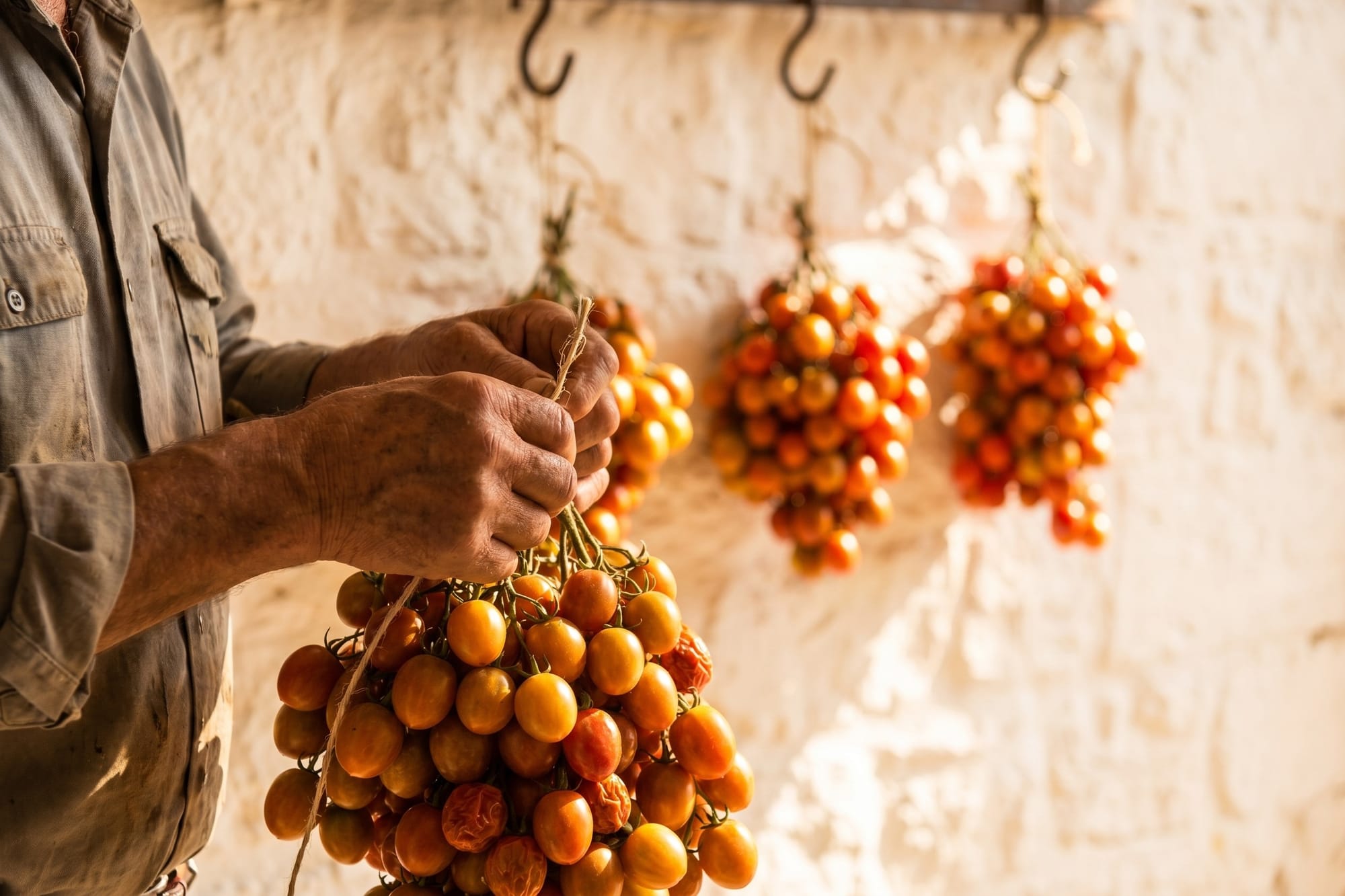
- Pomodori ripened on the vine to a sweetness that cold-chain logistics cannot replicate, the baseline of southern Italian summer cooking;
- Melanzane grilled over open flame, layered into parmigiana, or preserved in olive oil across dozens of regional variations;
- Fichi dropping from trees in village courtyards, eaten fresh or paired with aged cheese and cured meat;
- Granita with a soft brioche at a Sicilian sidewalk table in the early morning — one of the most specific and irreplaceable sensory experiences the country offers
The landscape obeys the same seasonal logic. In early summer, mountain streams fed by melting snow in the higher Alps and Apennines run with startling clarity, creating natural pools and small waterfalls that locals have used for generations as summer retreats. As the season advances, hilltop towns across Umbria, Tuscany, Basilicata, and the Marche catch evening breezes that make dining al fresco not simply pleasant but genuinely necessary, a practical response to the heat that has evolved, over centuries, into one of the defining pleasures of the Italian summer. Understanding this seasonal choreography, and aligning one's own travel rhythm with it, is the first and most important act of intelligent planning for a summer trip to Italy.
Italy, unscripted. Privately yours.
A monthly masterclass in Italian culture.
Decode the local lifestyle through expert analysis and hidden gems.
The three pillars of summer travel in Italy: sea, mountains, and cities
An authentic Italian summer can be organized around three great experiential dimensions — the sea, the mountains, and the cities — each of which represents not merely a type of destination but a distinct civilization, a different emotional register, and a completely different set of pleasures.
Italy's coastline in summer: the best Italian beaches and coastal experiences
Italy's coastline extends for approximately 7,600 kilometers, making it one of the longest and most diverse in the entire Mediterranean, and no two stretches of it are the same. Each section of the Italian coast carries its own history, its own dialect of cuisine, its own social texture, and its own specific quality of light on water.
Some of the most compelling coastal experiences Italy offers in summer:
- Sardinia: waters of Caribbean clarity above ancient Posidonia oceanica meadows (among the oldest living organisms on the planet, in some cases over 100,000 years old) in a landscape that has resisted mass development more successfully than almost any other Italian island;
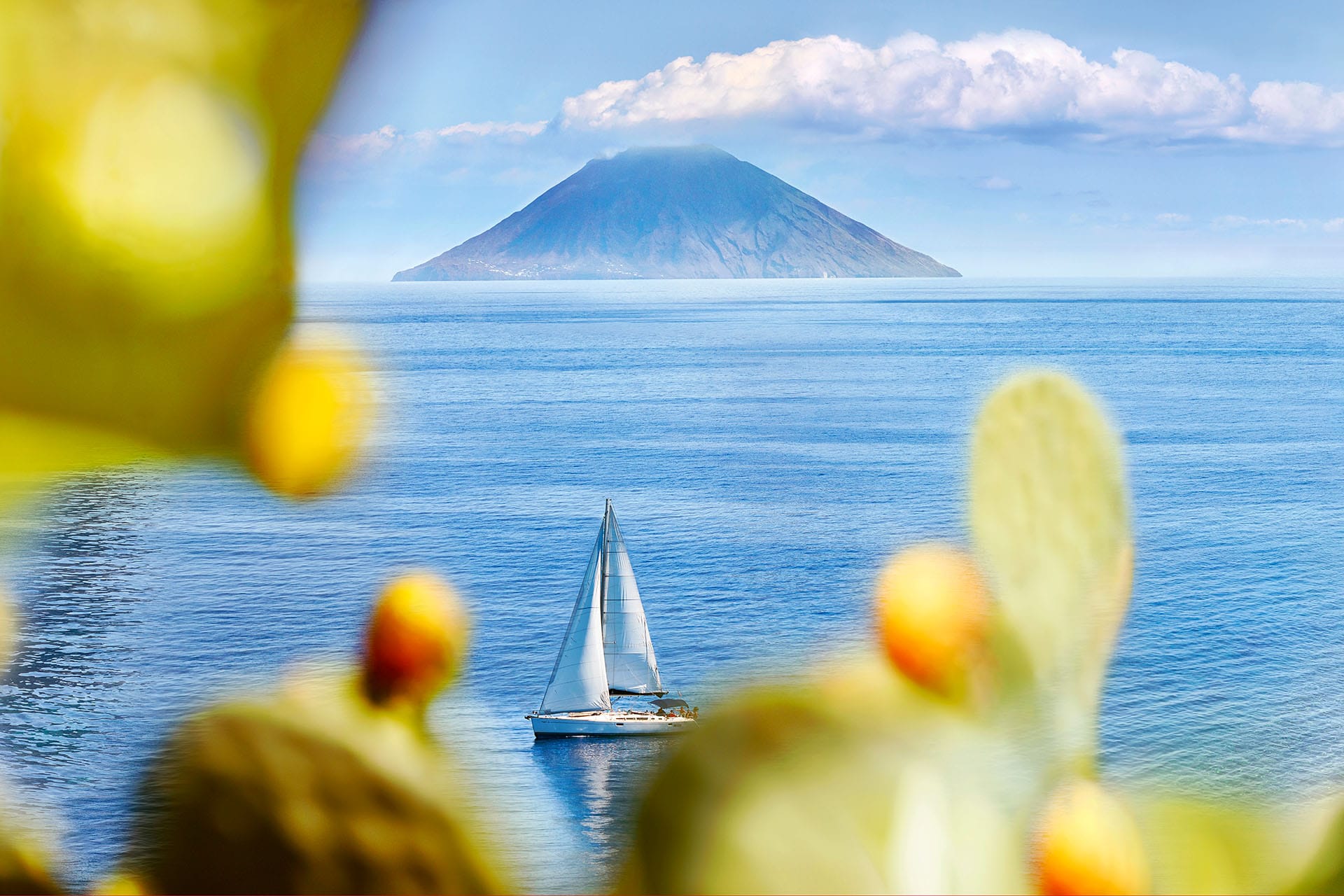
- The Aeolian Islands: volcanic drama combined with crystalline sea across seven islands of radically different character, from the active crater of Stromboli to the thermal mudpools of Vulcano;
- The Ligurian Riviera: refined coastal elegance set against vertiginous terraced olive groves, a landscape that has attracted European aristocracy, artists, and writers for over two centuries;
- Calabria, Basilicata, and southern Puglia: some of the most pristine and uncommercialized coastline remaining in the Mediterranean, where undeveloped beaches, ancient watchtowers, and fishing communities operate largely outside the international tourist economy;
What makes the Italian seaside structurally irreplaceable is not only the water but the lido (the beach club) a specifically Italian institution of organized, communal coastal pleasure operating by unspoken social codes with their own layered fascination. Access to most lidi requires either a daily fee or the rental of a sun lounger and umbrella, and advance booking is strongly recommended during July and August at popular destinations. Beyond the lidi, Italy's marine protected areas and largely undeveloped coastal stretches offer kayaking routes, snorkeling above ancient Greco-Roman wrecks, and the particular silence of coves accessible only by sea.
The Italian coast is three thousand years of maritime civilization, of fishing cultures, Greek colonial trading posts, medieval watchtower networks, and Baroque harbor architecture, accumulated on headlands and harbor fronts from Ventimiglia to Leuca to Trapani.
Italy mountains in summer: hiking, culture, and the country's best-kept travel secret
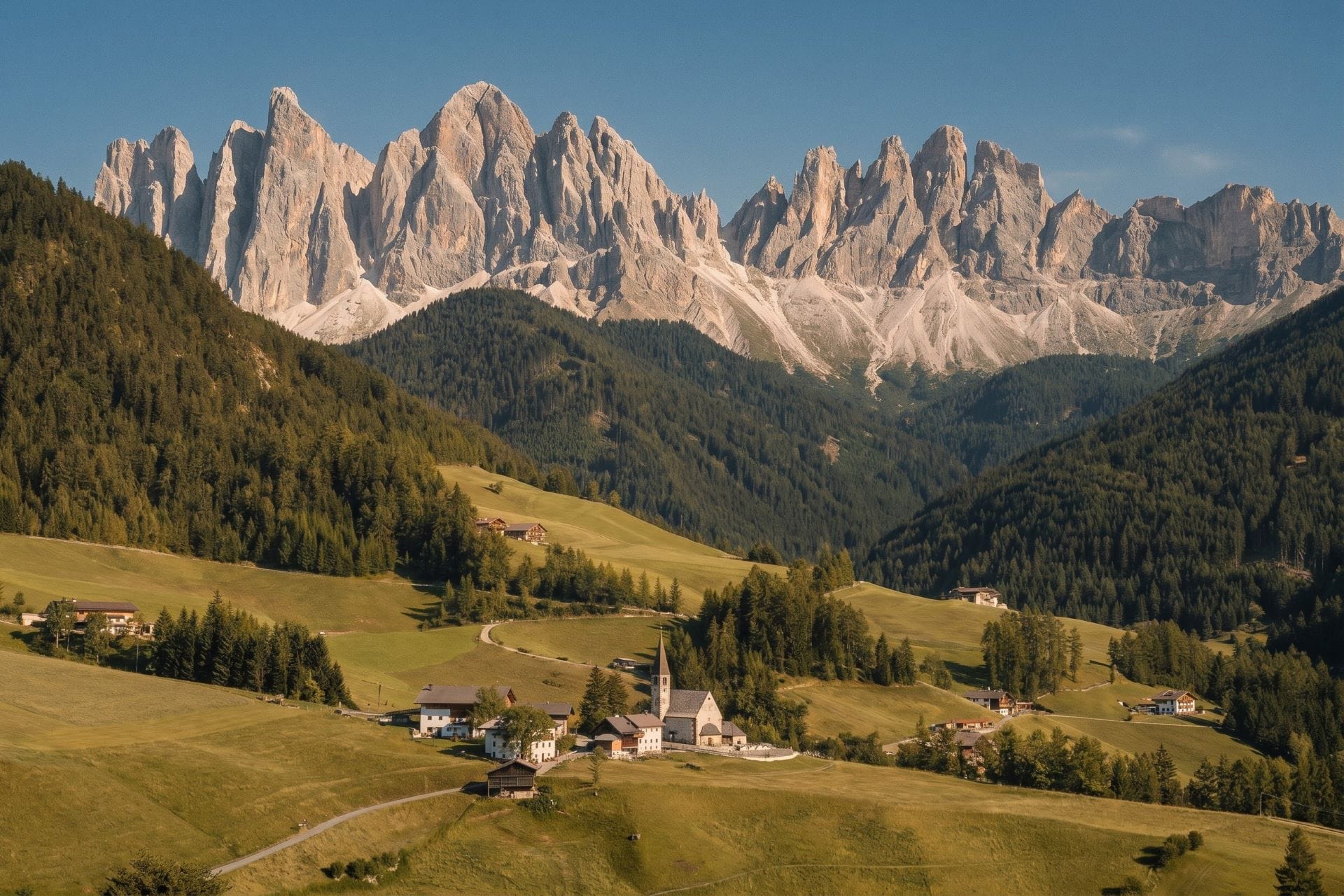
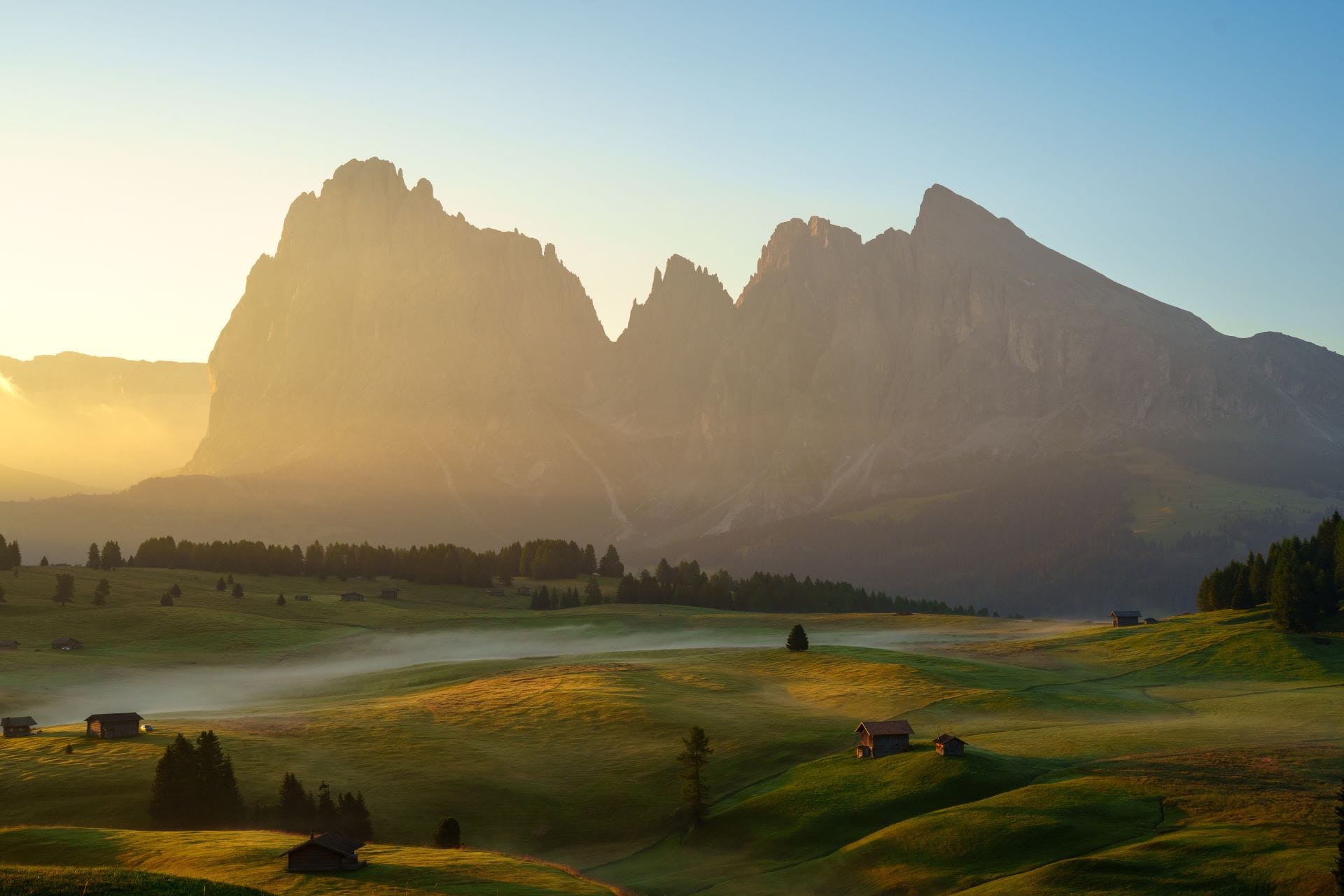
Italy's mountains are, for most international travelers, the country's single greatest undiscovered asset. While the Dolomites (inscribed as a UNESCO World Heritage Site in 2009 for their extraordinary geological formations and vertical drama) have earned well-deserved global recognition among hikers and climbers, the vast majority of Italy's mountain territory remains almost entirely off the international radar. This includes significant swaths of the western and central Alps, the entire length of the Apennines, and the highland interiors of Abruzzo, Basilicata, Calabria, and inner Sardinia.
Summer is the definitive season for Italy's mountains, for reasons that are both practical and experiential. High passes closed by snow through late spring open to reveal high-altitude plateaus of remarkable botanical richness, wildflowers transforming mountain meadows into natural tapestries that peak in June and early July. Mountain streams run clear and cold, creating natural pools and small cascades that have served as summer retreats for local communities for generations. The light at elevation is sharper, more luminous, and noticeably cooler than the plains below: a physical relief that, during an Italian July or August, becomes a genuine priority.
Beyond the landscape, Italy's mountain communities carry a cultural heritage of extraordinary and largely unexplored depth:
- Transhumance routes used for millennia by shepherds moving flocks between seasonal pastures, a tradition inscribed on UNESCO's Intangible Cultural Heritage list in 2019;
- Village stone architecture built with mountain precision and a logic born of necessity, elevation, and centuries of accumulated craft knowledge;
- High-altitude culinary traditions: aged mountain cheeses, cured meats, wild herb liqueurs, rye and chestnut breads that bear no resemblance to the coastal or urban Italy most visitors know.
Alps and lakes
Altitude and water: northern Italy in summer, from the Dolomites to the great lakes
Where to find cool air and clear water between the high Dolomites and the great lakes.
Italian cities in summer: how to experience them authentically beyond the monuments
The Italian city is a category unto itself in world civilization. No other country has produced, in such density and over such a sustained historical arc, urban environments of comparable beauty, cultural complexity, and accumulated intellectual depth. And yet the question of how to experience an Italian city authentically in summer is one that most travel guides never adequately address.
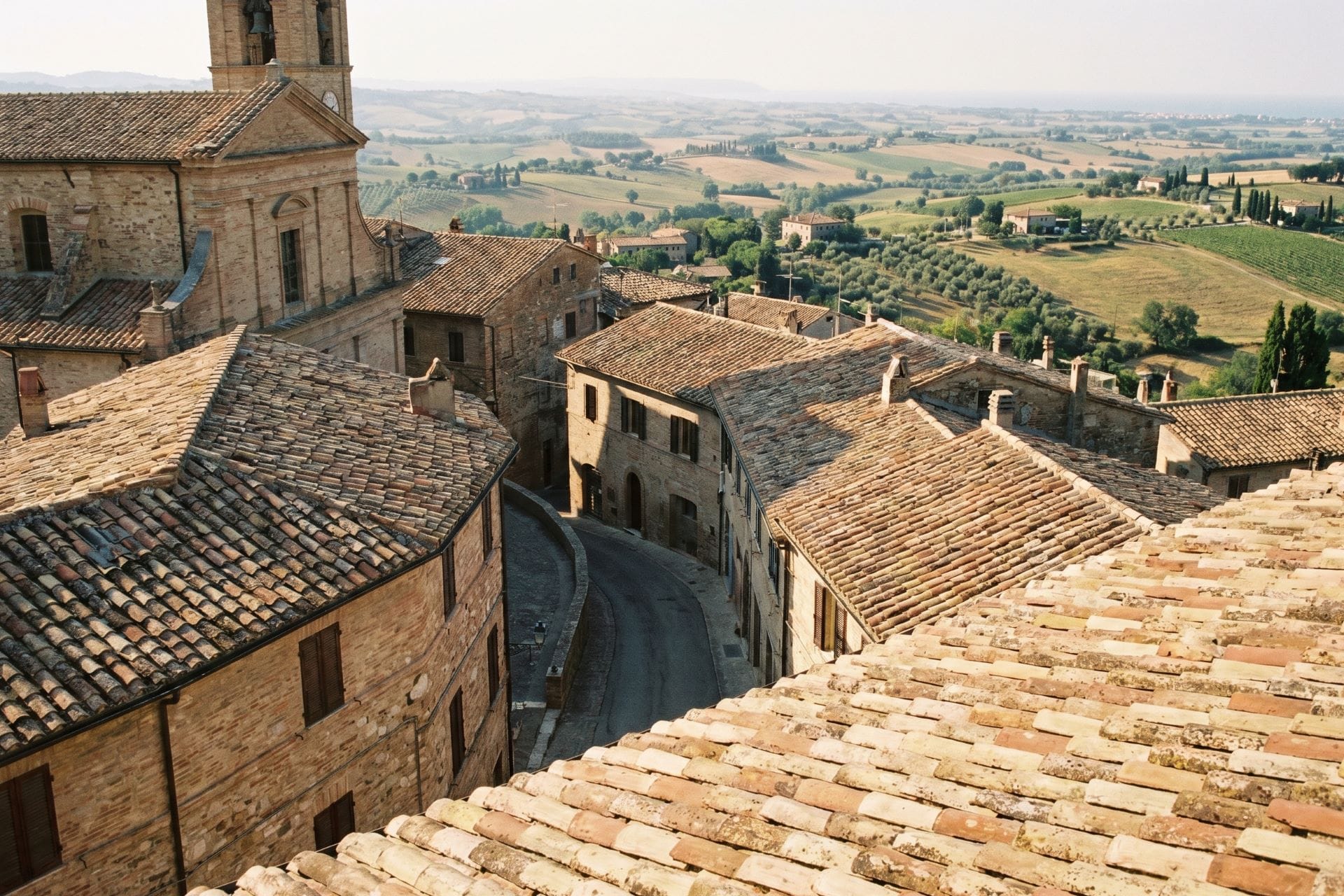
The key insight is that the Italian city is not a museum. It is a living organism with its own social calendar, neighborhood hierarchies, morning rituals, and seasonal transformations that operate entirely independently of the tourism economy. The centro storico is only the most visible layer. The markets that locals actually use, the bar where espresso is consumed standing at the counter in under two minutes, the neighborhood osteria with a handwritten menu, no online presence, and a lunch crowd that is entirely Italian: these are the true coordinates of genuine urban encounter, and they are available to any traveler willing to move a few streets beyond the main tourist axis.
Summer in Italian cities rewards a specific strategy: move early and move late.
- Before 9:00 am: the light is softer and more oblique, the streets belong almost entirely to residents, and the major monuments can be approached with a degree of solitude impossible at any other hour
- After 7:00 pm: the passeggiata begins, restaurants open, piazzas fill, and the city reveals its social architecture in a way that no daytime visit can replicate
- The midday hours (12:00–4:00 pm): best spent in shade, in a cool church, or at a long lunch — not fighting crowds at open-air sites in direct sun
Several Italian cities organize summer cultural evening events (open-air cinema, late-night museum openings, and concerts in historic courtyards) typically concentrated in July and August, though formats and dates vary significantly by city and year. Checking the local comune or regional tourism portal in advance of arrival is the most reliable way to access these programs.
Beyond the canonical art cities — Rome, Florence, Venice, Naples — Italy has dozens of smaller urban centers of comparable cultural density that appear in every art history syllabus but almost never in mainstream international itineraries. Their summer experience, precisely because it unfolds without a tourist script and without the infrastructure of mass visitor management, is frequently the more directly revelatory encounter with Italian urban civilization.
History, art, and architecture in Italy: how to approach a country that is itself a museum
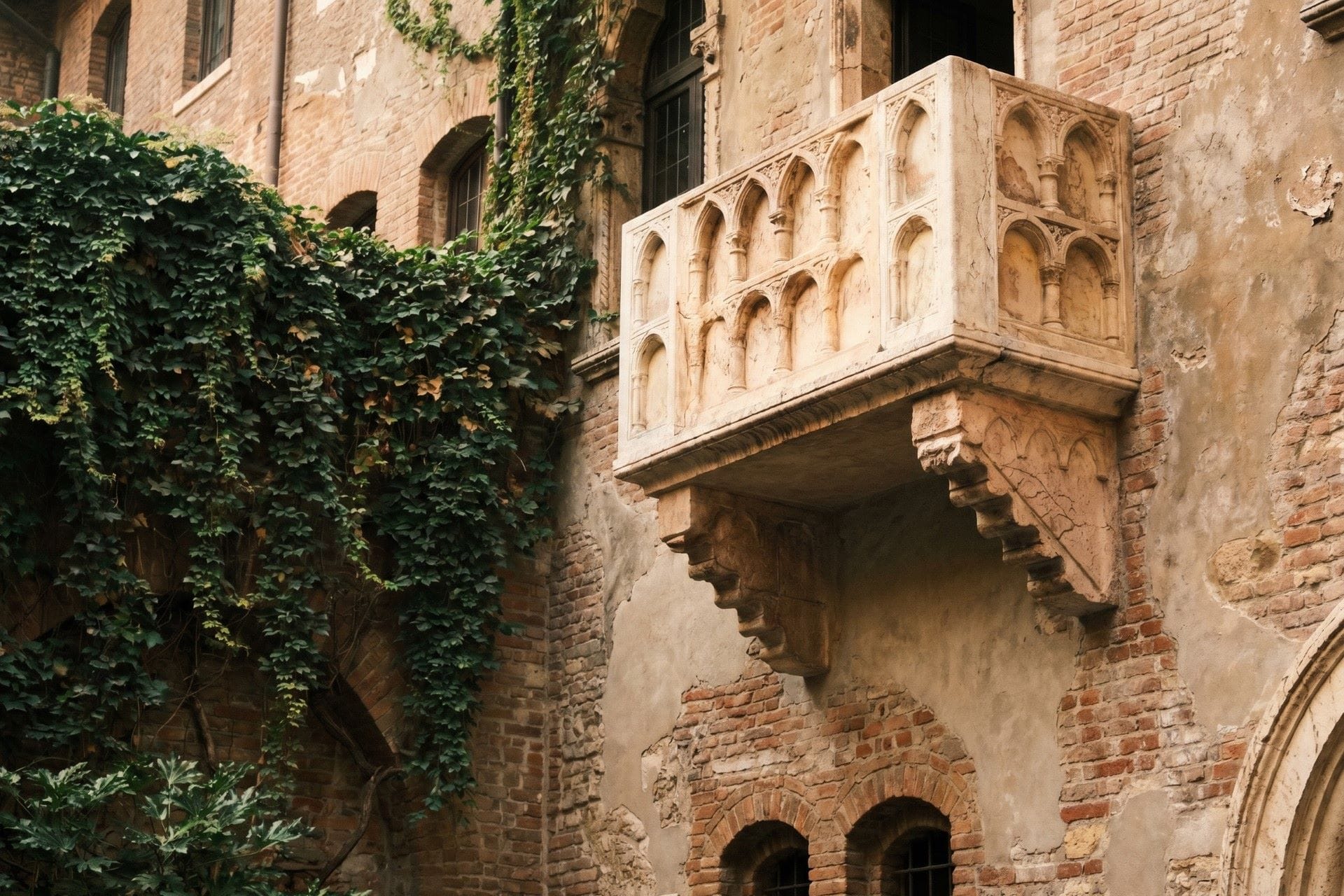
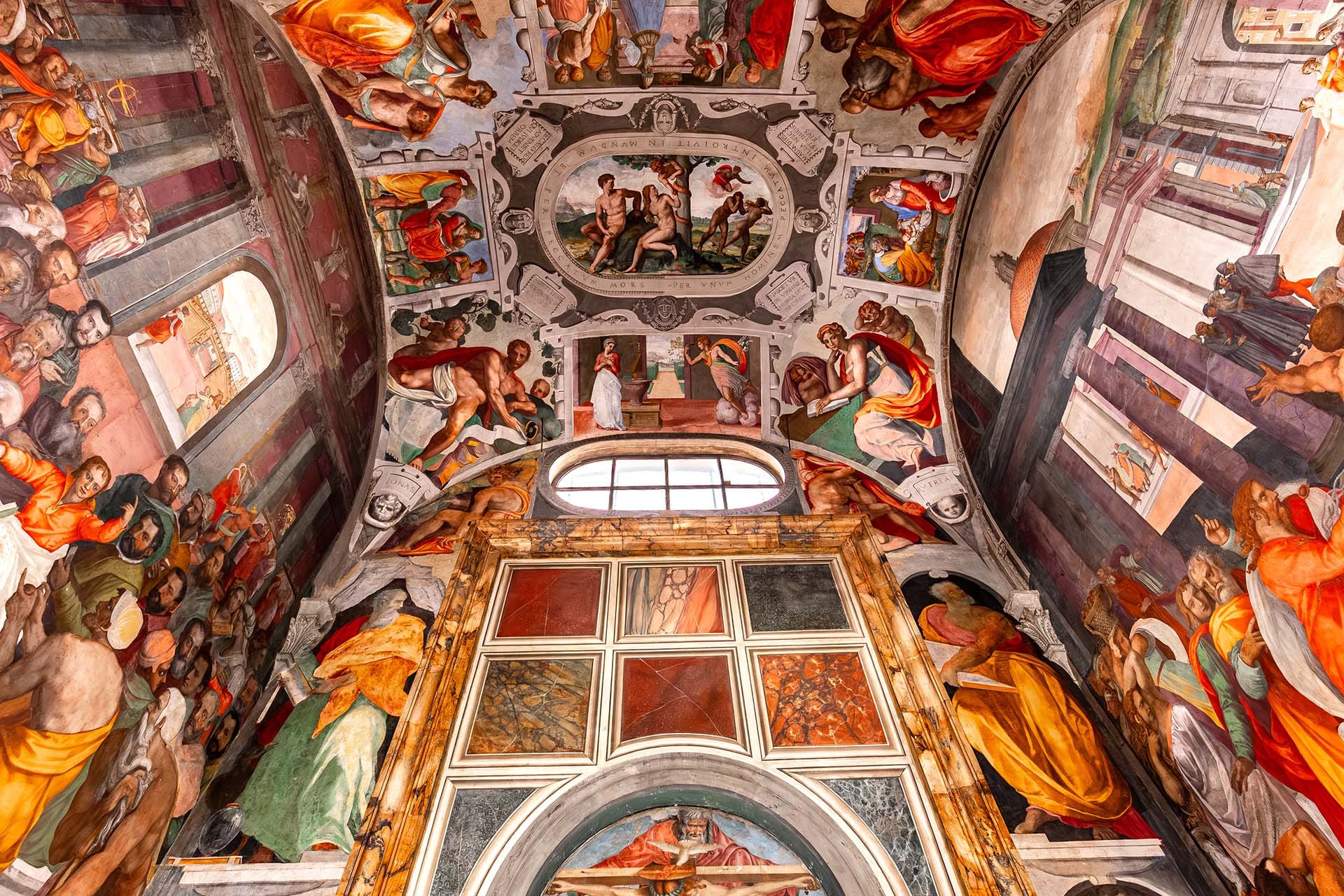
Italy holds 59 UNESCO World Heritage Sites, the highest number of any country on Earth, ahead of China (57) and France (53), as confirmed at the 46th UNESCO World Heritage Committee session in 2024. Italian cultural authorities have long estimated that a substantial majority of the world's artistic and cultural heritage is concentrated within Italian borders: a figure, whatever its precise methodology, that calibrates the scale of the challenge facing any first-time visitor.
The intelligent response to this scale is not comprehensiveness. It is depth of focus. No single trip encompasses Italy's artistic legacy, and the traveler who attempts to do so will achieve a superficial relationship with everything and a genuine relationship with nothing. The approach that consistently produces the richest experience is to choose a thread — a historical period, a regional school, a specific medium, a single civilization — and follow it through the landscape with genuine concentration.
The layers of Italian history: beyond Rome and the Renaissance
The Italy most international visitors know is predominantly Roman and Renaissance: the Colosseum, the Forum, Michelangelo's David, the Uffizi, the Vatican. These are not overrated, they are genuinely among the greatest human achievements in the history of art and architecture, but they represent only two of at least seven distinct historical layers that a curious traveler can follow through the Italian landscape:
- Magna Graecia: Puglia, Calabria, Sicily, and Campania contain Greek temples and archaeological sites that are, in several cases, older and better preserved than anything surviving in Greece itself; the Temple of Concordia at Agrigento and the temples at Paestum are among the most complete examples of Doric architecture in existence
- Etruscan: the painted tombs of Tarquinia (a UNESCO World Heritage Site), the necropolis of Cerveteri, and the emerging archaeological evidence across Tuscany and Lazio illuminate a civilization that predates Rome and remains only partially understood
- Byzantine: Ravenna's mosaics, designated a UNESCO World Heritage Site, represent the finest surviving examples of Byzantine art outside Istanbul; the city's six UNESCO-listed monuments span the fifth and sixth centuries
- Norman in Sicily: where Arab, Byzantine, and Norman European cultures fused between the 11th and 13th centuries into an architectural synthesis unique in the world; Palermo's Arab-Norman monuments were collectively inscribed as a UNESCO World Heritage Site in 2015
- Romanesque: mountain abbeys, fortified hill towns, and pilgrimage churches across the Apennines and northern Italy constitute a landscape of medieval religious art and architecture that is almost entirely off the international tourist map
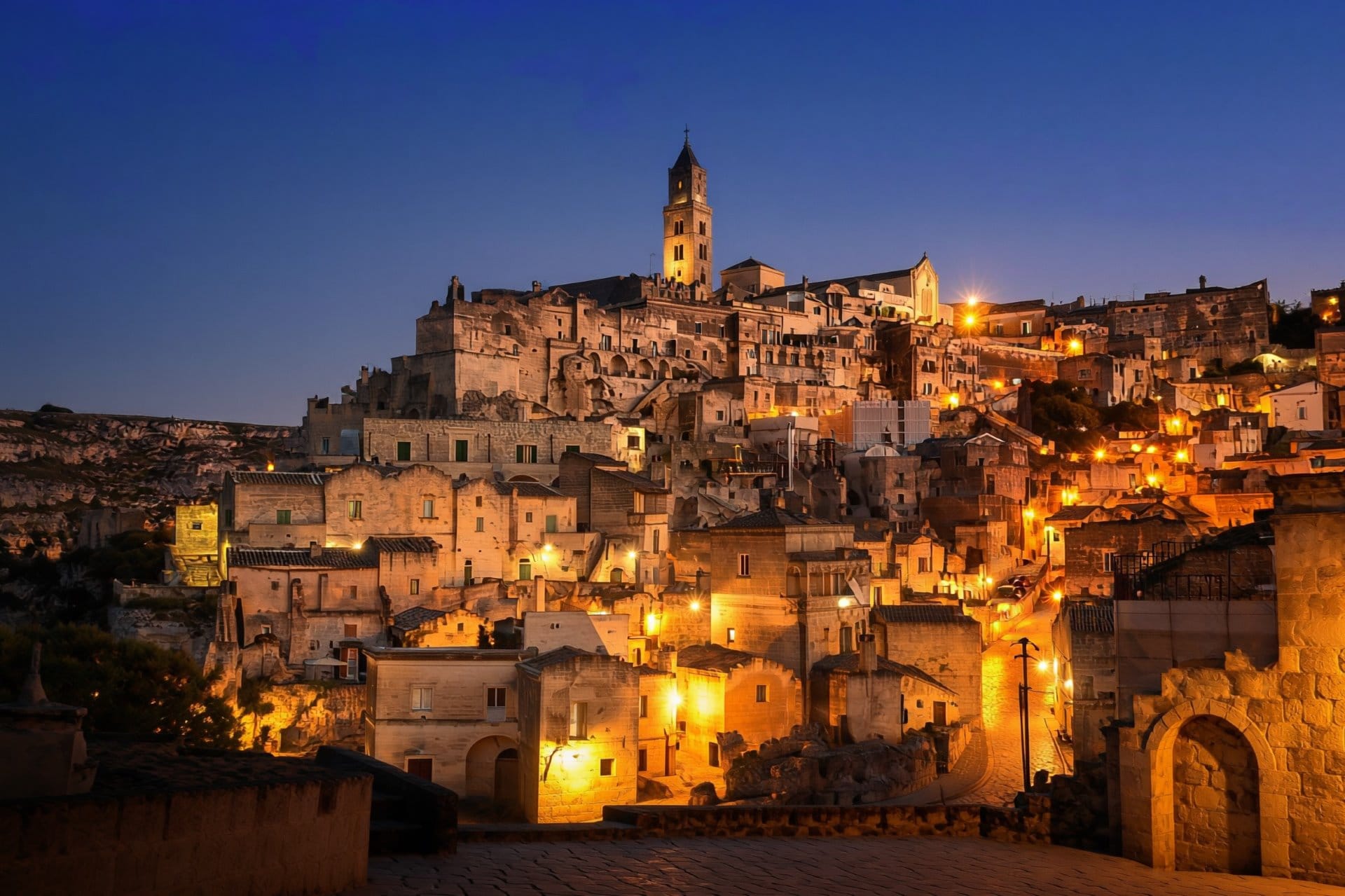
- Baroque: the seventeenth-century Baroque eruption across the southern peninsula and Sicily produced urban environments — Lecce, Noto, Ragusa, Matera — of theatrical beauty and cultural specificity that rival, and in some cases surpass, the more famous Baroque architecture of Rome.
Italy nature and landscape: the wild, volcanic, and surprisingly undiscovered side of the country
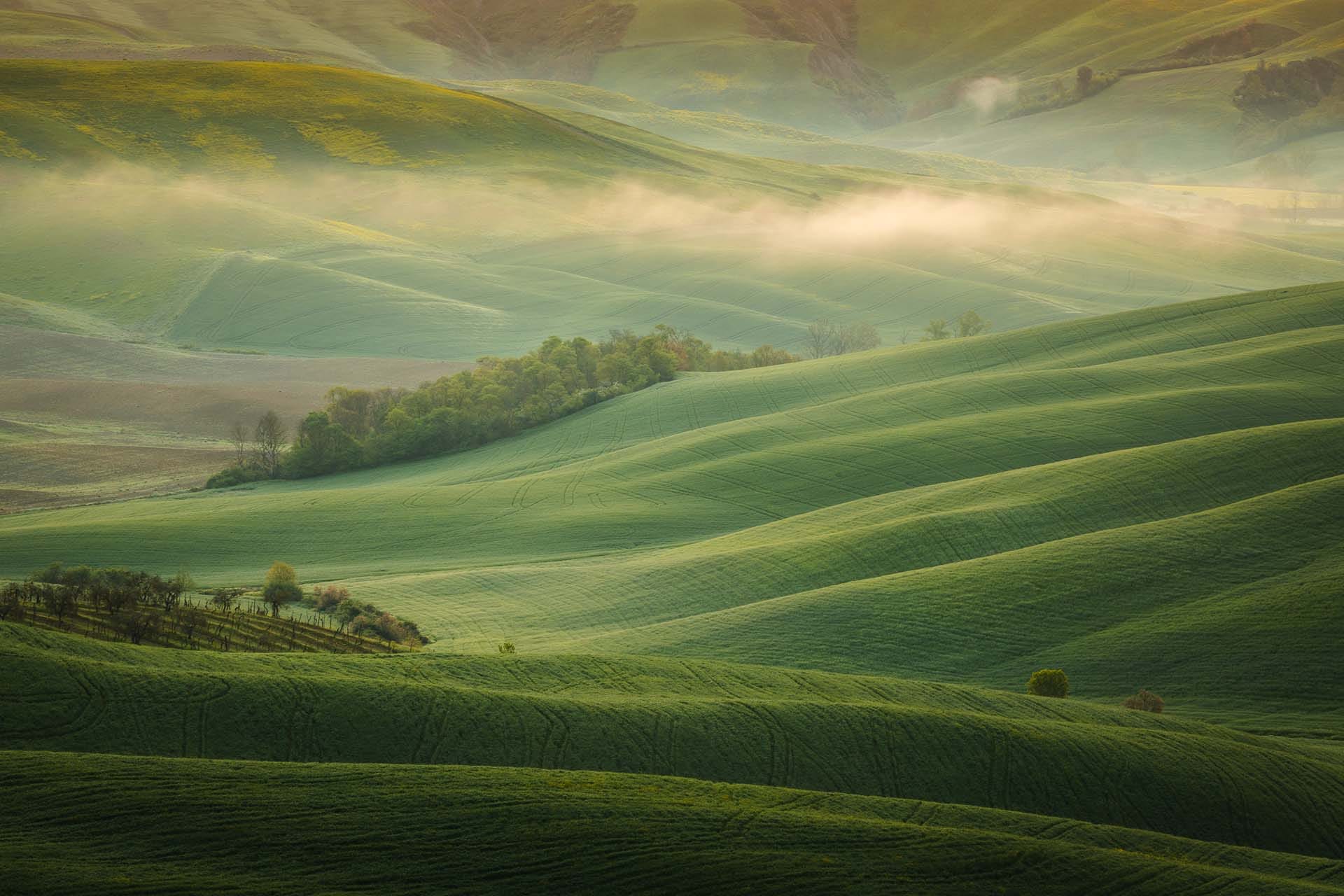
The popular image of Italy is overwhelmingly urban and coastal and it is radically incomplete. For a country of its geographic size, Italy's landscape diversity is extraordinary, extending far beyond the terraced hillsides and blue Mediterranean coves of the popular imagination into one of Europe's most varied and least-visited natural environments.
The Italian Alps: high-altitude wilderness in summer
In the north, the Italian Alps contain some of the most dramatic mountain terrain in Europe, with peaks exceeding 4,000 meters (Monte Bianco (Mont Blanc) at 4,808 meters, Monte Rosa at 4,634 meters, and Gran Paradiso at 4,061 meters) embedded within a landscape of high-altitude national parks, glaciated valleys, and a mountain culture that is distinctly Italian in spirit while Alpine in form. In summer, the alpine zone opens fully: high passes accessible only from late June onward reveal meadows of extraordinary botanical richness, and the rifugi (Italy's network of mountain huts, some perched above 3,000 meters) fill with hikers traversing routes that require neither technical climbing experience nor specialist equipment.
The Apennines: Italy's unexplored mountain spine
Running the full length of the peninsula from Liguria to Calabria, the Apennine range creates an interior Italy that most international visitors never reach, and that those who do find difficult to forget. Ancient beech and oak forests, high-altitude lakes, ridge-line medieval towns visible for kilometers in every direction, and one of Western Europe's most significant large mammal recovery stories: the Apennine wolf (Canis lupus italicus), now present across the entire central and southern range in numbers not seen since the nineteenth century, is an emblem of a rewilding process that has quietly transformed the Italian interior over the past four decades.
Volcanoes and the wild south: Italy's geologically active landscapes
In the south and on the islands, Italy's landscapes become drier, wilder, and more geologically assertive. Etna, on Sicily's eastern flank, is one of Europe's most continuously active volcanoes and a UNESCO World Heritage Site. Stromboli, in the Aeolian archipelago, erupts with sufficient regularity that it has been used as a maritime lighthouse for centuries. Vesuvius, overlooking the Bay of Naples, remains monitored as one of the world's most closely watched volcanic systems, its slopes supporting wine production in soils of exceptional mineral complexity. These are the reason the landscape looks the way it does, and understanding their presence transforms the experience of traveling through southern Italy from scenic appreciation to geological reading.
Italy's National Parks: a nature traveler's essential guide
Italy's 24 officially designated national parks (parchi nazionali), cover approximately 1.5 million hectares (roughly 5% of national territory) and represent an ecological range that is, for a single European country, without parallel. Complementing the national park system are 29 marine protected areas (aree marine protette) and over 150 regional natural parks, creating a conservation network that extends from the high Alps to the Sicilian and Sardinian coasts.
Destination Guide
The complete guide to Italy's 25 National Parks: a journey through the 10 most spectacular.
For the traveler ready to move beyond the coastline and into Italy's most extraordinary wild landscapes, our dedicated resource covers every essential detail.
Italian food and wine in summer: a regional guide to the world's most diverse culinary culture
Italian cuisine is not a unified category. Italian food is, in reality, a federation of dozens of distinct regional culinary traditions, each rooted in specific geography, agricultural history, pastoral practice, and centuries of accumulated cultural exchange. What is served in an Alpine valley in Trentino has almost nothing in common with what is served in a masseria in the Salento. Both are equally, authentically Italian.
Regional Italian food: a traveler's guide to eating by geography
Understanding Italy's culinary geography is one of the highest-return investments any food-motivated traveler can make. A brief orientation by macro-region:
- The Italian Alps and northern valleys (polenta, aged mountain cheeses, game, speck Alto Adige IGP, canederli): a mountain food culture shaped by hard winters, Germanic and Austro-Hungarian influence, and the need to preserve and concentrate nutrition across long cold seasons
- Liguria (pesto genovese, farinata, focaccia di Recco, fresh seafood): a coastal cuisine of remarkable lightness that reflects the region's position at the crossroads of Mediterranean trade routes and its steep, terraced olive-grove agriculture
- Emilia-Romagna (parmigiano reggiano DOP, prosciutto di Parma DOP, fresh egg pasta, aceto balsamico tradizionale DOP from Modena and Reggio Emilia): arguably the richest and most technically complex regional food culture in Italy, built on a Po Valley agricultural civilization with a centuries-long obsession with aging, fermenting, and transforming raw ingredients
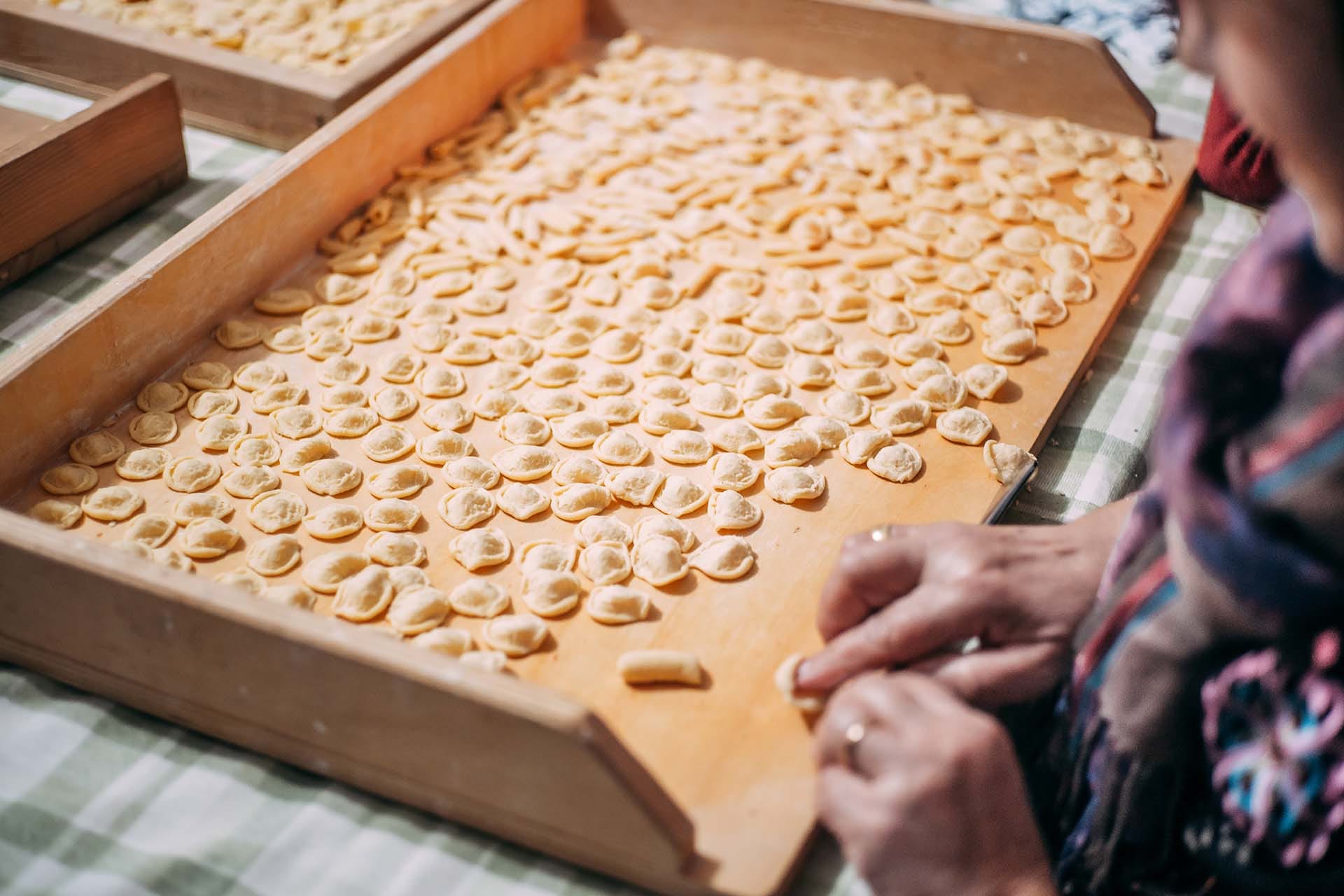
- Puglia (burrata, orecchiette alle cime di rapa, taralli, friselle, world-class extra-virgin olive oil from ancient Ogliarola and Coratina varietals): a cuisine of apparent simplicity that achieves extraordinary expressive depth through the quality of its raw materials and the precision of its techniques
- Sicily (fresh pasta alla Norma, arancini, caponata, almond-based pastry, extraordinary street food culture in Palermo and Catania): a culinary tradition shaped by three thousand years of cross-cultural exchange, producing a food landscape unlike anything else in Italy or in Europe.
Italian wine in summer: navigating the world's most biodiverse wine culture
Italy is the one of most biodiverse wine-producing nation on Earth. The country documents over 500 indigenous grape varieties, of which approximately 377 are officially registered in the National Catalog of Vine Varieties (Registro Nazionale delle Varietà di Vite) and authorized for DOC, DOCG, and IGT wine production. The practical implication is to drink regionally and drink locally. To open a bottle of Vermentino di Gallura DOCG in northern Sardinia, then Greco di Tufo DOCG in Campania, then Nero d'Avola DOC in Sicily, then Barolo DOCG in Piedmont, is to take a sensory journey through thousands of years of agricultural civilization: each glass a specific expression of a particular soil, a particular microclimate, and a particular human tradition of transforming a single grape into something unrepeatable.
Italian summer festivals and traditions: the complete guide to Italy's living cultural calendar
No season activates Italy's living culture of tradition more completely than summer. From June through September, every region of the country operates in a state of sustained festivity, a celebrations with genuine roots in religious devotion, agricultural cycles, civic pride, and communal identity accumulated over centuries of continuous practice.
The Palio di Siena: Italy's most intense summer event
The Palio di Siena is held twice each summer: on July 2 (Palio di Provenzano) and August 16 (Palio dell'Assunzione): two dates that have organized the social and political life of Siena for nearly four hundred years in their current form, with documentary antecedents extending to the thirteenth century. The race itself — ten horses representing ten of Siena's seventeen contrade (city districts), running three laps of Piazza del Campo on a track of packed tufo earth — lasts approximately 90 seconds. The preparation, the political negotiation, the religious ceremony, and the communal emotion that surround those 90 seconds occupy the preceding weeks entirely.
The Palio is not a tourist event that happens to have local participants. It is a local event that happens to be witnessed by tourists, a distinction that is immediately apparent to any visitor who understands what they are watching. Tickets for the official stands (palchi) must be booked months in advance through official channels; standing in the center of the Campo (Piazza del Campo) is free but requires arriving hours before the race to secure a position and remaining there without leaving.
Essential Guide
Our complete guide to the Palio di Siena.
Before you book your tickets, make sure to read this comprehensive resource to prepare for the historic event.
Rievocazioni storiche: living history across Italian summer
Beyond Siena, hundreds of Italian towns and cities organize rievocazioni storiche (historical re-enactments) during the summer months, in which entire communities dress in period costume and re-stage events from their specific local history: medieval jousting tournaments, Renaissance court pageants, ancient Roman ceremonies, Baroque theatrical processions. These events vary enormously in scale and ambition, from the internationally attended Giostra del Saracino in Arezzo (June and September) and the Quintana in Ascoli Piceno (August) to entirely local celebrations in villages of a few hundred residents that appear on no international calendar.
What they share is a seriousness of historical engagement that distinguishes them from the costumed spectacles of heritage tourism. The participants are not performers hired for the occasion. They are residents of the town, members of families whose involvement in the same event spans multiple generations, and whose investment in historical accuracy, costume detail, and competitive outcome is entirely genuine. For the visitor who encounters one unexpectedly, the effect is disorienting in the best possible way.
Sagre and open-air culture: how to find Italy's summer festivals
The sagra — a village festival celebrating a single local food product, recipe, or agricultural tradition — is Italy's most distributed and most democratic form of summer festivity. These events fill weekends across every region from June through September, organized by local pro loco associations and volunteer committees for local communities. A sagra may celebrate a specific DOP cheese, a local wine grape, a heirloom tomato variety, a traditional pasta shape, or a centuries-old preservation technique. The specificity is the point — and it reveals, more directly than almost any other cultural encounter, the granular depth of Italian regional identity.
Alongside sagre, the summer months bring a parallel calendar of open-air cinema screenings, archaeological site concerts, and late-night museum openings across Italy's historic centers and natural amphitheaters — events that transform Baroque piazzas, Roman ruins, and Renaissance courtyards into evening cultural venues of extraordinary atmospheric power.
Practical resources for building a summer festival itinerary:
- Regional APT offices (Agenzia di Promozione Turistica) maintain region-specific event listings, often increasingly available in English and German;
- Local pro loco federation websites list registered sagre by region and date across the national territory;
- Municipal comuni websites publish hyperlocal event calendars that capture events too small to appear on regional portals — often the most rewarding discoveries;
The traveler who invests thirty minutes in consulting these resources before arriving in any Italian region will find that the summer calendar transforms the entire character of the trip, turning what might have been a sequence of monument visits into a continuous, unhurried encounter with Italian civilization in its most living and least mediated form.
Planning your Italian summer: the essential practical guide for first-time visitors
The difference between a good trip to Italy and an extraordinary one is almost never about where you go. It is about when you go, what you book in advance, and how well you understand the practical architecture of the country before you arrive.
Italy weather in June: the optimal month for most travelers
June is, by most informed measures, the finest month of the Italian summer for first-time visitors. Temperatures are warm but not yet oppressive across the majority of the country — typically 22–28°C (72–82°F) across the north and center, and 28–33°C (82–91°F) across the south and the islands. Daylight extends well past nine in the evening, the sea along southern coastlines is already warm enough for comfortable swimming, and the tourist crowds have not yet reached their July saturation point. In the Dolomites and the higher Alps, June marks the official opening of the summer mountain season, the moment when high passes become accessible and the wildflower display across alpine meadows reaches its spectacular annual peak.
Italy weather in July: peak season, peak vitality
July is the hottest and most intensely touristic month in Italy, and it requires a specific strategic posture. In the major art cities of central Italy temperatures regularly exceed 35°C (95°F) during the day, and the combination of sustained heat and maximum visitor density in enclosed historic centers demands early starts, midday retreats, and careful energy management. In the mountains and on the coast, however, July is when the Italian summer reaches its fullest expression: every coastal lido, every mountain rifugio, every open-air festival and seaside restaurant is fully operational, fully staffed, and fully alive. For the sea or the high-altitude mountain lovers, July is a peak-season experience that justifies its premium pricing.
Italy weather in August: Ferragosto and what it means for travelers
August is the most logistically complex month in the Italian travel calendar, and understanding its internal dynamics is essential before committing to it. The month concentrates Italy's domestic and international tourism simultaneously at coastal and mountain destinations, while partially emptying the major cities, as Italian families themselves take their annual summer holidays in a mass migration that reaches its symbolic peak on August 15th (Ferragosto), Italy's most important summer national holiday (Festa dell'Assunzione).
In city centers during August, travelers encounter a dual reality: many family-run neighborhood restaurants, artisan workshops, and independent retailers close for one to two weeks around Ferragosto, while the major tourist attractions operate at maximum capacity and maximum pricing. On the coast and in the mountains, the country operates at its most festive, most social, and its most expensive and most crowded. Travel in August requires patience, advance booking at every level, and a clear-eyed willingness to share beautiful places with a very large number of people.
Italy weather in September: the month experienced travelers reserve for themselves
Across virtually every category of Italian travel experience, September represents the optimal convergence of conditions: the sea remains warm throughout the month and into October along southern coastlines, where surface temperatures typically stay above 24°C; the tourist crowds begin their sustained retreat from mid-month onward; accommodation pricing adjusts accordingly; and the quality of the light across the Italian landscape shifts into something golden, more horizontal, and more forgiving than the harsh overhead sun of July and August.
September is also the beginning of Italy's harvest season, one of the most atmospherically rich periods in the Italian culinary calendar. In wine country across Piedmont, Tuscany, Veneto, and Sicily, the vendemmia (grape harvest) fills the air with the specific, irreplaceable smell of fermenting must. In the olive-growing regions of Puglia, Calabria, and Umbria, early harvest varieties begin to ripen. Sagre celebrating harvest ingredients multiply across every region. For the food- and wine-motivated traveler, September in Italy is not merely a good month. It is the best month.
When to go to Italy in summer: matching the destination to the month
The single most effective planning decision available to an Italy summer traveler is to align the type of destination with the specific dynamics of each month:
- June — best for: major art cities (Rome, Florence, Venice, Naples) before peak heat and crowds; Dolomites and alpine hiking as mountain passes open; northern lake districts (Lago di Como, Lago di Garda, Lago Maggiore); wine estate tours and cantina visits across major DOC/DOCG zones; agriturismo stays in central Italy. Crowds and pricing are still manageable; conditions are close to ideal across most destination types.
- July — best for: the Italian sea in all its expressions (Sardinia, Sicily, Puglia, Calabria, the Aeolian Islands); high-altitude Dolomites and alpine trekking routes; open-air festivals, rievocazioni storiche, and the Palio di Siena (July 2); island-hopping by ferry across the Tyrrhenian and Aeolian archipelagos. Peak operational status everywhere; also peak pricing and peak crowding at coastal destinations.
- August — best for: coastal and mountain destinations exclusively; those specifically attending Ferragosto celebrations or the August 16th Palio di Siena; travelers who have booked six months or more in advance and have secured accommodation at premium properties. Major urban centers are best avoided; the art city experience in August is significantly compromised by heat and visitor volume.
- September — best for: travelers seeking the optimal balance of good conditions, thinner crowds, and lower prices; anyone prioritizing the harvest calendar and sagre season. The universal recommendation for visitors who have flexibility in their dates.
What to wear in Italy in summer: the complete packing and dress code guide
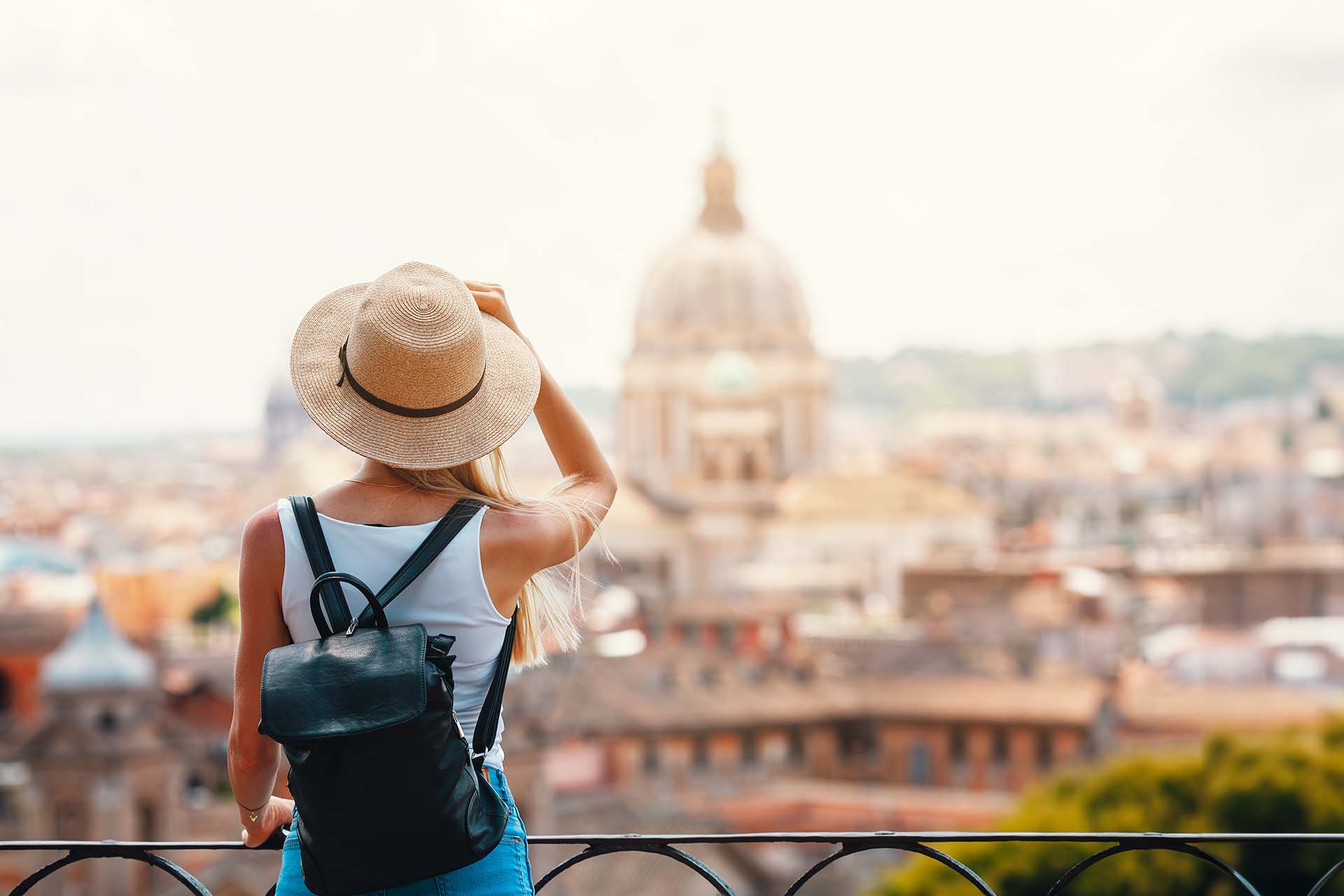
Packing well for an Italian summer is not purely a comfort decision, it is almost a social and cultural one. Italians dress with deliberate intention, they notice how others dress, and the traveler who makes a visible effort to dress with contextual awareness will consistently be received with greater warmth, respect, and engagement in shops, restaurants, bar, and street encounters alike.
Natural fibers are non-negotiable in the Italian heat. Linen and lightweight cotton breathe efficiently and manage perspiration in a way that synthetic fabrics cannot. Synthetics announce their wearer in Italian heat almost immediately, both visually and physically.
- Women: loose linen trousers, lightweight cotton or linen dresses, breathable blouses in natural fabrics, all translate comfortably across contexts from a morning market to a good restaurant to a cultural site visit
- Men: linen shirts (worn tucked or untucked depending on context), lightweight cotton chinos or linen trousers, breathable polo shirts, a combination that works from 7:00 am coffee at a bar to a formal dinner without requiring a change
- Layers for evenings and air-conditioned interiors: a lightweight cardigan, a linen blazer, or a thin scarf resolves the temperature differential between Italian outdoor heat and aggressively air-conditioned museums, trains, and restaurants without adding meaningful weight to a travel bag
Footwear is the packing decision with the highest impact on the quality of an Italian summer trip and the one most often underestimated by first-time visitors. Good-quality leather sandals or well-broken-in walking shoes are essential across virtually every Italian context.
- Cobblestones and uneven sampietrini paving in historic centers make footwear quality and grip a genuine daily comfort issue, not a style preference;
- Flip-flops belong on the beach and at the lido, not in the streets, restaurants, or cultural sites of any Italian city or town;
- Comfortable walking shoes with proper arch support will cover more ground and cause less foot stress over a full day of Italian urban navigation than any fashionable alternative;
Dress code in Italy: the rules and how to follow them
The Italian evening, from the passeggiata at seven to dinner at nine, is a social performance, and the outfit is part of the performance. Italians dress noticeably more carefully for the evening than they do during the day: not formally, and not expensively, but with evident care and intention. A simple, well-considered evening outfit is appropriate in virtually every Italian evening context and will make the experience of participating in the nightly social ritual of any Italian town markedly more natural and more enjoyable.
Entry to any Italian church, cathedral, basilica, or religious building requires covered shoulders and covered knees for both men and women, without exception, without negotiation, and regardless of how well-known or how visited the site may be. This rule is enforced actively at major sites (St. Peter's Basilica, the Duomo of Florence, the Duomo of Milan) and posted (and enforced) at smaller churches across the country. Many sites provide cover-ups at the entrance; accepting them is neither mandatory nor particularly comfortable.
The practical solution is simple: a lightweight scarf or pashmina, folded into a day bag, resolves shoulder and knee coverage simultaneously, weighs almost nothing, and doubles as a layer against air-conditioned train carriages and evening breezes. It is the single most useful item in an Italian summer packing list that most travelers forget to bring.
Frequently asked questions about visiting Italy in summer 2026
The following five questions address specific planning topics not covered in detail elsewhere in this guide. Each answer is written to be directly actionable.
What is the best way to get around Italy in summer, and do I really need a rental car?
The honest answer depends entirely on the Italy being sought, and on being precise about what that means in practice.
For intercity travel between Italy's major urban centers (Rome, Florence, Milan, Venice, Naples, Bologna, etc.) Italy's high-speed rail network is outstanding and almost always the superior choice over domestic flying: faster city-center to city-center, more comfortable, more reliable, and significantly less logistically demanding. Frecciarossa services (Trenitalia) and Italo services (NTV) cover the main north-south and diagonal corridors with frequency and punctuality that rival the best rail systems in Europe. For the Italian coast and islands, ferries and hydrofoils provide reliable connections between the mainland and Sardinia, Sicily, Capri, the Aeolian Islands, and other offshore destinations.
For everything else a rental car is not simply useful. It is essential. Regional bus networks exist throughout Italy but operate on schedules designed for commuters and schoolchildren, not for travelers making autonomous routing decisions. The borgo that looks so close on a map may require two bus changes, four hours of waiting, and may be entirely unreachable on a Sunday. The rental car transforms every unmarked road into a potential discovery, every roadside sagra sign into a genuine invitation, and every spontaneous decision into a viable option.
Is August still a good time to visit Italy, given the extreme heat and Ferragosto closures?
August is the most logistically complex month in the Italian travel calendar, and whether it is a good time to visit depends entirely on the destination chosen and the preparation invested.
In major art cities the combination of temperatures that regularly exceed 34–36°C (95–100°F) and maximum international visitor density makes for an experience that is genuinely exhausting unless navigated with specific strategies: museum timed-entry tickets booked months in advance, daily schedules structured around early morning and late evening activity, and a deliberate midday retreat into cool interiors. Compounding the challenge, many family-run neighborhood restaurants, artisan workshops, independent retailers, and local service businesses close entirely for one to two weeks around August 15th (Ferragosto, Italy's national summer holiday, formally the Festa dell'Assunzione), as Italian families themselves take their annual summer holidays.
At the same time, Italy's coastal and mountain destinations in August are at their most operationally complete, socially vibrant, and atmospherically alive. For the sea or the mountain lovers, August (and July) delivers the full Italian summer experience at its most intense.
What visa and entry documentation do I need to visit Italy in summer 2026?
Citizens of EU member states and other Schengen Area countries require only a valid national identity document to enter Italy for any duration. No visa, no additional documentation, no registration process is required.
Citizens of most non-EU countries (including the United States, Canada, the United Kingdom, Australia, New Zealand, Japan, and South Korea) may enter Italy and the broader Schengen Area visa-free for stays of up to 90 days within any 180-day period under the Schengen Agreement's visa waiver provisions.
Travelers are strongly advised to verify the current operational status of The European Travel Information and Authorization System (ETIAS) directly through the official EU portal before departure and well in advance of their travel dates. Regardless of nationality, always verify current entry requirements through the official website of the Italian Ministry of Foreign Affairs or through the embassy or consulate of Italy in your country of residence before booking or traveling.
How should a first-time visitor handle Italy's language barrier, particularly in rural and southern areas?
The language situation in Italy is considerably more navigable than many first-time visitors anticipate, provided the traveler approaches it with the right combination of practical preparation and interpersonal flexibility.
In all major cities and established tourist destinations English is widely and competently spoken in hotels, restaurants, museums, and most service contexts. The language barrier, in these environments, is minimal for most travelers.
In smaller towns and rural areas, particularly across the south (Basilicata, Calabria, interior Sicily, Sardinia, and much of Puglia beyond the main tourism corridors) English proficiency drops significantly. But the language barrier, when it exists in rural Italy, is almost never a genuine obstacle. It is, far more often, the occasion for the most memorable human encounters of the entire trip.
What health and safety considerations should summer travelers to Italy be aware of beyond heat?
Italy is a safe, well-governed, modern country with an excellent national health infrastructure, and the health risks of summer travel here are real but entirely manageable with appropriate preparation.
Water and hydration: Tap water (acqua del rubinetto) is safe to drink throughout Italy: in cities, towns, and villages across all twenty regions. Public drinking fountains (fontane) are common in most Italian cities; Rome's iconic nasoni (the small, always-running cast-iron street fountains maintained by the municipal water utility ACEA) provide free, continuously available cold drinking water at hundreds of locations across the city. Carry a reusable bottle and use them freely.
Pharmacies: Italian pharmacies (farmacie, identified by an illuminated green cross) are exceptional first-line resources for minor ailments, travel-related health questions, and over-the-counter medication. Italian pharmacists are licensed medical professionals who provide substantive clinical guidance without appointment and without charge. In most Italian towns, at least one pharmacy operates a rotating night and weekend service (farmacia di turno) — posted on the door of any closed pharmacy and searchable online.
Health insurance and emergency care:
- EU citizens holding a European Health Insurance Card (EHIC) are entitled to access necessary, non-emergency healthcare within the Italian national health system on the same terms as Italian residents — free or at reduced cost, depending on the service
- UK citizens, following Brexit, no longer hold the EHIC; they use the UK Global Health Insurance Card (GHIC), which provides equivalent access to state-provided necessary healthcare in EU countries including Italy.
- All non-EU, non-UK travelers are strongly advised to carry comprehensive travel insurance with medical coverage and repatriation provision. Italian emergency services are available to all regardless of insurance status, but out-of-pocket costs for non-insured non-EU visitors can be substantial
Approaching Italy in summer 2026 with the right posture
The most common planning mistake made by visitors to Italy is treating the country as a problem to be solved, a checklist of monuments to be completed, a logistical matrix to be optimized, a cultural canon to be consumed in the correct sequence. This guide has argued, consistently and from multiple angles, for a different posture entirely.
Italy reveals itself at its own pace, on its own terms, and in its own register. The traveler who arrives with open hands, willing to follow an offhand local recommendation down an unmarked side street, willing to sit in a piazza for an unscheduled hour with no particular purpose, willing to eat something unfamiliar and ask what it is, willing to be stopped in their tracks by a fresco in a small church that appears in no guidebook, will encounter something rarer and more durable than any sight on any curated list.
The Italian summer of 2026 is not a marketing event. It is the latest iteration of a civilization that has been producing extraordinary things — in art, in agriculture, in urban design, in architecture, in the daily practice of living together with intention and pleasure — for over three thousand years. Enjoy!
There is a version of Italy that doesn't advertise itself. Guide to Italy is a letter from inside it.


