
Nestled in the upper reaches of the Valtellina valley, where the Italian Alps rise to meet the borders of Switzerland, lies a destination that defies the typical definition of a ski resort. Bormio is not a modern invention of mass tourism; it is the Magnifica Terra (The Magnificent Land), a medieval county with a history stretching back to the Roman Empire. As the world turns its gaze toward the Milano Cortina 2026 Olympic Winter Games, Bormio prepares to play a pivotal role, not merely as a venue host, but as a custodian of legitimate Alpine heritage.
Selected to host the prestigious Men’s Alpine Skiing competitions and the historic Olympic debut of Ski Mountaineering, Bormio offers a rare synthesis of extreme athleticism and profound culture. This town offers a journey into the rugged heart of Lombardy: unlike purpose-built olympic villages, Bormio allows visitors to walk through centuries of history before witnessing sports history in the making.
- The Stelvio slope: a theater of gravity and speed
- A medieval jewel in the Italian Alps: exploring the historic center
- Gastronomy: what to eat in Bormio and Alta Valtellina
- Logistics and travel planning for the 2026 winter Olympics
- The enduring legacy of Bormio and the 2026 Games
- Practical resources for the traveler
The Stelvio slope: a theater of gravity and speed
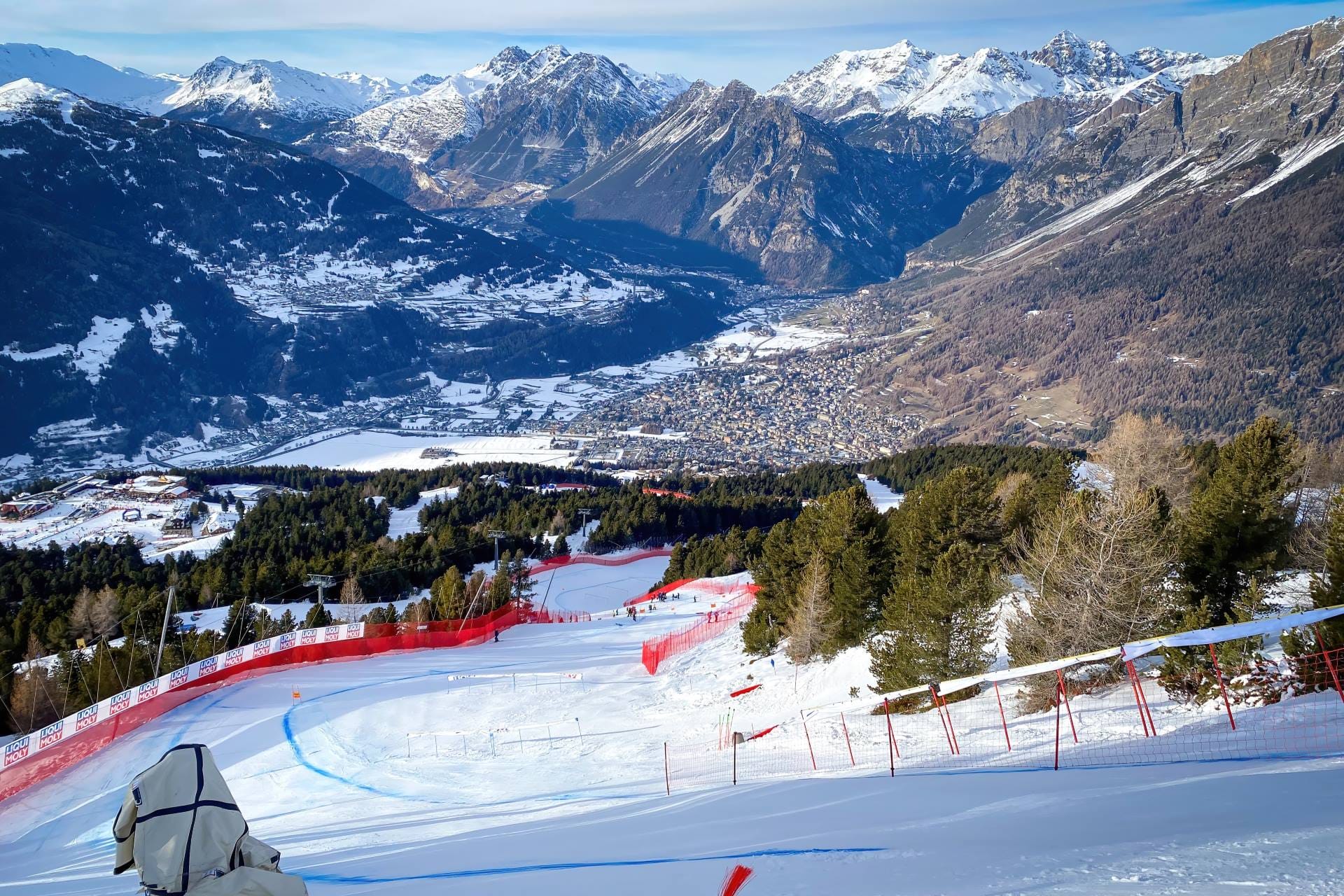
For the 2026 Games, the global spotlight will focus intensely on the Stelvio Ski Area, specifically the legendary Pista Stelvio. In the pantheon of Alpine skiing, the Stelvio is revered alongside Kitzbühel’s Streif and Wengen’s Lauberhorn as one of the most technically demanding and physically punishing courses on the planet.
Inaugurated for the 1982 World Championships and refined over decades of FIS World Cup dominance, the course is a masterpiece of terrain management. The statistics are staggering: the run begins at the Praimont station (2,255 meters) and plunges vertically to the Bormio Ski Stadium in the town center (1,225 meters). This vertical drop of over 1,000 meters—the greatest of any World Cup downhill course—tests the lactic endurance of even the most elite athletes.
The course is characterized by its unrelenting difficulty, icy surface, and iconic features that every spectator should recognize:
- The Carcentina diagonal: a notorious, icy traverse where skiers must defy centrifugal force without losing speed. This is often the sector that decides the outcome of the race.
- The San Pietro jump: a breathtaking leap where athletes launch into the void at speeds exceeding 140 km/h (87 mph), landing on a steep, icy pitch that demands immediate and precise edge control.
- The Canalino Sertorelli: a narrow, high-speed gliding section that requires absolute aerodynamic precision.
During the Milano Cortina 2026 schedule, the Stelvio will host the Men’s Downhill, Super-G, and Alpine Combined events.
Bormio will also witness a historic milestone: the Olympic debut of Ski Mountaineering (Skimo). This discipline, deeply rooted in the history of the Alps, involves scaling mountains on skis using "skins" and descending through technical off-piste terrain. It represents a return to the origins of skiing as a mode of travel and survival, finding its perfect natural amphitheater in the wild peaks of the Stelvio National Park surrounding the town.
A medieval jewel in the Italian Alps: exploring the historic center
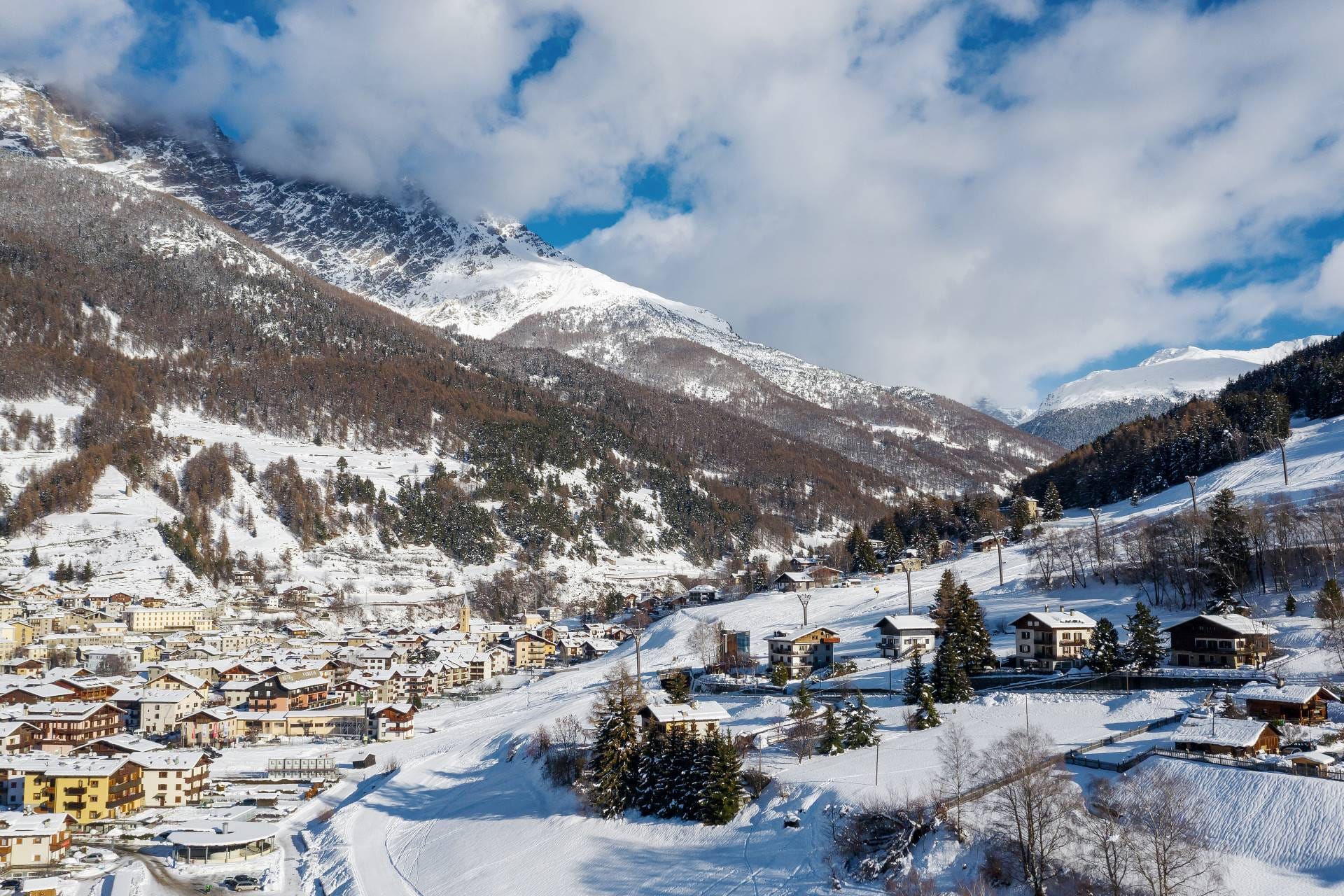
Beyond the adrenaline of the Olympic slopes, Bormio possesses an architectural dignity rare in mountain resorts. Unlike purpose-built ski villages, this town is a living museum of the Middle Ages. Walking through the cobbled streets of the historic center reveals its past as a wealthy, autonomous county—the Magnifica Terra—and a crucial trade hub connecting the Republic of Venice to Northern Europe.
The heart of the town is Piazza Cavour (formerly Piazza del Kuerc), dominated by the Kuerc, a 14th-century amphitheater-like structure where justice was historically administered. This open-air tribunal, with its ancient stone columns, is the symbol of Bormio's independence. Surrounding it are aristocratic palaces and defensive towers, such as the imposing Torre degli Alberti, which remind visitors of a time when this valley was a geopolitical chessboard.
For the culturally curious, the Civic Museum of Palazzo de Simoni is an essential stop. Housed in a 17th-century castle with vaulted ceilings and original stuccos, the museum offers a meticulously curated insight into the valley's rural nobility, textile traditions, and religious art. Exploring these narrow alleys, adorned with ancient frescoes and carved wooden portals, offers a serene counterpoint to the frenzy of the Games.
The heritage of wellness: Bormio’s thermal baths and hot springs
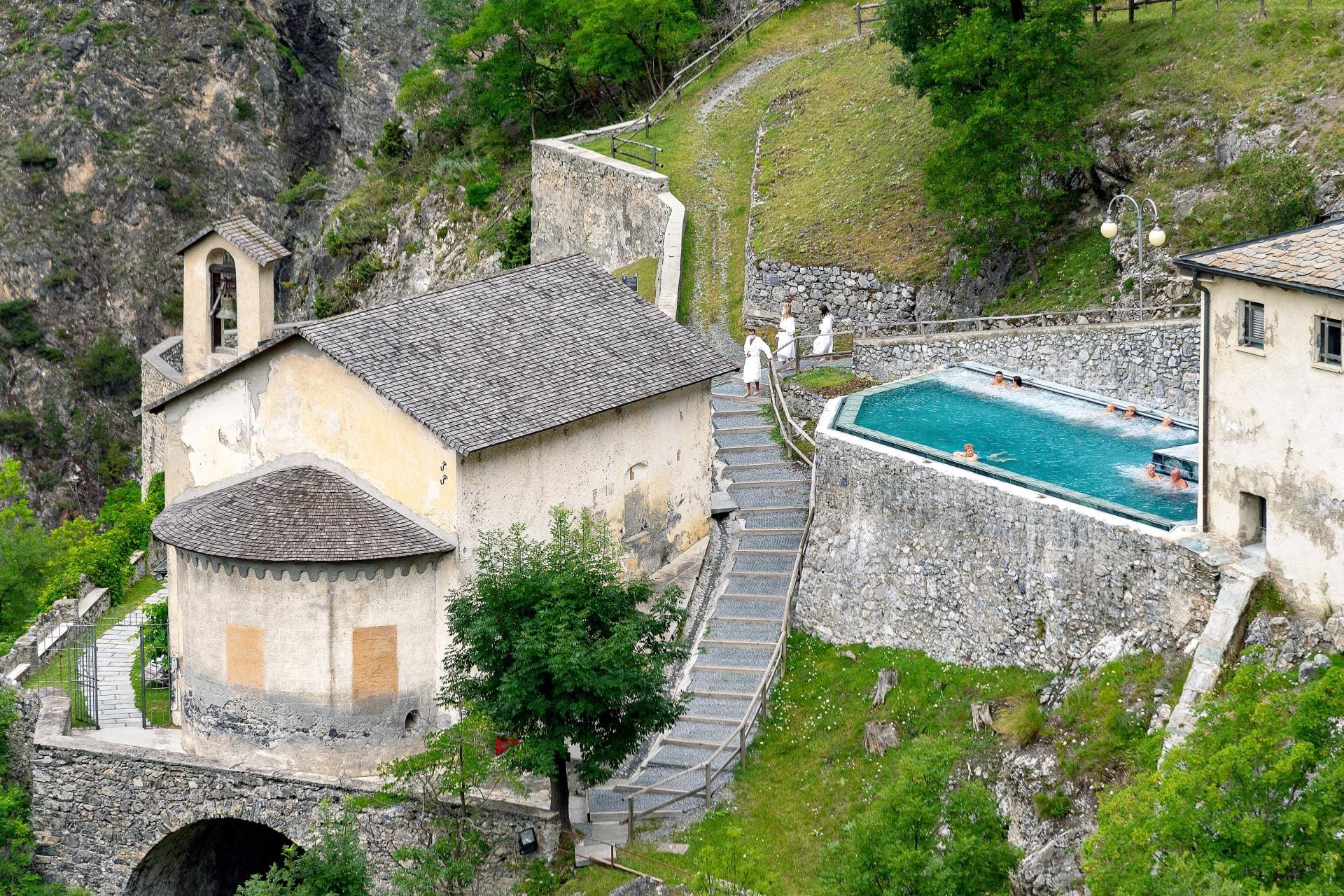
While the Milano Cortina 2026 Games celebrate physical exertion, Bormio’s identity is equally defined by deep restoration. The area sits atop nine thermal springs, celebrated for their mineral-rich waters since antiquity. Pliny the Elder recorded their existence in his Naturalis Historia, and Leonardo da Vinci traveled here specifically to sketch the valley's hydrography.
The thermal offering is divided into three distinct experiences, each catering to a specific wellness philosophy:
- QC Terme Bagni Vecchi (The Old Baths): a historical marvel perched on a cliffside overlooking the valley. This facility offers an immersive journey through time, featuring Roman baths carved directly into the rock face and a spectacular outdoor panoramic pool. It is the ideal choice for those seeking a romantic, atmospheric experience where history and nature converge.
- QC Terme Bagni Nuovi (The New Baths): a grand example of Liberty-style architecture (Art Nouveau). Associated with the Grand Hotel Bagni Nuovi, this complex focuses on the "regeneration" of the body through vast outdoor gardens and thermal circuits. It offers a more polished, aristocratic atmosphere, perfect for visitors seeking luxury and expansive relaxation areas.
- Bormio Terme: located directly in the town center, this facility links health and sport. Unlike the QC centers, Bormio Terme is often the preferred choice for families and athletes focusing on therapeutic recovery. It utilizes the same sulfate-bicarbonate-alkaline-earthy waters for rehabilitation, featuring lap pools and specialized treatment areas alongside recreational wellness zones.
Traveler note: during the 2026 Winter Olympics, advance booking for all thermal facilities is strictly recommended, as these restorative waters will be in high demand by spectators and athletes alike.
Gastronomy: what to eat in Bormio and Alta Valtellina
The culinary landscape of Bormio is robust, caloric, and deeply connected to the harsh geography of the Alps. It is a cuisine of survival turned into a sophisticated art form, utilizing ingredients that can withstand high altitudes. Dining here is not just a meal; it is a cultural immersion into the Valtellina valley traditions.
Pizzoccheri della Valtellina PGI: the alpine icon
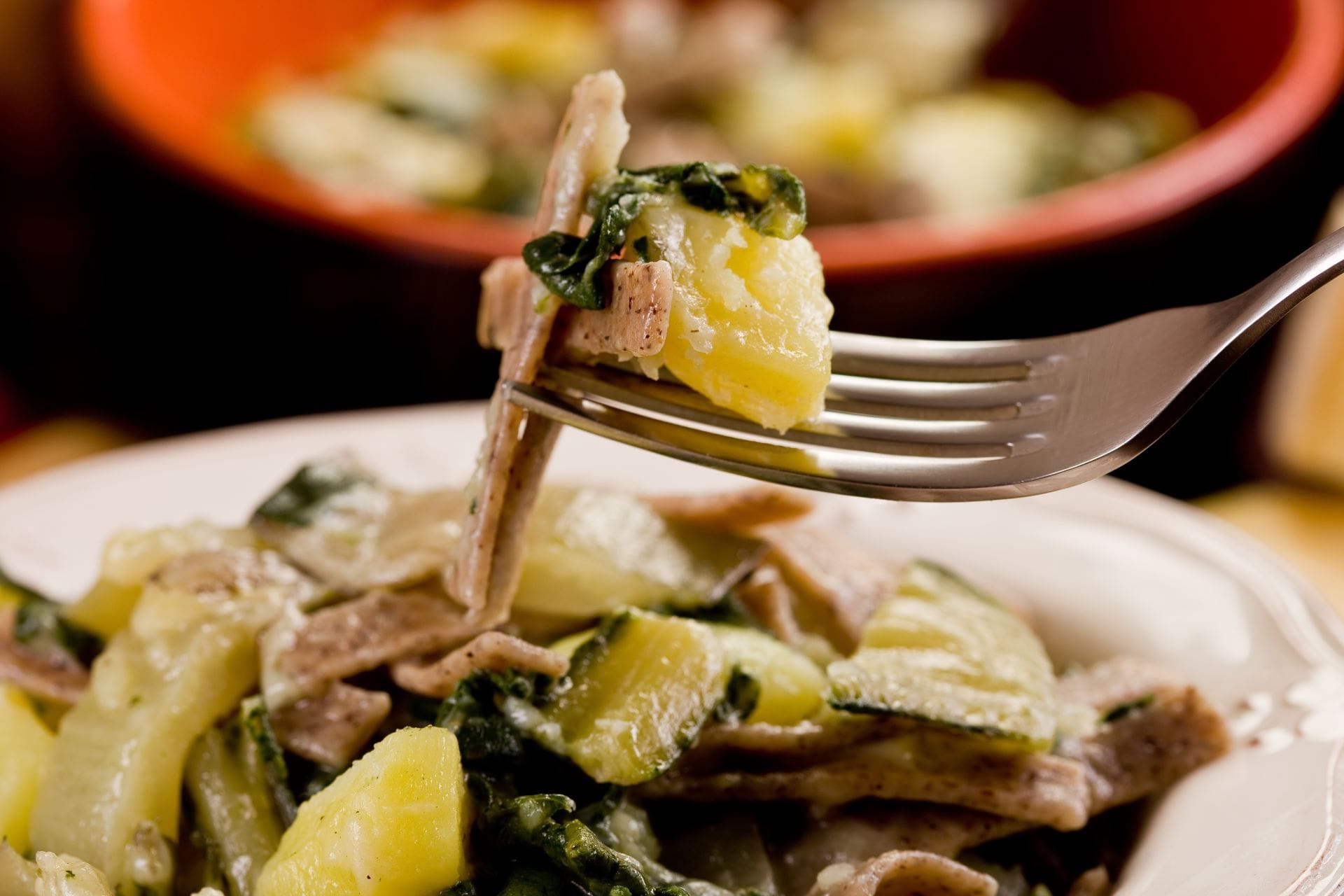
The undisputed king of the local table is Pizzoccheri della Valtellina PGI (Protected Geographical Indication). Unlike the egg-based pastas of the south, this is a dark, rustic tagliatelle made primarily from buckwheat flour (grano saraceno), which gives it an earthy flavor and substantial texture.
To be authentic, the dish must strictly follow the traditional recipe:
- The Pasta: hand-worked buckwheat ribbons cut to a specific thickness.
- The Vegetables: boiled together with potatoes and Savoy cabbage (or Swiss chard, depending on the season).
- The Cheese: layered generously with Valtellina Casera DOP, a semi-hard, low-fat cow's milk cheese that melts into a creamy binding agent.
- The Finish: doused in sizzling browned butter (burro fuso), flavored with garlic and sage.
This dish is a "must-try" experience, best enjoyed in a traditional agriturismo or mountain hut (rifugio) after a day on the slopes.
Bresaola and sciatt: essential appetizers
Before the main course, no meal in Bormio is complete without Bresaola della Valtellina PGI. This air-dried, salted beef is unique to the province of Sondrio. Lean and rich in protein, it is often served as a carpaccio with lemon and shavings of rye bread (pan di segale).
Another local delicacy is Sciatt (dialect for "toads," due to their irregular shape). These are crisp, deep-fried buckwheat fritters filled with a heart of molten Casera cheese—a perfect, savory street food or starter.
Sforzato di Valtellina DOCG: the wine of the rocks
To accompany these rich dishes, the region produces world-class wines from the Nebbiolo grape (locally known as Chiavennasca). The most prestigious of these is the Sforzato di Valtellina DOCG (or Sfursat).
This unique red wine is produced using the appassimento method, similar to the famous Amarone of Valpolicella: the healthiest Nebbiolo grapes are harvested and dried on wooden racks for three months to concentrate sugars and aromas. The result is a high-alcohol (minimum 14%), full-bodied structured wine with complex notes of dried fruit, spices, and tobacco.
It is a wine of patience and intensity, perfectly suited to the Alpine climate and the robust flavors of buckwheat cuisine. For wine enthusiasts, booking a tasting in a local cellar (cantina) is highly recommended to understand the "heroic viticulture" required to tend these steep, terraced vineyards.
Logistics and travel planning for the 2026 winter Olympics
Reaching Bormio requires navigating the deep geography of the Rhaetian Alps. Unlike metropolitan venues, Bormio is a true mountain sanctuary located at the end of the Valtellina valley. While its remoteness preserves its charm, it demands careful logistical planning. The Milano Cortina 2026 Foundation, in concert with the Lombardy Region, has implemented a "smart mobility" plan designed to move spectators efficiently while minimizing environmental impact.
Air travel gateways: choosing the right airport
International visitors will primarily arrive via the Milan airport system. When booking flights, consider proximity and transfer options:
- Milan Malpensa (MXP): the primary international hub for intercontinental flights. It offers the widest range of car rentals and direct shuttle connections to Milan Centrale railway station (approx. 50 minutes).
- Milan Linate (LIN): located just outside the city center, this is the most convenient option for connecting flights from European capitals. It offers quick access to the city's rail network.
- Orio al Serio (BGY): located in Bergamo, this hub serves many low-cost carriers. Geographically, it is the closest airport to the Valtellina valley, making it a strategic entry point for those renting a car.
The "Olympic route" via rail: the sustainable choice
The backbone of the logistics plan is the railway line connecting Milan to Tirano. This is widely considered the most stress-free method to reach the venue.
- The journey: operated by Trenord, this line runs along the spectacular eastern shore of Lake Como before entering the vineyards of the Valtellina. It is one of the most scenic commuter lines in Europe.
- Upgrades and timing: significant infrastructure investments are underway to double track sections and increase frequency for the Games. Visitors should anticipate a travel time of approximately 2.5 hours from Milan Centrale to Tirano.
- The "last mile" transfer: Tirano serves as the intermodal hub where the standard gauge rail line ends. From here, the connection to Bormio (approx. 40km / 25 miles) will be managed via a dedicated fleet of Olympic shuttle buses and strengthened public transit lines.
Road infrastructure and access: driving to the Alps
For those opting for private transfers or car rentals, the route follows the SS 38 dello Stelvio. While driving offers flexibility, it comes with specific challenges during the winter months.
- Key infrastructure improvement: the "Tangenziale di Tirano" (Tirano Bypass) is a critical project slated for completion before the Games. This will eliminate the historic bottleneck at the town of Tirano, significantly smoothing the flow of traffic up the valley.
- Winter safety regulations: it is mandatory by law for all vehicles to be equipped with winter tires or to have snow chains on board from November 15th to April 15th. Police checks are frequent, and fines are substantial.
- Critical navigation warning: do not rely blindly on GPS. The Stelvio Pass and Gavia Pass are strictly closed during winter season. Access to Bormio is only possible from the valley floor via Lecco/Sondrio.
The enduring legacy of Bormio and the 2026 Games
The Milano Cortina 2026 Winter Olympics are envisioned not merely as a temporary sporting event, but as a permanent catalyst for sustainable development in the Valtellina valley. Unlike past global events that left behind abandoned stadiums, the legacy of these Games for Bormio is rooted in a philosophy of "adaptive reuse" and environmental stewardship.
Permanently connecting the "Magnifica Terra"
The master plan rejects the construction of massive, single-use facilities (often termed "white elephants"). Instead, the venue relies largely on optimizing existing, world-class assets. The iconic Stelvio slope and the historic town center will undergo sensitive modernization, ensuring that every euro spent enhances the location for decades to come, not just for two weeks in February. Perhaps the most tangible legacy lies in the revolution of accessibility. The Games have accelerated crucial infrastructure projects that will permanently bring Bormio closer to the cultural hubs of Milan and Central Europe.
The enhanced rail and road connections—specifically the improvements to the Tirano rail hub and the SS38 bypass—will slash travel times, making the High Alps a viable weekend destination rather than a remote outpost. This connectivity ensures that Bormio remains a vibrant, accessible cultural capital long after the athletes depart.
A future of "slow travel" and respect
Finally, the spotlight on Ski Mountaineering (Skimo) reinforces a crucial shift in tourism psychology. By elevating a sport that relies on human power rather than mechanical lifts, Bormio is positioning itself as the global capital of low-impact winter tourism.
Long after the Olympic flame is extinguished, Bormio will remain a testament to the Italian ability to blend fierce competition with the slow, deliberate rhythms of Alpine life. It stands as a future-proof destination where history, elite sport, and wellness converge, inviting a new generation of travelers to respect the mountain not just as a playground, but as a protected natural environment.
Practical resources for the traveler
To ensure a seamless and well-coordinated experience during the Games, travelers are strongly encouraged to consult these authoritative platforms for real-time updates on ticketing, transport schedules, and accommodation availability.
- Bormio Tourism Official Site: the definitive resource for booking local accommodation, purchasing ski passes, and reserving thermal spa experiences. It also details the benefits of the "Bormio Pass" for integrated transport and activities.
- Alpine Guides Bormio: for those seeking to venture beyond the marked slopes into the wild Stelvio National Park, the Guide Alpine Bormio provides expert-led ski mountaineering excursions and essential backcountry safety assessments.
- Location and elevation: the town center sits at 1,225 meters (4,019 feet), with the legendary Stelvio slope starting at a dizzying 2,255 meters.
- Governance and tradition: a territory historically defined as the Magnifica Terra, a medieval county that maintained autonomy and wealth through trade.
- Olympic disciplines: the venue will host the prestigious Men’s Alpine Skiing competitions and the historic Olympic debut of Ski Mountaineering.
- Natural landmark: the Stelvio National Park, Italy's largest historical park, and the nine distinct thermal springs used since the Roman era.
- Winter climate: average February temperatures range from -6°C to 4°C (21°F to 39°F), providing the icy, compact snow required for elite downhill racing.
- Strategic connectivity: primary access is via the scenic railway to Tirano, connected to Bormio by the upgraded SS38 road and Olympic shuttle systems.
- Administrative center: the medieval heart of Bormio, dominated by the Kuerc (ancient tribunal), serving as the vibrant "après-ski" and cultural capital.
Guide to Italy is more than an editorial project—it’s a curated solution for travelers who demand depth, private access, and expert-led storytelling. Elevate your journey and make Italy yours.


