
The Olympic Winter Games Milano Cortina 2026 represent a historic return to the Italian Alps and the urban sophistication of Milan. This guide offers a verified day-by-day schedule of the sporting events, helping you organize your personal itinerary for the entire 17-day event.
- An overview of the Olympic horizon and key dates
- Week one: the pursuit of early glory from Milan to the Dolomites
- Week two: endurance, precision, and the path to the finals
- The final weekend: celebrating the closing of the Games
- The Paralympic horizon: a calendar of resilience and excellence
- Strategic planning for the traveler: how to use the calendar
An overview of the Olympic horizon and key dates
The XXV Olympic Winter Games will officially take place from February 6 to February 22, 2026. However, to accommodate the extensive round-robin formats required for team sports, preliminary competitions in Ice Hockey and Curling often commence shortly before the Opening Ceremony.
This edition is uniquely characterized by its dual-hub nature, a decentralized model that balances the metropolitan energy of Milan with the majestic peaks of the Dolomites in Veneto and the autonomous provinces of Trento and Bolzano. Understanding this geographical spread is vital for timing your travel between venues.
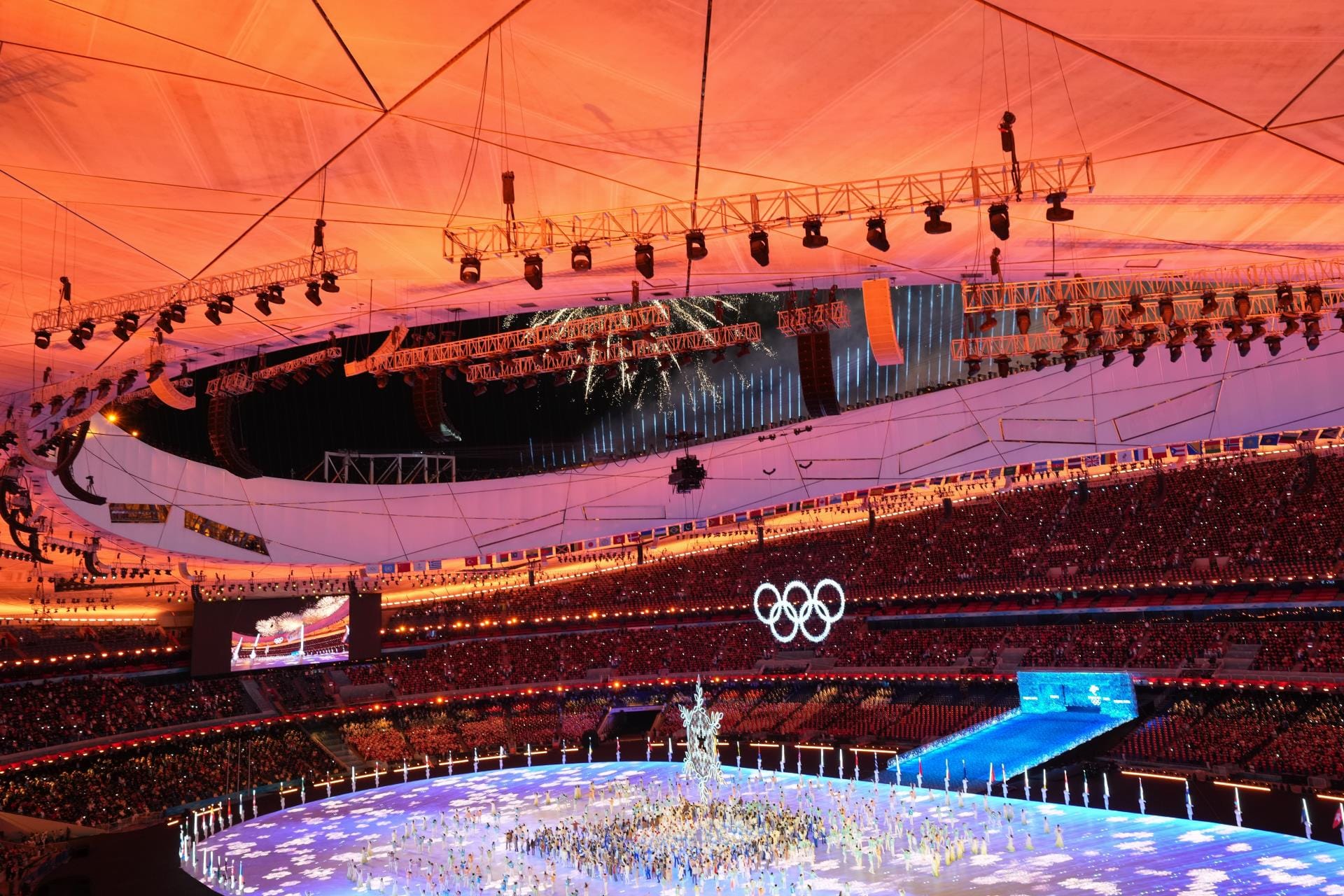
Week one: the pursuit of early glory from Milan to the Dolomites
The opening phase of the Games is traditionally heavy on technical prowess, endurance, and high-speed thrills. During these first few days, the focus is split between the ice rinks of Milan and the vertical drops of Cortina d’Ampezzo.
February 4–5: the prelude to the Games
Before the torch is lit, the competitive spirit ignites with crucial opening rounds. These dates are ideal for fans wanting to experience the atmosphere before the peak crowds arrive.
- Curling: the Mixed Doubles Round Robin begins at the Olympic Ice Stadium.
- Ice Hockey: preliminary rounds for the Women’s tournament start in Milan’s venues.
February 6: the grand opening at San Siro
The official start of the Games is marked by the Opening Ceremony, held at the iconic San Siro Stadium (Stadio Giuseppe Meazza) in Milan.
- Event status: the Opening Ceremony takes place on this day; a limited number of sporting competitions are scheduled.
- Traveler tip: this is the perfect window to explore Milan’s Duomo or the Brera district before the city reaches maximum capacity.
February 7–11: high-octane days and first medals
This period represents the first major wave of Gold Medal events. The schedule is packed with high-priority disciplines:
- Alpine Skiing: the Men’s Downhill—the "blue ribbon" event of the Winter Games—usually takes center stage in the first 48 hours, followed by the Women’s technical events on the Tofane slopes.
- Figure Skating: the Team Events dominate the early schedule at the Milano Santagiulia Ice Palace, showcasing a blend of artistry and athleticism.
- Short Track Speed Skating: fans can expect explosive qualifying rounds and the first sets of medals in the Mixed Relay at the Milano Forum.
- Ski Jumping: the Normal Hill individual competitions take place in the Predazzo valley.
- Snowboard and Freestyle Skiing: Slopestyle qualifiers and Moguls offer high-energy viewing in the mountain clusters.
Week two: endurance, precision, and the path to the finals
As the Games transition into their second week, the atmosphere shifts from the initial frenzy to a showcase of pure athletic endurance and tactical precision. This phase is characterized by the culmination of bracket-style tournaments and the most grueling tests of stamina in the mountains: this is the time to experience the authentic alpine culture of the smaller venues while witnessing the crowning of Olympic legends.
February 12–16: the mid-games peak of stamina
During this period, the focus intensifies in the outlying clusters, where traditional winter disciplines take center stage under the winter sun.
- Biathlon: individual and sprint races begin to award medals in the breathtaking Antholz Anterselva (Südtirol Arena). This venue is world-renowned for its atmosphere, making it a "must-visit" for fans seeking the pinnacle of winter precision.
- Luge and skeleton: the high-speed sliding events at the Cortina Sliding Centre conclude their final runs. These events are typically held in the late afternoon or evening, offering a dramatic spectacle under the floodlights.
- Speed skating: the long-track events continue daily at the Baselga di Piné oval (or designated Milanese venue), featuring the legendary 5,000m and 10,000m tests of physical and mental stamina.
- Cross-country skiing: the Val di Fiemme hosts the skiathlon and sprint events. Known as the "cradle of cross-country skiing," this location provides high-energy spectator opportunities in a valley steeped in Nordic tradition.
February 17–21: the decisive path to the gold medals
As the closing ceremony nears, the schedule reaches a fever pitch with the final rounds of the most popular team and individual sports.
- Ice hockey: the Men’s tournament enters the high-stakes quarter-final and semi-final stages at the Milano Hockey Arena. For many international visitors, these matches are the emotional cornerstone of the Winter Games experience.
- Curling: the strategy-heavy competition reaches its zenith with the Gold Medal matches for Mixed Doubles, followed immediately by the intense Men’s and Women’s finals at the Cortina Olympic Ice Stadium.
- Figure skating: the Milano Santagiulia Ice Palace hosts the most-watched events of the fortnight—the Individual Free Skate programs for both Ladies and Men. Early booking for these dates is essential due to global demand.
- Alpine skiing: the mountain schedule concludes with the iconic Team Parallel event, a fan favorite that combines individual speed with national pride on the slopes of Cortina.
The final weekend: celebrating the closing of the Games
The final 48 hours of the Milano Cortina 2026 Winter Olympics are reserved for the most storied traditions and the crowning of the Games' ultimate champions. This period represents the emotional peak of the event, as the focus shifts from the rugged mountain clusters back toward the historic cities of the Veneto and Lombardy regions.
February 21: the penultimate day of glory
As the competition reaches its conclusion, the penultimate day offers a final look at the raw power and teamwork that define the Winter Games.
- Men’s ice hockey: the Bronze Medal game takes place in Milan, offering fans a final opportunity to witness elite-level international hockey before the grand finale.
- Bobsleigh (Four-man): the "Formula 1 of the ice" reaches its thrilling conclusion at the Cortina Sliding Centre. This event is a traditional highlight for those following the sliding disciplines through the second week.
- Figure skating exhibition gala: while not a medal event, the gala often occurs during this final window, showcasing the medalists in a celebration of artistry without the pressure of scoring.
February 22: the final medals and the handover to history
The final Sunday of the Games is a meticulously choreographed blend of world-class sport and cultural spectacle. For the independent traveler, this is the most logistically demanding day, as events conclude in the mountains before the evening festivities begin in the valley.
- Men’s ice hockey gold medal match: often the final sporting event of the Games, this match is held in Milan and represents the most sought-after ticket of the Olympic fortnight.
- Cross-country skiing (Mass Start): the grueling 30km and 50km events provide a dramatic conclusion to the Nordic program in Val di Fiemme. These "marathons of the snow" are the ultimate test of human endurance.
- Closing ceremony at the Verona Arena: in a historic first, the Olympic flame will be extinguished within the walls of the Verona Arena, a Roman amphitheater that is nearly 2,000 years old. This provides a peerless Roman historical backdrop for the official handover to the next host city.
- Alpine Skiing: Feb 7–21. The technical and speed events reach their intensity peak during the opening weekend and the final team parallel.
- Biathlon: Feb 8–21. A consistent presence throughout the Games, featuring individual, sprint, and relay races in Antholz Anterselva.
- Bobsleigh & Skeleton: Feb 15–22. High-speed sliding events are scheduled for the late phase of the Games, culminating in the four-man finals.
- Curling: Feb 4–22. One of the few sports offering daily action, spanning from pre-opening round-robins to the final gold medal matches.
- Figure Skating: Feb 7–21. Primarily evening sessions in Milan, alternating between team events and highly anticipated individual programs.
- Ice Hockey: Feb 4–22. Preliminary rounds dominate the first week, while the intensity peaks with the Men’s finals on the closing weekend.
- Speed Skating: Feb 7–21. Daily afternoon sessions testing both short-track explosiveness and long-track endurance.
- Snowboarding & Freestyle: Feb 8–21. High-energy competitions featuring slopestyle, moguls, and halfpipe events across the mountain clusters.
The Paralympic horizon: a calendar of resilience and excellence
Following the conclusion of the Olympic Games, the competitive spirit returns to the heart of the Italian Alps for the Paralympic Winter Games, taking place from March 6 to March 15, 2026. This 10-day event is a showcase of elite performance across six specialized winter disciplines, utilizing many of the same world-class venues in Milan, Cortina d'Ampezzo, and the Val di Fiemme.
March 6: the opening ceremony in Verona
In a symbolic bridge between the two Games, the Paralympic Opening Ceremony will also be hosted at the historic Verona Arena.
- The experience: this event marks the official beginning of the competitions and is a significant highlight for those seeking to witness the nearly 2,000-year-old Roman amphitheater in a high-energy, modern context.
- Traveler tip: Verona in early March is exceptionally charming, with fewer crowds than the peak February period, making it an ideal base for the start of your journey.
March 7–14: daily discipline breakdown and medal events
The Paralympic schedule is designed for maximum spectator impact, allowing visitors to witness multiple medal events within specific geographic clusters.
- Para alpine skiing: spanning almost the entire duration of the Games (March 7–15) on the iconic slopes of Cortina d’Ampezzo, the schedule includes high-speed downhill, slalom, giant slalom, and super-G competitions.
- Para ice hockey: this tournament is a fan favorite and runs daily at the Milano Santagiulia Ice Palace, culminating in the bronze and gold medal matches during the final weekend.
- Para biathlon and para cross-country skiing: these grueling endurance events are held in Tesero (Val di Fiemme) between March 7 and March 14, showcasing the incredible stamina of world-class athletes in a traditional Nordic setting.
- Para snowboard: look for high-intensity cross and banked slalom events in Cortina during the middle of the Games (March 11–12).
- Wheelchair curling: the mixed team competition begins on March 7 at the Cortina Olympic Ice Stadium, with the tactical gold medal finals typically held on March 14.
March 15: the final push and closing ceremony in Milan
The final day of competition features the final podiums for Para alpine skiing before the focus shifts one last time to the urban heart of Lombardy.
- The finale: the Closing Ceremony in Milan serves as the ultimate celebration of the entire 2026 winter season, officially closing the chapter on this historic hosting.
- Strategic advantage: ending your trip in Milan allows for a seamless departure via Malpensa or Linate airports, or an extension into a spring tour of the Italian Lakes.
- Opening Ceremony: March 6, 2026, at the Verona Arena.
- Alpine & Snowboard Hub: Cortina d'Ampezzo hosts the majority of mountain events from March 7 to March 15.
- Ice Hockey Hub: Milan remains the center for Para Ice Hockey, with matches scheduled daily at the Santagiulia venue.
- Closing Ceremony: March 15, 2026, held in the city of Milan.
Strategic planning for the traveler: how to use the calendar
To maximize the experience of the Milano Cortina 2026 calendar, it is essential to synchronize your sporting interests with the unique geographical distribution of the events. Unlike previous compact Games, the 2026 edition requires a strategic approach to logistics to avoid unnecessary transit time between the urban centers and the alpine peaks.
The urban and mountain split
The most critical decision for any visitor is where to anchor their stay during specific blocks of the competition.
- The Milan venue: travelers focused on Figure Skating, Ice Hockey, and Short Track Speed Skating should prioritize their calendar for the second week in Milan. This allows you to enjoy the metropolitan amenities and the "medal plaza" atmosphere of the city.
- The mountain venue: conversely, fans of Alpine Skiing, Biathlon, and Nordic disciplines must prioritize the first ten days in the Cortina d’Ampezzo and Val di Fiemme regions. Staying in the heart of the Dolomites during this period ensures you are on-site for the most iconic outdoor races.
Evening logistics and cultural synchronization
A sophisticated itinerary balances stadium time with Italy's world-renowned lifestyle. Many high-profile finals—particularly in Figure Skating and Short Track—are scheduled for the evening hours.
- Daytime opportunities: use your mornings for the cultural exploration of Milan's Pinacoteca di Brera or the prestigious shopping districts.
- Alpine excursions: for events in the Valtellina or Cortina, midday breaks offer the perfect window to experience the culinary excellence of high-altitude rifugi, ensuring that your Olympic journey is as much about the "Bel Paese" as it is about the podium.
The "Golden Saturday": February 14, 2026
Historically, the second Saturday of the Winter Games represents the peak of the Olympic atmosphere. In 2026, February 14 is projected to feature the highest density of medal events across multiple disciplines.
- Why it matters: this is the "quintessential Olympic day" where the energy in the fan zones and stadiums is at its zenith.
- Planning tip: if you only have 48 hours to visit, this weekend should be the centerpiece of your journey. However, due to the high volume of events, securing local transport and dinner reservations well in advance is a logistical necessity.
As the official schedule remains a dynamic document, we recommend that planners remain flexible. Weather conditions in the Alps can occasionally shift outdoor events, making a buffer day in your itinerary a wise addition for any serious winter sports enthusiast.
- February 4–5. The Milano Cortina 2026 Winter Olympics officially begin with early competition days, featuring opening matches in Curling (Mixed Doubles) and Women’s Ice Hockey.
- February 6. Opening Ceremony at San Siro Stadium in Milan. A limited number of Olympic competitions continue throughout the day.
- February 7. The full Olympic competition programme gets underway, with key events across Alpine Skiing, ice sports, and sliding disciplines.
- February 8–10. Ongoing Olympic events in Figure Skating, Alpine Skiing technical disciplines, and early rounds of Biathlon competitions.
- February 11–13. A dense competition period featuring scheduled events in Snowboard, Luge, and the group stage of the Men’s Ice Hockey tournament.
- February 14–15. Mid-Games weekend with a high concentration of scheduled Olympic events across Biathlon, Ski Jumping, and Freestyle Skiing.
- February 16–18. Later-stage competitions in Figure Skating, alongside decisive rounds in Curling and Men’s Ice Hockey.
- February 19–20. Final competition phases approach in Bobsleigh, sliding sports, and selected team events across the Olympic programme.
- February 21. The final full day of Olympic competition, including remaining events in Alpine Skiing and exhibition-style showcases in Figure Skating.
- February 22. The Milano Cortina 2026 Winter Olympics conclude with final marquee events, including Men’s Ice Hockey, long-distance Cross-Country Skiing, and the Closing Ceremony at the Arena di Verona.
- March 6. Opening Ceremony of the Milano Cortina 2026 Paralympic Winter Games, marking the official start of competition in Italy.
- March 7–9. Early competition days featuring scheduled events in Para Alpine Skiing, Para Cross-Country Skiing, and Wheelchair Curling.
- March 10–11. Mid-Games competitions continue across mountain and ice venues, with progression into later stages of several Paralympic disciplines.
- March 12–13. High-intensity competition period as medal events are scheduled across Para Alpine Skiing, Para Biathlon, and Para Snowboard.
- March 14. Final competition phases and last scheduled Paralympic events across snow and ice sports.
- March 15. Closing Ceremony of the Milano Cortina 2026 Paralympic Winter Games, concluding the Paralympic competitions in Italy.
Guide to Italy is more than an editorial project—it’s a curated solution for travelers who demand depth, private access, and expert-led storytelling. Elevate your journey and make Italy yours.


