
While the global spotlight of the Milano Cortina 2026 Olympic and Paralympic Winter Games often gravitates toward the urban flair of Milan or the high-society peaks of Cortina d’Ampezzo, the true rhythmic heart of the Nordic disciplines beats in the Val di Fiemme. This emerald-green valley in Trentino, framed by the pale cathedrals of the Dolomites, is more than a host; it is a spiritual home for winter sports.
Fiemme represents a masterclass in how centuries-old communal traditions—upheld by the local comunità—harmonize with the cutting edge of modern athletic competition. This is where the endurance of the human spirit meets a landscape preserved by a millennium of stewardship.
The epicenters of excellence: Lago di Tesero and Predazzo
In 2026, Val di Fiemme will solidify its status as the world’s premier destination for Nordic disciplines, hosting cross-country skiing, ski jumping, and Nordic combined. Unlike venues built for a single event, the infrastructure here is rooted in decades of hosting FIS World Championships. The 2026 Games are not bringing something new to the valley; they are celebrating a legacy of excellence that has been refined since the 1990s.
The Fabio Canal cross-country stadium (Lago di Tesero): a theater of endurance
Situated at an altitude of approximately 950 meters, the Lago di Tesero stadium is legendary within the global cross-country community. It is a facility designed for maximum technical difficulty and spectator visibility. For the 2026 Games, the venue has undergone a sustainable transformation:
- Technological upgrades: a modernized, energy-efficient underground snow-making system ensures perfect tracks even in fluctuating temperatures.
- Course design: the technical complexity of the loops—ranging from punishing 15% gradients to high-speed, tactical descents—requires athletes to possess both raw power and refined alpine technique.
- Spectator experience: the stadium offers a rare intimacy. The layout allows you to feel the physical rush of the athletes’ glide, set against the silent, panoramic backdrop of the Lagorai mountain range.
The Giuseppe Dal Ben ski jumping stadium (Stalimen, Predazzo): verticality and grace
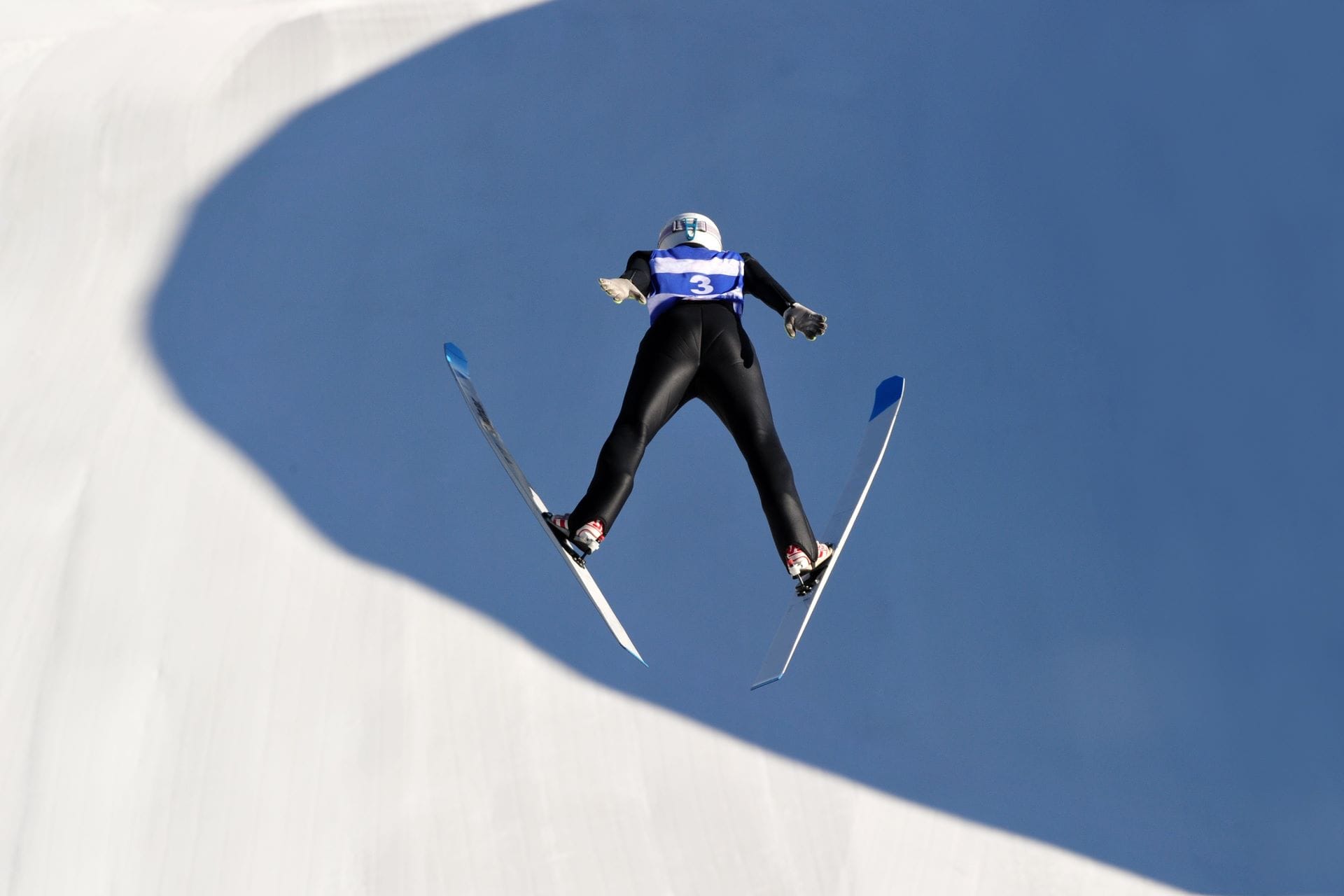
Dominating the skyline near the village of Predazzo are the soaring curves of the Stadio del Salto. This venue is globally recognized as one of the most aesthetically striking facilities in the winter sports circuit.
The 2026 preparations focus on cinematic precision and safety:
- Aero-dynamic innovation: enhancements to the "wind-net" systems and digital broadcast infrastructure ensure that every leap is captured with crystal-clear accuracy.
- Architectural harmony: the stadium is integrated into the natural slope of the mountain, minimizing environmental impact while maximizing the visual drama.
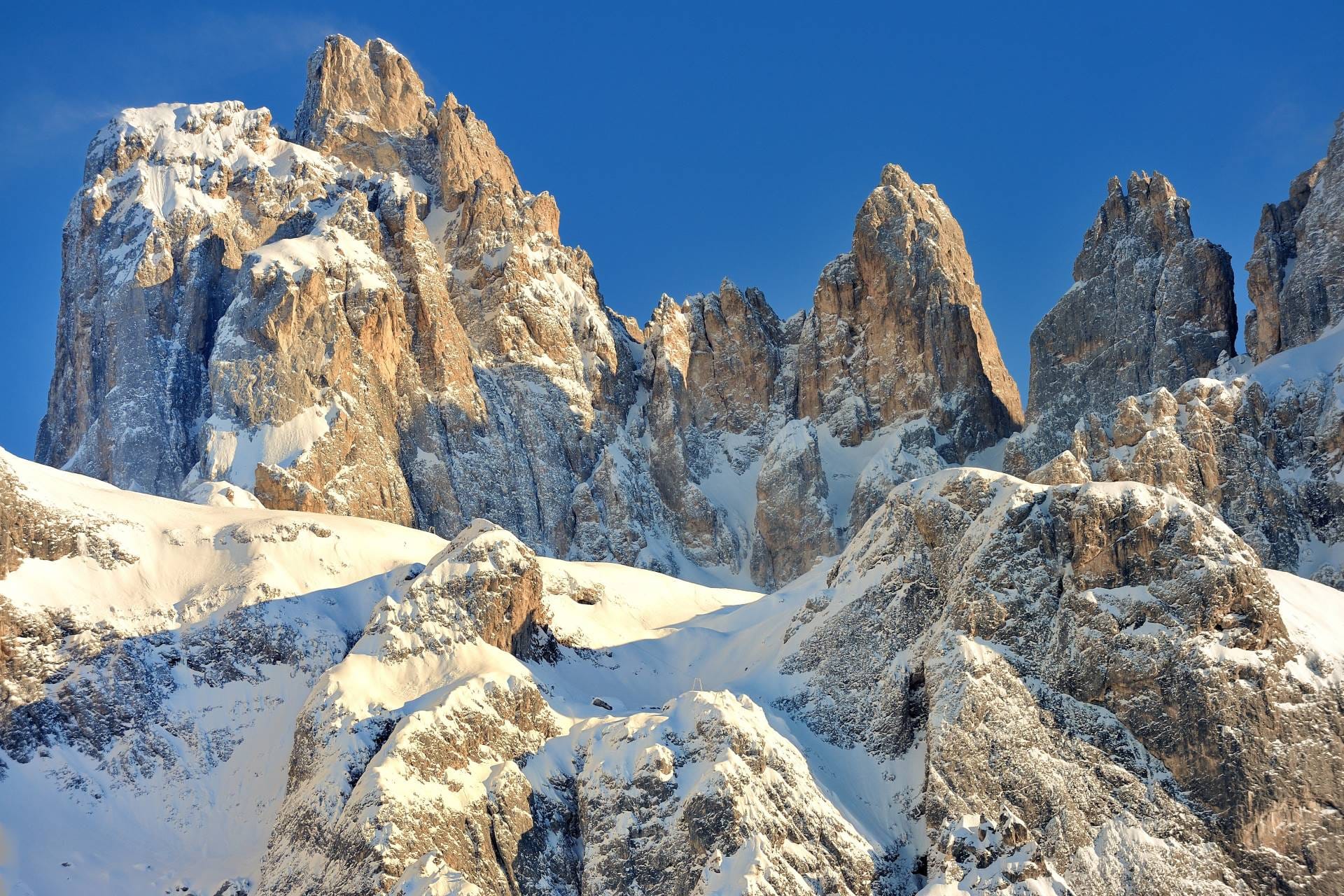
- The Latemar backdrop: watching athletes silhouette against the Latemar massif (a UNESCO World Heritage site) is a quintessential Olympic experience, blending human daring with the timeless verticality of the Dolomites.
The spirit of the valley: the Magnifica Comunità di Fiemme
To visit Val di Fiemme without acknowledging the Magnifica Comunità di Fiemme is to miss the soul of the region. This ancient institution, officially dating back to the Patti Guefardini of 1111 AD, represents one of the world's oldest and most successful examples of collective land ownership. For over nine centuries, the valley’s vast forests and alpine pastures have been managed not by a central government or a private lord, but by the "Vicini" (the local residents) themselves.
This "peasant republic" successfully defended its judicial and administrative autonomy against the Prince-Bishops of Trento and various European empires, creating a social fabric built on sustainability and shared resources long before these concepts became modern buzzwords.
The Palazzo della Magnifica Comunità in Cavalese
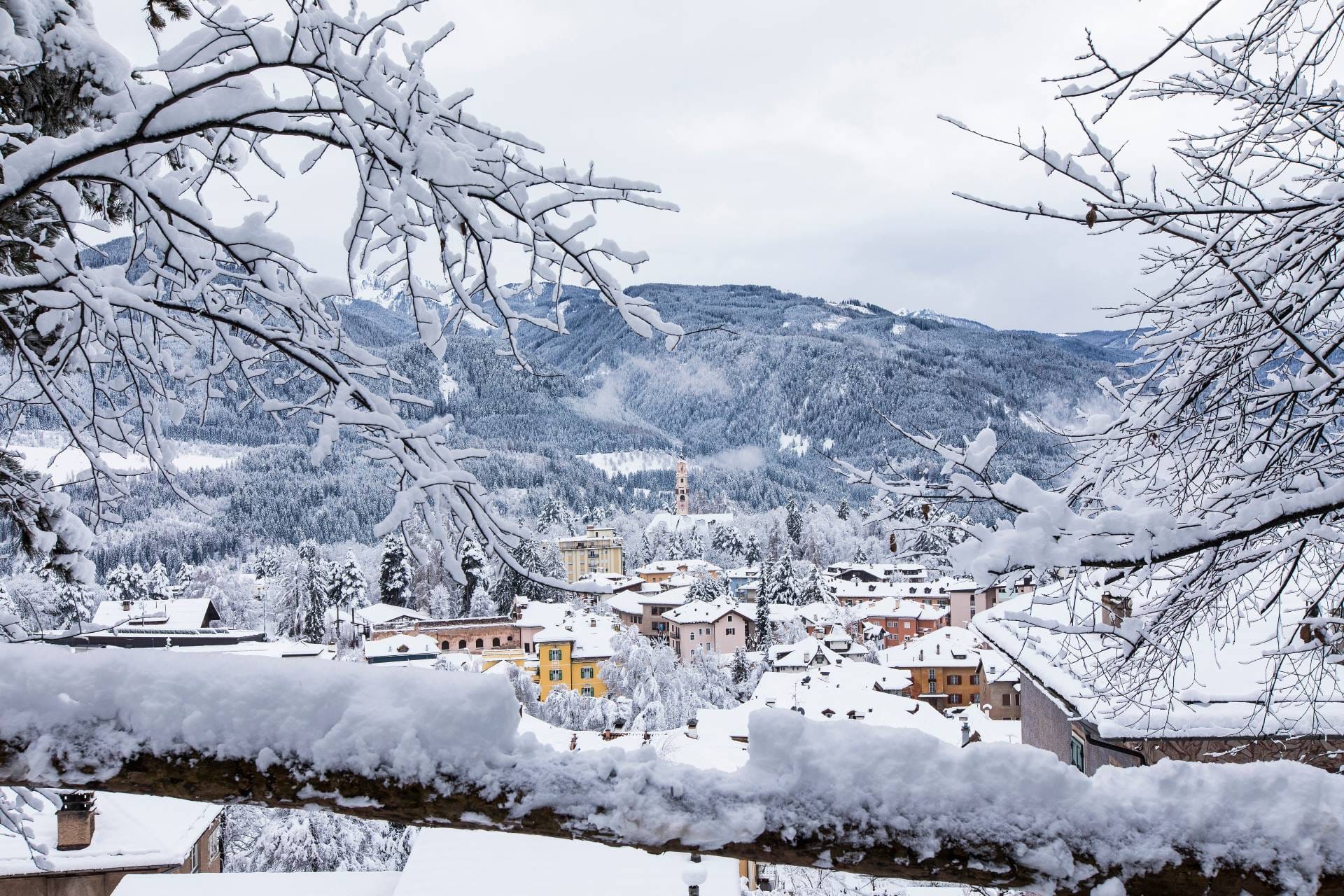
Located in the heart of Cavalese, the Palazzo della Magnifica Comunità serves as the valley’s cultural lighthouse. This architectural gem, once the temporary residence of the Prince-Bishops, is an essential stop for the traveler:
- The museum and art gallery: the palace houses a refined collection of the Fiemme School of Painting, showcasing the artistic maturity of this alpine enclave.
- The medieval prisons: a stark contrast to the noble halls above, these well-preserved cells contain graffiti left by prisoners over centuries, offering a raw glimpse into the valley's judicial history.
- The frescoes: the facade and interior rooms are adorned with late-Renaissance decorations that reflect the wealth and prestige of the Community.
The forest of violins: resonance wood and the legacy of Stradivari
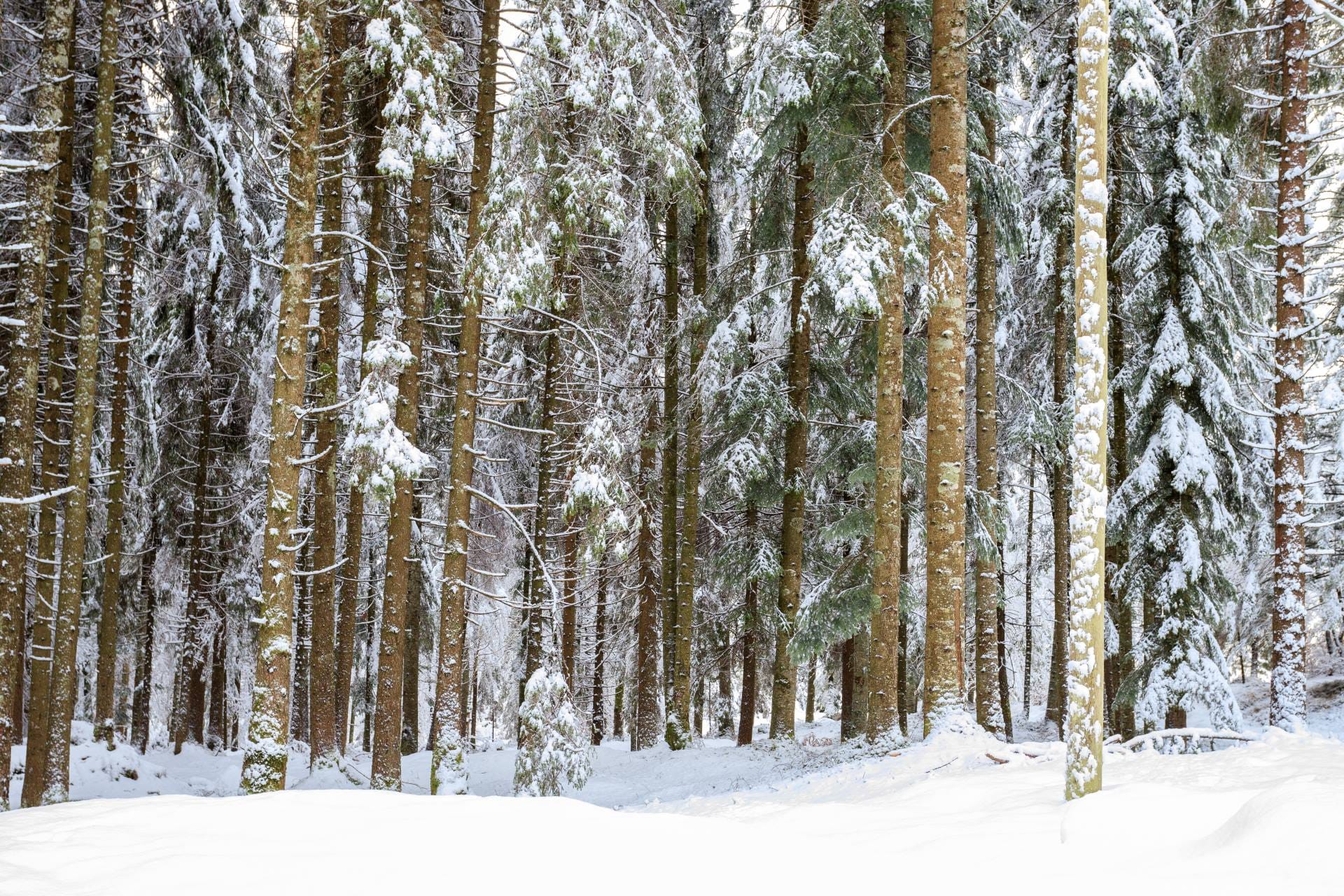
The valley’s most poetic legacy resides within the Paneveggio-Pale di San Martino Nature Park, specifically in the section known globally as the forest of violins. This is not merely a romantic name; it refers to the exceptional acoustic properties of the red spruce (Picea abies) that grows here.
The forest represents a bridge between nature and the high art of luthiery:
- Acoustic excellence: due to the valley's specific microclimate and the slow, constant growth of the trees, the wood possesses a perfectly regular cellular structure. This allows sound to propagate with unparalleled clarity.
- The Stradivari connection: legend and historical record suggest that Antonio Stradivari and other master luthiers from Cremona traveled to these woods to hand-select the "resonance wood" for their world-famous string instruments.
- The resonance trees today: the tradition remains alive. Every year, world-renowned musicians are invited to choose a tree in the forest, which is then dedicated to them, ensuring the bond between the Dolomite forests and the global music scene continues into the Olympic era.
Walking through Paneveggio during the winter months offers a sensory experience unlike any other. The silence of the snow-covered forest is occasionally broken by the "singing" of the trees, a phenomenon that has fascinated scientists and musicians for centuries.
Gastronomy: flavors of the Trentino highlands
The culinary landscape of Val di Fiemme is a direct reflection of its pastoral heritage and high-altitude resilience. Dining in the valley during the Milano Cortina 2026 Games is not merely a meal; it is an exploration of "kilometer zero" ingredients and flavors shaped by centuries of alpine isolation and communal farming.
The slow food heritage of the Dolomites
The gastronomic identity here is defined by "cucina povera" (peasant cooking) elevated to an art form. The focus is on raw materials sourced from the magnifici boschi (magnificent forests) and high-altitude pastures.
- Puzzone di Moena DOP: a pungent, washed-rind cheese that is an essential staple of any local tagliere di salumi e formaggi (charcuterie board). While its name literally translates to "big stinker," its flavor profile is surprisingly nuanced—creamy, nutty, and deeply savory. It is a Slow Food presidium that embodies the biodiversity of the Trentino meadows.
- Speck and smoked meats: the art of preservation is central to Fiemme’s history. Local speck is distinct from its northern neighbors due to a delicate balance of light smoking with larch and juniper wood followed by slow air-curing in the crisp mountain air.
- Wild game and forest fruits: many restaurant menus will feature deer or chamois ragù paired with Storo polenta (a local yellow cornmeal) and mountain cranberries, providing a high-protein, authentic meal for those spending long days at the Olympic venues.
Artisanal beverages: from pristine springs to the glass
The valley’s liquid heritage is as refined as its solid fare. The secret ingredient across all beverages is the pristine glacial water sourced directly from the surrounding Dolomite peaks.
- Fiemme craft beer: the valley has seen a resurgence in artisanal brewing. Local breweries utilize mountain hops and ancient grains to produce unfiltered, unpasteurized ales. These beers offer a refreshing counterpoint to the rich, fatty flavors of alpine cheeses.
- Trentodoc mountain bubbles: while the valley is too high for extensive viticulture, it is the perfect place to enjoy Trentodoc, the region’s prestigious metodo classico sparkling wine. Its crisp acidity and mineral notes are a sophisticated way to toast to Olympic victories.
Where to dine: the malga experience
For the most authentic experience, travelers should seek out a malga, a traditional high-altitude hut. During the winter, many of these huts are accessible by ski or snowshoe and offer a warm, rustic atmosphere where the milk is processed on-site. Dining in a malga provides a sensory connection to the land that a standard valley-floor restaurant cannot replicate, making it a priority for those seeking authentic Italian travel.
Logistics and travel planning for the 2026 winter Olympics
The valley’s logistical strategy for the Milano Cortina 2026 Olympic and Paralympic Winter Games focuses on minimizing the carbon footprint by prioritizing collective mobility over private vehicle use.
Access hubs: international gateways and rail connections
To reach the heart of the Dolomites, international travelers should strategically select their arrival point based on their broader Italian itinerary.
- By air: the primary gateways are Verona (VRN), which is approximately 100 miles (160 km) away, and Bolzano (BZO), the closest regional airport at roughly 25 miles (40 km). For those arriving from outside Europe, Milan Malpensa (MXP) or Venice Marco Polo (VCE) offer the best long-haul connectivity, with direct shuttles and train links to the Trentino region.
- By rail: the Italian high-speed rail network (Frecciarossa) and the regional Trentino Trasporti lines connect major cities to the stations of Ora (Auer) and Trento. From these stations, dedicated Olympic shuttle buses will provide frequent, high-capacity transfers into the valley.
The Olympic transport network: a model of sustainability
During the 2026 window, Val di Fiemme will implement a specialized infrastructure to manage the influx of spectators while preserving the alpine environment.
- Park & Ride systems: private vehicle access to the competition venues at Lago di Tesero and Predazzo will be strictly regulated. Large-scale peripheral parking hubs located in Molina di Fiemme and Moena will serve as the primary transfer points. From here, a dedicated electric shuttle fleet will transport fans directly to the stadium entrances.
- The backbone of the valley (Line 101): the existing Line 101 (Ora-Cavalese-Predazzo) bus route will be significantly reinforced. This line functions as the valley's transit spine, connecting all major towns. During the Games, this service is expected to be integrated with Olympic ticketing, often offering complimentary transit for ticket holders.
The Fiemme Cembra Guest Card: your digital key to the valley
For the individual traveler, the Fiemme Cembra Guest Card is an indispensable tool. This digital pass, usually provided by local accommodation providers, transcends simple transportation.
The enduring legacy of Val di Fiemme and the 2026 Games
While the world-renowned Anterselva Biathlon Arena in Val Pusteria stands as the historical pinnacle of biathlon excellence, Val di Fiemme shares a parallel and deeply intertwined legacy of Nordic mastery. Together, these two iconic valleys form what experts call the "Nordic Axis" of Northern Italy. This geographic and cultural partnership ensures that the heart of the Milano Cortina 2026 endurance events remains anchored in territories with a proven pedigree of hosting global championships.
The legacy of 2026 in Val di Fiemme is not measured in the pouring of new concrete or the construction of ephemeral structures. Instead, it is defined by the refinement of existing heritage and a commitment to "soft" infrastructure that benefits the community and the traveler long after the closing ceremony.
The Fiemme model: a reference for sustainable alpine tourism
The valley has pioneered what is now recognized internationally as the "Fiemme model". This approach represents a delicate balance between high-performance international sport, collective forest management, and a high-end, sustainable tourism industry. For the cultural traveler, this model ensures that the environment they explore remains pristine and authentic.
While the world-renowned Anterselva Biathlon Arena in Val Pusteria stands as the historical pinnacle of biathlon excellence, Val di Fiemme shares a parallel and deeply intertwined legacy of Nordic mastery. Together, these two iconic valleys form what experts call the "Nordic Axis" of Northern Italy. This geographic and cultural partnership ensures that the heart of the Milano Cortina 2026 endurance events remains anchored in territories with a proven pedigree of hosting global championships.
The legacy of 2026 in Val di Fiemme is not measured in the pouring of new concrete or the construction of ephemeral structures. Instead, it is defined by the refinement of existing heritage and a commitment to "soft" infrastructure that benefits the community and the traveler long after the closing ceremony.
Practical resources for the traveler
To ensure a seamless experience, travelers are encouraged to consult these authoritative platforms for real-time updates on ticketing, transport schedules, and cultural events.
- Visit Fiemme Official Tourism Board: the definitive guide for local accommodation, dining, and the "Fiemme Cembra Guest Card" benefits.
- Location and elevation: the valley floor averages 1,000 meters (3,280 feet), with the Olympic venues of Lago di Tesero and Predazzo strategically positioned for optimal snow conditions.
- Governance and tradition: a territory defined by the Magnifica Comunità di Fiemme, a thousand-year-old communal institution that manages the valley’s vast alpine forests.
- Olympic disciplines: the valley will host all cross-country skiing, ski jumping, and Nordic combined events, continuing its legacy as a three-time FIS World Championship host.
- Natural landmark: the Paneveggio Forest, known as the "Forest of Violins," where Antonio Stradivari sourced resonance wood for his legendary instruments.
- Winter climate: average February temperatures range from -4°C to 5°C (25°F to 41°F), typically offering sunny "Dolomite winter" days.
- Strategic connectivity: primary access is via the Ora-Auer or Trento railway stations, with integrated shuttle services connecting to the Cavalese and Predazzo hubs.
- Administrative center: the town of Cavalese, which houses the historical Palazzo della Magnifica Comunità and serves as the primary base for cultural and culinary exploration.
Guide to Italy is more than an editorial project—it’s a curated solution for travelers who demand depth, private access, and expert-led storytelling. Elevate your journey and make Italy yours.


