
Hidden deep within the Rhaetian Alps near the Swiss border, Livigno has long held a near-mythical status among European winter sports enthusiasts. Known affectionately as "Little Tibet" due to its remote location and significant elevation (1,816 meters above sea level), this valley in the Lombardy region offers a stark, dramatic beauty that contrasts significantly with the Dolomites of Cortina or the urban energy of Milan.
As a designated host venue for the Milano Cortina 2026 Winter Olympics, Livigno serves as the adrenaline-fueled anchor of the Games’ "Valtellina Cluster." While neighboring Bormio manages the alpine skiing disciplines, Livigno prepares to showcase the cutting edge of winter sports: Freestyle Skiing and Snowboarding.
The 2026 Games present an opportunity to witness not just world-class athleticism, but to discover a destination defined by its historical isolation. This is a place where unique customs, a distinct local dialect, and a historic duty-free status have created an alpine environment unlike anywhere else in Italy.
- The Olympic venues: freestyle skiing and snowboarding in Livigno
- From isolation to independence: the history and culture of "Little Tibet"
- Gastronomy: what to eat in Livigno and Alta Valtellina
- Logistics and travel planning for the 2026 Winter Olympics
- The enduring legacy of Livigno and the 2026 Games
- Practical resources for the traveler
The Olympic venues: freestyle skiing and snowboarding in Livigno
During the 2026 Games, the quiet intensity of the Livigno valley will transform into the global epicenter of youth culture and high-flying acrobatics. Livigno is set to award the highest number of medals of any single venue in the Valtellina cluster.
The competitions are strategically organized across the valley’s opposing slopes, leveraging the resort's existing state-of-the-art infrastructure that spans both mountain faces.
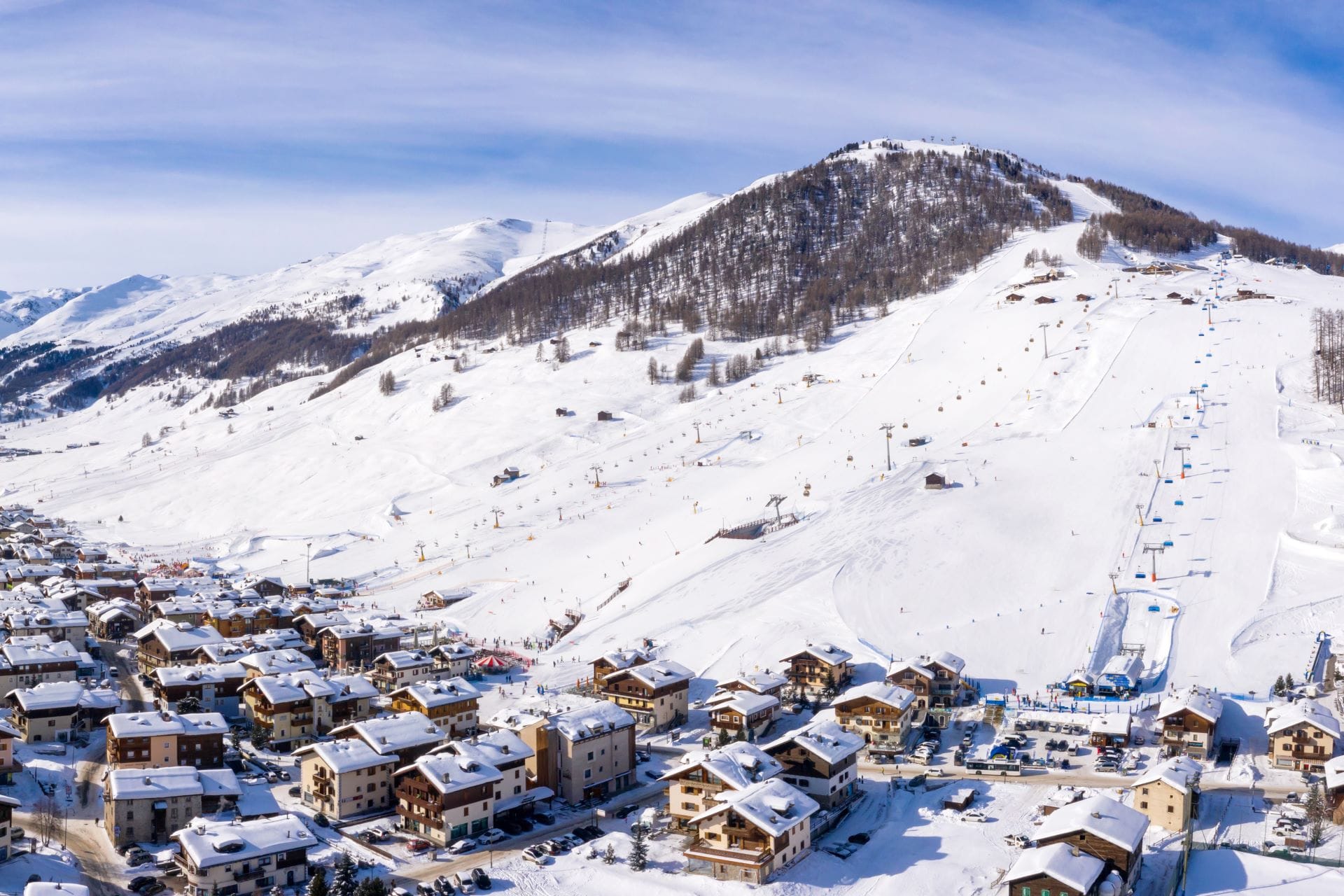
- Mottolino Fun Mountain: renowned internationally for its technical difficulty, the Mottolino area is the designated powerhouse for the Games' most adrenaline-fueled disciplines. The steep gradients and wide slopes here are perfectly suited for the massive kickers and intricate rail sections required for Halfpipe, Slopestyle, and Big Air, as well as the high-octane, head-to-head races of Snowboard Cross and Ski Cross.
- Carosello 3000 and Sitas: located on the opposite mountain face, these areas offer the ideal topography for technical precision and rhythm. They will serve as the exclusive stage for the Moguls and Aerials competitions, providing a spectacular natural amphitheater for these acrobatic events.
Livigno boasts a long history of hosting FIS World Cups, ensuring that the technical execution of the slopes will be flawless for the Olympic stage. The valley's unique geographical layout allows spectators to view events against a backdrop of pristine, treeless white peaks—a visual aesthetic that is distinct from the lower-elevation, tree-lined courses found elsewhere in the Alps.
From isolation to independence: the history and culture of "Little Tibet"
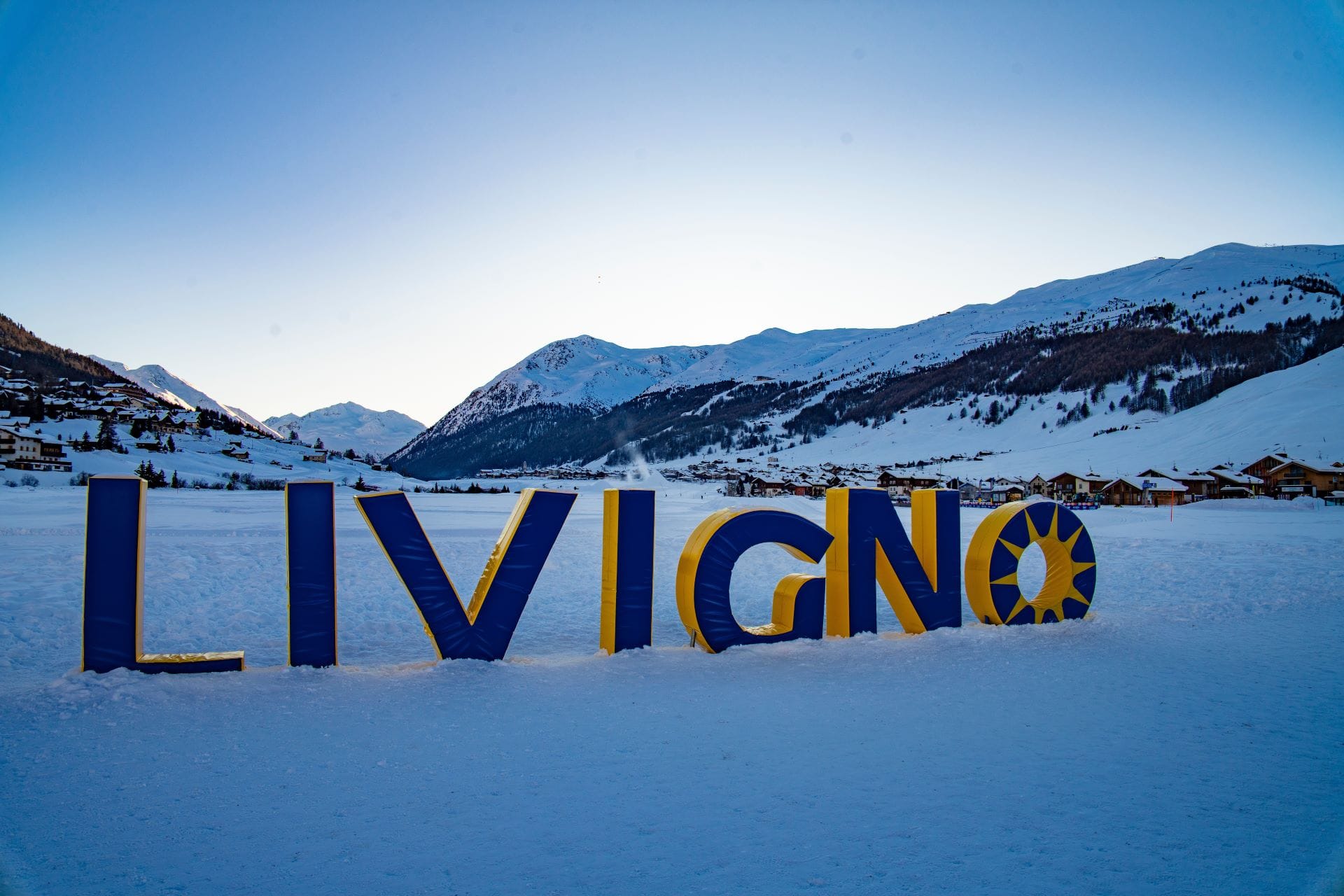
To understand the soul of Livigno, one must first understand its geography. For centuries, this high valley was defined not by who it was connected to, but by its profound isolation. Known affectionately as "Little Tibet", a moniker given by Italian geologists due to its morphological similarity to the Himalayan plateau, Livigno sits at a daunting 1,816 meters above sea level.
Until relatively recently, this altitude was a sentence of solitude. Before 1952, the valley was completely cut off from the rest of the world for up to six months a year. Heavy snowfall rendered the mountain passes impassable, forcing the local population into a state of forced autarky. It was only the permanent opening of the Foscagno Pass that year which finally connected Livigno to Bormio and the rest of the Italian peninsula year-round, ending centuries of winter seclusion.
The origins of the duty-free status: this historical isolation fostered a fierce spirit of independence and necessitated a unique economic survival strategy. The famous duty-free status that attracts shoppers today is not a modern tourist gimmick, but a historic necessity recognized by rulers for over four centuries.
- 16th Century Origins: the earliest autonomies were granted to encourage farmers to remain in this harsh, strategic borderland rather than migrating to the warmer valley floors.
- Napoleonic Confirmation (1805): the status was officially confirmed by Napoleon Bonaparte, recognizing the immense difficulty of moving goods in and out of the valley.
- Modern Ratification: this special status was later ratified by the Austro-Hungarian Empire, the Kingdom of Italy, and finally the European Economic Community (EEC) in 1960.
Purchasing VAT-free goods is less about the discount and more about participating in a living history of alpine survival.
Architecture: the preservation of the "baita"
Unlike many French or Swiss ski resorts that succumbed to the concrete brutalism of the 1970s, Livigno has fiercely protected its visual soul. The town spreads horizontally along the banks of the Spöl river, deliberately avoiding vertical high-rises to maintain a harmonious, uninterrupted dialogue with the surrounding peaks.
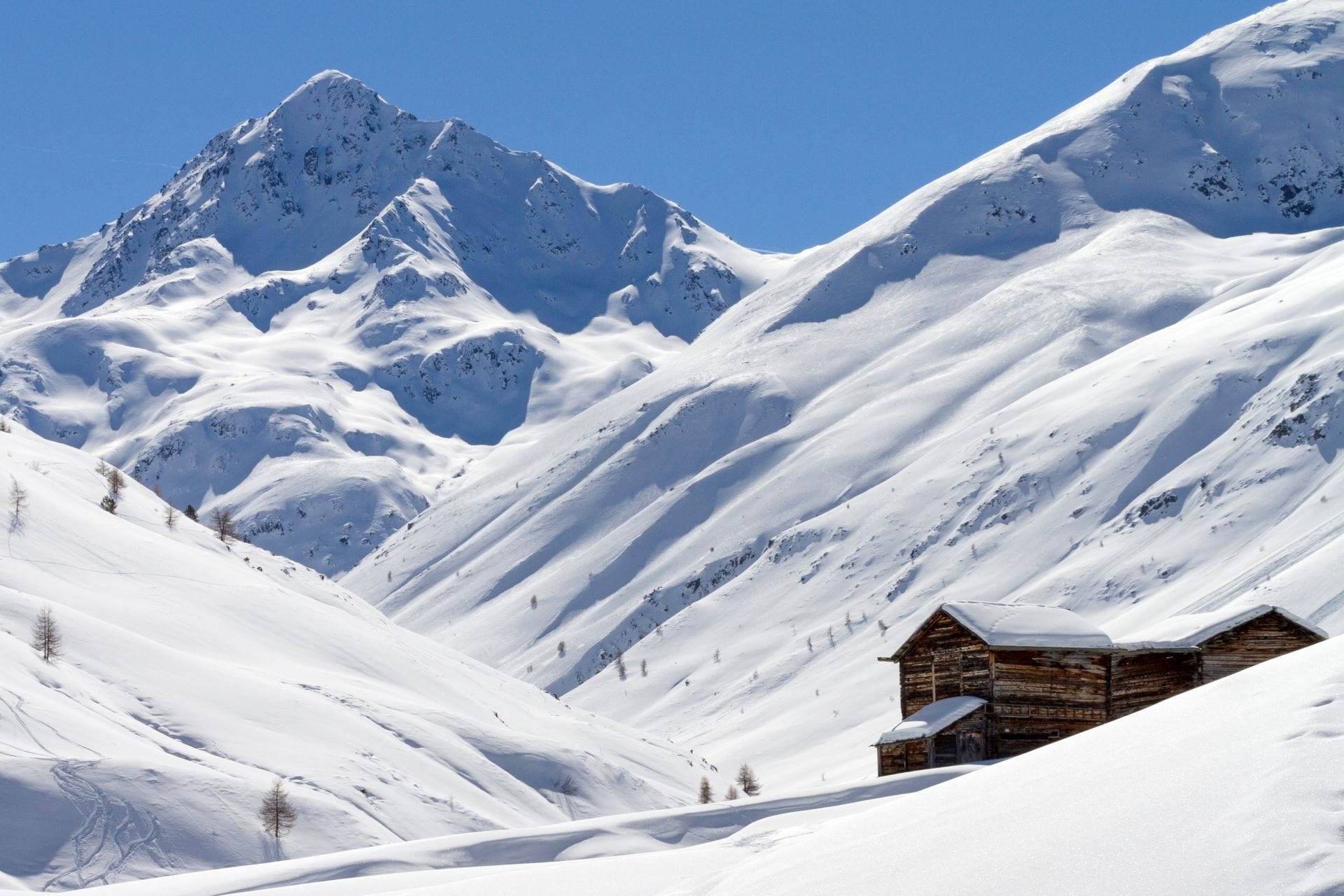
The landscape here is defined by the traditional "baita", a masterpiece of vernacular architecture that is as functional as it is beautiful. These structures are constructed almost exclusively from local stone and larch wood, a material that turns a deep, distinctive rich brown as it weathers over centuries.
The design is a direct response to the extreme climate. A typical baita features a sturdy stone base—historically used for stables and cellars—supporting wooden upper floors designated for living quarters and hay storage. Perhaps the most ingenious element is the gently sloping roof. Originally covered in wooden shingles, its pitch is calculated to hold a thick layer of winter snow rather than shed it. This snowpack acts as natural insulation, wrapping the home in a thermal blanket that keeps the interior warm even when outside temperatures plummet to -20°C.
Today, this heritage is safeguarded by strict building regulations. Even new luxury hotels must adhere to these aesthetic principles, ensuring that the authentic alpine atmosphere of the valley remains unspoiled by modern overdevelopment.
Gastronomy: what to eat in Livigno and Alta Valtellina
Dining in Livigno is an exploration of survival and tradition. Far removed from the Mediterranean diet of olive oil and tomato sauce, the cuisine here is Alpine and robust, designed over centuries to sustain mountaineers and farmers through harsh, isolating winters. The fundamental pillars of this diet are locally churned butter, high-fat mountain cheese, and the earthy, nutty flavor of buckwheat (grano saraceno).
To truly understand the region, the cultural traveler must look beyond the standard Italian menu and seek out these essential culinary experiences:
- Pizzoccheri: the undisputed icon of the valley. Unlike standard pasta, these are short, flat tagliatelle made from dark buckwheat flour. They are boiled together with potatoes and cabbage (or Swiss chard in summer), then layered in a hot dish with generous amounts of Valtellina Casera DOP cheese, before being doused in sizzling butter flavored with garlic and sage. It is a rich, communal dish that defines comfort.
- Taroz: a quintessential peasant dish frequently found in Livigno’s baite (mountain huts). It is a rustic, flavorful mash of potatoes and green beans, whipped with butter and onions, and enriched with local cheese. It offers a simpler, yet incredibly satisfying, alternative to pasta-heavy meals.
- Bresaola and Slinzega: while Bresaola della Valtellina IGP (air-dried, salted beef) is famous globally, it is best tasted here where the dry Alpine air cures it to perfection. For a more authentic "hunter's snack," ask for Slinzega. It is the ancient ancestor of bresaola—smaller, darker, drier, and intensely flavored with spices like juniper, cinnamon, and pepper.
The dairy tradition: Latteria di Livigno. No gastronomic tour is complete without acknowledging the local dairy culture. The Latteria di Livigno is not just a production center but a cooperative hub where local farmers deliver fresh milk daily. It is the best place to sample fresh yogurt, aged cheeses, and the distinctively yellow mountain butter that powers the local cuisine.
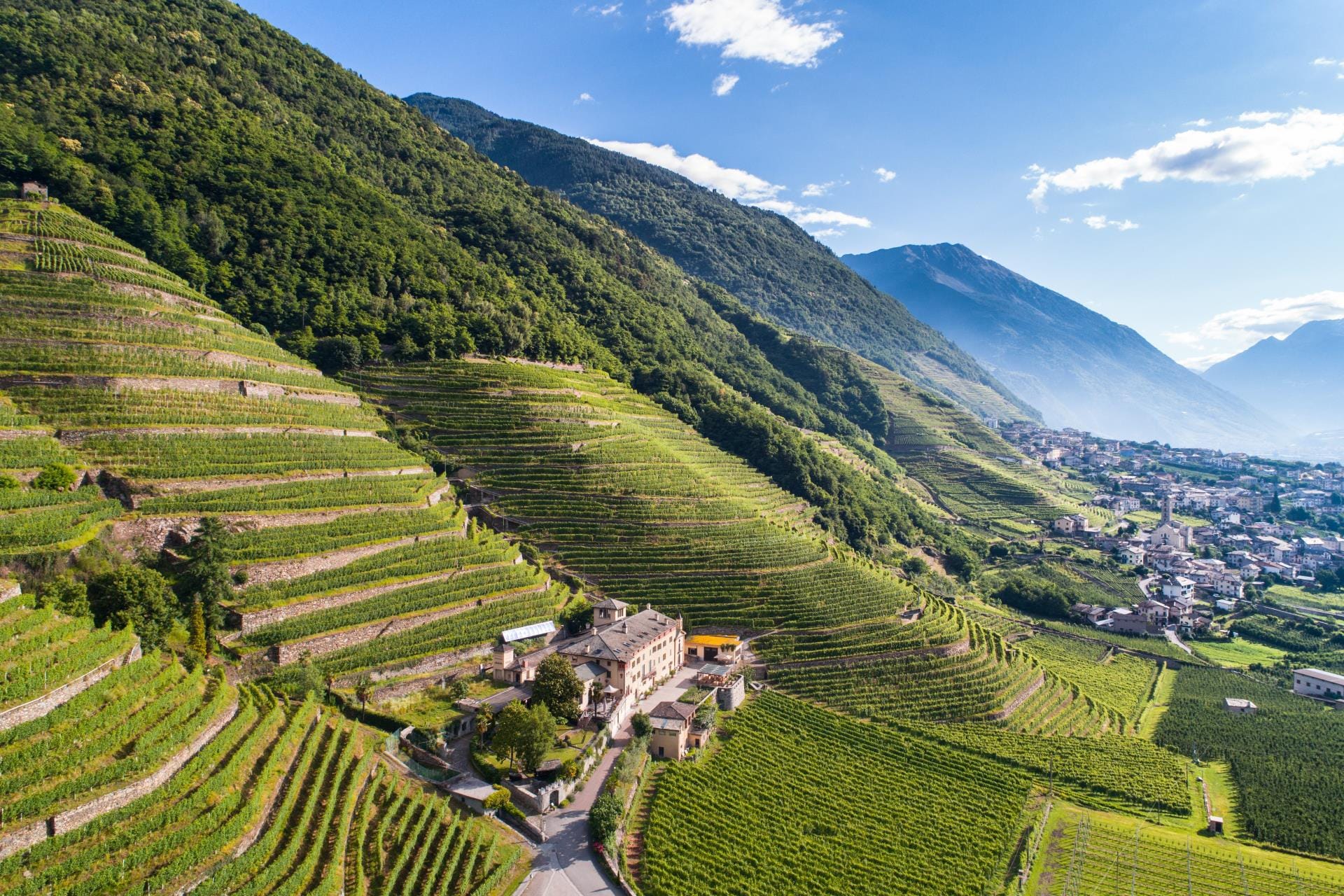
The wine pairing: Valtellina Superiore Sassella. While Livigno's altitude prevents viticulture, the lower valley produces some of Italy's most prestigious red wines from the Nebbiolo grape (locally known as Chiavennasca).
For a pairing that is elegant rather than overpowering, the discerning choice is Valtellina Superiore Sassella DOCG. Grown in the sunniest, rockiest sub-zone near Sondrio, Sassella is widely considered the most refined expression of Valtellina wine. Unlike the heavier Sforzato, a good Sassella is ruby-red and luminous, offering complex notes of wild raspberry, almond, and violet. Its distinct mineral acidity and silky tannins make it the perfect palate cleanser to cut through the butter-heavy richness of Pizzoccheri and Taroz.
Logistics and travel planning for the 2026 Winter Olympics
Reaching Livigno is an adventure into the deep geography of the Rhaetian Alps. Unlike metropolitan venues, Livigno is a high-altitude sanctuary (1,816m) located on a plateau that borders Switzerland. While its historical isolation is part of its charm, it demands careful logistical planning. The Milano Cortina 2026 Foundation, in concert with local authorities, has implemented a "smart mobility" plan designed to move spectators efficiently across the Foscagno Pass and through the Swiss borders.
Air travel gateways: strategic entry points
While Milan remains the official hub, Livigno’s unique geography makes it accessible from the north as well. International visitors should weigh their options based on their point of origin:
- Milan Malpensa (MXP): the primary international hub for intercontinental flights. It offers the most frequent shuttle connections to the Valtellina via the railway network.
- Milan Linate (LIN): located just outside the city center, this is the most convenient option for connecting flights from European capitals like London, Paris, or Frankfurt.
- Zurich Airport (ZRH): crucial for Northern Europeans. Often overlooked, Zurich is a strategic gateway for Livigno. The transfer involves a scenic journey through the Swiss Engadin valley and the Munt La Schera Tunnel, bypassing the traffic of the Milan metropolitan area.
- Bergamo Orio al Serio (BGY): the geographically closest airport to the Valtellina valley. It is a strategic entry point for those renting a car, though winter traffic on the SS38 must be considered.
The "Olympic route" via rail: the sustainable choice
The backbone of the logistics plan is the railway line connecting Milan Centrale to Tirano. This is widely considered the most stress-free and sustainable method to reach the Olympic venues.
- The Journey: operated by Trenord, this line runs along the spectacular eastern shore of Lake Como before entering the vineyards of the Valtellina. Infrastructure upgrades have been completed to increase frequency and reliability for the 2026 Games.
- The "Last Mile" Transfer: Tirano serves as the intermodal hub where the rail line ends. From here, the connection to Livigno (approx. 70km / 43 miles) is managed via a dedicated fleet of Olympic shuttle buses. These buses traverse the Foscagno Pass, which is kept open 24/7 by dedicated snow-clearing teams.
Road infrastructure and access: driving to "Little Tibet"
For those opting for private transfers or car rentals, specific knowledge of the mountain passes is required. GPS apps often underestimate winter travel times.
- From Italy (Foscagno Pass): the main access is via Bormio and the SS301. Drivers must be aware that this is a high-alpine road. Snow chains on board or winter tires are mandatory from October to April, and police checks are frequent.
- From Switzerland (Munt La Schera Tunnel): access from the north requires passing through this single-lane, alternating traffic toll tunnel. For the duration of the Games, specific slots may be reserved for Olympic traffic, so booking passage in advance on the official tunnel website is strongly recommended.
- Local mobility: Livigno operates an exceptionally efficient, free bus system traversing the valley floor, connecting all ski lifts and the town center. During the Olympics, this network will be reinforced to minimize private traffic.
Where to stay in Livigno: choosing your base
Accommodation in Livigno is defined by the "alpine baita" style—warm, wooden, and family-run. However, the valley is long, and choosing the right district is key to maximizing your Olympic experience.
- Centro (Pedestrian Zone): the beating heart of the village. This is the ideal choice for those who want immediate access to luxury duty-free shopping, vibrant nightlife, and the destination's finest restaurants. Be aware that vehicle access is restricted here, so parking must be arranged in advance.
- San Rocco / Carosello 3000: located on the southern end of the valley, this area is quieter and offers excellent ski-in/ski-out access. It is perfect for families and travelers prioritizing maximum time on the slopes over late-night social activities.
- Teola / Mottolino: situated on the sunny eastern slope, this district offers panoramic views of the entire valley. It is the most strategic base for accessing the Freestyle and Snowboard venues, making it a prime location for Olympic spectators who want to be close to the medal events.
- Trepalle: holding the title of Europe’s highest permanently inhabited village, this hamlet offers a rugged, authentic experience above the main valley. It connects directly to the Mottolino ski area via the Trepalle chairlift, making it a favorite for serious skiers who want to avoid morning valley traffic and enjoy a wilder, high-altitude atmosphere.
- Valdidentro and Semogo (Pre-Foscagno): located just before the Foscagno Pass, these villages offer a strategic and budget-friendly alternative for travelers with cars. While just outside the duty-free zone, this location serves as a perfect midway point for those wishing to split their time between the freestyle events in Livigno and the alpine skiing competitions in Bormio.
The enduring legacy of Livigno and the 2026 Games
The Milano Cortina 2026 Winter Olympics represent far more than a few weeks of competition; they act as a catalyst for a profound, sustainable transformation of the valley. The Games are not the finish line, but the starting point of a new era for Livigno.
Unlike past mega-events that left behind "white elephants"—abandoned, decaying stadiums—Livigno’s strategy is built on adaptive reuse and long-term utility. The legacy of 2026 is anchored in three specific pillars that will benefit travelers for decades:
- The European capital of freestyle: the infrastructure developed for the Games will not be dismantled. Instead, it solidifies Livigno’s position as the premier training ground for freestyle skiing and snowboarding in Europe. The halfpipes and slopestyle courses at Mottolino are designed to remain permanent fixtures, offering recreational skiers access to Olympic-grade facilities.
- Sustainable mobility & digitalization: the most significant tangible legacy is the modernization of transport. Investments in "smart mobility"—including electric shuttle fleets, digital traffic management systems, and improved access roads—will permanently ease the logistical friction of reaching this remote valley, reducing the carbon footprint of future tourism.
- Preserving the alpine soul: perhaps most importantly, the event is an opportunity to showcase Livigno's dual identity. It proves that a destination can be a cutting-edge sports hub capable of hosting the world, while simultaneously remaining a guardian of tradition.
Post-2026, Livigno will emerge better equipped and more accessible, yet essentially unchanged in its spirit. It remains a place where the local dialect is still spoken, the "baita" architecture is protected, and the mountains, not the marketing, dictate the rhythm of life.
Practical resources for the traveler
To ensure a seamless and well-coordinated experience during the Games, travelers are strongly encouraged to consult these authoritative platforms for real-time updates on ticketing, transport schedules, and accommodation availability.
- Livigno Tourism Board: the official destination website with real-time updates on weather, road conditions, and accommodation.
- Valtellina Tourism: broad information on the wider region, including gastronomy and transport connections from Tirano and Bormio.
- Location and elevation: the town center lies at a lofty 1,816 meters (5,958 feet), with the Trepalle district reaching over 2,000 meters, distinguishing it as Europe's highest permanently inhabited parish.
- Governance and tradition: historically known as "Little Tibet" for its winter isolation, it holds a unique duty-free status granting it distinct economic independence and VAT exemptions.
- Olympic disciplines: the venue will host the highest number of medal events in the cluster, specifically dedicated to all Freestyle Skiing and Snowboard competitions.
- Natural landmark: the elongated valley floor traversed by the Spöl river and the spectacular artificial Lake of Livigno, which borders the Swiss National Park.
- Winter climate: famously cold with February lows often dropping below -10°C (14°F), ensuring the impeccable natural snow reliability that defines the resort.
- Strategic connectivity: accessible via the Foscagno Pass (Italy) or the Munt La Schera Tunnel (Switzerland), with reinforced Olympic shuttle networks connecting to Tirano.
- Administrative center: the pedestrianized village center, an open-air mall of luxury boutiques housed in traditional wood-and-stone baita architecture.
Guide to Italy is more than an editorial project—it’s a curated solution for travelers who demand depth, private access, and expert-led storytelling. Elevate your journey and make Italy yours.


