
The Ampezzo Valley has long stood as a definitive intersection of geological majesty and high-society refinement. As the global stage turns toward the Milano Cortina 2026 Olympic and Paralympic Winter Games, this historic mountain town reaffirms its status as an elite destination. Far from being a mere sporting hub, Cortina d’Ampezzo represents a complex tapestry of Alpine history: a place where the sheer verticality of the Tofane massifs meets the understated elegance of a community that has hosted international royalty, artists, and athletes for over a century. For the traveler, understanding Cortina is essential to navigating the 2026 Games with the depth and autonomy that an authentic Italian experience demands.
A legacy reborn: from 1956 to 2026
The return of the Olympic flame to the Ampezzo Valley is widely regarded as a homecoming. In 1956, Cortina d’Ampezzo hosted the first Winter Games ever broadcast to a global television audience, a milestone that forever linked the town to the ideals of international competition and modern prestige. The 2026 iteration is designed to honor this heritage by emphasizing the reuse and restoration of historic venues rather than the construction of temporary structures.
This philosophy of "legacy-first" development aligns with the region’s commitment to preserving the integrity of its landscape: a core value for the UNESCO World Heritage status of the Dolomites. This means experiencing the Games within a context of environmental stewardship and architectural continuity, ensuring that the spectacle of the event does not overshadow the timeless character of the mountains.
Key Olympic venues in Cortina
The competition sites for 2026 are deeply embedded in the local topography, offering spectators a rare opportunity to witness elite sports within a natural amphitheater. The venues chosen for the upcoming Games represent a bridge between mid-century Alpine tradition and 21st-century technological requirements:
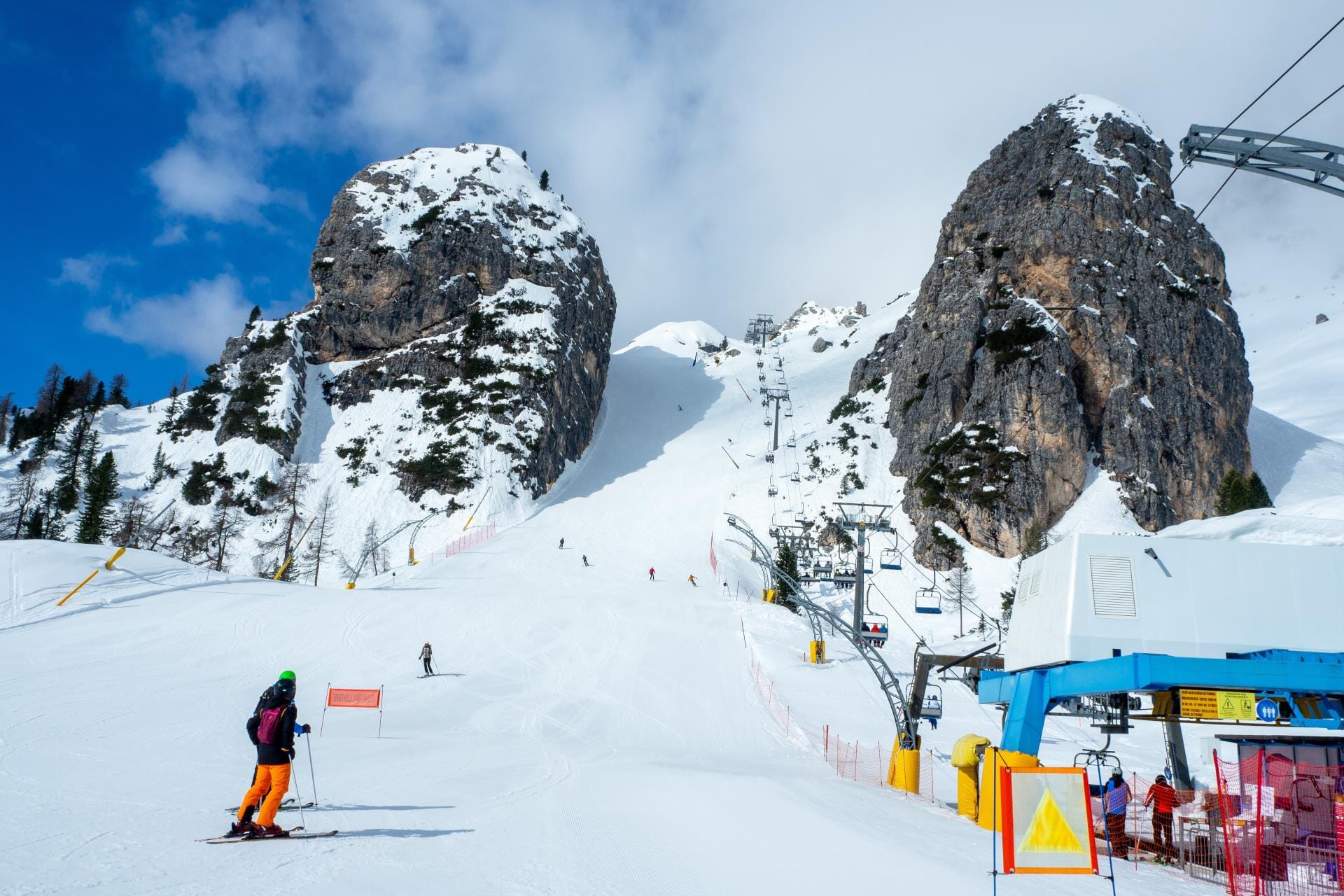
- Olympia delle Tofane: this legendary slope remains the centerpiece for women’s alpine skiing. Celebrated for its technical complexity, the course features the dramatic "Schuss" passage, where skiers accelerate between two towering rock walls. It is a venue that demands respect from athletes and offers unparalleled visibility for spectators.
- Olympic Ice Stadium (Stadio Olimpico del Ghiaccio): originally an open-air facility built for the 1956 Games, this iconic structure serves as the modern stage for curling. Its architecture remains a testament to the Ampezzo style: a design that has undergone careful renovations to accommodate contemporary digital broadcasting needs while maintaining its historic aesthetic.
- Cortina Sliding Centre: modernized to host bobsleigh, skeleton, and luge events, this facility continues a tradition of high-speed sliding sports that has been a part of Cortina’s sporting identity for decades.
The Ampezzo identity: culture and tradition
While the upcoming Olympics provide a contemporary thrill, the true soul of the region lies in its Ladin heritage. The Ampezzo people belong to a unique Rhaeto-Romance linguistic group that has inhabited these valleys for millennia, predating the rise of the Roman Empire in many Alpine sectors. This cultural resilience is not merely historical; it is a living reality that provides Cortina with a distinct atmosphere compared to more commercialized resorts.
The valley's unique cultural identity is governed by the Regole d'Ampezzo, an ancient and sophisticated system of collective land ownership. This institution still manages the surrounding forests and pastures today, ensuring that:
- The land remains undivided and protected from industrial exploitation.
- The community maintains sustainable forest management practices that have lasted for over 800 years.
- The landscape remains pristine, as the Regole prioritize environmental stewardship over the unchecked development often seen in other high-altitude mountain resorts.
For the traveler, this means that every hike or ski run takes place on land that is deeply respected and protected by its local inhabitants, offering a layer of authentic connection rarely found in modern tourism.
Heart of the village: Corso Italia
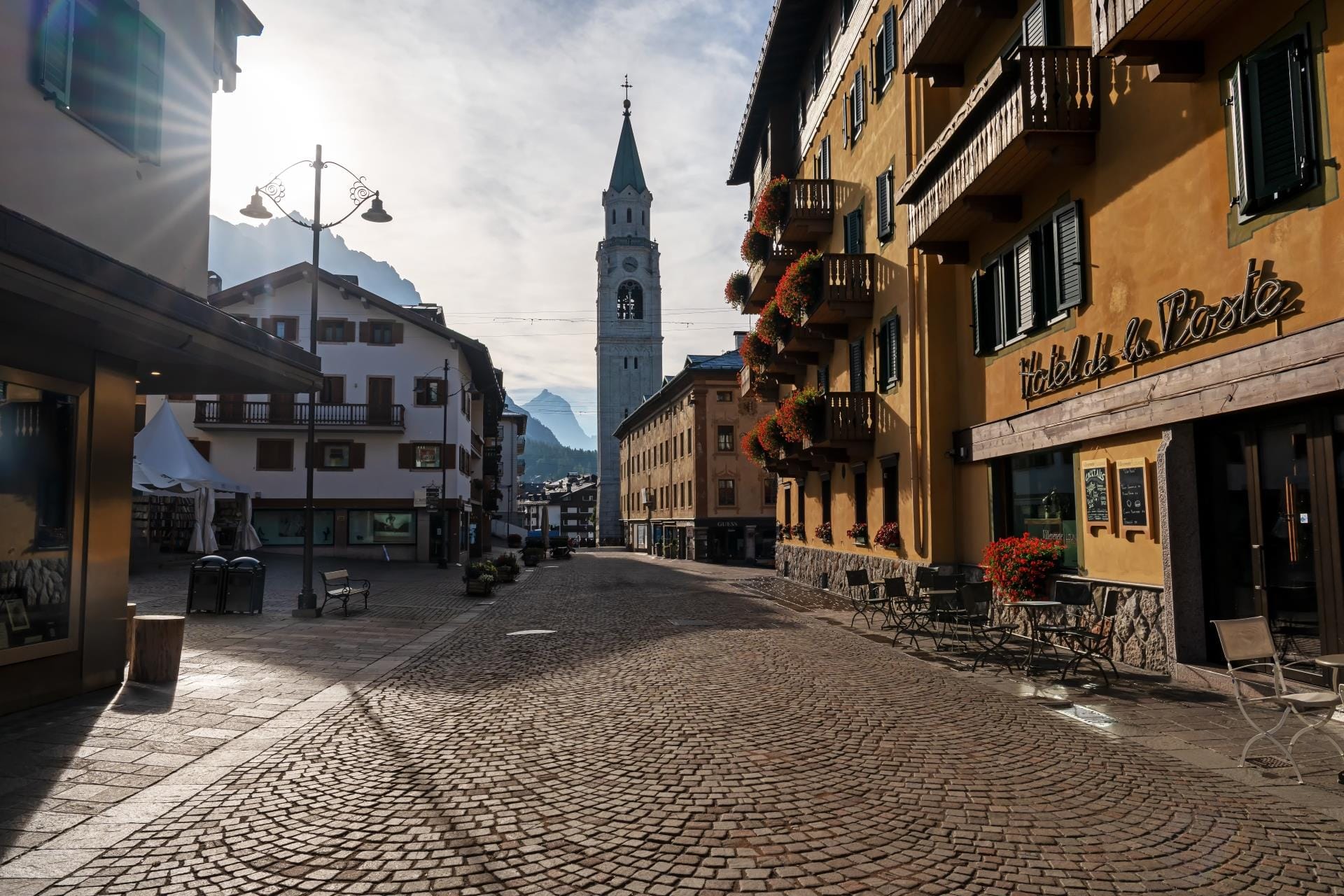
The social life of Cortina revolves around Corso Italia, a prestigious pedestrianized thoroughfare that serves as the town’s primary artery. This street is the essential setting for the traditional passeggiata: a refined ritual where visitors and locals alike engage in the slow-paced evening stroll.
The Corso represents a perfect equilibrium between tradition and modernity. As a vertical landmark that anchors the village’s architectural skyline, the Basilica Minore dei Santi Filippo e Giacomo stands as a testament to the region's religious and artistic history. Its 70-meter bell tower, constructed from local limestone, provides a striking contrast to the surrounding high-end boutiques. Here, the traveler can find:
- International luxury brands that cater to a global elite.
- Local artisanal workshops showcasing hand-carved wood and traditional Ampezzo jewelry.
- Historic cafés where the intellectual history of the Dolomites was written by mountaineers and writers over the last century.
Museums and intellectual heritage
For the traveler seeking intellectual depth and a break from the athletic pace of the 2026 Games, the local museums offer a comprehensive look at the region’s complex evolution. These institutions provide the necessary context to understand the Dolomites not just as a playground, but as a UNESCO World Heritage site of global importance.
The museum circuit is divided into three distinct pillars of knowledge:
- The Mario Rimoldi Modern Art Museum: this institution houses one of the most significant private collections of 20th-century Italian art. It provides an intimate look at how the verticality of the Tofane and Cristallo massifs inspired masters such as De Chirico, Campigli, and Morandi, who saw in these mountains a metaphysical grandeur.
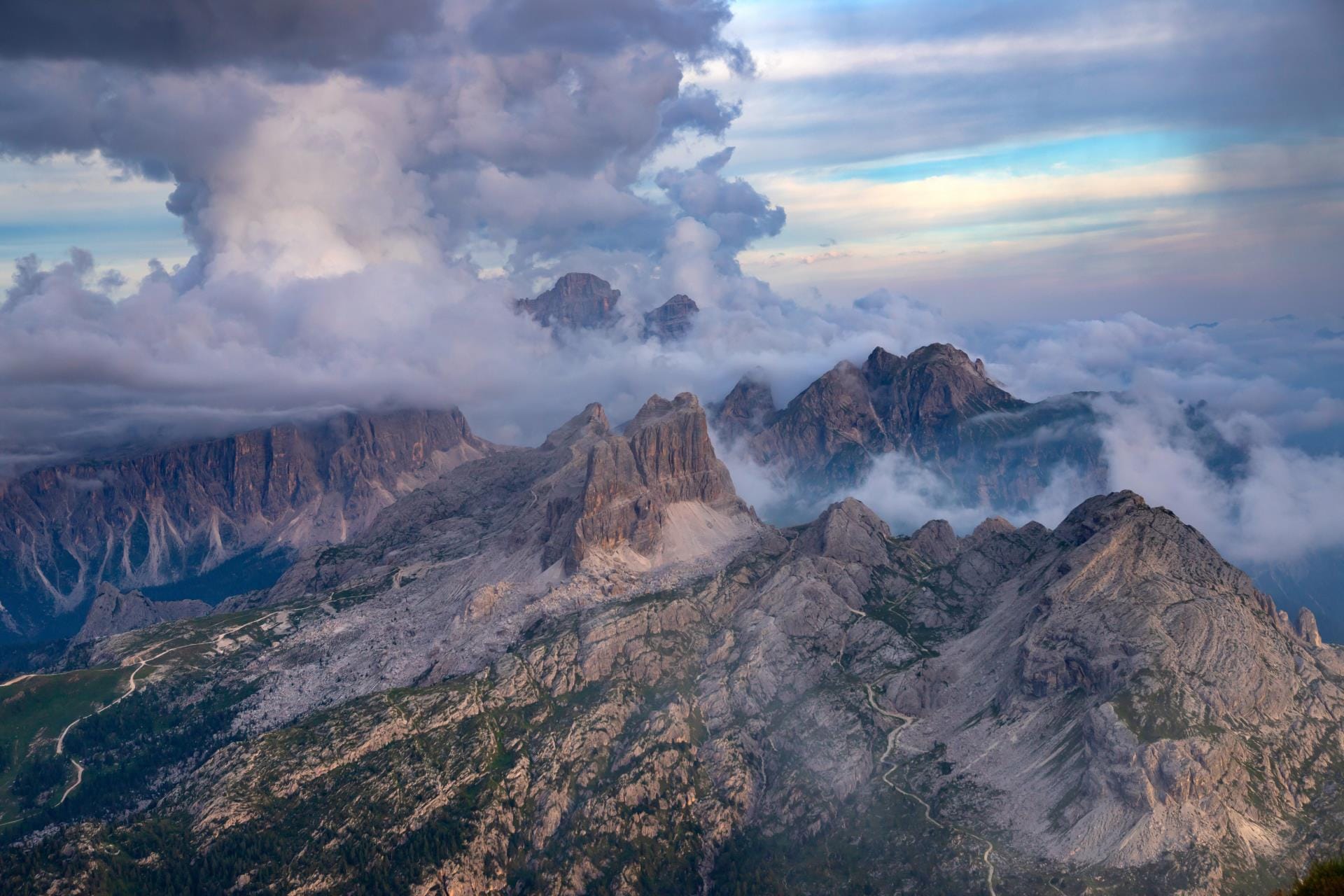
- The Rinaldo Zardini Palaeontological Museum: this collection explores the prehistoric origins of the Dolomites. It showcases an array of fossils—including megalodonts and ancient corals—that prove these massive peaks were once a tropical coral reef in the Triassic sea, offering a humbling perspective on geological time.
- The Ethnographic Museum: located in an old sawmill, this museum documents the rural life, artisanal skills, and traditional costumes of the Ladin people. It offers a necessary contrast to the town’s glamorous reputation, highlighting the rugged self-sufficiency required to survive and thrive in the high Alps for centuries.
Gastronomy: a taste of the high altitudes
The culinary landscape of Cortina d’Ampezzo is a sophisticated reflection of its geographical position: a rare territory where Italian refinement meets Tyrolean influence and ancient Ladin traditions. For the cultural traveler visiting during the Milano Cortina 2026 Games, the local food scene offers a narrative of resilience and creativity, where ingredients are sourced from the immediate Alpine environment to create dishes that are both hearty and technically precise.
Signature dishes: the flavors of the Ampezzo Valley
To understand the palate of the Dolomites is to understand the history of the people who have inhabited these peaks for centuries. The menus in Cortina are defined by several iconic regional specialties that reflect a "zero-kilometer" philosophy long before the term became a global trend:
- Casunziei all’ampezzana: perhaps the most famous dish of the valley, these crescent-shaped pasta shells are stuffed with red beets and smoked speck. They are typically served with a delicate dressing of melted mountain butter and a generous dusting of poppy seeds. The earthy sweetness of the beets, contrasted with the salty butter, creates a flavor profile that is synonymous with Ampezzo kitchens.
- Canederli (Knödel): these traditional bread dumplings are a staple of Alpine "povera" cuisine, evolved into a gourmet delicacy. Flavored with Dolomitic speck, local Malga cheese, or spinach, they are served either in a rich, clarified beef broth or "dry" with browned butter and sage.
- Chenedi: a specific local variation of liver dumplings, chenedi are often found in the most traditional Ladin households and refined restaurants alike, reflecting the region's deep hunting heritage and the practice of utilizing every part of the animal.
- Game meats and polenta: slow-cooked venison or roe deer, often infused with juniper berries and mountain herbs, is frequently paired with stone-ground yellow polenta, providing a robust meal essential for the high-altitude climate.
High-altitude dining: the evolution of the mountain rifugio
Beyond individual dishes, the dining experience in Cortina is defined by its unique locations. The rifugi, or mountain huts, have undergone a significant metamorphosis: once simple shelters for mountaineers, they have evolved into world-class gastronomic destinations accessible via ski lifts or snowcats.
Establishments located in the Lagazuoi, Cinque Torri, and Cristallo areas offer a dining experience that rivals the finest metropolitan restaurants. During the 2026 Winter Games, these venues will serve as the ultimate vantage points for spectators, allowing for a lunch that pairs Michelin-level technicality with unobstructed views of the UNESCO-protected peaks.
Pairing the peaks: regional wines and spirits
No gastronomic journey through Cortina is complete without exploring the extensive wine cellars of the region. The proximity to the Veneto and Trentino-Alto Adige wine regions ensures that Cortina’s tables are graced by some of the world’s most prestigious labels.
- Sparkling excellence: the high-altitude atmosphere is perfectly complemented by a glass of Prosecco Superiore di Conegliano Valdobbiadene or a complex Trentodoc classic method sparkling wine.
- Alpine whites and robust reds: travelers should seek out local Kerner or Gewürztraminer for a crisp pairing with casunziei, or a structured Lagrein or Teroldego Rotaliano to accompany game-based entrees.
- The digestif tradition: to conclude a meal, the tradition of infused Grappa is paramount. Many rifugi produce their own infusions using local ingredients such as mugho pine, gentian root, or wild blueberries, providing a literal taste of the Dolomitic flora.
Logistics and travel planning for the 2026 winter Olympics
Efficient travel during an international sporting event of this magnitude requires more than just a reservation: it demands a proactive approach to Alpine logistics. Cortina’s location in the northern reaches of the Belluno province makes it a secluded gem, yet its high-altitude setting necessitates a sophisticated navigation strategy to ensure a seamless experience between the Olympic venues and your retreat.
Strategic arrival: airports and transit hubs
The primary gateway for international visitors is Venice Marco Polo Airport (VCE), located approximately 160 kilometers (100 miles) south of the valley. For those traveling within Europe, Treviso Airport (TSF) serves as an excellent secondary hub. During the 2026 Games, the transport infrastructure will be significantly bolstered:
- Dedicated Olympic shuttles: services such as the Cortina Express and ATVO will synchronize their schedules with peak flight arrivals, providing direct connectivity from Venice and Treviso to the Cortina d'Ampezzo bus station.
- Rail and road integration: while Cortina is not served by a direct train line, the "intermodal" route via Pieve di Cadore-Calalzo station remains a viable option. From here, synchronized bus transfers complete the journey into the heart of the Ampezzo Valley.
- Private chauffeured transfers: for the traveler prioritizing comfort and time, private transfers via the A27 motorway offer the most direct route, bypassing the complexities of public transit schedules.
The road to Cortina: navigating the Grande Strada delle Dolomiti
While private car rentals offer maximum autonomy, the Grande Strada delle Dolomiti (Great Dolomites Road) will be subject to strict management during the Olympic period. To maintain the region's commitment to sustainability and security, several measures will be in place:
- Traffic restrictions and ZTLs: expect expanded limited traffic zones (ZTL) within the Cortina town center. Only authorized vehicles or those with specific Olympic permits will have unrestricted access to certain competition corridors.
- Parking strategy: parking within Cortina will be at a premium. The most efficient strategy for the traveler is to utilize "park and ride" facilities located in the lower valley, using the high-frequency Olympic shuttle network to reach the finish lines.
- Winter equipment mandates: navigating the mountain passes (if these are open, remember to always check that the roads are passable) in February requires mandatory winter tires or chains. The steep gradients of the Falzarego and Giau passes are breathtaking but require a vehicle equipped for genuine Alpine conditions.
Accommodation and the hub-and-spoke strategy
Securing luxury lodging within the immediate perimeter of Cortina requires a significant lead time, often exceeding twelve months. For the traveler seeking a more authentic experience, a "hub-and-spoke" strategy is highly recommended. By staying in the surrounding villages, you can enjoy a quieter atmosphere while remaining within the Olympic transport loop:
- San Vito di Cadore and Borca di Cadore: located just minutes south of Cortina, these villages offer a more traditional glimpse into the Cadore region’s daily life and provide excellent access to the Tofane competition sites.
- The Alta Badia alternative: for those who do not mind a scenic morning drive or shuttle over the pass, the Alta Badia valley offers world-class hospitality and a different cultural perspective of the Dolomites, while remaining within striking distance of the Ampezzo venues.
- The luxury of the Rifugi: some travelers may opt for high-altitude stays in boutique mountain huts. These provide an unparalleled "ski-in, ski-out" advantage for the morning competitions, though they require early booking due to extremely limited capacity.
The enduring legacy of Cortina and the 2026 Games
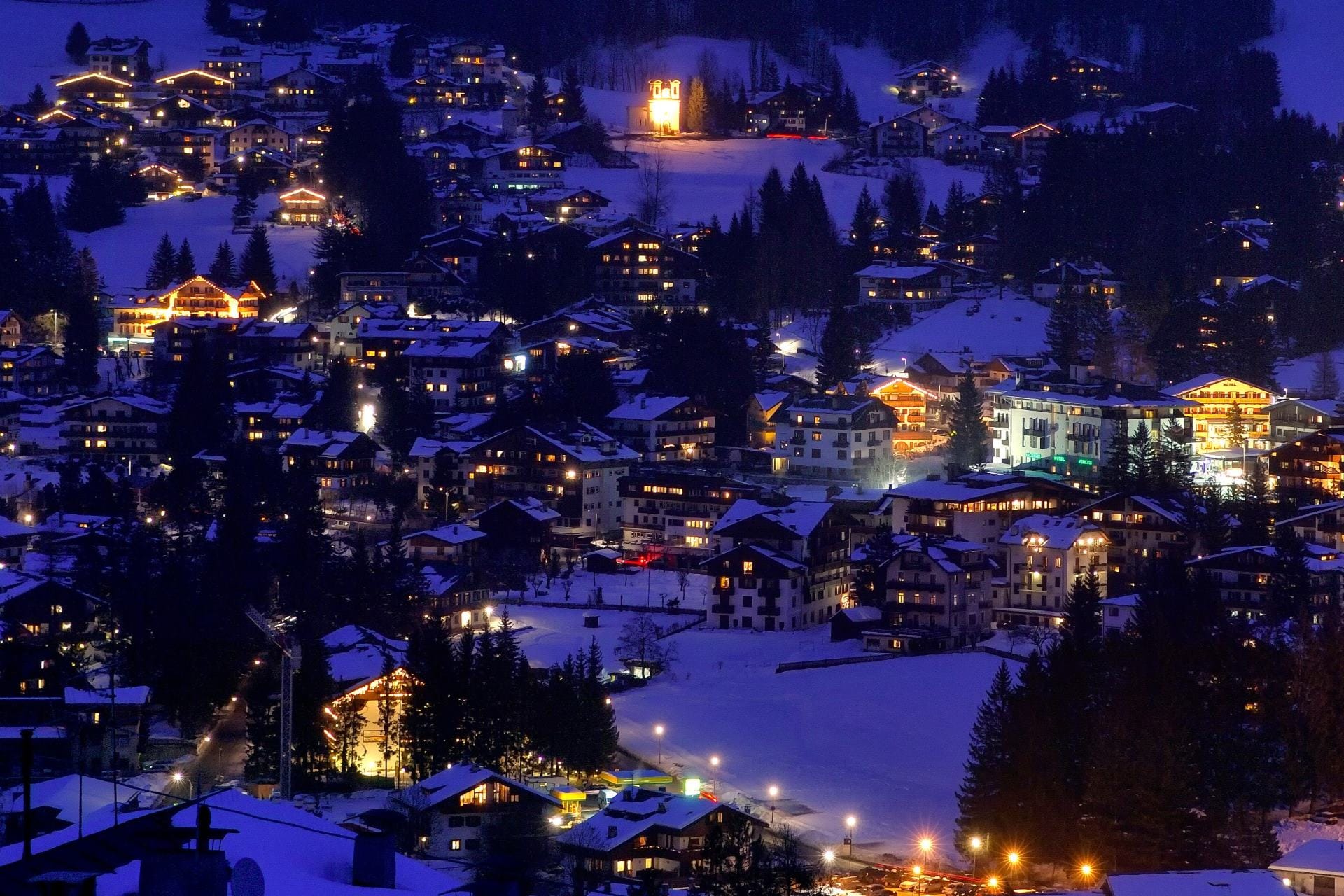
Cortina d’Ampezzo remains a destination of rare duality: it is a landscape where the visceral intensity of world-class winter competition exists in perfect harmony with a slow, deeply traditional way of life. For the traveler, the Milano Cortina 2026 Games represent more than a mere sporting event; they are a unique window into an Alpine legend at its most vibrant and transformative stage.
To capture the true essence of the Queen of the Dolomites, the visitor must look beyond the temporary grandstands. The success of a journey to this region is defined by several key pillars:
- The cultural immersion: prioritizing an understanding of Ladin heritage and the ancient Regole system to appreciate the valley's social fabric.
- The intellectual discovery: dedicating time to the local museum circuit to reconcile the mountains' geological past with their artistic future.
- The logistical precision: navigating the Dolomitic infrastructure with an expert approach, ensuring that transit and lodging are handled with the autonomy that a high-profile event demands.
The 2026 Games will leave a permanent mark on the valley through modernized infrastructure and a renewed global spotlight. However, the enduring legacy of Cortina lies in its ability to host the world without losing its soul. Whether you are standing at the finish line of the Olympia delle Tofane or sharing a quiet meal in a high-altitude rifugio, you are participating in a historical continuity that has defined Italian Alpine excellence for over a century. By planning with precision and traveling with curiosity, you ensure an experience that is as authentic as the limestone peaks themselves.
Practical resources for the traveler
To ensure a seamless and autonomous experience, the following institutional and official resources should be consulted for real-time updates on mountain safety, event programming, and local accessibility:
- Cortina d’Ampezzo - official tourism portal: this is the primary digital hub for the Ampezzo Valley. This site provides updated information on local cultural events, visitor services, and restaurant directories.
- Cortina Alpine Guides: for those seeking to explore the more technical aspects of the Tofane and Cristallo massifs, the Alpine Guide of Cortina provides expert-led tours and safety assessments.
- Location and elevation: the town sits at 1,224 meters (4,016 feet), with competition venues like the Tofane massifs extending well above 2,500 meters.
- Linguistic landscape: a bilingual environment where Italian and the ancient Ladin language are spoken, reflecting the valley's distinct Rhaeto-Romance heritage.
- Olympic disciplines: the venue will host all women’s alpine skiing, curling, bobsleigh, skeleton, and luge competitions.
- Primary landmarks: the Tofane mountain group and the 1956 Olympic Ice Stadium, which remains a focal point of the town’s sporting identity.
- Winter climate: typical February temperatures in the valley range between -7°C and 4°C (19°F to 39°F), often accompanied by the "Dolomiti Superski" sunny microclimate.
- Regional connectivity: accessed via Venice Marco Polo (VCE) airport and the A27 motorway, with the Calalzo di Cadore railhead serving as the primary train-to-bus link.
- Cultural hub: Corso Italia serves as the epicenter for luxury social life, while the Regole d'Ampezzo museums offer deep insights into local communal traditions.
Guide to Italy is more than an editorial project—it’s a curated solution for travelers who demand depth, private access, and expert-led storytelling. Elevate your journey and make Italy yours.


