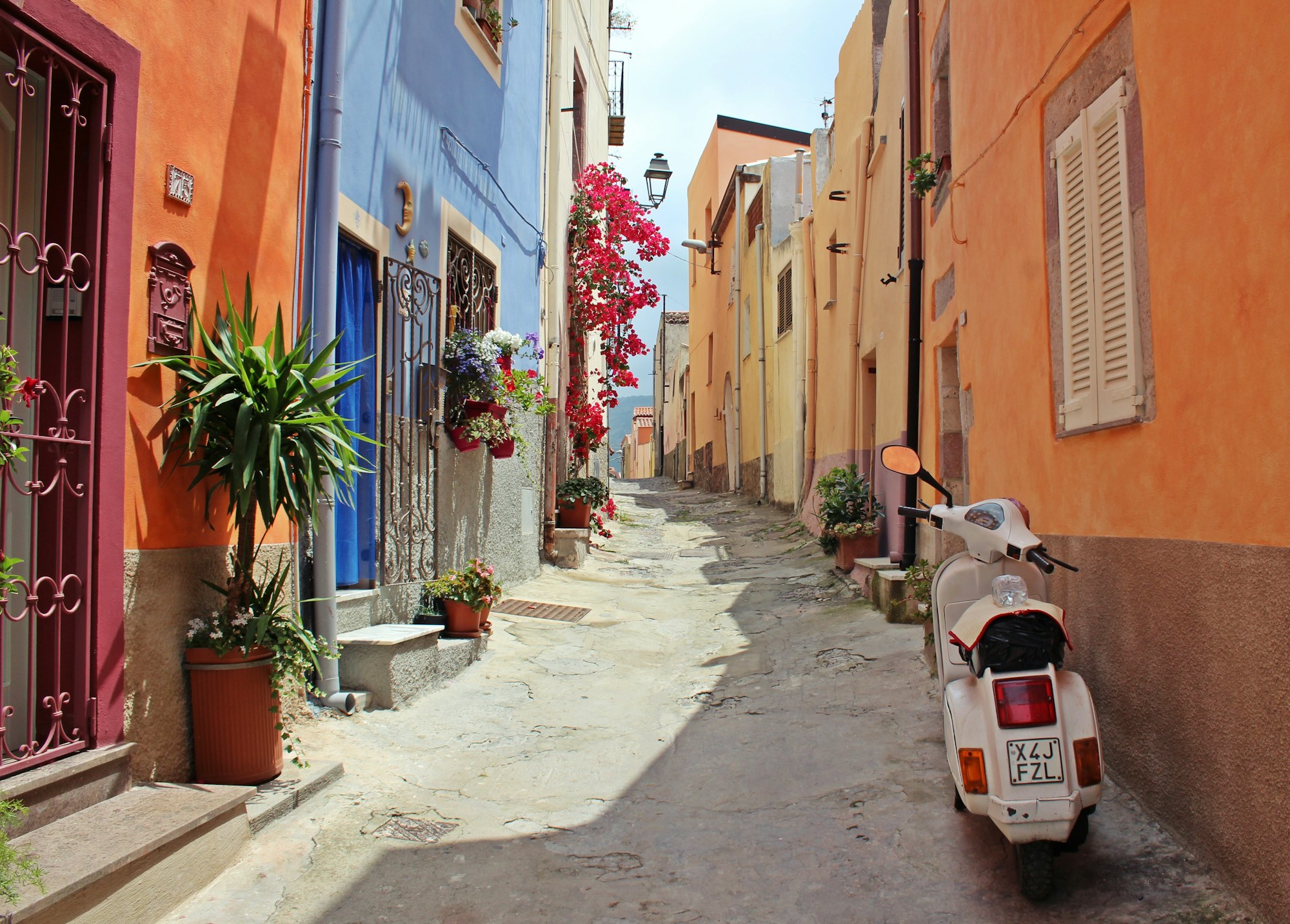
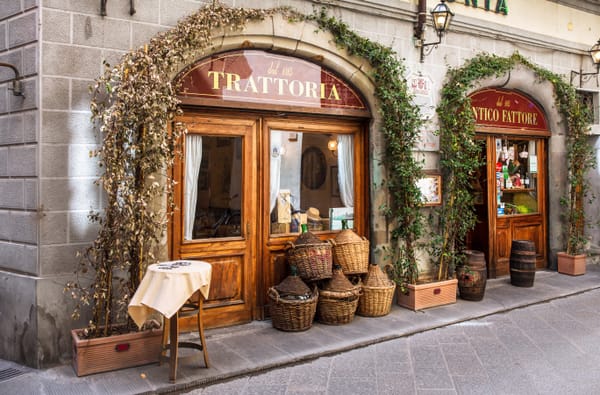
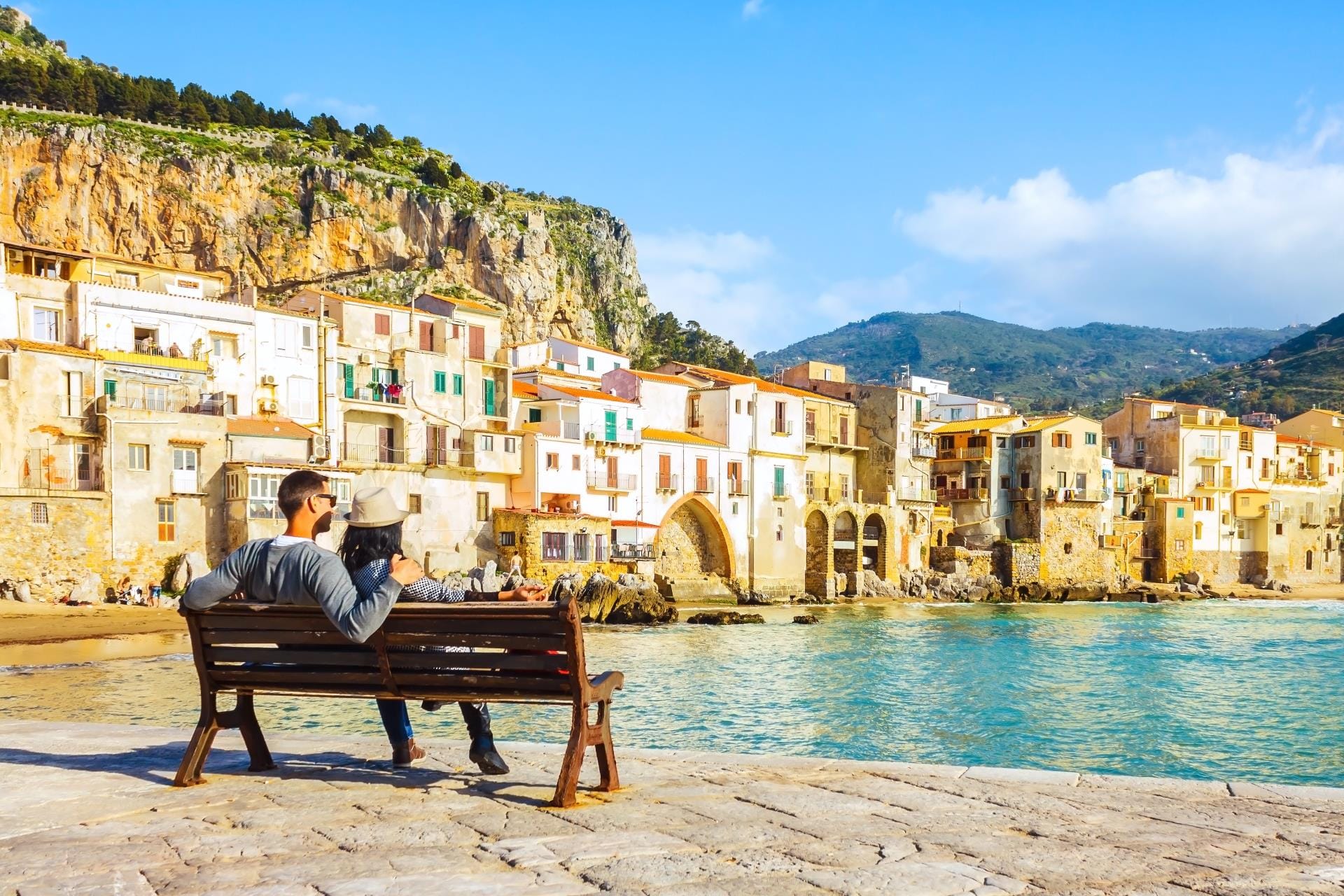
Italy, a country that has captivated travelers for centuries, is a destination of immense diversity. From the snow-capped peaks of the Alps to the sun-drenched shores of Sicily, its landscape is as varied as its rich cultural tapestry. This variety, however, means that the question of when to visit is as crucial as deciding where to go. The ideal time for a journey through Italy depends entirely on the traveler's priorities: Is the goal to explore ancient ruins without the crowds, to bask in the Mediterranean sun, to witness vibrant local festivals, or to find a balance of pleasant weather and manageable prices?
This comprehensive guide is designed to answer all doubts. It moves beyond generic advice to offer a detailed, month-by-month analysis of what to expect in Italy. Here, planners will find the practical, in-depth information needed to align their travel dates with their vision, ensuring a journey that is not just a vacation, but a truly authentic and seamless experience. We will delve into the nuances of regional climates, the rhythm of seasonal events, and the ebb and flow of tourism to help build the framework for an unforgettable Italian itinerary.
Understanding Italy's travel seasons: beyond summer and winter
To choose the right dates, it is essential to understand the broad strokes of the country’s tourism cycles. Italy operates on a distinct seasonal rhythm that affects everything from hotel pricing to the opening hours of coastal resorts.
- Peak season (June – August): this period is defined by hot, sunny weather and the largest international crowds. While it is the classic summer holiday ideal for beach-goers in Sardinia or the Amalfi Coast, major art cities like Rome and Florence can be overwhelming due to heat and high prices.
- Shoulder seasons (April – May and September – October): widely regarded by seasoned travelers as the best time to visit Italy, these months offer a sublime balance. You will find pleasant, warm weather and fewer tourists than the summer crush. The landscapes are at their most vibrant, featuring spring blooms in Tuscany or the autumn grape harvests in Piedmont.
- Low season (November – March): this is the ideal window for budget-conscious travelers and those seeking solitude. While the weather is cooler and can be unpredictable - especially with snow in the northern Dolomites - the cities retain a local, authentic feel. This is an excellent period for museum-hopping and enjoying cozy, traditional meals without needing a reservation weeks in advance.
Regional climate considerations: from the Alps to the Mediterranean
When planning, keep in mind that Italy is a long, narrow peninsula with distinct climate zones.
- Northern Italy: characterized by a continental climate, expect harsh winters and warm, humid summers. The lakes and mountains are best visited in late spring or summer.
- Central Italy: home to Tuscany and Rome, this region enjoys a more temperate climate, though it can still experience chilly winters and very hot July afternoons.
- Southern Italy and islands: a true Mediterranean climate with mild winters and long, dry, hot summers. This region offers the longest swimming season, often stretching from May into October.
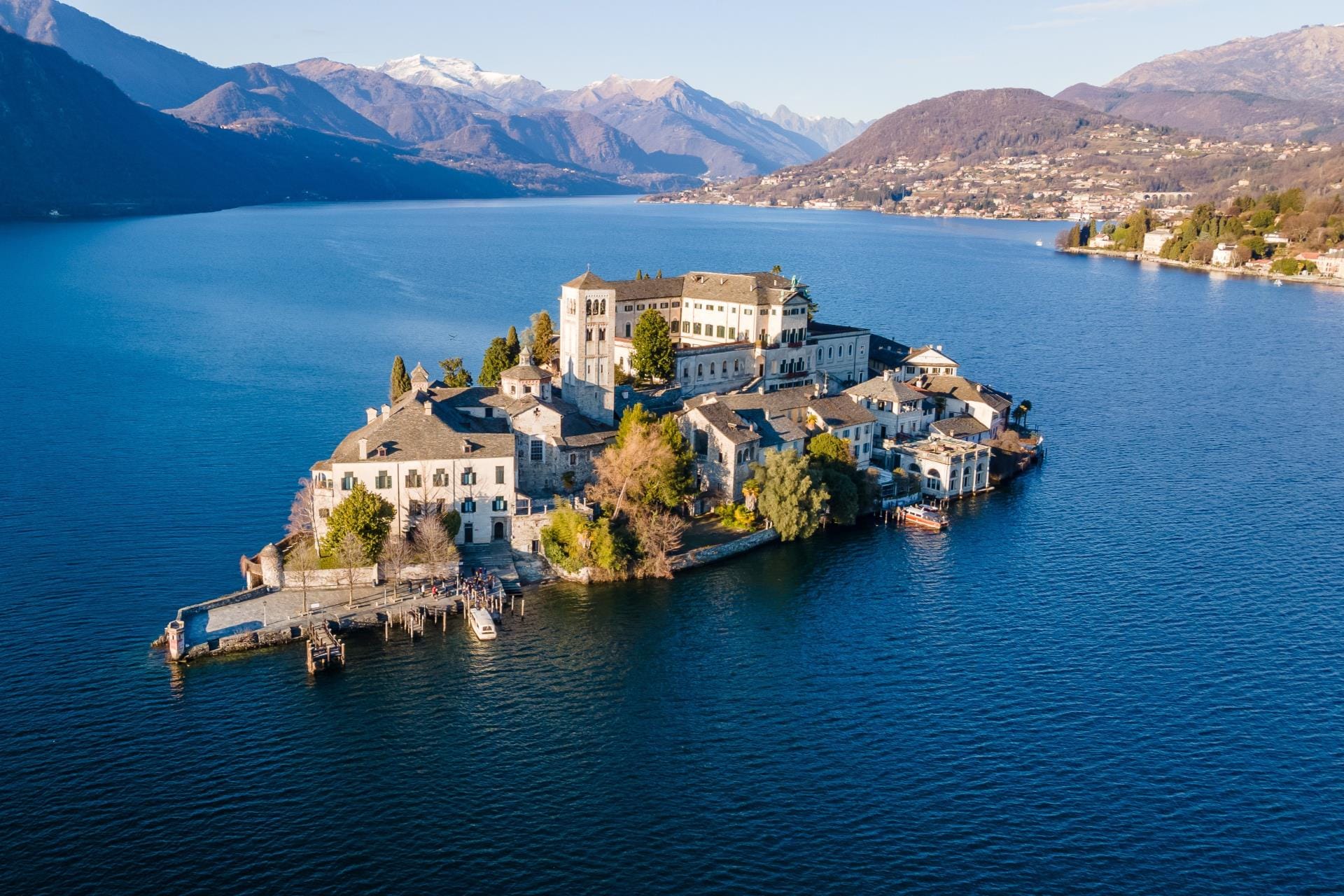
January: exploring the winter serenity of Italy’s art cities
January in Italy is a month of quiet contemplation. The festive rush of Christmas and New Year's has subsided, leaving cities to their residents. This is the heart of winter, offering a stark, serene beauty and the lowest prices of the year.
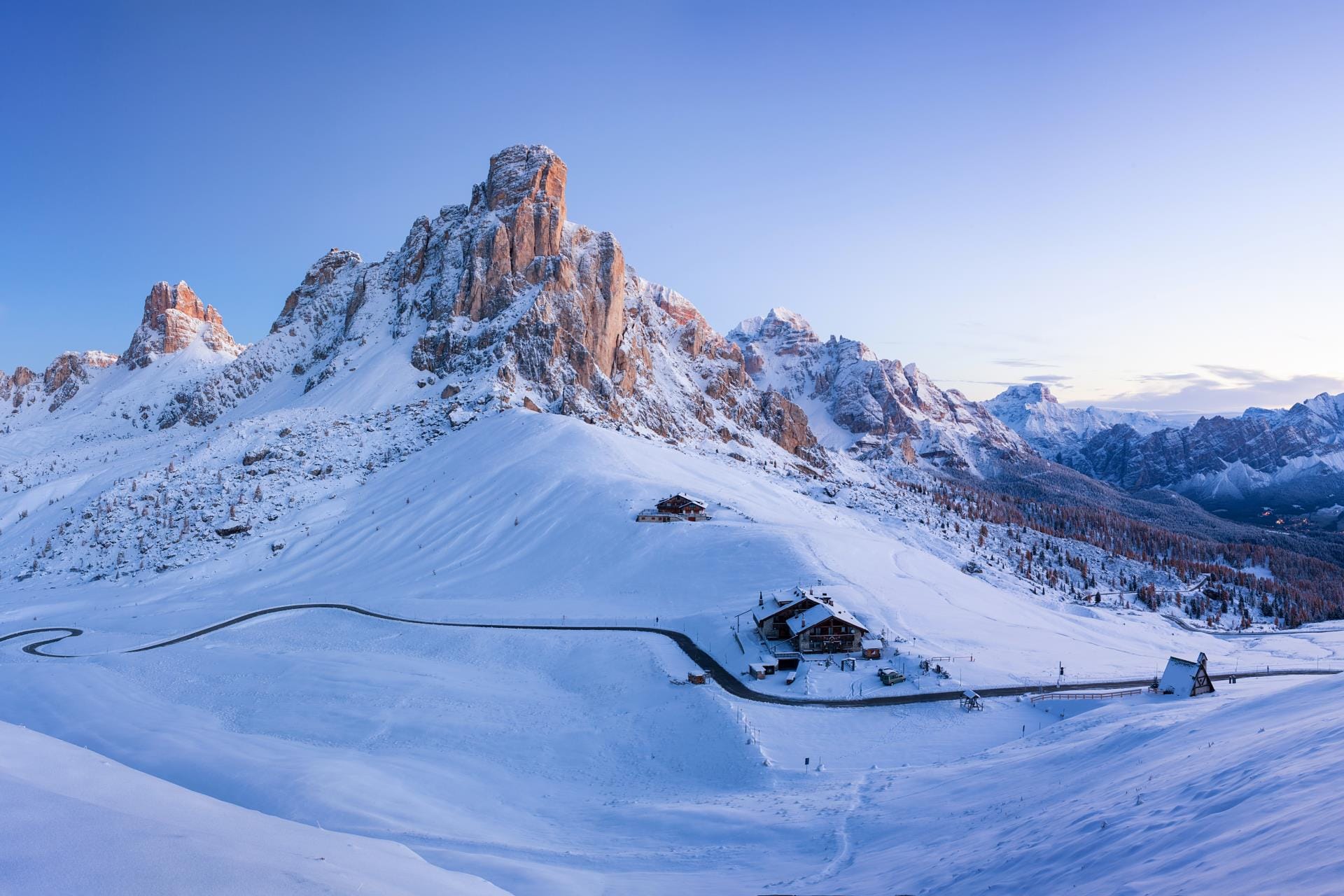
- Weather: the north is cold, with frequent snow in the Alps and Apennines, making it a prime month for skiing in destinations like the Dolomites and Courmayeur. Central Italy, including Rome and Florence, is chilly and damp, with average temperatures ranging from 4−12°C (39-54°F). The south is milder but can be wet and windy.
- Events & Festivities: the main event is the Epiphany on January 6th, which officially concludes the Christmas season. In Rome, the focus is on the Befana market in Piazza Navona. Sales (saldi) begin across the country, offering significant discounts in fashion boutiques.
- Regional Highlights: this is the perfect time for a city-focused trip. Explore the world-class museums of Florence, such as the Uffizi Gallery and the Galleria dell'Accademia, with minimal queues. Discover the intimate, fog-shrouded canals of Venice or the ancient wonders of Rome without the summer crowds. For winter sports enthusiasts, the ski resorts in Trentino-Alto Adige and Valle d'Aosta are in full swing.
- Considerations: many smaller tourist-oriented businesses, especially in coastal areas like the Amalfi Coast and Cinque Terre, may be closed for the season. Shorter daylight hours mean less time for outdoor sightseeing.
February: carnival traditions and the allure of alpine landscapes
February continues the low-season trend of fewer crowds and lower costs, but the atmosphere begins to shift with the approach of one of Italy's most spectacular traditions: Carnival.
- Weather: similar to January, with cold temperatures prevailing, though a hint of spring can sometimes be felt towards the end of the month, especially in the south. Snow remains plentiful in the mountains.
- Events & Festivities: the highlight is undoubtedly Carnevale. While celebrated throughout Italy, the most famous festivities are in Venice, with its elaborate masks and costumes, and Viareggio in Tuscany, known for its colossal satirical floats. In Ivrea, the unique Battaglia delle arance ("Battle of the Oranges") takes place. Valentine's Day (San Valentino) in its homeland can be a romantic experience, especially in cities like Verona, the setting of Shakespeare's Romeo and Juliet.
- Regional Highlights: Venice during Carnevale is a bucket-list experience, though it requires booking months, if not a year, in advance.
- Considerations: the period of Carnevale sees a sharp, localized spike in prices and crowds in Venice and Viareggio. Outside of these hotspots, it remains firmly in the low season.
March: embracing the early spring blooms and milder temperatures
March is a month of transition. Winter's grip loosens, and the first signs of spring (primavera) emerge. The weather is notoriously unpredictable, but the rewards are blooming landscapes and a continued lack of major crowds.
- Weather: the Italian saying marzo pazzerello ("March is crazy") holds true. One day can be sunny and mild, the next cold and rainy. Temperatures gradually climb across the country. In Rome, they may reach a pleasant 16°C (61°F). The north remains cooler.
- Events & Festivities: Festa della Donna (International Women's Day) on March 8th is celebrated with mimosa flowers given as a sign of appreciation. Rome celebrates its patron saint with the Feast of Santa Francesca Romana on March 9th. Easter can sometimes fall in late March, bringing with it solemn processions and religious ceremonies, particularly in the south and in Vatican City.
- Regional Highlights: as the countryside awakens, this is a beautiful time for driving through Tuscany and Umbria, where the hills begin to turn a vibrant green. It's an excellent month to explore the archaeological sites of Pompeii and Herculaneum before the intense heat arrives.
- Considerations: pack layers. The weather can change in an instant.
April: planning for the quintessential shoulder season experience
April is one of the best months to visit Italy. The shoulder season is in full swing, offering pleasant weather, beautiful scenery, and a host of cultural celebrations.
- Weather: spring has truly arrived. Temperatures are mild and comfortable nationwide, perfect for sightseeing. Although rains are possible, days are often sunny and bright. Wildflowers blanket the countryside.
- Events & Festivities: the most significant event is often Easter (Pasqua). The week leading up to it, Holy Week (Settimana Santa), is marked by elaborate processions across the country. Pasquetta, the Monday after Easter, is a national holiday where Italians flock to the countryside for picnics. April 25th is Liberation Day (Festa della Liberazione), a national holiday with parades and public events. Rome's birthday (Natale di Roma) is celebrated on April 21st with historical re-enactments.
- Regional Highlights: this is a glorious time to be almost anywhere in Italy. The gardens of the northern lakes (Como, Garda, Maggiore) are in full bloom. The cities are alive but not yet suffocatingly crowded. The Amalfi Coast and Cinque Terre begin to open up fully, offering stunning coastal hikes.
- Considerations: Easter week is a busy, expensive travel period. It is essential to book accommodations and key museum tickets well in advance.
May: the peak of mediterranean beauty and garden tours
May is arguably the pinnacle of the Italian travel year. It captures the best of the spring shoulder season, with near-perfect weather and a country abuzz with life and color before the peak summer heat and crowds descend.
- Weather: consistently warm and sunny, especially in the central and southern regions. Sea temperatures are becoming warm enough for the first swims of the season. The landscapes are lush and green. Average temperatures in Florence can hover around a perfect 24°C (75°F).
- Events & Festivities: May 1st is Labor Day (Festa dei Lavoratori), a national holiday. Many towns host unique local festivals. In Umbria, Gubbio holds its famous Corsa dei Ceri. The Giro d'Italia, Italy's premier cycling race, takes place throughout the month, with its route changing annually.
- Regional Highlights: this is the ideal month for an all-encompassing trip. Explore the vineyards of Piedmont, hike the stunning trails of the Cinque Terre, discover the art cities of Tuscany, and relax on the emerging beaches of Sardinia or Puglia. The conditions are perfect for both cultural touring and outdoor activities.
- Considerations: while not as crowded as June or July, tourism is building steadily. It's wise to book popular attractions and accommodations ahead of time.
June: starting the summer season along the coastal regions
June marks the beginning of the high season. The weather is fantastic, school holidays are starting across Europe, and the country fully embraces the al fresco lifestyle.
- Weather: hot and sunny, especially in the latter half of the month. This is true summer weather, ideal for beach holidays. Temperatures in the south can regularly exceed 30°C (86°F).
- Events & Festivities: june 2nd is the Festa della Repubblica, Italy's National Day, celebrated with a grand military parade in Rome. Florence celebrates its patron saint, John the Baptist (San Giovanni), on June 24th with historical parades and fireworks. The open-air opera season begins in Verona's magnificent Roman amphitheater.
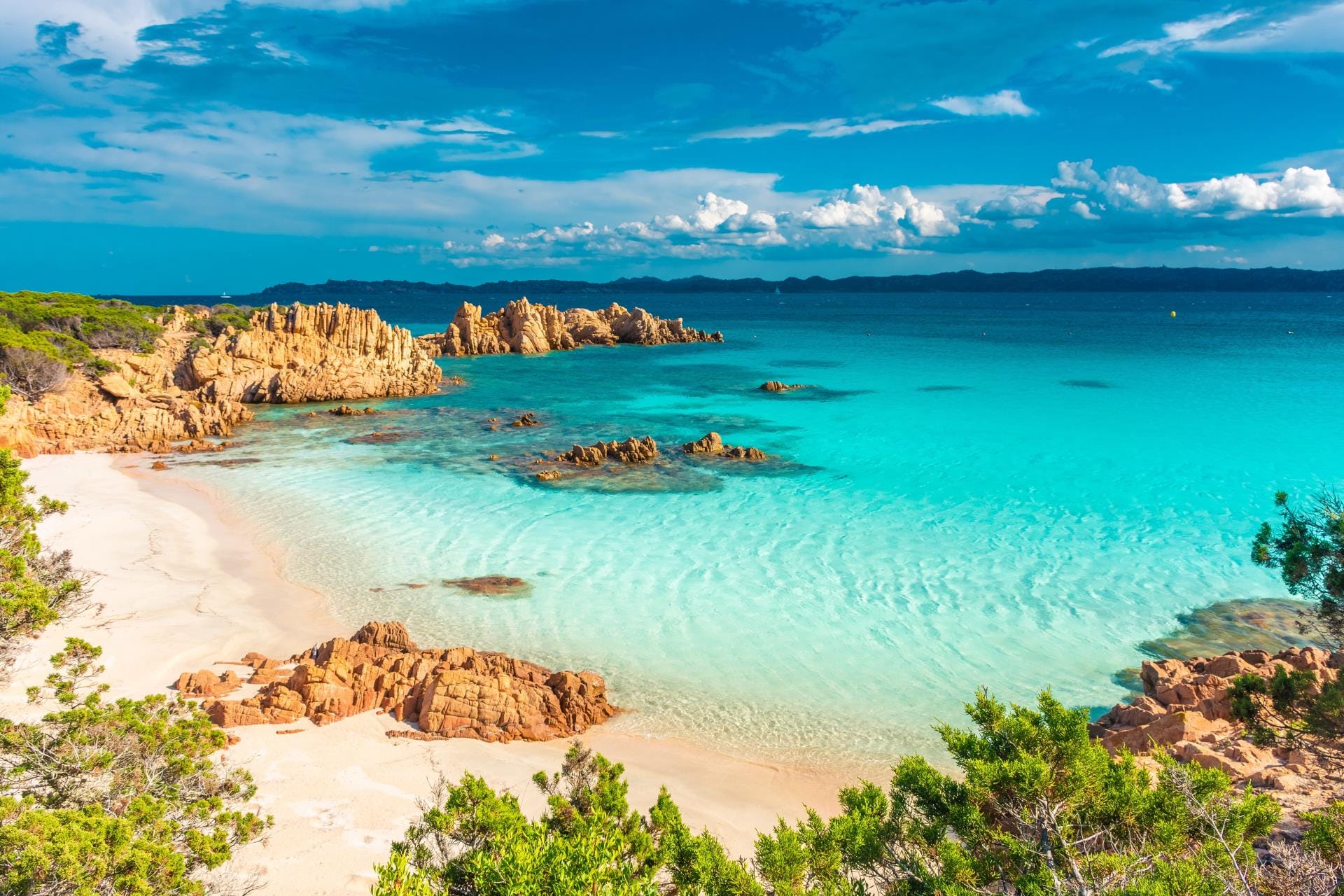
- Regional Highlights: this is the prime time for the coast. The beaches of Sardinia, Puglia, and the Amalfi Coast are glorious. The Italian Lakes offer a refreshing escape. It's also a wonderful time to explore the mountains of the Dolomites, where the meadows are green and the hiking trails are open.
- Considerations: crowds and prices increase significantly. The heat in major cities like Rome and Florence can become intense, making midday sightseeing challenging. Book everything well in advance.
July: navigating the peak sun and vibrant festivals of midsummer
July is the heart of the Italian summer: intensely hot, incredibly busy, and pulsating with energy. It's the month for those who love the heat and the vibrant, bustling atmosphere of peak season.
- Weather: hot, humid, and sunny. Temperatures frequently reach the mid-to-high 30° Celsius (86° Fahrenheit), particularly in the south and inland cities.
- Events & Festivities: the world-famous Palio di Siena, a historic horse race in Siena's Piazza del Campo, holds its first race of the year on July 2nd. Music festivals abound, from the Umbria Jazz Festival in Perugia to numerous local concerts.
- Regional Highlights: life revolves around the water. The islands of Sicily and Sardinia, and the long coastline of Puglia are the top destinations. If seeking respite from the heat, the high-altitude trails of the Dolomites or the Aosta Valley offer cooler temperatures and stunning alpine scenery.
- Considerations: this is the most crowded and expensive month to travel. The heat in cities can be oppressive. Plan for early morning and late evening sightseeing, with a long siesta during the hottest part of the day. Hydration is key.
August: observing the Ferragosto holiday and the great coastal migration
August is a month of extremes. It's the hottest, most crowded, and most expensive time to visit, largely dictated by the Italian national holiday of Ferragosto.
- Weather: the peak of the summer heat. Temperatures are consistently high across the country. Rain is rare.
- Events & Festivities: the entire month revolves around Ferragosto on August 15th (the Feast of the Assumption). This is when most Italians take their annual vacation, leading to a mass exodus from the cities to the coasts and mountains. The Palio di Siena holds its second race on August 16th. The Venice Film Festival often kicks off at the end of the month.
- Regional Highlights: only for the dedicated beach lover. Coastal resorts are packed to capacity. The mountains offer the only real escape from the searing heat.
- Considerations: major cities can feel strangely empty of locals but are still filled with international tourists. Many family-run businesses and restaurants in the cities close for part or all of the month. Coastal and lake destinations see prices skyrocket. Avoid August if you dislike extreme heat or crowds.
September: the arrival of the harvest and relief from the heat
September signals a collective sigh of relief. The intense heat of summer breaks, the crowds begin to thin, and a more relaxed, golden atmosphere descends upon the country. It is, alongside May, one of the best months to visit.
- Weather: gloriously warm and pleasant. The sun is still shining, but the oppressive humidity of July and August is gone. Sea temperatures remain warm, making it perfect for swimming. The first hints of autumn color appear in the north.
- Events & Festivities: this is the month of the sagra, or harvest festival. All over Italy, towns celebrate the local harvest of wine (vendemmia), mushrooms, truffles, and more. The 83rd Venice Film Festival in 2026 will be held from Wednesday, September 2, to Sunday, September 12, 2026, taking place at the traditional location on the Lido di Venezia. In Naples, the Feast of San Gennaro is a major religious event.
- Regional Highlights: an exceptional month for almost any Italian destination. The beaches of the south are still perfect but less crowded. The countryside of Tuscany and Piedmont is alive with the grape harvest, offering fantastic opportunities for wine tours. The cities are comfortable for walking and exploring.
- Considerations: while crowds are smaller than in summer, September is still a very popular month. It's essential to book accommodations and popular tours in advance.
October: culinary treasures and the rich hues of autumn foliage
October is the heart of autumn. The season brings a stunning palette of colors to the landscape, a bounty of culinary delights, and a cool, crisp air that is perfect for sightseeing.
- Weather: the weather becomes more autumnal. Northern Italy is cool and can be rainy, while Central and Southern Italy often enjoy mild, sunny days, referred to as the ottobrata romana in Rome. Daylight hours are shorter.
- Events & Festivities: the focus is firmly on food. This is the peak season for white truffles in Piedmont (especially around Alba) and chestnuts.
- Regional Highlights: Piedmont and Tuscany are prime destinations for food and wine lovers, with truffle hunts and wine tastings. The light in cities like Rome and Florence is magical, and the cooler temperatures make exploring historical sites a joy. Hiking in the national parks is spectacular with the autumn foliage.
- Considerations: the weather can be unpredictable; rain is more frequent. Some coastal services may start to wind down towards the end of the month.
November: a quiet month for culture and cozy gastronomy
November is the quietest month in the Italian calendar, a true low season. It's a time for introspective travel, focusing on indoor cultural treasures and enjoying Italy at its most authentic and least expensive.
- Weather: cool and often wet, especially in the north and center. Venice can experience acqua alta (high water). The south remains milder but is not a beach destination at this time. The first snows may fall in the Alps.
- Events & Festivities: this is a month with few major national events, making it ideal for avoiding festivities-related crowds. It's the peak of the olive harvest in many regions. All Saints' Day (Ognissanti) on November 1st is a public holiday.
- Regional Highlights: perfect for an art-and-culture-focused city break. Spend days wandering the Vatican Museums, the Borghese Gallery in Rome, or the Egyptian Museum in Turin. Enjoy the hearty, warming cuisine of regions like Emilia-Romagna, home to Bologna, Parma, and Modena.
- Considerations: shorter days and a higher chance of rain mean a flexible itinerary is key. Many tourist-focused amenities in smaller towns will be closed.
December: holiday markets, winter traditions, and festive splendor
December sees Italy transform with festive cheer. While it's a cold month, the Christmas markets, twinkling lights, and cozy atmosphere create a magical travel experience.
- Weather: cold across the country, with snow in the mountains and a damp chill in the cities. The days are short.
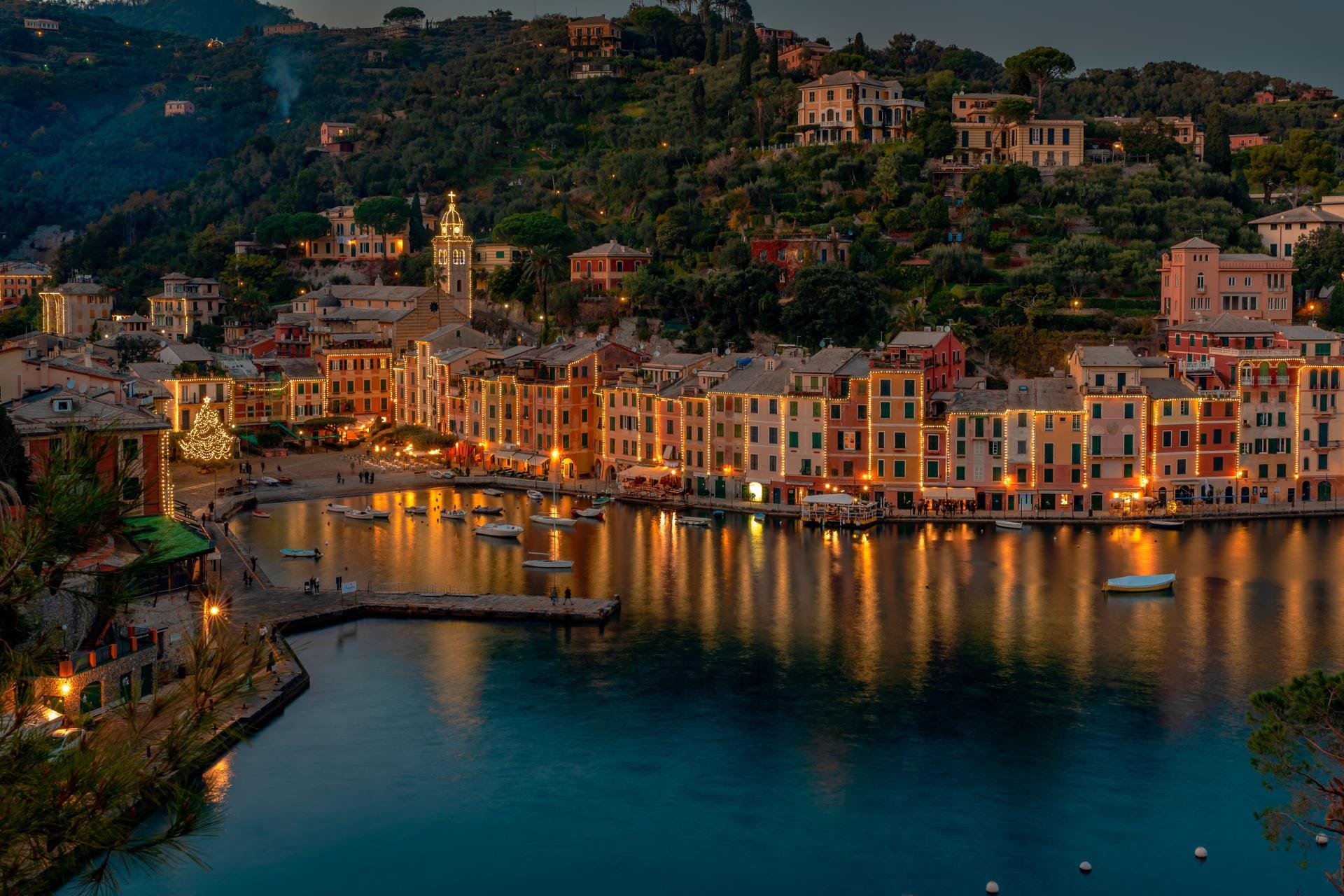
- Events & Festivities: Christmas is the main event. From December 8th (Feast of the Immaculate Conception), Christmas markets (mercatini di Natale) spring up in piazzas across the country, particularly in the northern region of Trentino-Alto Adige. Elaborate nativity scenes (presepi) are a key feature, especially in Naples. New Year's Eve (San Silvestro) is celebrated with fireworks and public gatherings.
- Regional Highlights: the Christmas markets in Bolzano, Merano, and Trento are enchanting. Rome and Vatican City are the epicenter of Catholic celebrations, with Midnight Mass at St. Peter's Basilica. The ski season in the Alps and Dolomites is in full swing.
- Considerations: the period from just before Christmas to New Year's is a busy and expensive mini-peak season. Book well in advance. Many sites will have reduced hours or be closed on major holidays like Christmas Day and New Year's Day.
Crafting your perfect Italian journey: a personalized approach to seasonal planning
Ultimately, determining the best time to visit Italy is not a matter of finding a universal date, but of aligning your travel window with your personal priorities. The ideal month for your arrival is a subjective choice - a strategic trade-off between weather conditions, travel budget, and tolerance for tourist density. Whether you are planning a 2026 Italian itinerary or looking for a last-minute escape, understanding these seasonal nuances is the key to a seamless experience.
Balancing priorities: weather, budget, and crowd management
For the independent traveler, the decision-making process usually falls into three distinct categories based on what they value most for their Mediterranean holiday:
- The shoulder seasons (April to May and September to October): these periods offer the most universally appealing conditions. They provide a sublime balance of mild, pleasant weather, more manageable crowds than the summer peak, and moderate pricing for luxury accommodations.
- The low season (November to March): for the traveler seeking solitude and exceptional value, the winter months reveal the "authentic" Italy. While some coastal resorts close, the art cities like Florence and Rome offer a quiet, contemplative charm that is impossible to find in the summer.
- The peak season (June to August): those dreaming of a classic sun-drenched coastal holiday must brave the intense heat and significant crowds. While these months are the most expensive, they provide the quintessential atmosphere of an Italian summer, characterized by long days and vibrant local energy.
Tailoring the experience: from iconic sights to the soul of Italy
By understanding the distinct personality of each month, you can move beyond a standard tourist itinerary and orchestrate a journey that resonates with your unique style. A well-timed trip allows you not just to check off the major Italian icons, but to truly discover the soul of the country. This approach transforms a simple vacation into a rich, unforgettable story - one where you can engage with authentic traditions, savor seasonal gastronomy, and build a profound connection with the land and its people.
Whether you choose the crisp air of a Tuscan winter or the blooming hillsides of a Sicilian spring, your journey should reflect a commitment to quality travel and a deep appreciation for the timeless beauty of the Italian peninsula.