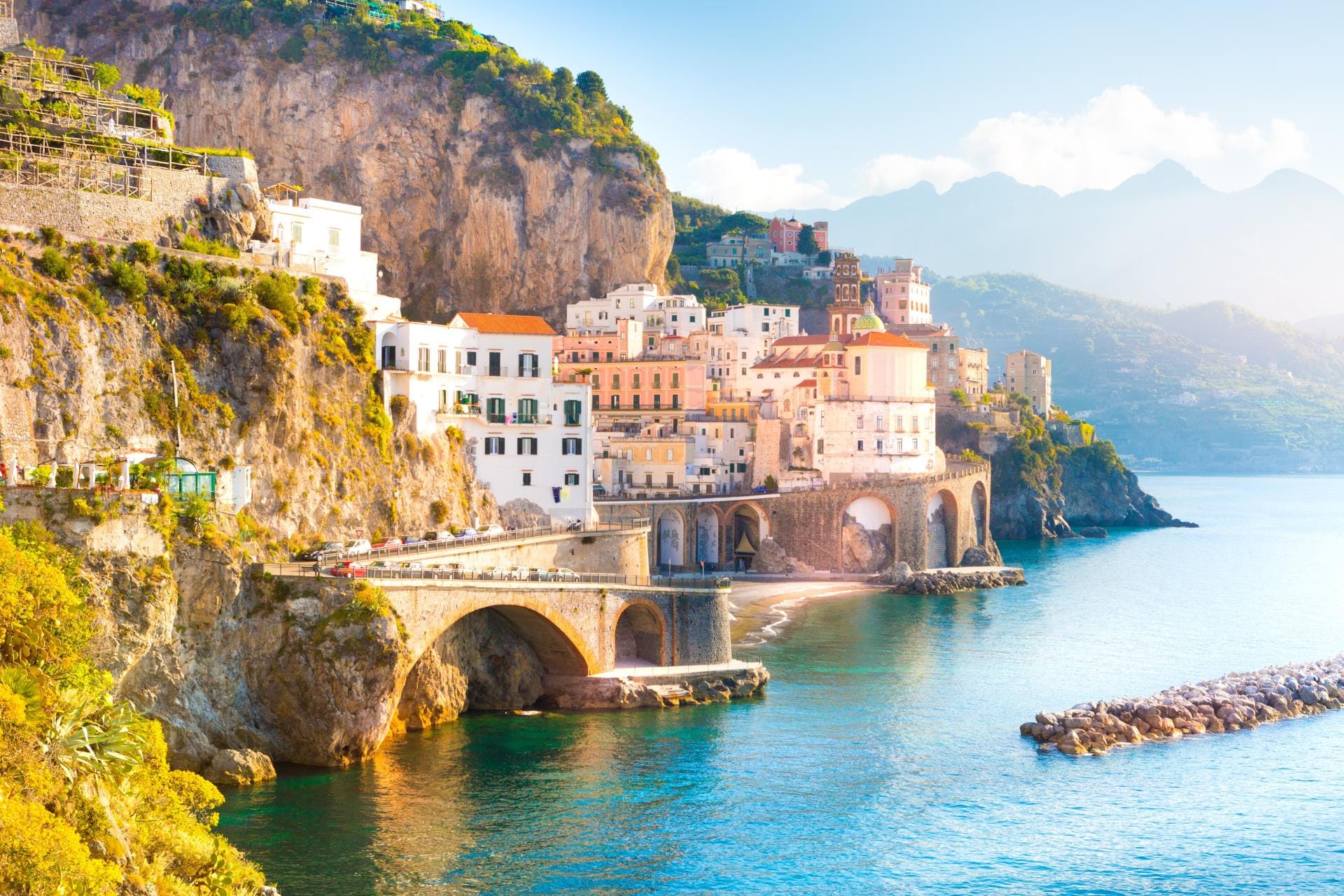
Poets and artists have spent centuries trying to capture the essence of this shoreline, but the Amalfi Coast remains a masterpiece that must be experienced firsthand. As a UNESCO World Heritage site spanning 50 kilometers of the Southern Italian coastline, this destination represents a dramatic union of limestone mountains and the turquoise Tyrrhenian Sea. It is a land defined by near-vertical towns clinging to cliffs, fragrant lemon groves, and a maritime history as deep as the waters below.
This 2026 Amalfi Coast travel guide is designed for travelers who want to see the iconic sights while discovering the authentic soul of the region. We go beyond the standard postcard views to offer practical insights for an immersive Mediterranean journey.
- Why visit the Amalfi Coast? A journey through nature and history
- Top things to do on the Amalfi Coast: exploring the historic heart and maritime legacy
- Amalfi Coast off the beaten path: authentic experiences and hidden gems
- The flavors of the coast: a taste of authentic Amalfi cuisine
- The perfect multi-day itineraries along the Amalfi Coast
- How to plan your trip to the Amalfi Coast: a practical guide
- Why the Amalfi Coast remains an unparalleled destination
Why visit the Amalfi Coast? A journey through nature and history
To visit the Amalfi Coast is to step into a living landscape where nature and human ambition have intertwined for centuries. The allure of this Italian bucket-list destination lies in its striking contrasts:
- World-class luxury vs. rustic charm: experience the glamour of world-famous resorts in Positano set against the quiet dignity of ancient fishing villages like Praiano.
- Adrenaline and serenity: navigate the famous hairpin bends of the Amalfi Drive before finding peace in a secluded cove accessible only by boat.
- Living history: history here is not confined to museums; it is etched into the Saracen watchtowers dotting the coast and felt in the grandeur of the Amalfi Cathedral, a testament to the region’s past as a powerful maritime republic.
- Culinary tradition: every meal is an exploration of culture, featuring recipes passed down through generations that celebrate the Sfusato Amalfitano lemons and fresh-caught seafood.
Whether you are hiking the Path of the Gods or exploring the hidden gardens of Ravello, the coast rewards curiosity. It invites travelers to look beyond the dazzling surface to find a culture steeped in tradition, fine craftsmanship, and a profound connection to the land and sea.
Top things to do on the Amalfi Coast: exploring the historic heart and maritime legacy
While the entire coastline is a UNESCO-listed jewel, these three towns form its glittering centerpiece. Each possesses a distinct personality, offering a unique blend of Mediterranean luxury, deep-rooted history, and incomparable vistas.
Positano: the vertical village of fashion and glamour
Positano is often described as the coast’s supermodel—impossibly beautiful and effortlessly chic. The town is a dramatic cascade of pastel-hued houses tumbling down a steep ravine toward the shimmering Tyrrhenian Sea. Its narrow, winding lanes create a labyrinth of high-end fashion boutiques, artisan leather shops, and sun-drenched cafes.
- Spiaggia Grande: the main beach is a world-famous spectacle of vibrant umbrellas and the best place for luxury people-watching.
- Fornillo beach: for those seeking a more relaxed atmosphere, this quieter shore offers a peaceful escape from the crowds.
- La Dolce Vita: more than just a destination, Positano is an icon of the Italian lifestyle, where the goal is simply to see and be seen.
Amalfi: the historic heart and maritime legacy
The town that gives the coast its name, Amalfi, serves as a bustling hub of history and local activity. Once the seat of a formidable maritime republic, its powerful legacy is proudly displayed in the Piazza del Duomo.
- Duomo di Sant'Andrea: this magnificent Arab-Norman cathedral, with its striking striped facade and grand staircase, is the architectural soul of the town.
- Museo della Carta: visit the Paper Museum to learn about the town’s ancient papermaking tradition, which dates back to the 12th century.
- Authentic atmosphere: beyond the tourist center, you can explore hidden alleys and feel the pulse of a real, working Italian town that has gracefully adapted to its modern fame without losing its authentic charm.
Ravello: the elegant balcony of the Mediterranean
Perched high in the hills above the sea, Ravello offers a refined perspective. Known as the "city of music," it is a place of tranquil gardens and peerless views that have inspired artists and composers for centuries.
- Villa Rufolo: featuring unique Moorish architecture, these gardens provided the inspiration for Wagner’s opera Parsifal.
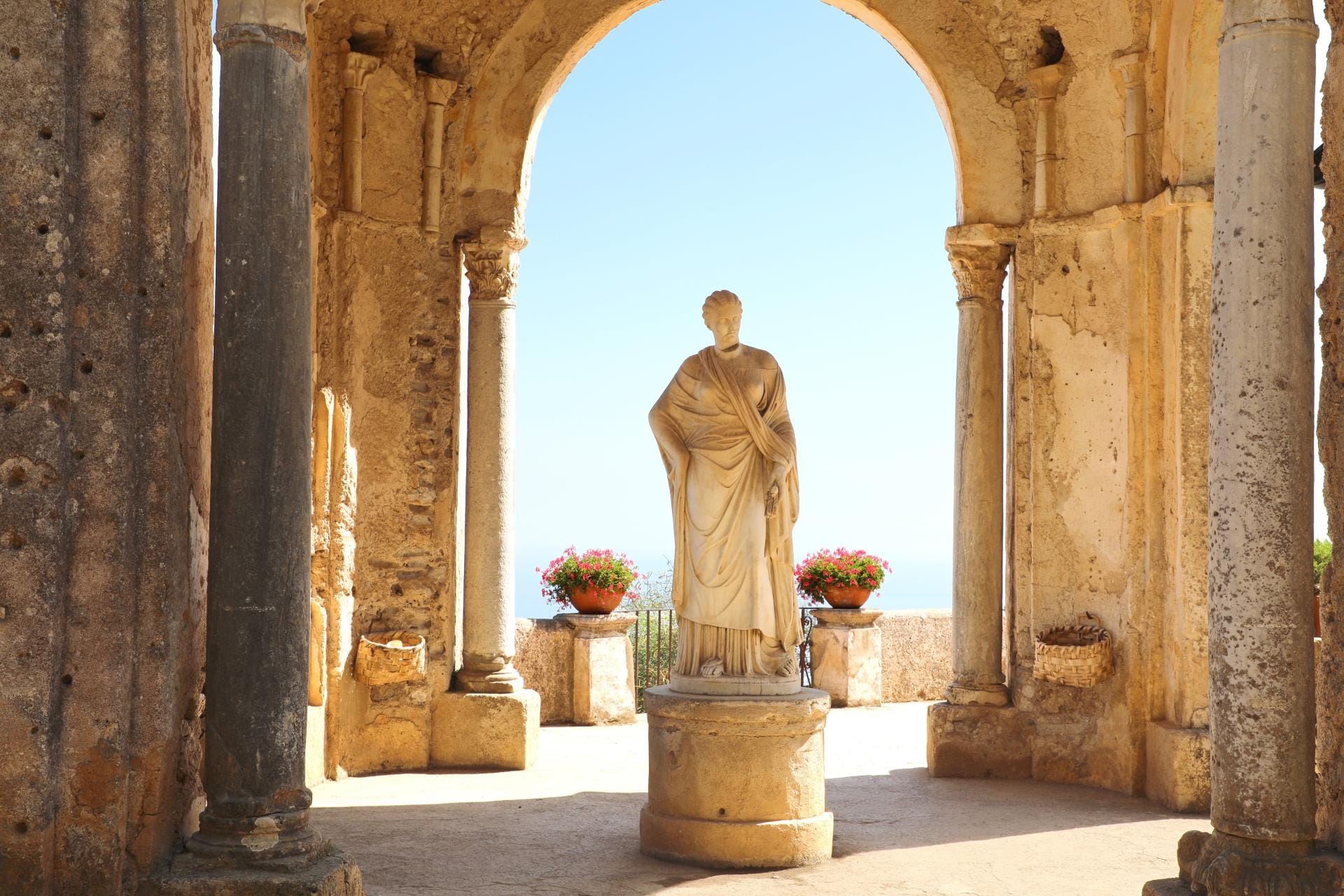
- Villa Cimbrone: home to the Terrace of Infinity (Terrazzo dell'Infinito), a viewpoint lined with marble busts that offers what is arguably the most beautiful panorama in the world.
- Refined tranquility: Ravello is the ideal choice for travelers seeking peaceful luxury away from the busier coastal ports.
Amalfi Coast off the beaten path: authentic experiences and hidden gems
To truly understand the region's soul, one must venture beyond the celebrated trio of Positano, Amalfi, and Ravello. Tucked between the dramatic headlands are smaller, less-trodden communities where an authentic Italian rhythm of life persists. Exploring these villages is essential for anyone seeking a sustainable and immersive travel experience.
Praiano and Furore: discover spectacular sunsets and coastal fjords
While often overshadowed by their neighbors, these two locations offer some of the most cinematic landscapes in Southern Italy.
- Praiano: the sunset capital. Located between Positano and Amalfi, this town is renowned for having the best sunset views on the coast. Its quiet charm is centered around majolica-tiled churches and intimate swimming spots like Marina di Praia.
- Furore: the town that doesn't exist. Scattered across the cliffs, Furore's crown jewel is the Fiordo di Furore. This dramatic gorge features a secluded beach and a high bridge that hosts international diving competitions.
- Geological curiosity: technically, the fjord is a ria—a coastal inlet formed by the flooding of a river valley—creating a wild, cinematic setting that feels untouched by time.
Cetara and Vietri sul Mare: authentic flavors and artisan crafts
The eastern end of the coast offers a deep dive into the gastronomy and craftsmanship of the Salerno province.
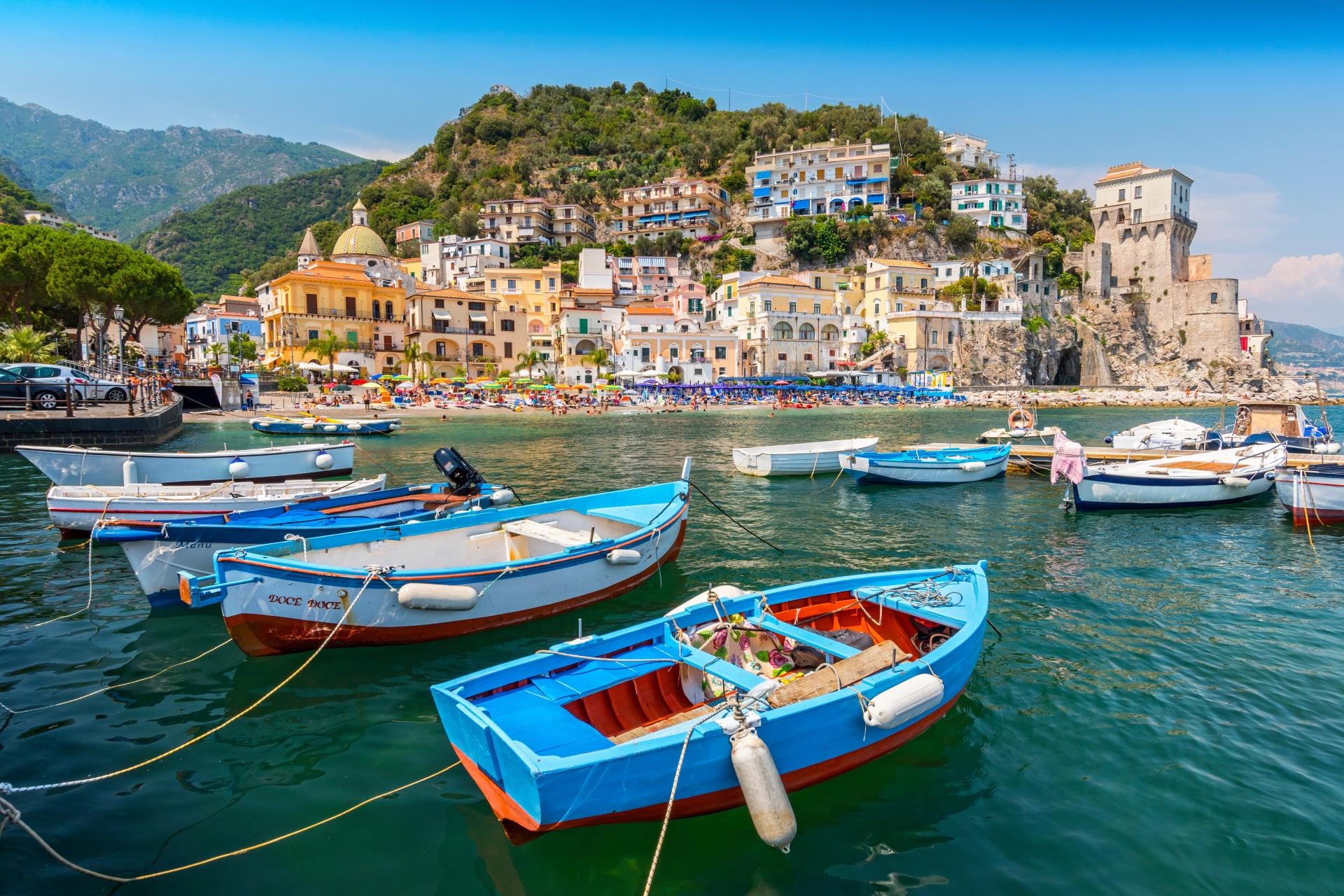
- Cetara: the last true fishing village. A world away from the glitz of Positano, Cetara’s lifeblood remains the sea. It is famous for tuna and anchovies, specifically the legendary colatura di alici.
- The liquid gold of local cuisine: this traditional anchovy sauce is a direct descendant of the ancient Roman garum. Having received DOP (Protected Designation of Origin) status, its production is strictly regulated: anchovies must be fished in the Tyrrhenian Sea, matured for nine months in chestnut barrels, and bottled in clear glass to highlight its amber color.
- Vietri sul Mare: the capital of ceramics. Serving as the gateway to the coast, Vietri is a riot of color. The town is famous for its hand-painted majolica tiles. It is the premier destination to watch artisans at work and purchase handcrafted Italian souvenirs.
The Path of the Gods: a guide to the Sentiero degli Dei
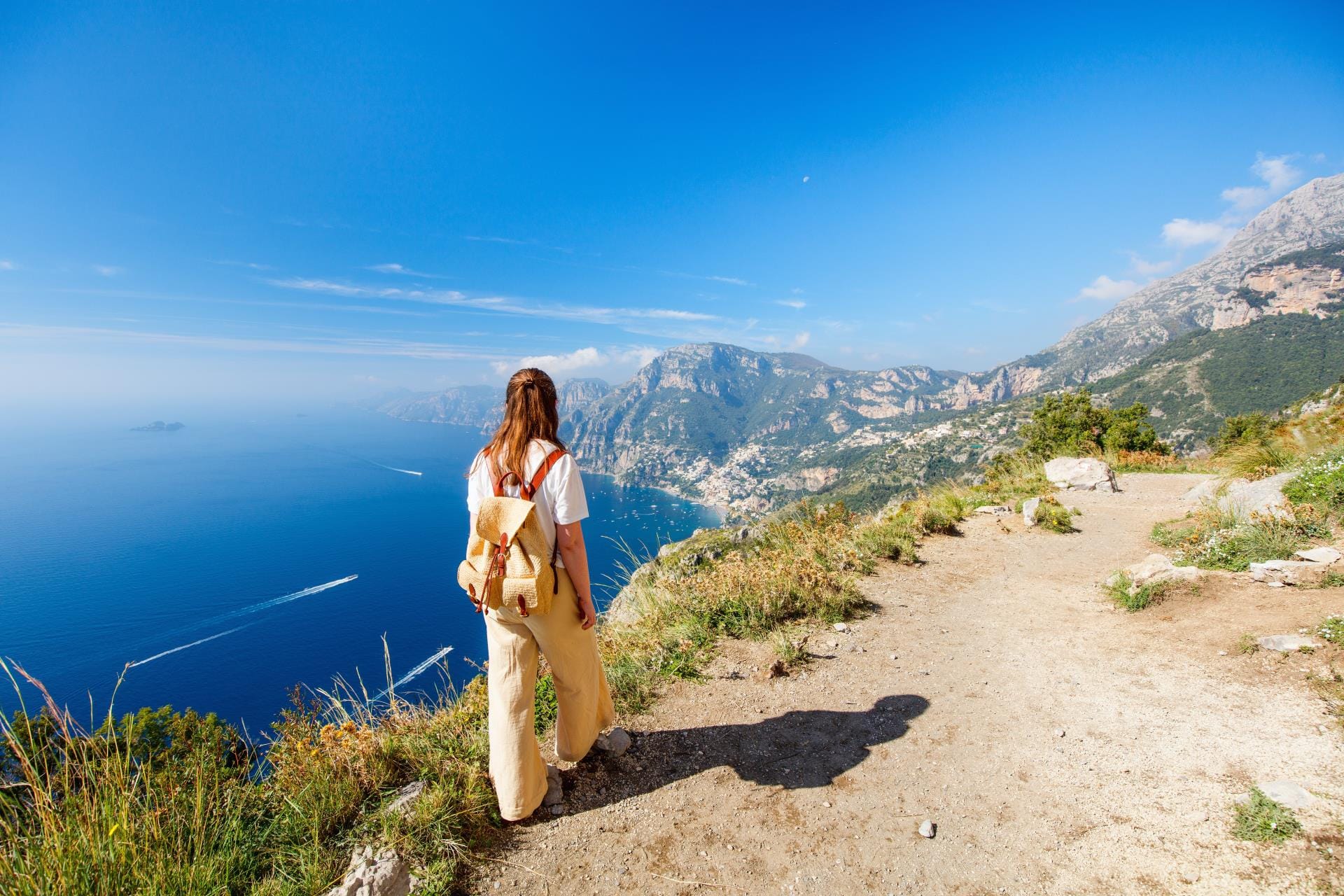
For the active traveler, the Path of the Gods is the ultimate hiking experience in Italy. This legendary trail offers rewarding views that stretch across the entire Sorrento Peninsula to the island of Capri.
- The route: the trail stretches for approximately 7.8 kilometers (4.8 miles), starting in the hamlet of Bomerano (Agerola) and ending in Nocelle, a small village perched above Positano.
- Difficulty and duration: categorized as a moderate hike, it takes roughly three to four hours to complete.
- Why it is unmissable: it is a celestial traverse suspended between sky and sea. Every step unveils divine panoramas and ancient stone ruins that justify its mythological name.
The flavors of the coast: a taste of authentic Amalfi cuisine
The cuisine of the Amalfi Coast is a direct reflection of its rugged environment: simple, sun-kissed, and profoundly flavorful. Rooted in the Mediterranean diet, the local gastronomy relies on the high quality of raw materials sourced from the sea and the terraced gardens carved into the cliffs.
Essential local ingredients: the foundation of coastal flavors
To eat like a local, one must understand the pillars of the Amalfi food tradition.
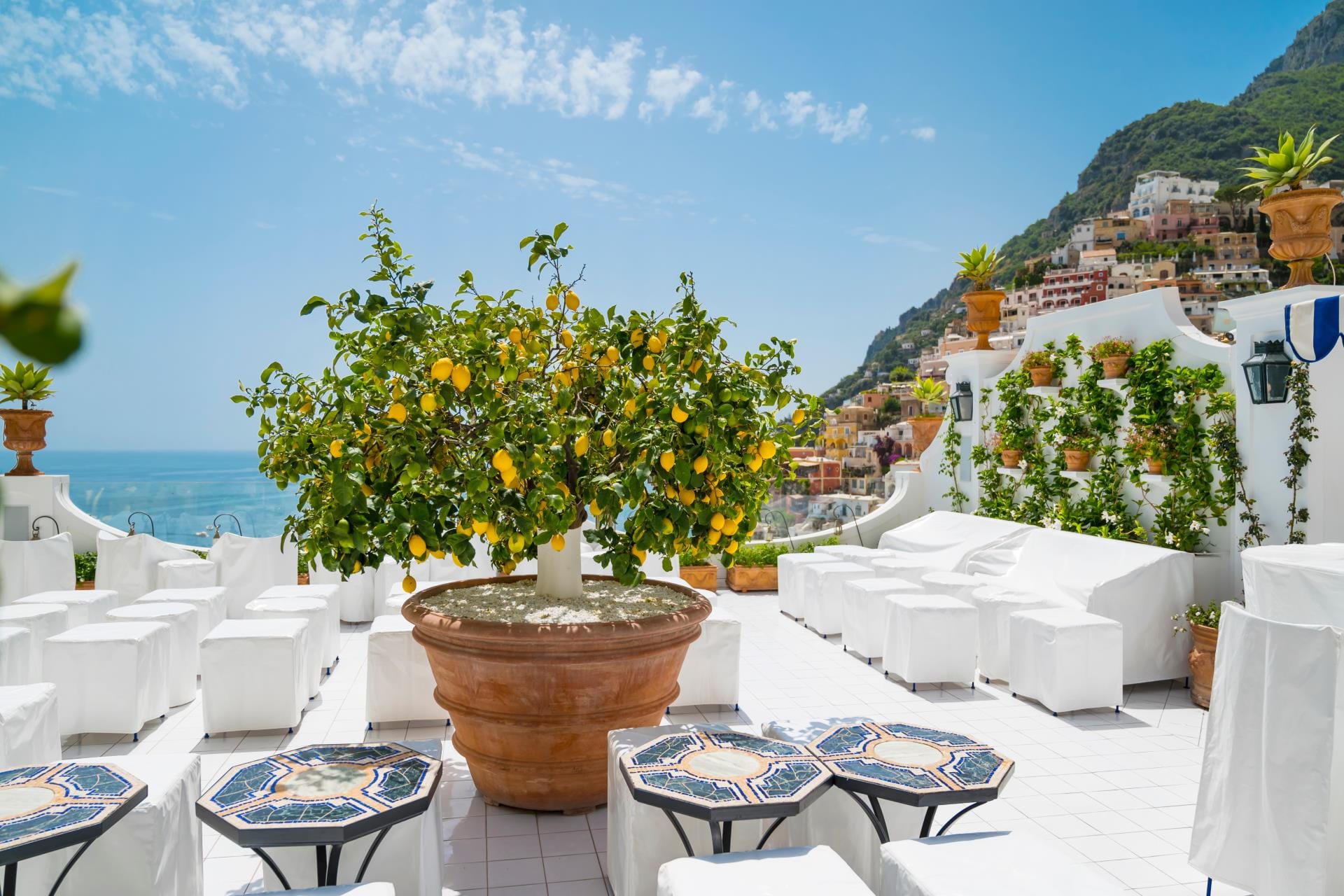
- The Sfusato Amalfitano lemon: the undisputed king of the coast is this IGP-protected lemon. Large, fragrant, and remarkably low in acidity, it is used in everything from fresh salads to the iconic Amalfi limoncello.
- Fresh Tyrrhenian seafood: daily catches of anchovies, bluefin tuna, sea bass, and octopus form the protein heart of the region.
- Hillside produce: sun-ripened tomatoes, extra virgin olive oil, and herbs like wild oregano and basil provide the aromatic profile that defines Southern Italian cooking.
The Amalfi menu: must-try traditional dishes
When dining out, look for these signature items that showcase the region's culinary heritage.
- Primi (first courses): look for Scialatielli ai frutti di mare, a thick, hand-rolled pasta served with fresh shellfish, or Ndunderi. These ricotta-based gnocchi from Minori are recognized by UNESCO as one of the oldest pasta shapes in the world.
- Secondi (second courses): simplicity reigns with dishes like pesce all'acqua pazza (literally "fish in crazy water"), which is poached with cherry tomatoes, garlic, and parsley.
- Dolci (desserts): the Delizia al Limone (lemon delight) is a mandatory experience. It is a light sponge cake dome filled with and glazed in a silky lemon cream.
- Unique flavors: the colatura di alici from Cetara is a powerful umami condiment used to dress spaghetti. A direct descendant of the Roman garum, this fermented anchovy sauce is the "liquid gold" of the coast.
Dining etiquette in Italy: essential tips for travelers
Navigating the local restaurant scene is easier when you understand a few cultural norms. Following these tips will ensure a smooth and authentic dining experience.
- Reservations are essential: for well-known restaurants and those with sea views, booking days or even weeks in advance is mandatory during the high season.
- Understand the coperto: this is a standard cover charge (usually 2 to 4 Euros per person) that covers bread and table settings. It is a fixed cost and is not considered a tip.
- Tipping culture: while not obligatory in Italy, leaving a small tip of 5-10% for exceptional service is a much-appreciated gesture in luxury coastal resorts.
- Embrace the aperitivo ritual: the pre-dinner drink is a cherished Italian tradition. Find a terrace at sunset, order a glass of local Falanghina wine or a classic Spritz, and enjoy the complimentary local olives and snacks.
The perfect multi-day itineraries along the Amalfi Coast
Whether you have a long weekend or a full week to spare, planning your Amalfi Coast itinerary requires a balance of iconic sightseeing and essential downtime. Below are two curated routes designed to help you maximize your time in this UNESCO-listed region.
The 3-day highlights: a tour of the iconic villages
This whirlwind itinerary is perfect for first-time visitors who want to see the most famous landmarks in a limited timeframe.
- Day 1: arrive and settle into your base. We recommend choosing Amalfi town as your central hub for its excellent ferry and bus connections. Spend the afternoon exploring the Amalfi Cathedral (Duomo) and the Paper Museum. End your day with a classic Italian aperitivo in the lively main piazza.
- Day 2: ferry to Positano and the vertical dream. Take a morning ferry to enjoy the skyline views from the water. Spend your day wandering the narrow lanes, browsing luxury boutiques, and relaxing on Spiaggia Grande. After a long lunch overlooking the sea, return by ferry in the golden hour for the best photo opportunities.
- Day 3: hilltop views in Ravello. Take a morning taxi or local bus up to the elegant village of Ravello. Visit the historic Villa Rufolo and the breathtaking Villa Cimbrone. Enjoy a final, sophisticated dinner in one of Ravello’s tranquil garden restaurants before your departure.
The 7-day immersion: a week of coast, culture, and adventure
A seven-day trip allows you to go beyond the surface and experience the true diversity of the Campania region.
- Days 1 to 3: follow the iconic highlights. Complete the three-day itinerary mentioned above to cover the primary landmarks.
- Day 4: a day trip to the island of Capri. Catch an early ferry from Amalfi or Positano. Highlights include a boat tour of the Blue Grotto, a stroll through the Gardens of Augustus, and taking the chairlift to the summit of Monte Solaro for 360-degree views of the Gulf of Naples.
- Day 5: hiking the Path of the Gods. Embark on a full-day adventure along the Sentiero degli Dei. Start in the mountain hamlet of Bomerano and hike toward Nocelle. This trail offers the most spectacular coastal vistas in Italy and concludes with a scenic descent into Positano.
- Day 6: discover the authentic hidden gems. Venture to the eastern end of the coast. Start with an authentic seafood lunch in the fishing village of Cetara, then head to Vietri sul Mare to admire the world-famous ceramic workshops and pick up handcrafted souvenirs.
- Day 7: private boat tour and relaxation. Conclude your trip by chartering a private gozzo (traditional boat) to discover hidden sea grottos and secluded swimming coves. Spend your final afternoon at a beach club in Praiano, soaking in the last rays of the Mediterranean sun.
How to plan your trip to the Amalfi Coast: a practical guide
Planning a seamless journey to one of the world's most sought-after destinations requires careful timing and logistical strategy. This 2026 Amalfi Coast planning guide provides the essential details needed to navigate the region with ease.
When to visit: a guide to seasons and weather
Choosing the right time to visit is the most important decision for your trip. The coast transforms significantly depending on the month.
- The shoulder seasons (April to May and September to October): these are the best times to visit the Amalfi Coast. The weather is pleasant (65°F–75°F), the spring flora is in bloom, and the summer crowds have either not arrived or have begun to dissipate.
- The high season (June to August): this period is hot, expensive, and incredibly crowded. Expect long lines for buses and ferries. If you visit now, pre-booking everything is mandatory.
- The low season (November to March): while quiet and affordable, many luxury hotels and top-tier restaurants close for the season. Ferry services are suspended, and the weather can be rainy.
Getting there: traveling from Naples to the Amalfi Coast
The primary international gateway is Naples International Airport (NAP). From Naples, you have several reliable transfer options:
- Private driver (NCC): the most comfortable and direct way to reach your hotel. While it is the most expensive option, it eliminates the stress of navigating luggage through public transit.
- Direct ferry: during the summer season, ferries run directly from the Naples Beverello port to Positano and Amalfi. This provides a stunning first impression of the coastline from the sea.
- Train and ferry via Salerno: take the high-speed train from Naples to Salerno, then catch a ferry to your destination. This is often more efficient and scenic than transiting through the congested city of Sorrento.
Getting around the Amalfi Coast: ferries, buses, and scooters
Navigating the narrow, winding Statale 163 (the Amalfi Drive) is part of the adventure. Here is how to choose your transport:
- Ferries: the superior choice. Traveling by boat is the most efficient way to hop between towns. Ferries are fast, offer panoramic coastal views, and completely bypass the infamous road traffic.
- Sita Sud buses: the most economical choice. Note that tickets must be purchased in advance at a tabaccheria (tobacco shop) and cannot be bought on board. Be prepared for standing room only during peak hours.
- Driving a rental car: a word of caution. Renting a car offers freedom but is not recommended for first-time visitors. The roads are extremely narrow, parking is nearly non-existent (costing up to €10/hour), and local traffic is aggressive.
- Scooter rentals: a classic Italian experience for confident riders. Vespas allow you to zip past traffic and find parking in spots where cars cannot fit.
Booking essentials for your Amalfi vacation
To ensure availability at the best properties and venues, follow this booking checklist:
- Accommodations and car rentals: book 6 to 12 months in advance if you plan to visit between May and September.
- Beach clubs and private boat tours: for iconic spots like Arienzo Beach Club or private sunset cruises, book at least 4 to 6 weeks before your arrival.
- Fine dining: reservations for Michelin-starred or high-demand restaurants should be secured 2 to 4 weeks in advance.
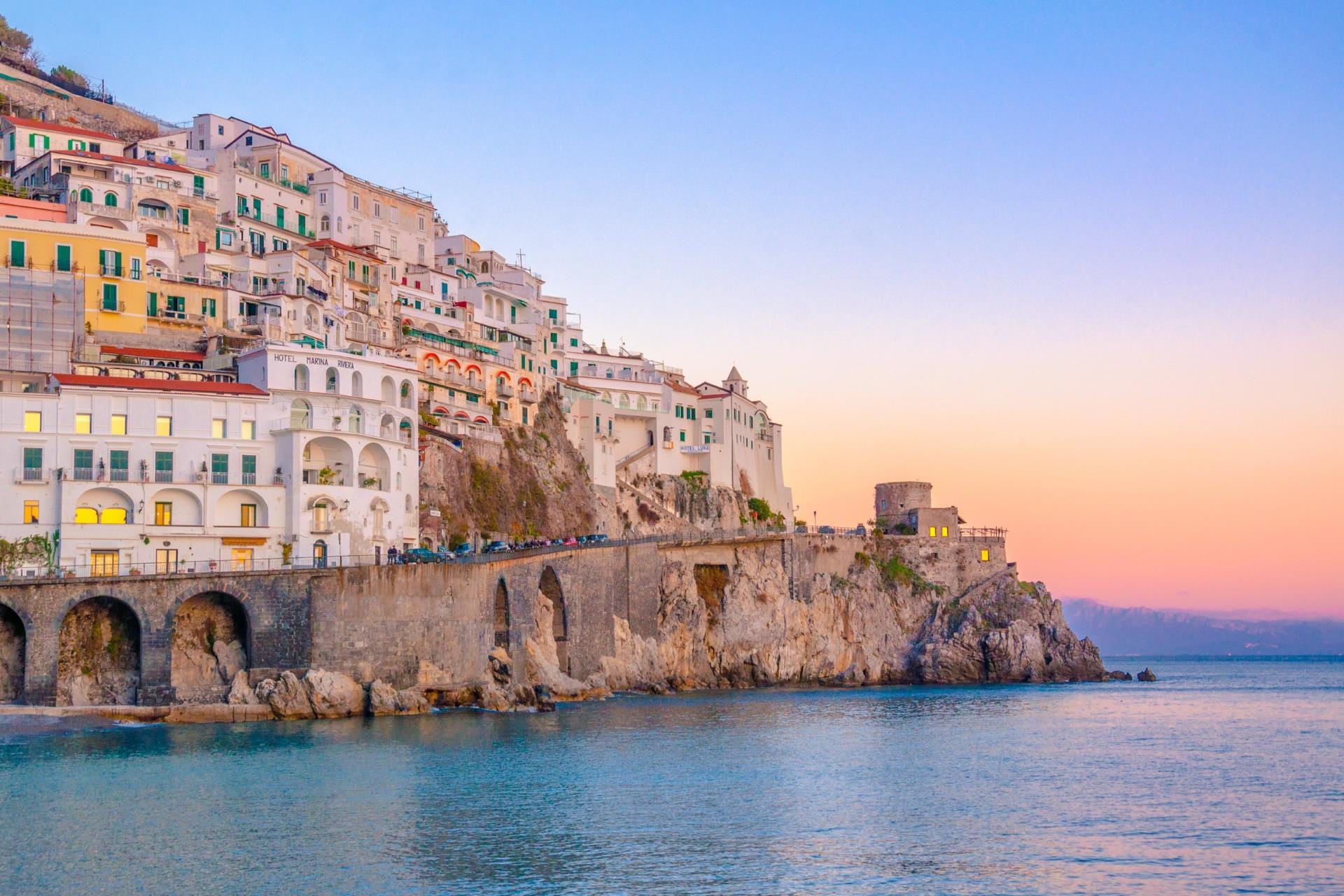
Why the Amalfi Coast remains an unparalleled destination
The Amalfi Coast is far more than just a destination on a map; it is a sensory experience that lingers long after you have returned home. It is defined by the fragrant scent of lemon blossoms carried on a warm Mediterranean breeze, the cooling salt on your skin after a swim in the Tyrrhenian Sea, and the sheer awe of standing on a terrace suspended between the azure water and the Italian sky. It is a place that challenges your expectations, charms you with its history, and ultimately changes your perspective on luxury and slow travel.
Embracing the essence of the coast
To ensure your 2026 Amalfi Coast trip is more than just a collection of photographs, remember that the true magic lies in the balance between the famous landmarks and the quiet, authentic moments.
- Seek the authentic: while Positano and Amalfi are essential, the "soul" of the coast is often found in the smaller villages like Cetara or the high-altitude peace of Ravello.
- Savor the local flavors: allow the Mediterranean diet to guide your days, from sipping local limoncello to tasting pasta dressed with the legendary colatura di alici.
- Embrace the pace: the coast is meant to be savored. Whether you are hiking the Path of the Gods or lounging at a beach club in Praiano, do not rush the experience.
By balancing the region's iconic splendors with its hidden, soulful corners, your journey becomes more than a vacation. It becomes a rich, unforgettable story rooted in the heart of Italy. As you finalize your travel plans, remember that the Amalfi Coast rewards those who travel with curiosity, respect for local traditions, and an appreciation for the timeless beauty of the Italian coastline.