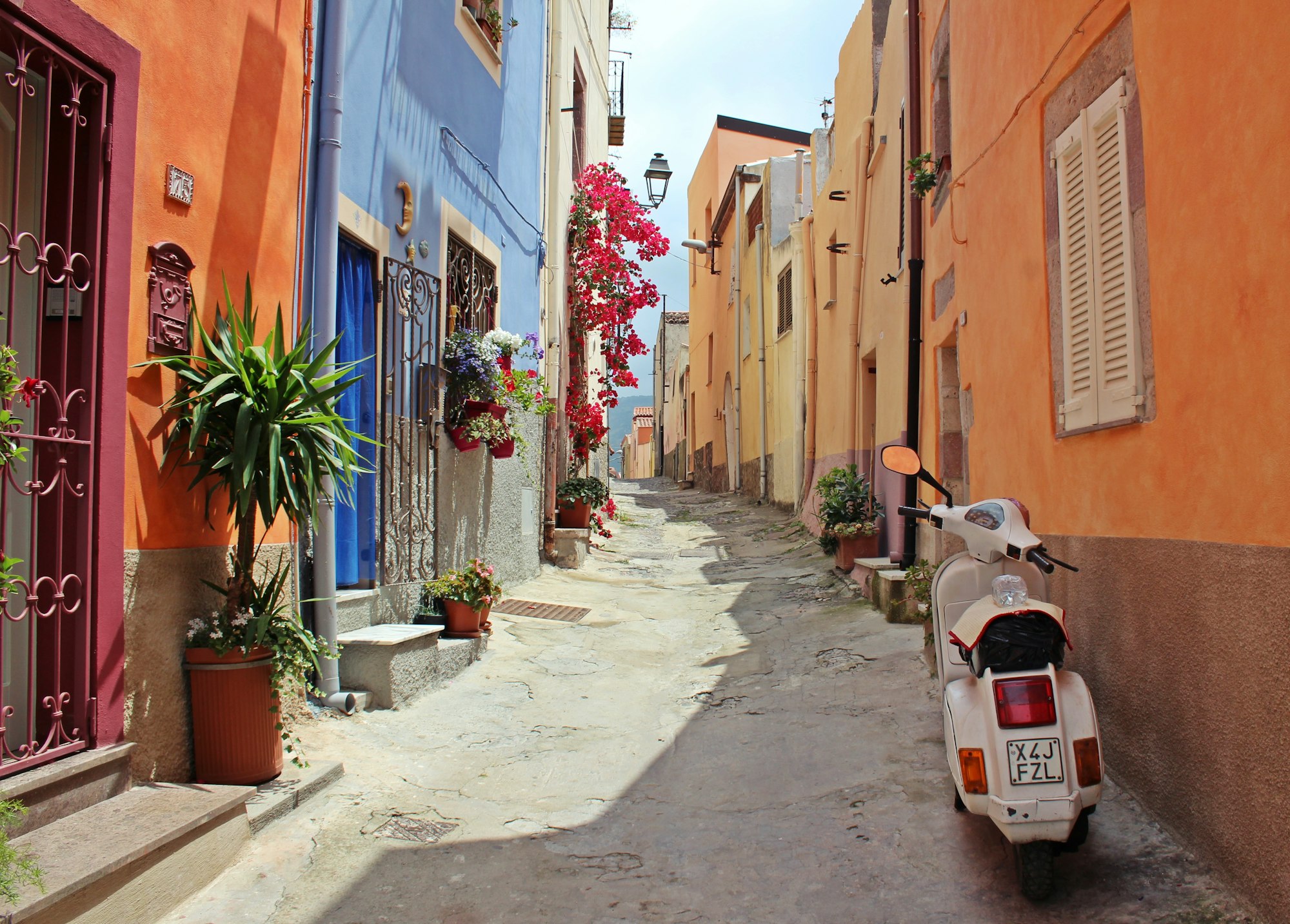
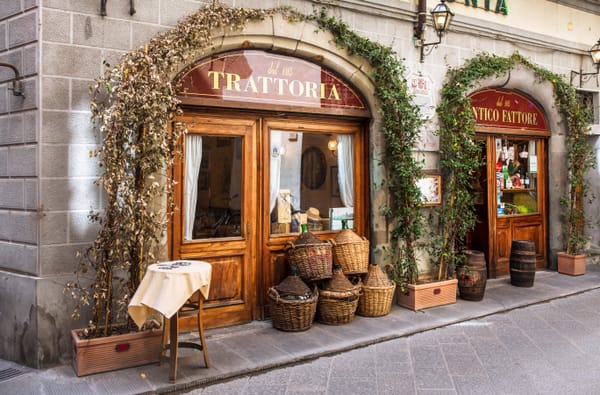
The year 2026 marks a turning point for the Italian tourism landscape. For the traveler, it represents a unique intersection of high-octane global events and a profound return to regional authenticity. This year offers a narrative of contrast: the speed of international competition and the stillness of ancient traditions.
The 2026 Italian calendar is anchored by three pillars:
- The XXV Olympic Winter Games: hosted in the Dolomites and Milan, bringing world-class infrastructure to the northern peaks.
- L’Aquila, Italian Capital of Culture: highlighting the resilient beauty and artistic heritage of the Abruzzo region.
- Post-Jubilee infrastructure: utilizing the legacy of the 2025 Holy Year to enjoy a more accessible and technologically advanced Rome.
Planning a journey to Italy during such a milestone year requires meticulous preparation and a deep understanding of the country's shifting logistical landscape. To navigate the Bel Paese effectively, travelers must look beyond the typical tourist circuit.
This guide provides the essential framework for navigating Italy in 2026, ensuring an experience that prioritizes deep cultural immersion, sustainable transport, and exclusive access to the country's most significant events. Whether your interest lies in the adrenaline of the slopes or the quiet corridors of a Renaissance palace, 2026 demands a strategic approach to travel.
- The winter masterpiece: Milano Cortina 2026 Olympic venues and logistics
- L’Aquila: exploring the Italian capital of culture 2026
- Visiting Rome in 2026: navigating the post-jubilee transition
- Discovering authentic Italy: regional spotlights for 2026
- A seasonal calendar for 2026: when to visit Italy
- Strategic advice for the traveler: navigating 2026 like an expert
- The convergence of tradition and tomorrow: why 2026 is Italy's year
The winter masterpiece: Milano Cortina 2026 Olympic venues and logistics
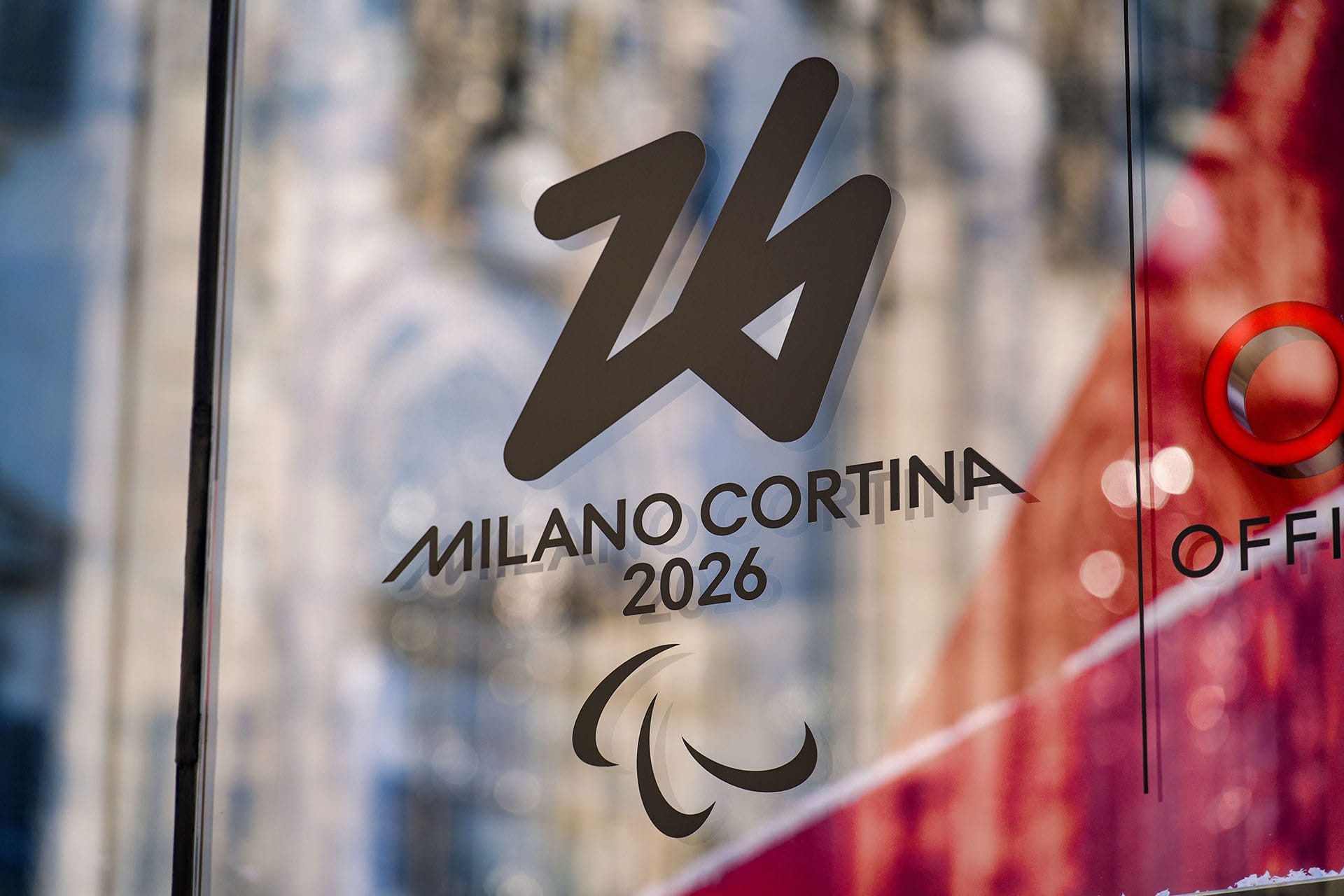
The defining event of the year is undoubtedly the Milano Cortina 2026 Winter Olympics and Paralympics. This edition is historic; unlike previous games confined to a single city, 2026 introduces a decentralized model spanning 22,000 square kilometers across Northern Italy. This "widespread" approach allows travelers to experience the diversity of the Italian Alps, from the Lombardy plains to the jagged peaks of the Dolomites.
Understanding the 2026 Olympic clusters and host cities
The Games are organized into four primary geographical clusters, each offering a distinct atmosphere and sporting profile:
- Milano: the urban heart of the Games. San Siro Stadium will host the Opening Ceremony, while the Milano Santagiulia Ice Hockey Arena and the Mediolanum Forum (Assago) will serve as the theaters for ice hockey, figure skating, and short track.
- Cortina d’Ampezzo: kKnown as the "Queen of the Dolomites," this UNESCO-listed area focuses on alpine skiing (at the Tofane) and curling. It remains the global epicenter of Italian mountain luxury.
- Valtellina (Bormio and Livigno): a paradise for freestyle skiing and snowboarding. Bormio will also host the debut of ski mountaineering on the legendary Stelvio slope.
- Val di Fiemme and Anterselva: dedicated to Nordic disciplines. Anterselva is the world-renowned home of the biathlon, while Val di Fiemme hosts cross-country skiing and ski jumping amidst pristine natural landscapes.
Strategic planning and transport for Olympic visitors
For those visiting Italy during February and March 2026, early booking is a necessity. Due to the decentralized nature of the Games, your choice of "base camp" will dictate your entire experience.
- Accommodation alert: traditional hotels in the Alpine valleys are often reserved for teams and delegates. High-net-worth travelers should prioritize luxury boutique rentals or "albergo diffuso" options in the surrounding valleys.
- The "Satellite City" strategy: to avoid the peak congestion of Cortina or Milan, consider staying in well-connected cities such as Verona (site of the Closing Ceremony), Trento, or Bolzano.
- Infrastructure & transport: utilize Italy’s Frecciarossa high-speed rail network and the enhanced Trenord regional lines. During the Games, dedicated Olympic Shuttles will connect major rail stations (like Tirano, Ora, and Ponte nelle Alpi) directly to the competition venues.
Expert planning note: Avoid trying to commute between Milan and Cortina on the same day. The journey can take 5–6 hours. Instead, divide your trip into a "City week" in Milan and a "Mountain week" in the Dolomites.
L’Aquila: exploring the Italian capital of culture 2026
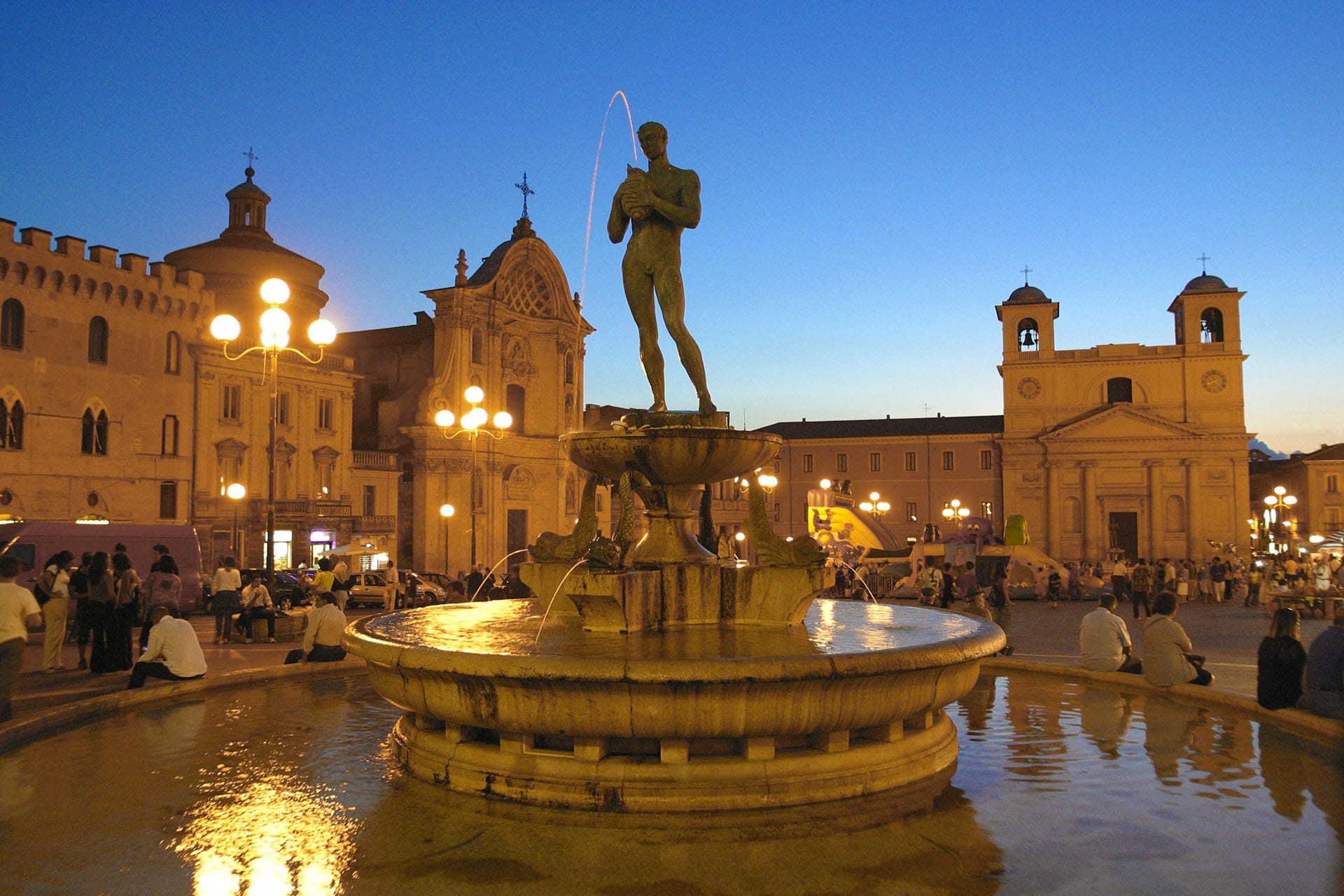
While Northern Italy celebrates sporting excellence, the region of Abruzzo takes center stage as its capital, L’Aquila, serves as the Italian Capital of Culture 2026. This prestigious designation recognizes the city's extraordinary journey of reconstruction and artistic renaissance. For the cultural traveler, 2026 offers a rare opportunity to witness a city where history is being rewritten through high-tech restoration and a vibrant local spirit.
Experience L’Aquila: the green heart of cultural tourism
L’Aquila is the primary gateway to the "Green Heart of Europe," a territory defined by its untouched wilderness and medieval heritage. The 2026 cultural program, titled "L’Aquila Città Multiverso," is designed to bridge the gap between innovation and tradition, focusing on sustainability and the dialogue between the urban environment and the wild Apennine landscapes.
Key highlights of the 2026 cultural program and regional experience include:
- Restored architecture and heritage: explore a city center where medieval, Baroque, and Renaissance palaces have been returned to their former glory. The restoration includes cutting-edge contemporary art installations that contrast with historic landmarks like the Basilica di Santa Maria di Collemaggio.
- The Gran Sasso Massif: located just minutes from the city, the Gran Sasso d'Italia offers premier high-altitude trekking and is home to the Calderone, the southernmost glacier in Europe. It is a vital destination for eco-conscious travelers seeking pristine nature.
- Authentic gastronomy of Abruzzo: known as one of Italy’s most authentic culinary frontiers, 2026 is the year to discover the region's protected flavors. Essential experiences include tasting arrosticini (traditional mutton skewers), the world-renowned DOP saffron of Navelli, and the robust, complex Montepulciano d’Abruzzo wines.
Visiting Rome in 2026: navigating the post-jubilee transition
The year 2025 was a monumental Holy Year or Jubilee, which brought millions of pilgrims to the capital. By 2026, the city enters a strategic "post-Jubilee" phase. While the peak religious crowds begin to diminish, the primary benefit for the 2026 traveler is the lasting legacy of improved infrastructure. This period offers the perfect window to experience a modernized Rome that has been meticulously prepared for a global audience.
New infrastructure and restored heritage in Rome for 2026
Billions of Euros in strategic investments for the Jubilee have resulted in a city that is more accessible and technologically advanced. Key updates for your 2026 itinerary include:
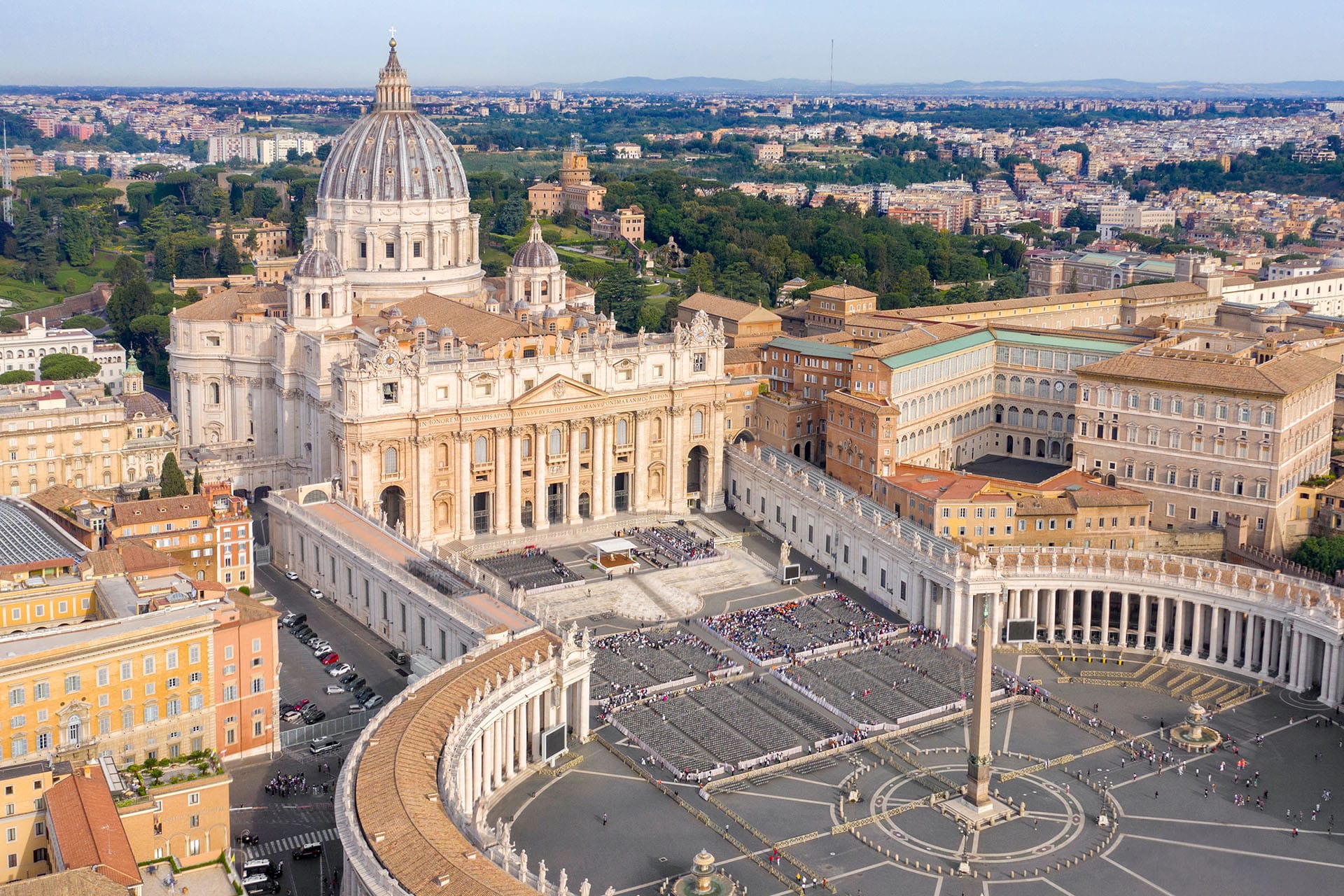
- Pedestrianization of Piazza Pia: one of the most significant urban transformations in decades. A new tunnel has allowed for the complete pedestrianization of the surface, creating a seamless, scenic walk that connects Castel Sant’Angelo directly to St. Peter’s Square and the Vatican.
- Restored archaeological sites: many historic ruins and museums that were obscured by scaffolding during 2024 and 2025 are now fully unveiled. These sites are not only accessible but also technologically enhanced with new lighting systems and augmented reality tours, offering a deeper layer of historical context.
- Digital integration and transport: Rome has significantly streamlined its public transport and ticketing systems. From contactless payment across the entire network to integrated apps for the "Eternal City," navigating the urban center is now more efficient for the independent, self-planned traveler.
- Enhanced Vatican accessibility: following the influx of 2025, the Vatican Museums and surrounding areas have optimized their entry flows, making the 2026 visit a smoother experience compared to the high-congestion years.
Discovering authentic Italy: regional spotlights for 2026
Beyond the global sporting events and major headlines, 2026 is a pivotal year for sustainable tourism in Italy. Several regions are implementing innovative strategies to promote "slow travel" and authentic local engagement. For the independent planner, these destinations offer a profound connection to the Italian soul, away from the typical mass-tourism circuits.
Sicily and the archaeological legacy of Agrigento
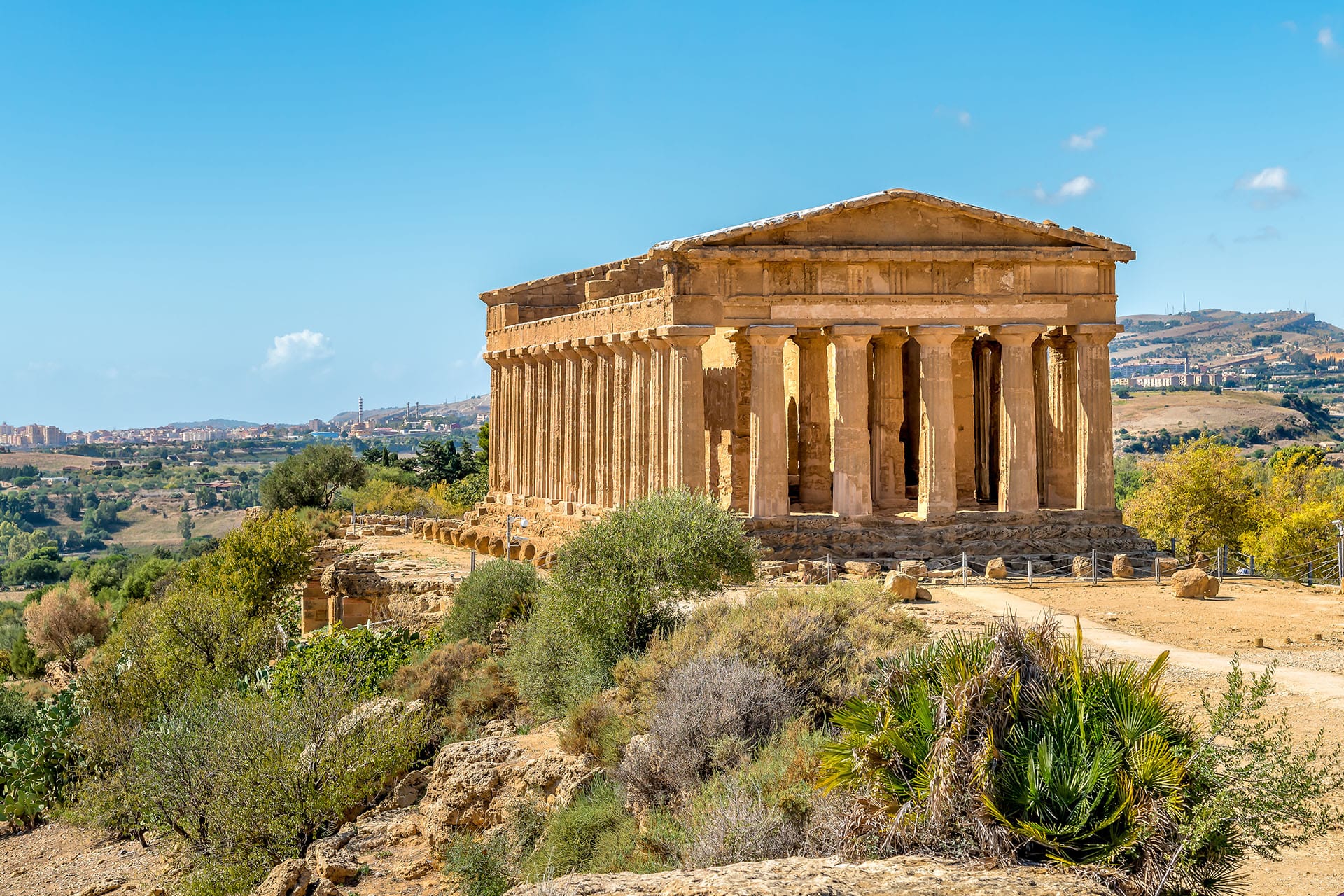
Following its successful tenure as the Italian Capital of Culture in 2025, Agrigento and the Valley of the Temples enter 2026 with an enriched infrastructure for cultural tourism. The momentum of the previous year has left a legacy of curated experiences:
- Exclusive archaeological access: enjoy new, specialized tours of the Greek temples, including expanded evening openings and "behind-the-scenes" access to ongoing excavations.
- The Sicilian "Wine Trains": Sicily is expanding its historic rail network. Travelers can now connect world-class vineyards via vintage locomotives, offering a sophisticated and eco-friendly way to explore the island's interior and the volcanic slopes of Mount Etna.
- Slow-travel focus: 2026 sees a renewed emphasis on the Sicani Mountains, providing an authentic alternative to the coastal resorts.
Piedmont and the Royal Savoy circuit of Turin
With Milan focused on the Winter Olympics, nearby Turin serves as a sophisticated, regal alternative for those seeking European elegance. The city and its surrounding countryside are doubling down on their UNESCO World Heritagestatus:
- The Crown of Delights (Corona di Delizie): this circuit of Royal Savoy Residences has completed significant upgrades to its cycling infrastructure. Travelers can now tour sites like Venaria Reale and the Stupinigi Hunting Lodge via high-end e-bike tours.
- Gastronomy and the Winter Olympics: Piedmont remains the premier destination for Slow Food enthusiasts. During the Olympic season, Turin’s historic cafes and Michelin-starred restaurants offer a more refined atmosphere compared to the high-energy Olympic clusters.
Trieste and the Northeast: a cultural alternative to Venice
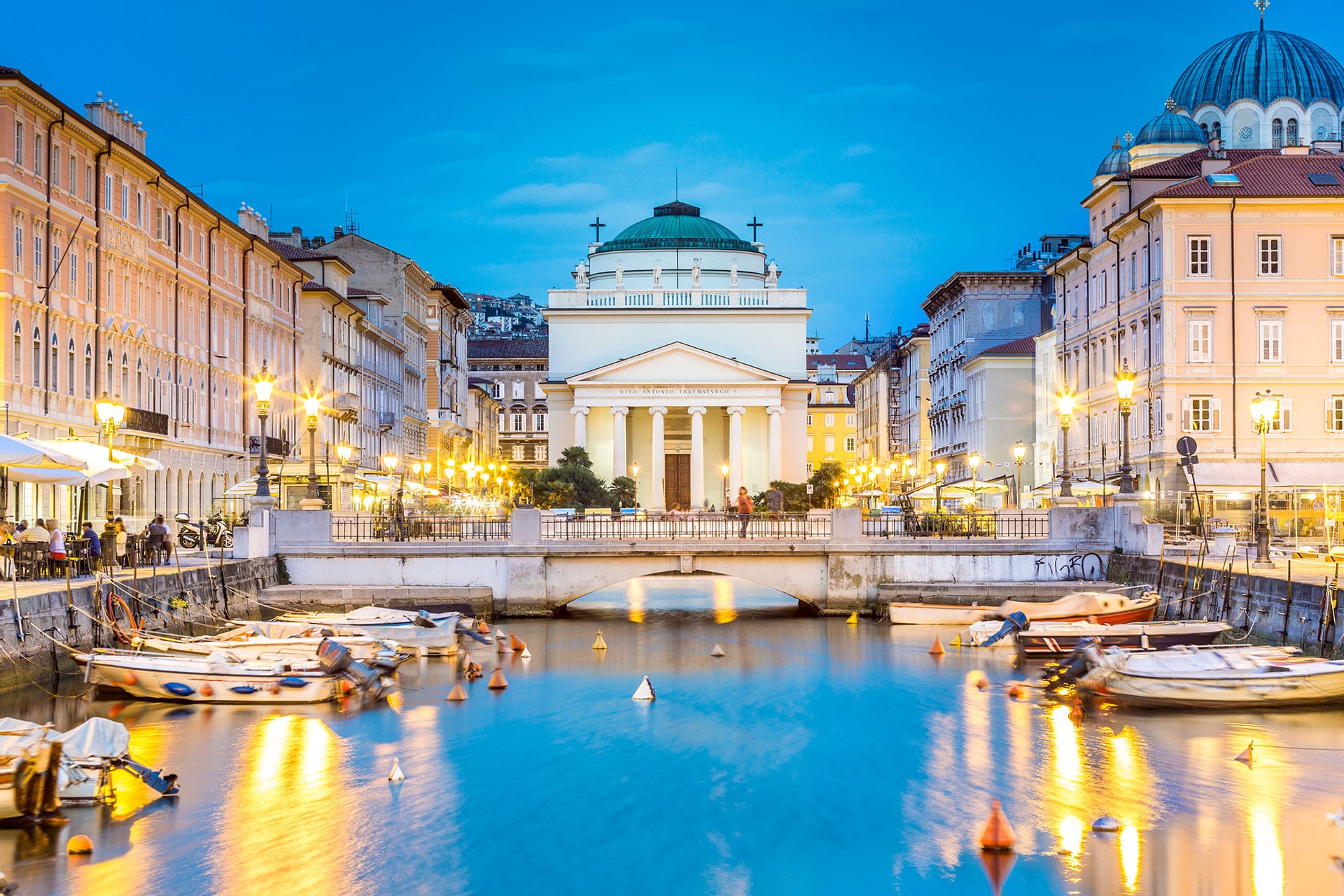
As the gateway to the Balkans and Central Europe, Trieste is gaining significant traction in 2026. It is the ideal destination for travelers seeking a literary and coffee-infused atmosphere far from the peak-season crowds of Venice.
- Habsburg heritage and Mediterranean soul: Trieste offers a unique architectural blend of Austro-Hungarian grandeur and Italian seaside charm.
- Literary tourism: 2026 will see new walking itineraries dedicated to the writers who called the city home, including James Joyce and Italo Svevo, catering specifically to the "Cultural Traveler" demographic.
- Sustainable North-East itineraries: Trieste serves as an excellent base for exploring the Friuli Venezia Giuliawine regions and the rugged beauty of the Carso plateau.
A seasonal calendar for 2026: when to visit Italy
Choosing the right time to visit Italy in 2026 depends on whether you seek the high-energy atmosphere of global events or the quietude of the rural provinces. Below is a strategic breakdown of the year to help you align your interests with Italy’s seasonal rhythms.
Winter (January – March): sports and southern serenity
- The Olympic focus: this is the peak period for Northern Italy. Travelers should focus on the Lombardy and Veneto clusters for the Milano Cortina 2026 Games. Expect high demand and a vibrant, international atmosphere.
- The Southern alternative: for those seeking a winter escape, Sicily and Puglia offer mild temperatures and virtually empty archaeological sites. It is the ideal time for an intimate exploration of the Valley of the Temples or the baroque beauty of Lecce without the summer heat.
Spring (April – June): cultural rebirth and floral blooms
- Abruzzo and the Capital of Culture: spring is the optimal window to visit L’Aquila. The mountain air is crisp, and the cultural calendar for the Italian Capital of Culture begins its most prestigious outdoor events.
- The Umbrian spectacle: in late May and early June, the Piano Grande of Castelluccio di Norcia in Umbria experiences "La Fioritura" (the flowering). This mosaic of wildflowers is a peak aesthetic experience for photographers and nature enthusiasts.
Summer (July – August): high-altitude retreats and northern breezes
- Alpine escapes: to avoid the intense heat of the Italian cities, seek the cooler altitudes of the Aosta Valley or the Dolomites (post-Olympics). These regions offer world-class hiking and luxury wellness retreats.
- Sardinia’s hidden interior: while the Costa Smeralda reaches peak capacity, the northern interior of Sardinia offers coastal breezes and authentic "Sardic" culture. Explore the archaeological nuraghe and the rugged landscapes of the Barbagia region.
Autumn (September – November): the season of the harvest
- The gastronomic peak: autumn remains the "Season of the Harvest." This is the premier time for the International Alba White Truffle Fair in Piedmont and new olive oil tastings in the hills of Lucca, Tuscany.
- Wine tourism: in Umbria and Tuscany, the grape harvest (vendemmia) provides a unique opportunity to witness the production of world-class wines like Brunello di Montalcino and Sagrantino di Montefalco in a more relaxed, post-summer atmosphere.
Strategic advice for the traveler: navigating 2026 like an expert
To maximize the 2026 Italy experience, independent planners must move beyond the basic tourist circuit. Success in such a high-traffic year depends on three strategic pillars: geographical diversification, digital literacy, and a commitment to depth over breadth.
Prioritize the "second cities" for an authentic Italian atmosphere
In a year defined by the Winter Olympics and the post-Jubilee influx, Italy’s major hubs will be at peak capacity. For every world-famous landmark, there is a "second city" that offers equivalent historical richness with a significantly higher degree of local interaction and better value for money.
- Treviso instead of Venice: located just 30 minutes away, Treviso offers pristine canals, the original Tirami sù heritage, and a more relaxed, authentic Venetian atmosphere.
- Pistoia or Lucca instead of Florence: these cities provide a masterclass in Tuscan Renaissance architecture and medieval walls without the overwhelming queue times of the Uffizi.
- Vicenza for architecture enthusiasts: often overlooked, Vicenza is a UNESCO World Heritage site and the primary showcase for the work of Andrea Palladio.
- Ravenna for Byzantine history: home to eight UNESCO-listed early Christian monuments, Ravenna offers a depth of mosaic art that rivals anything in Rome or Istanbul.
Leverage digital documentation and official Italian travel apps
Italy is rapidly digitizing its tourism infrastructure, and by 2026, paperless travel will be the operational standard. To ensure a seamless journey, independent travelers should centralize their logistics through verified official apps.
- Italia.it: the official app of the Italian Ministry of Tourism, essential for real-time updates on cultural events and regional "hidden gem" itineraries.
- Trenitalia and Italo: essential for managing high-speed rail bookings. Ensure you utilize the check-in feature now required for regional digital tickets to avoid heavy fines.
- Waze or Google Maps with ZTL alerts: if driving, these apps are critical for navigating ZTL (Zona a Traffico Limitato) areas—restricted zones where unauthorized entry results in steep automated penalties.
- itTaxi or FreeNow: the most reliable ways to secure official taxis in major cities like Rome, Milan, and Turin, ensuring transparent pricing and digital receipts.
Adopt the "slow approach" to itinerary design
The most common mistake for first-time visitors is attempting a ten-day "whirlwind" across five disparate cities. For 2026, the "slow travel" model is superior for both cultural immersion and logistical sanity.
- Focus on regional clusters: instead of a cross-country sprint, select two geographically adjacent regions. For example, combine the cosmopolitan energy of Lombardy with the rugged, soulful landscapes of Abruzzo.
- Deep exploration: allocate a minimum of 4–5 days per base. This allows for spontaneous discoveries, such as visiting a family-run vineyard in the Langhe or hiking to a remote hermitage in the Apennines.
- Off-peak scheduling: utilize the early mornings and late evenings for major sites, dedicating the midday hours to the quiet squares of smaller hamlets (borghi).
The convergence of tradition and tomorrow: why 2026 is Italy's year
The year 2026 represents more than a collection of prestigious dates on a calendar; it is a manifestation of Italy’s enduring ability to harmonize global relevance with local heritage. For the traveler, this year offers a rare opportunity to witness a nation that is simultaneously celebrating its modern capabilities and its ancient roots.
Whether you are drawn by the adrenaline of the Olympic slopes or the silent dignity of a restored mountain capital in Abruzzo, the Italian experience in 2026 is defined by its layers. Success in navigating this landmark year depends on a willingness to look beyond the immediate spectacle, seeking the intersections where sophisticated infrastructure meets the raw, unscripted beauty of the provinces.
Ultimately, 2026 in Italy invites a deeper level of engagement. It proves that even when the eyes of the world are fixed upon it, the most authentic Bel Paese is found in the deliberate, well-planned exploration of its timeless spirit. By choosing to travel authentically, you become part of Italy's living history during one of its most transformative chapters.